
Why the Way Buyers See Your Home May Matter More Than the Features You Think Make It Special
A Merit Homes North Dallas Journal | October 2026
There's a conversation I have with sellers fairly often, and it usually starts with a perfectly reasonable question.
"Why would someone buy that house when ours is so much nicer?"
Sometimes they're right.
Their home may have better finishes, more square footage, a larger backyard or thousands of dollars in improvements.
But here's where things get interesting.
The buyer looking at both homes may not see it that way.
Maybe the other house has a better floor plan. Maybe the backyard feels more private. Maybe it's closer to work. Or maybe the other house simply photographs better, looks more inviting and doesn't appear to need any work.
I've seen buyers walk into a beautifully maintained home and immediately start mentally calculating what they'll need to change. I've also watched buyers overlook a home's shortcomings because something about it just felt right.
That's the fascinating, and occasionally frustrating, thing about selling real estate.
Buyers don't evaluate your home based on what you've invested in it. They evaluate it based on what they believe it offers them.
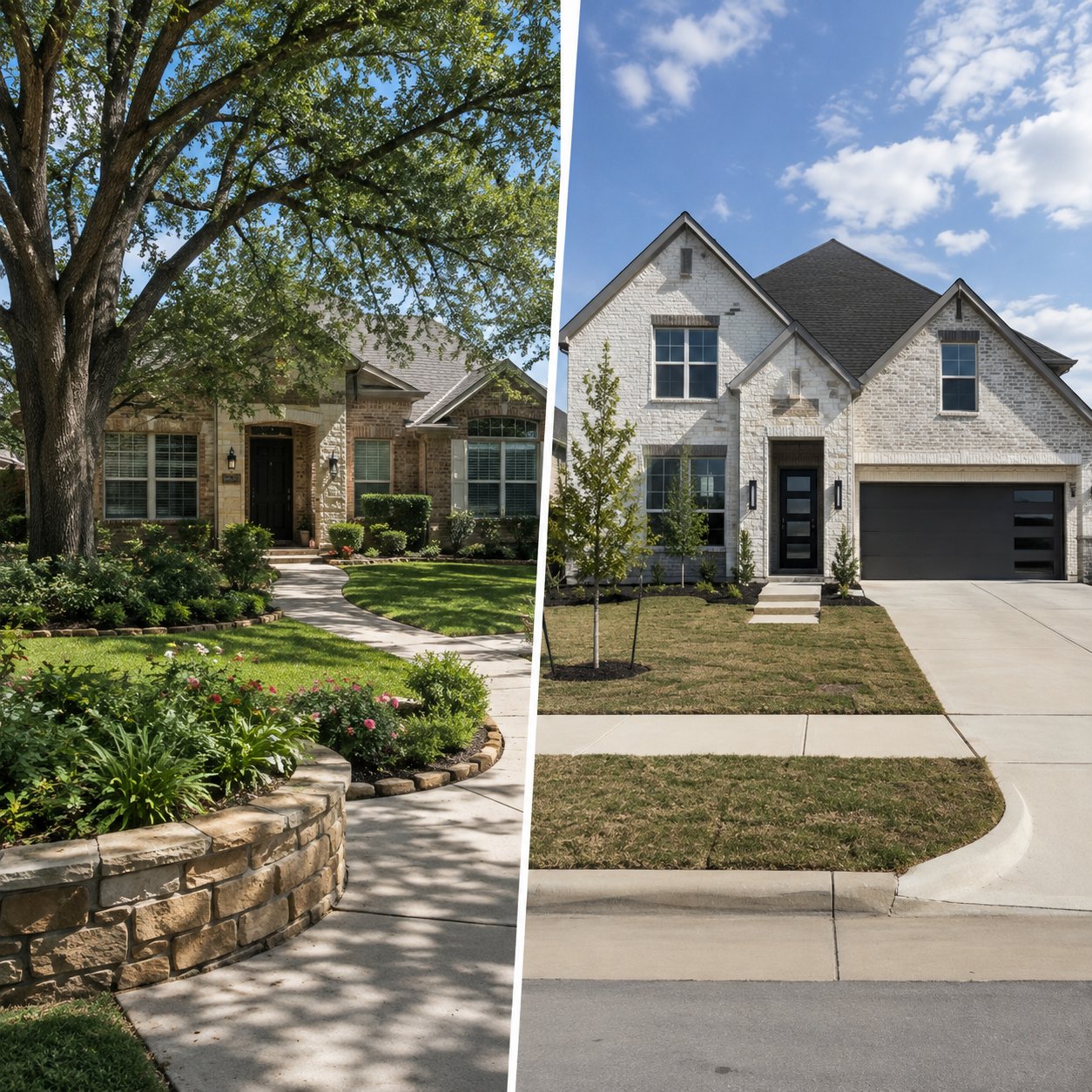
And in a city like McKinney, where buyers can choose between established neighborhoods, newer construction, custom homes and everything in between, understanding that difference is especially important.
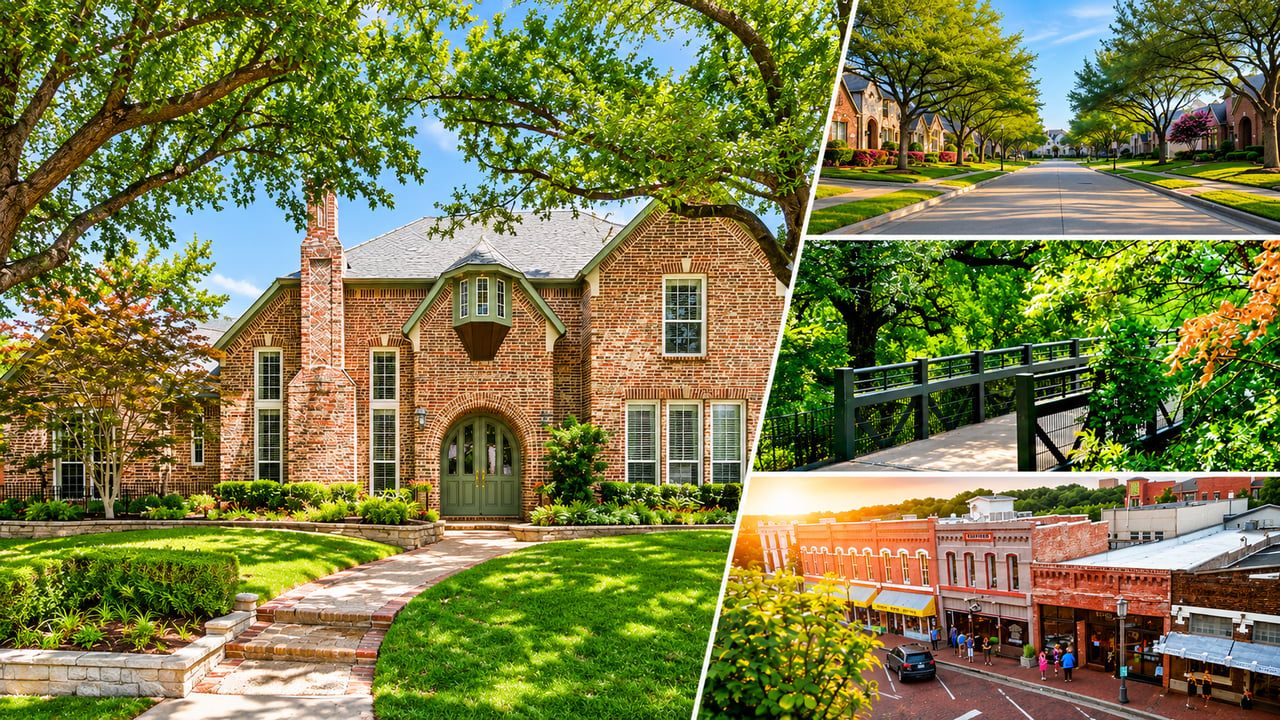
McKinney Buyers Have More Than One Version of Home to Choose From
One of the things I enjoy about McKinney is its variety.
A buyer might start by looking at established homes in Stonebridge Ranch, where mature landscaping, neighborhood amenities and a wide range of housing styles are part of the appeal.
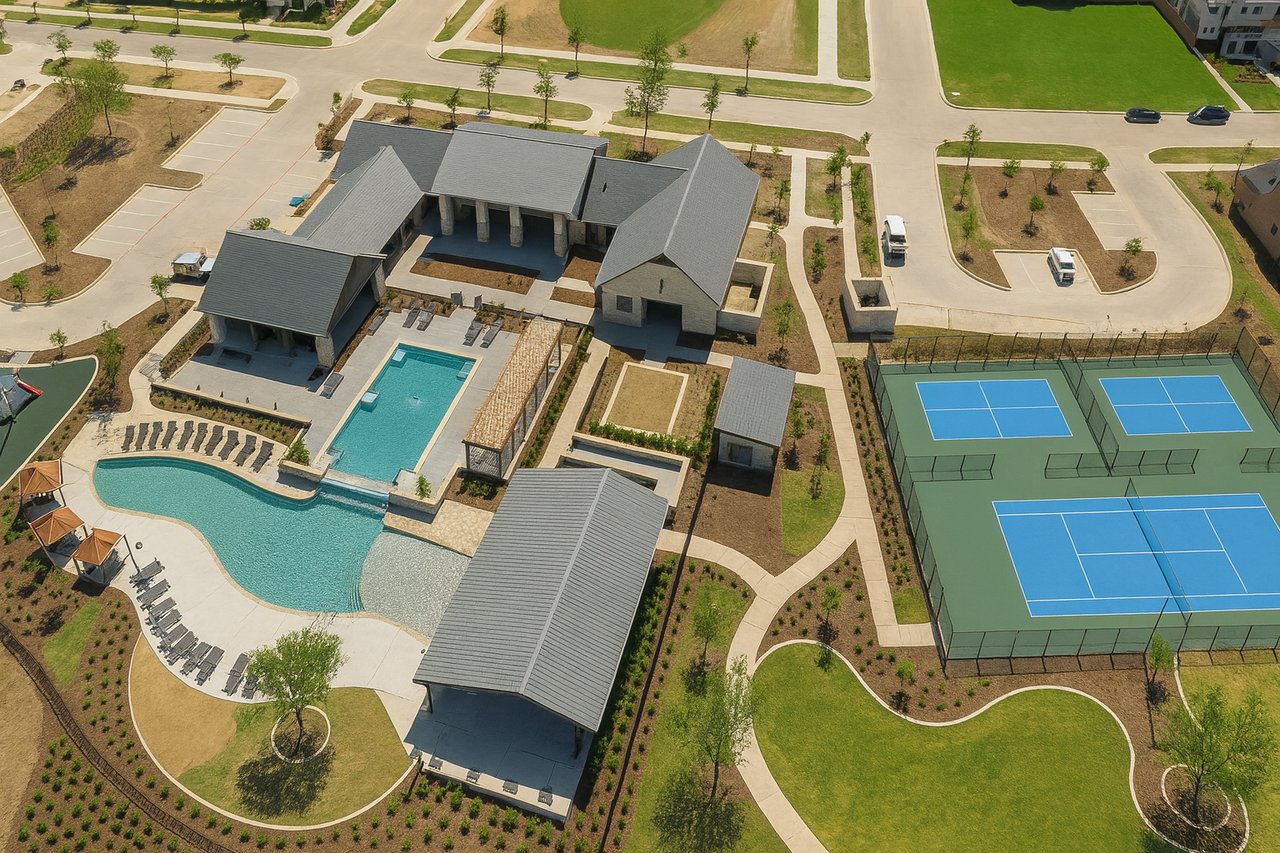
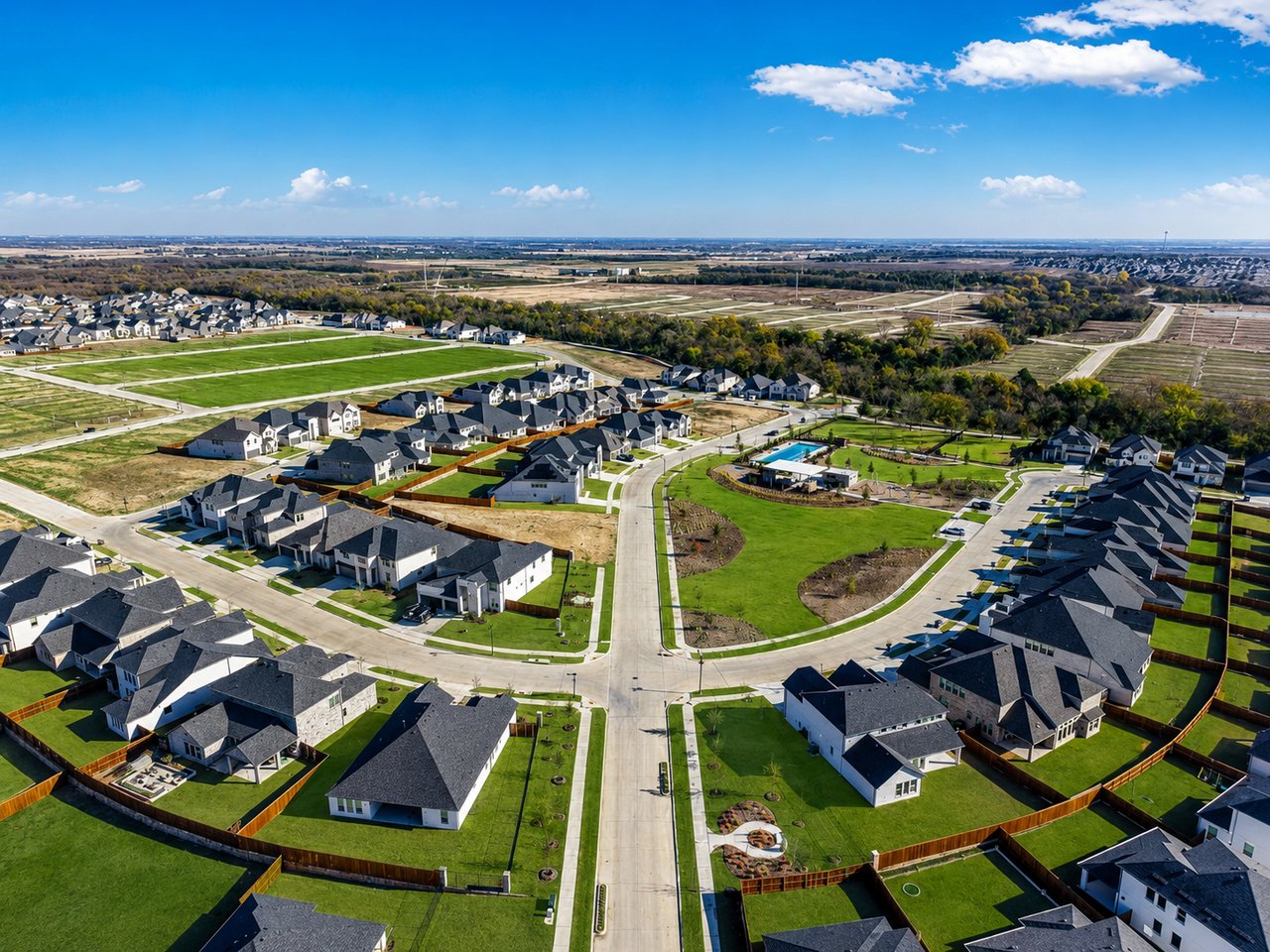
Then they might tour a newer home in Painted Tree, with its emphasis on trails, outdoor spaces and contemporary living.
Or they might drive north to Trinity Falls, where master-planned amenities and newer floor plans offer another experience entirely.
And those buyers may be looking at homes within a relatively similar price range.
That creates an interesting challenge for sellers.
You're not necessarily competing only with the house down the street.
You're competing with the other ways a buyer could spend the same amount of money.
In some cases, that competition extends beyond McKinney into Frisco, Prosper, Celina or Allen.
That's why I believe sellers need to understand what buyers are comparing, not just what neighboring homes recently sold for.
The McKinney Market Is Giving Buyers Time to Compare
Let's put a little context around this.
According to Redfin's September 2026 data, McKinney's median sale price was approximately $510,000, down about 1% from the previous year. Homes spent a median of approximately 65 days on the market, and nearly half of listings experienced price reductions.
Those are citywide numbers, not a prediction of what any individual home will do.
But they tell us something important.
Buyers are being selective.
And when buyers have time to compare properties, the differences between homes become more noticeable.
A dated bathroom may not have mattered as much when buyers were competing for limited inventory.
An awkward floor plan may have been easier to overlook.
A home that needed painting might still have attracted immediate interest.
Today, buyers can often take a more measured approach.
That doesn't mean McKinney is a bad place to sell a home.
It means sellers need to think carefully about how their property will be perceived.
The First Showing Happens Before Anyone Opens the Front Door
Think about how you shop for almost anything today.
You probably start online.
You look at pictures.
You compare options.
You read descriptions.
You make judgments before ever seeing the product in person.
Real estate is no different.
A buyer might scroll through 20 or 30 homes in one evening and decide which five are worth visiting.
That means your home's first impression isn't necessarily the front porch.
It's the first photograph.
Then the next photograph.
Then the floor plan, price, description and location.
And within seconds, a buyer begins forming an opinion.
Does this house look updated?
Does it feel bright?
Is the furniture overwhelming the room?
Does the backyard look usable?
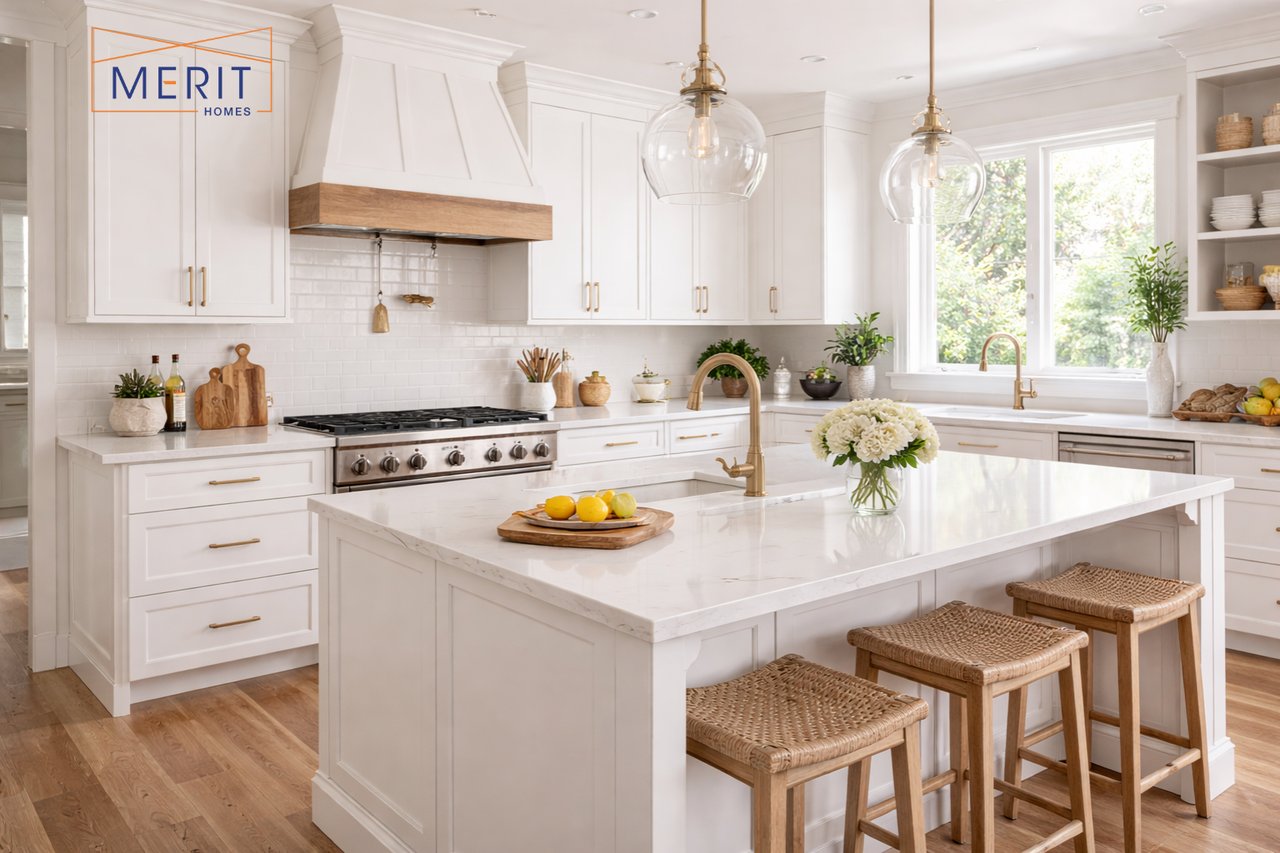
Is the kitchen attractive?
Can I picture myself living there?
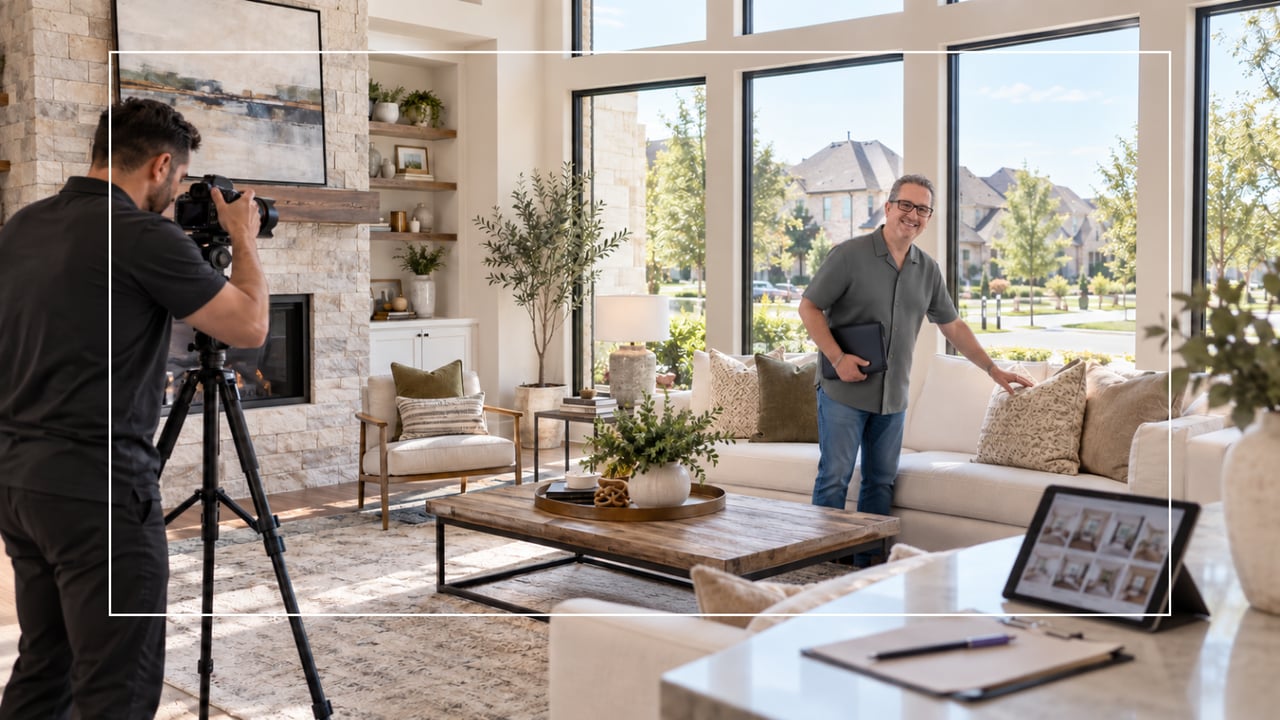
Professional photography matters, but photography alone isn't the answer.
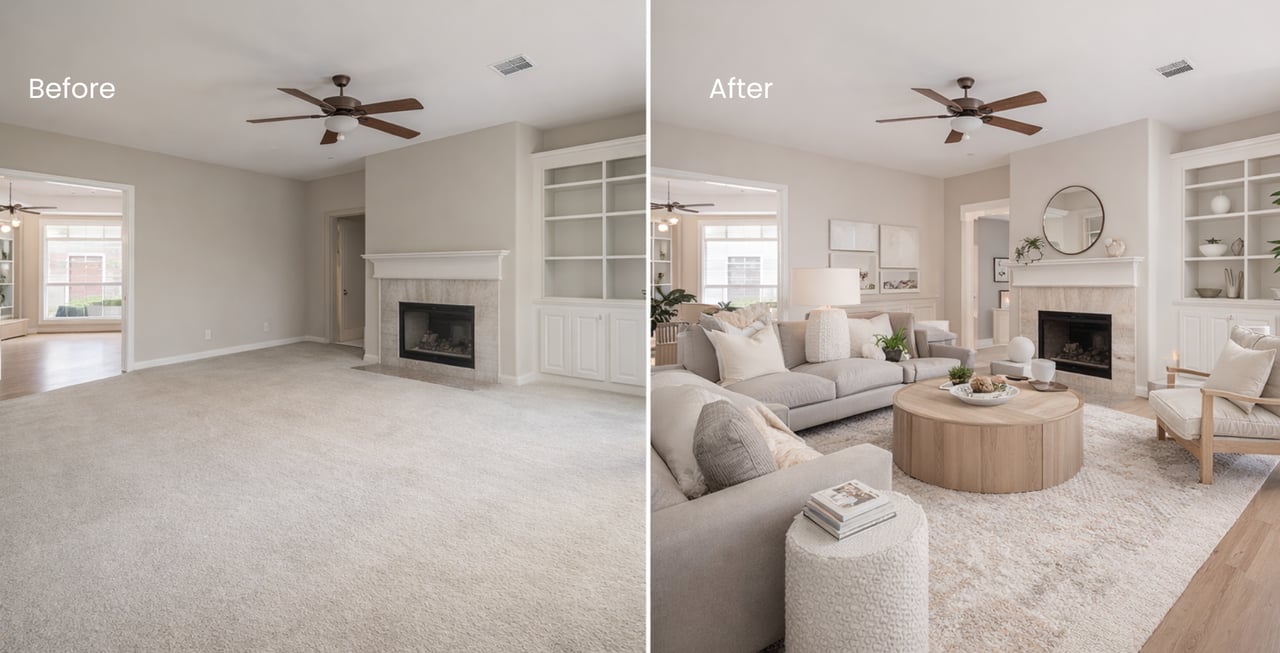
The home needs to be prepared to photograph well.
The goal isn't simply to make a house look beautiful. It's to make buyers want to experience it in person.
Matt's Perspective: Sellers Know Too Much About Their Own Homes
This is something I try to explain carefully because it's completely natural.
You've lived in the house.
You know how much you spent on the landscaping.
You remember replacing the air conditioner.
You know the kitchen cabinets were custom-built.
You know how much you enjoy sitting on the patio in the evening.
You also know which little imperfections you've learned to live with.
A buyer knows none of that.
They're walking in with fresh eyes.
They're comparing your home with several others.
And they're asking a completely different question:
"Does this house make sense for me at this price?"
That's why I think one of the most valuable things a real estate agent can provide is an outside perspective.
Not simply telling a seller what they want to hear.
Helping them understand how a buyer is likely to see the property.
Location: Buyers Are Evaluating More Than the Address
The first of my Three L's is Location.
And McKinney makes this particularly interesting because the city covers such a broad area.
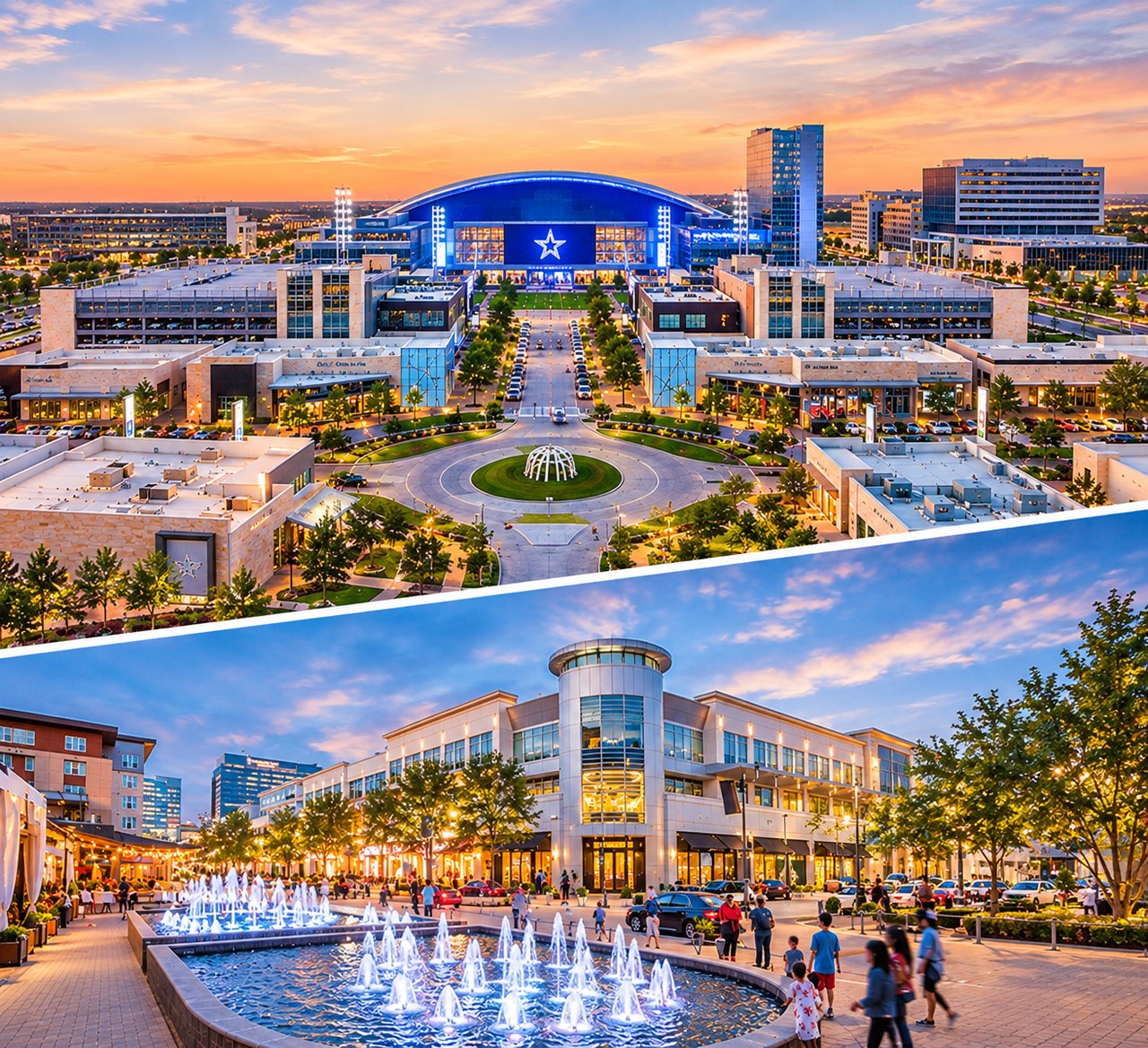
A home near Highway 121 may appeal to someone who frequently travels toward Frisco, Plano or the Dallas North Tollway.
A property near Highway 75 offers a different commuting pattern.
A home near Historic Downtown McKinney provides access to a distinctive collection of local restaurants, shops and events.
Northern McKinney offers newer communities and ongoing development.
The point is that two homes with similar square footage and pricing may offer very different location advantages.
For sellers, this means we need to communicate the advantages of the specific location.
Not just "great McKinney location."
That's too generic.
What makes this location useful?
What is nearby?
What daily conveniences does it offer?
What can a buyer enjoy without driving across town?
Those are the details that help buyers connect the location to their own lives.
Livability: A Floor Plan Can Outweigh a Beautiful Kitchen
The second L is Livability.
And this may be where buyer perception becomes most obvious.
I've toured homes with gorgeous kitchens, expensive finishes and impressive entryways that didn't live particularly well.
Maybe the primary bedroom was upstairs when the buyer wanted it downstairs.
Maybe there was no dedicated office.
Maybe the kitchen was beautiful but disconnected from the main living space.
Maybe the home had five bedrooms, but not one practical place for a guest to stay comfortably.
Then we'd tour another home with fewer upgrades, but a floor plan that made immediate sense.
And guess which one the buyer preferred?
Sometimes the less expensive one.
Sometimes the smaller one.
Because a home that works for someone's life can feel more valuable than a home with more expensive features.
That's an important distinction when preparing a McKinney home for sale.
Sellers should consider how each room communicates its purpose.
An office should look like an office.
A guest room should feel inviting.
A game room should demonstrate how the space can be used.
An awkward room may benefit from thoughtful furniture placement.
You're helping buyers understand how the house lives.
Lifestyle: Sell the Experience, Not Just the Amenities
The third L is Lifestyle.
This is where McKinney offers sellers some terrific opportunities.
Think about the different lifestyles represented throughout the city.
Stonebridge Ranch has more than 70 villages spread across approximately 5,000 acres, with extensive open space and established community amenities.
Painted Tree emphasizes outdoor recreation, trails and natural spaces.
Trinity Falls offers parks, pools, trails and community gathering areas.
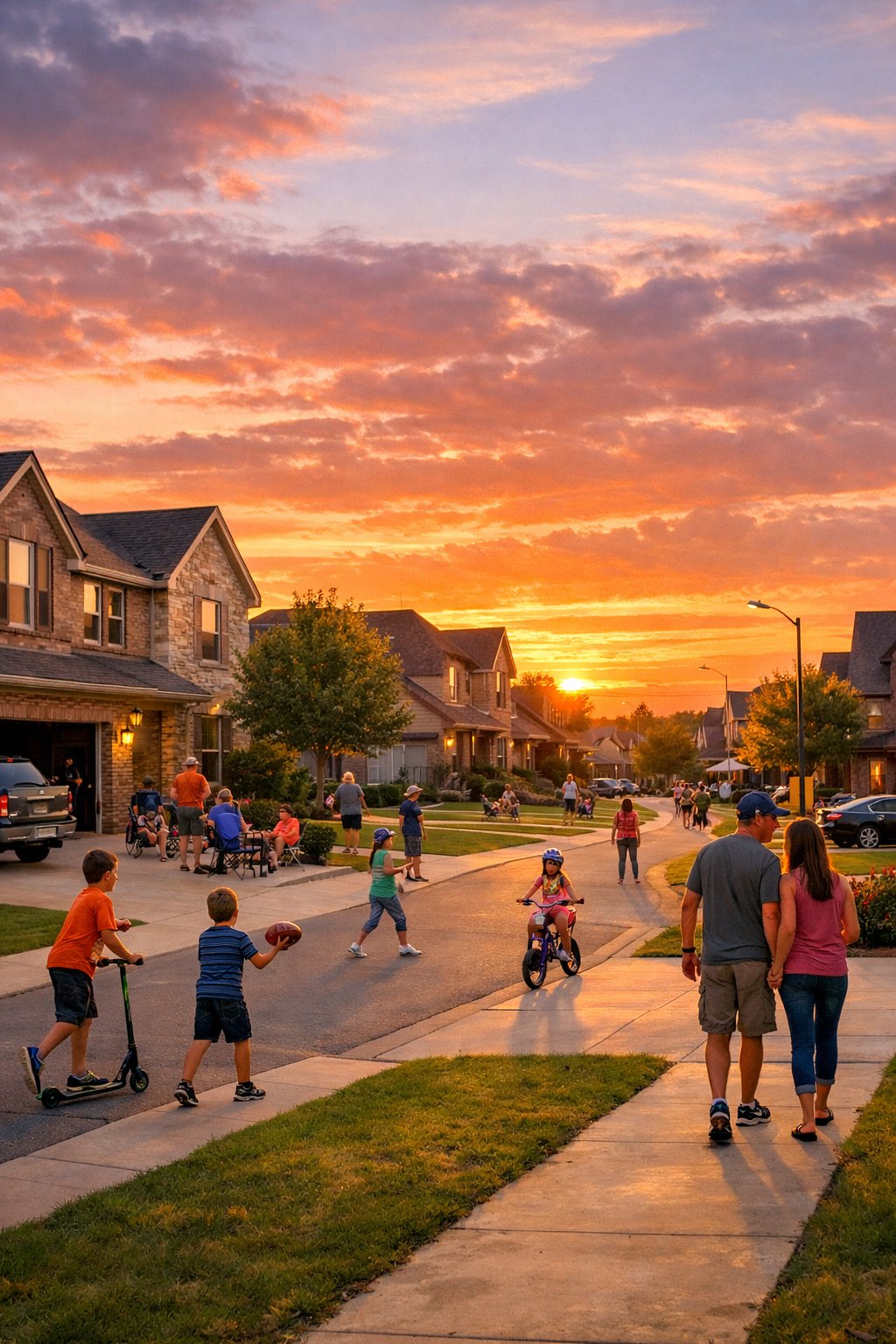
Closer to Historic Downtown McKinney, buyers may be drawn to restaurants, independent shops, local events and the character of the surrounding area.
Each offers something different.
And the marketing should reflect that.
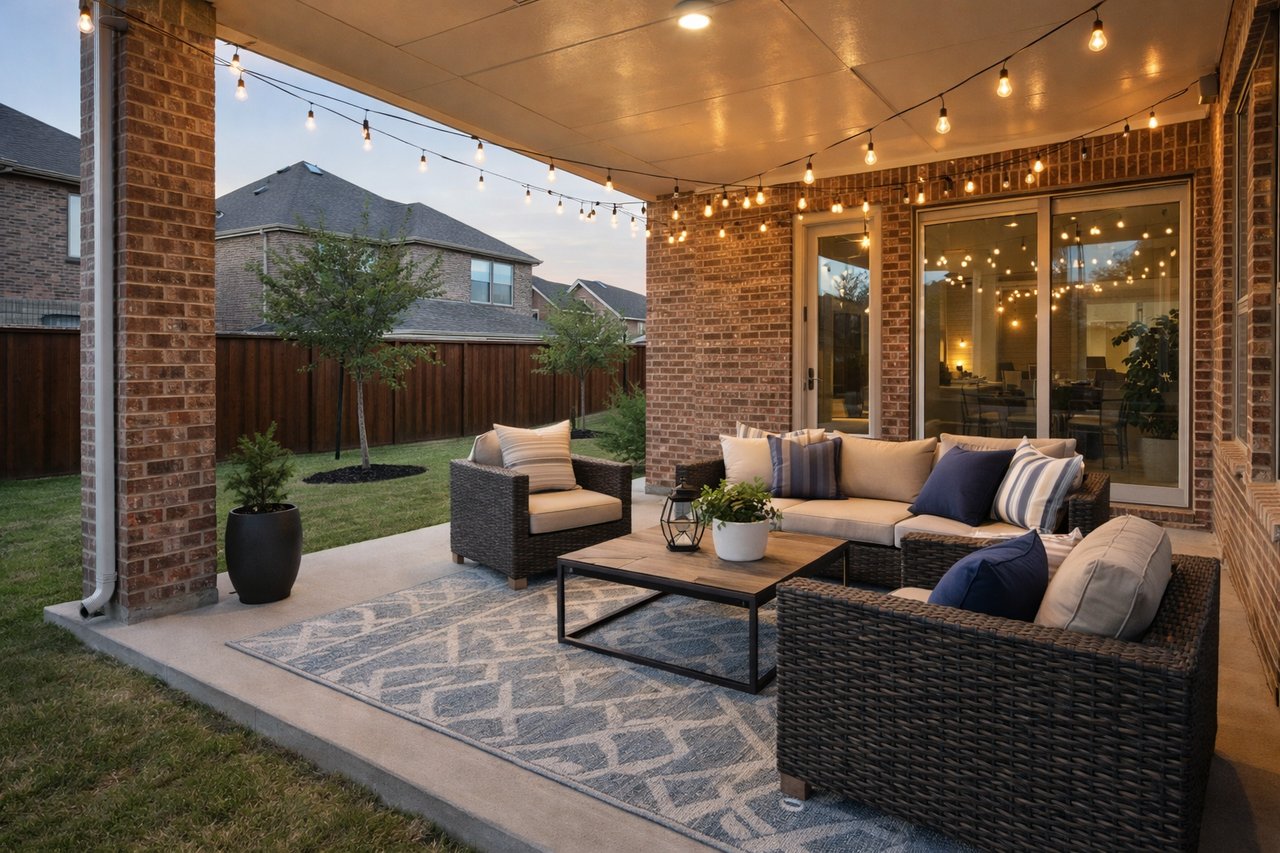
A home with a beautiful covered patio shouldn't simply say "covered patio."
Show how the space connects to the house.
A property near walking trails should help buyers understand that convenience.
A home with a private backyard should communicate the sense of separation it offers.
We're not just selling a list of features.
We're helping buyers imagine how they would spend their time.
But buyers need to recognize those advantages.
We can't assume they'll automatically assign the same value to them that the seller does.
A Finished Home Can Be a Major Advantage
One of my favorite things about resale properties is that buyers can see what they're getting.
The landscaping is there.
The patio is there.
The pool is there.
The neighborhood is largely established.
They're not necessarily waiting for construction to finish around them.
That's worth communicating.
But we still have to be realistic about the competition.
If a builder is offering incentives or financing promotions, those may influence a buyer's comparison.
The resale home needs to make a compelling case based on its complete value, not simply its asking price.
Condition Creates Confidence, or Questions
Here's something sellers sometimes underestimate.
A buyer notices a small repair.
Then another.
Then another.
A door that doesn't close properly.
A dripping faucet.
Peeling paint.
Worn carpet.
An exterior that needs attention.
Individually, these may be inexpensive fixes.
Collectively, they can create a much bigger concern.
The buyer starts wondering what else hasn't been maintained.
That's where perception becomes expensive.
A $200 repair can create thousands of dollars of uncertainty in a buyer's mind.
I'm not suggesting every seller needs to renovate before listing.
Quite the opposite.
I generally prefer targeted preparation over unnecessary remodeling.
But I do want buyers to walk through a home feeling confident that it has been cared for.
And sometimes that confidence is worth more than a costly cosmetic upgrade.
Price Changes How Buyers See Your Home
Price isn't just a number attached to the listing.
It's part of the buyer's first impression.
Imagine a buyer looking at three McKinney homes.
One is listed at $625,000.
Another at $650,000.
The third at $675,000.
The buyer naturally expects something more from the higher-priced property.
Maybe it's a better location.
A larger lot.
More updates.
A pool.
A more functional floor plan.
If the differences aren't apparent, the higher-priced home may start looking less attractive.
That's why pricing needs to be based on current competition as well as recent sales.
A seller may believe their home is worth a particular amount because a similar property sold for that price six months ago.
But today's buyer is comparing it with what's available right now.
Recent sales help establish value. Active listings help us understand the choices buyers have today.
Both matter.
Don't Confuse Expensive Improvements With Buyer Value
I see this frequently.
A seller has spent $75,000 on improvements and naturally expects to recover that money.
Sometimes those improvements make a meaningful difference in market value.
Sometimes they improve marketability without adding an equivalent dollar amount.
And sometimes they're simply personal preferences.
A highly customized media room might be perfect for one buyer and unnecessary for another.
An elaborate built-in office may appeal to someone who works from home but limit how another buyer imagines using the room.
A pool may be a major attraction for one buyer and a maintenance consideration for another.
That doesn't mean those improvements were mistakes.
It means the market doesn't necessarily reimburse homeowners dollar for dollar.
The question isn't what something cost.
It's how much buyers are willing to pay for it today.
The First Two Weeks Tell Us a Lot
When I launch a listing, I'm paying close attention to the market's response.
Are buyers viewing the property online?
Are they saving it?
Are agents scheduling showings?
Are we receiving feedback?
Are buyers returning for second visits?
Are there offers?
If we're getting strong online activity but very few showings, I want to understand why.
If we're getting showings but no offers, that's a different conversation.
Maybe buyers are reacting to condition.
Maybe the layout isn't meeting expectations.
Maybe they're finding better value elsewhere.
Maybe pricing is the issue.
It's important not to panic over a few quiet days.
But it's equally important not to ignore what the market is telling us.
I believe sellers deserve a thoughtful explanation of what's happening, not simply a phone call suggesting a price reduction.
What I'd Do If This Were My Own McKinney Home
Before putting my home on the market, I'd do something that might surprise people.
I'd go shopping.
Not for furniture.
For competing houses.
I'd look at the homes a buyer would realistically consider instead of mine.
Not just the ones on my street.
I'd include nearby neighborhoods and, where appropriate, new construction.
I'd look at the photographs.
I'd tour the properties.
I'd compare the floor plans.
I'd examine the condition.
I'd ask what each home offers that mine doesn't.
Then I'd reverse the question.
What does my home offer that those properties can't?
Maybe it's the mature trees.
Maybe it's the finished backyard.
Maybe it's the location.
Maybe it's the floor plan.
Maybe it's the privacy.
Whatever those advantages are, I'd make sure buyers could recognize them immediately.
Then I'd focus my preparation on the things most likely to distract from those strengths.
Fresh paint where needed.
Minor repairs.
Clean windows.
Thoughtful staging.
Professional photography.
A clear pricing strategy.
And marketing that tells a specific story about the property.
I wouldn't spend money simply to make the house look newer.
I'd spend money to make it more appealing to the buyers most likely to appreciate it.
The Biggest Mistake McKinney Sellers Can Make
I don't think the biggest mistake is necessarily overpricing.
Or failing to stage.
Or using poor photographs.
Those can certainly hurt a sale.
But I think the bigger mistake is assuming buyers will see the home the same way the seller does.
They won't.
They don't have your memories.
They don't know what you've invested.
They don't know why you chose the finishes.
They haven't experienced the neighborhood the way you have.
They're comparing possibilities.
And the home that makes the most sense to them may not be the one with the most features or the highest original cost.
That's why successful selling starts with understanding the buyer.
Not just understanding the house.
Helping Buyers See What Makes Your McKinney Home Special
McKinney has an unusually broad selection of housing, and that's one of the things that makes the city appealing.
But it also means sellers need to be thoughtful about positioning.
An established Stonebridge Ranch home shouldn't necessarily be marketed the same way as a newer property in Painted Tree.
A beautifully renovated home near Downtown McKinney has a different story from a new construction property in northern McKinney.
The right approach depends on the property, the competition and the buyer most likely to appreciate what the home offers.
That's where I come back to the Three L's.
Location. Livability. Lifestyle.
They help buyers decide where they want to live.
And they help sellers understand what makes their property valuable.
If you're considering selling your McKinney home, I'd start by looking at it through a buyer's eyes.
We'll evaluate the current competition, identify the home's strongest advantages and develop a strategy that helps buyers recognize its value.
Because the goal isn't simply to show buyers everything your home has.
It's to help them understand why they should choose yours.

For your next step, review a practical home-preparation plan. Let’s talk about your home and selling timeline before you decide what to tackle first.