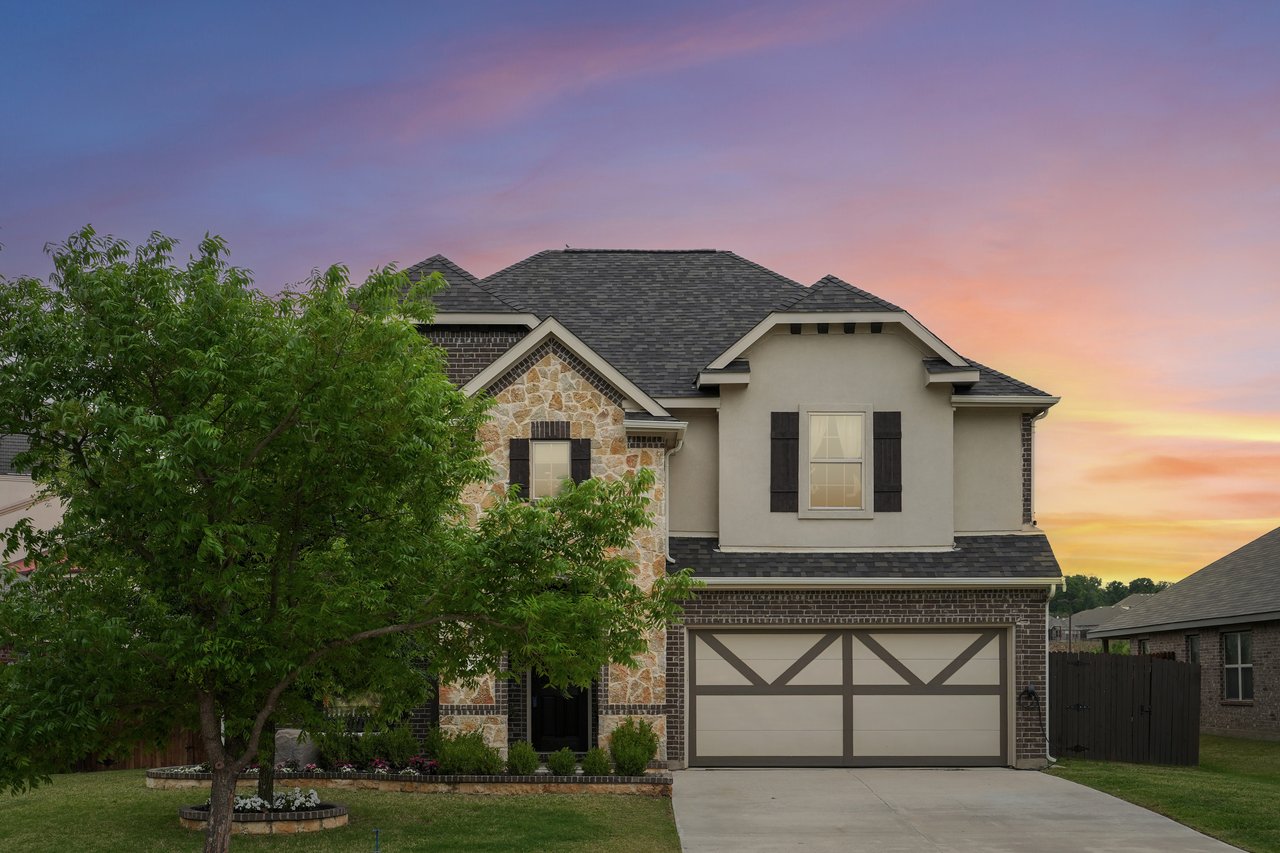
Every first-time buyer has a wishlist. Some are simple. Some look like they came straight out of a home design show. And while it’s great to know what you want, the real challenge is knowing what actually matters once you’re out looking at real homes in the real world.
A good wishlist should guide you, not overwhelm you. It should help you make confident decisions instead of chasing “perfect” homes that don’t exist.
Here’s how to build a wishlist that actually works, especially in the North Dallas market.
1. Start With Your Lifestyle, Not the House
Before you think about features, think about how you live.
Ask yourself:
• How do I spend my mornings?
• Do I cook a lot or eat out?
• Do I need quiet space for work?
• Do I host friends or prefer low-key evenings?
• Do I value walkability or prefer a quiet street?
Your lifestyle drives your needs more than any design trend.
2. Separate “Non-Negotiables” From “Nice-to-Haves”
This is where most buyers get stuck.
Non-negotiables are the things that affect your daily life or long-term comfort.
Nice-to-haves are the features that make the home feel even better, but won’t derail your life if they’re missing.
Examples of non-negotiables:
• Commute time that fits your routine
• Bedroom count for your household
• A monthly payment you’re comfortable with
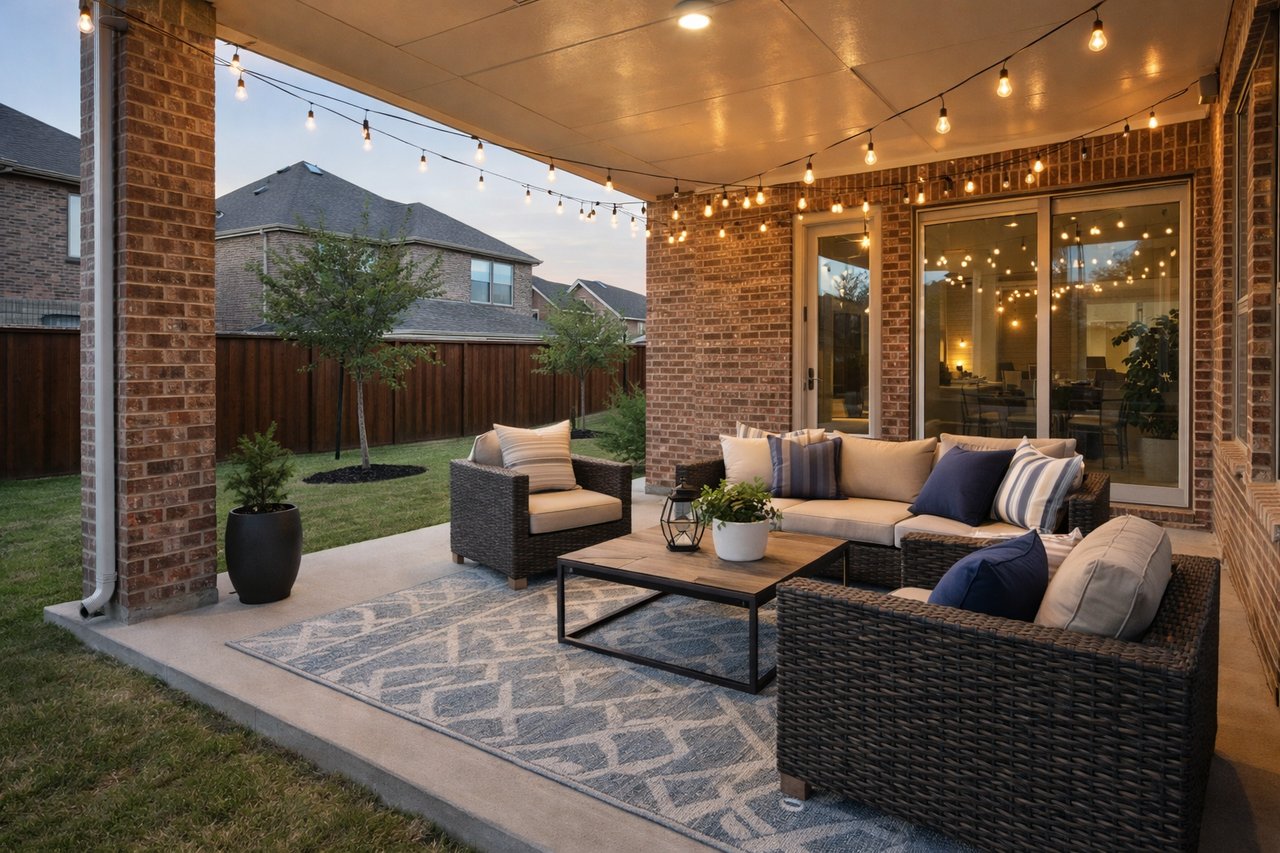
• A yard for pets or kids
• A floor plan that works for your lifestyle
Examples of nice-to-haves:
• High-end finishes
• Extra square footage
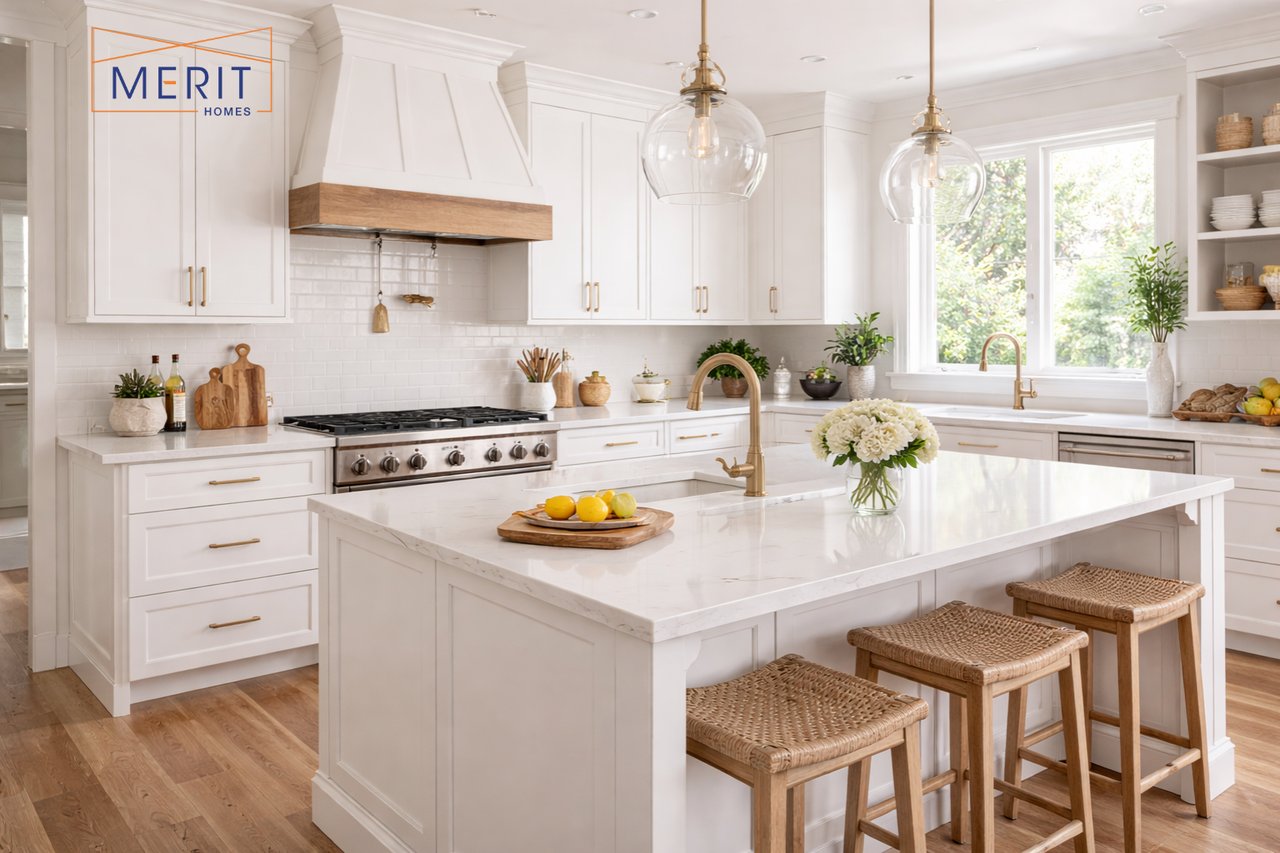
• A specific style of kitchen
• A bigger pantry
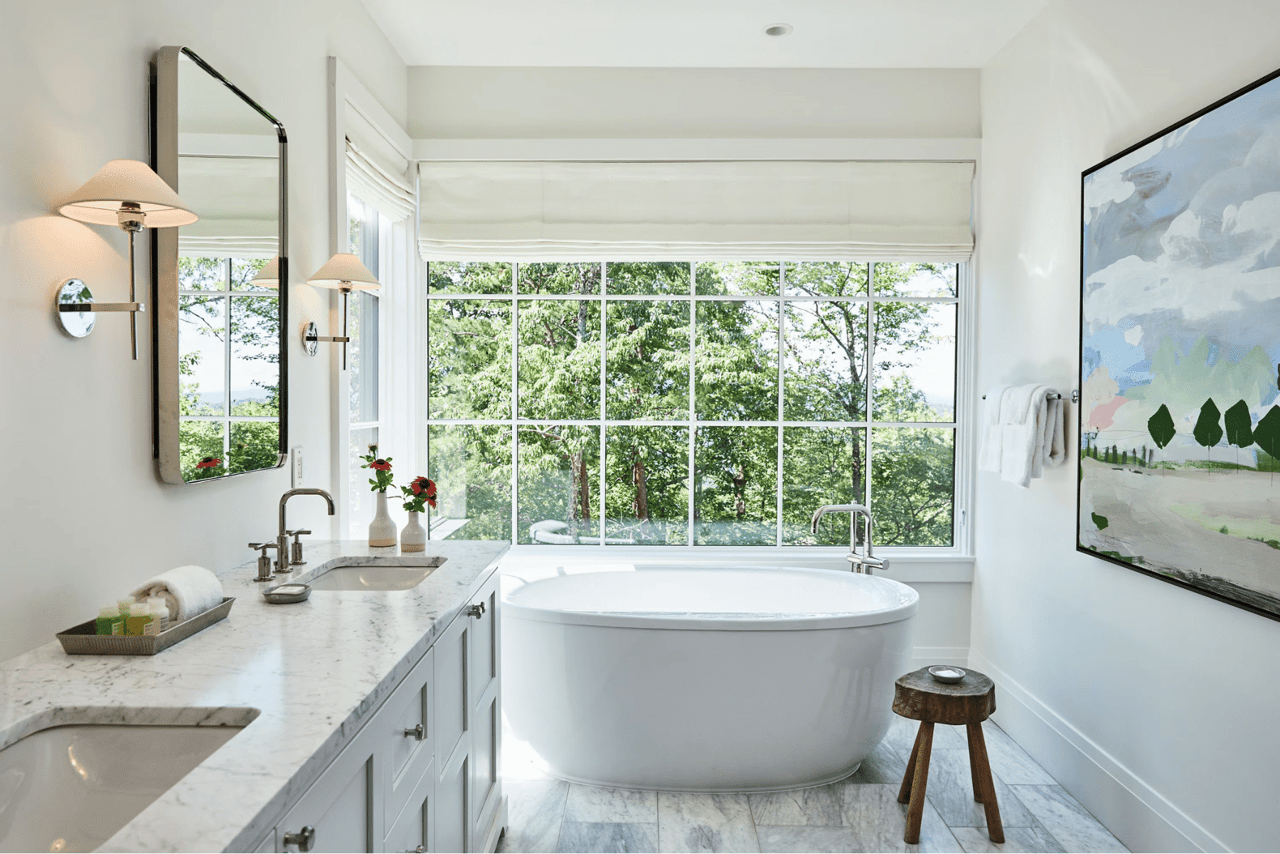
• A soaking tub
When buyers blur these categories, stress goes up fast. When the categories are clear, decisions get much easier.
3. Think in Terms of Problems Solved, Not Features Found
Instead of asking, “Does this home have XYZ feature,” ask:
“Does this home solve the problems I want solved?”
Maybe you want:
• More space than your apartment
• Predictable monthly payments
• A yard
• An easier commute
• A quiet neighborhood
• Better school options
Features are nice.
Solutions change your life.
4. Consider How Long You Plan to Stay
A home that’s perfect for two years may not work for seven.
A home that feels slightly big now might fit your future perfectly later.
Think about:
• Job stability
• Family plans
• Remote work
• Lifestyle changes
• Possible resale timing
Your timeline helps determine which wishlist items truly matter.
5. Focus on the Stuff You Can’t Change
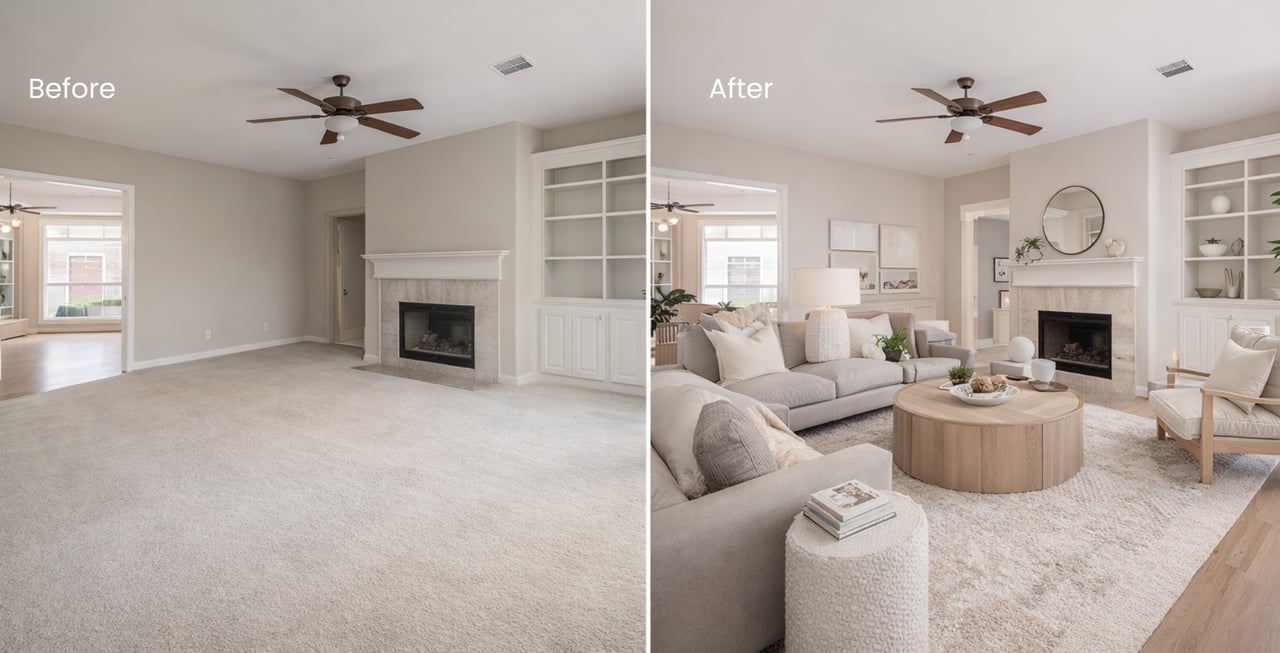
You can change paint, counters, flooring, fixtures, cabinets, landscaping, and even layouts.
What you can’t easily change:
• Location
• Lot size
• Street position
• School district
• Natural light direction
• Neighborhood feel
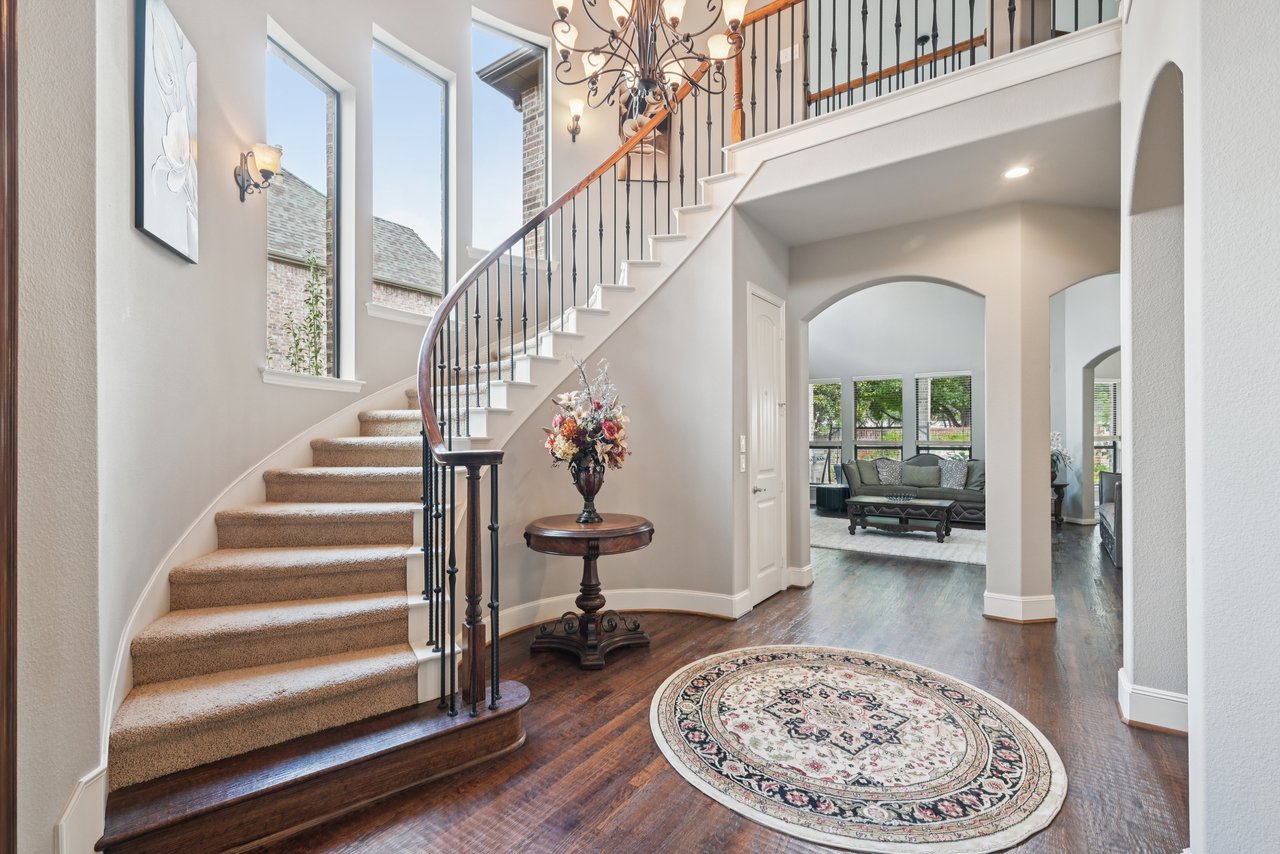
• Floor plan flow
A wishlist that prioritizes the unchangeable elements will age well over time.
6. Leave Space for Reality and Flexibility
Sometimes the home you fall in love with isn’t the one you pictured.
That’s normal.
Real homes have quirks. Real neighborhoods have trade-offs. Real budgets have limits.
A good wishlist keeps you grounded but flexible.
It helps you adapt without losing sight of what truly matters.
7. Share Your Wishlist With Your Agent Early
Your agent doesn’t just need your wishlist.
They need the why behind it.
When I understand your priorities, your concerns, and your lifestyle, I can help you refine your list and avoid chasing homes that look great online but fall apart in person.
A clear wishlist doesn’t just help you shop. It helps your agent guide you toward homes that genuinely fit your life.
The Bottom Line
A home wishlist becomes powerful when it’s rooted in your real needs, your lifestyle, and your long-term goals. When it’s thoughtful instead of overwhelming. When it’s flexible instead of rigid.
If you’re buying your first home in 2026, I can help you build a wishlist that actually supports the search, not complicates it. You don’t have to figure it out alone.