
It Always Starts the Same Way
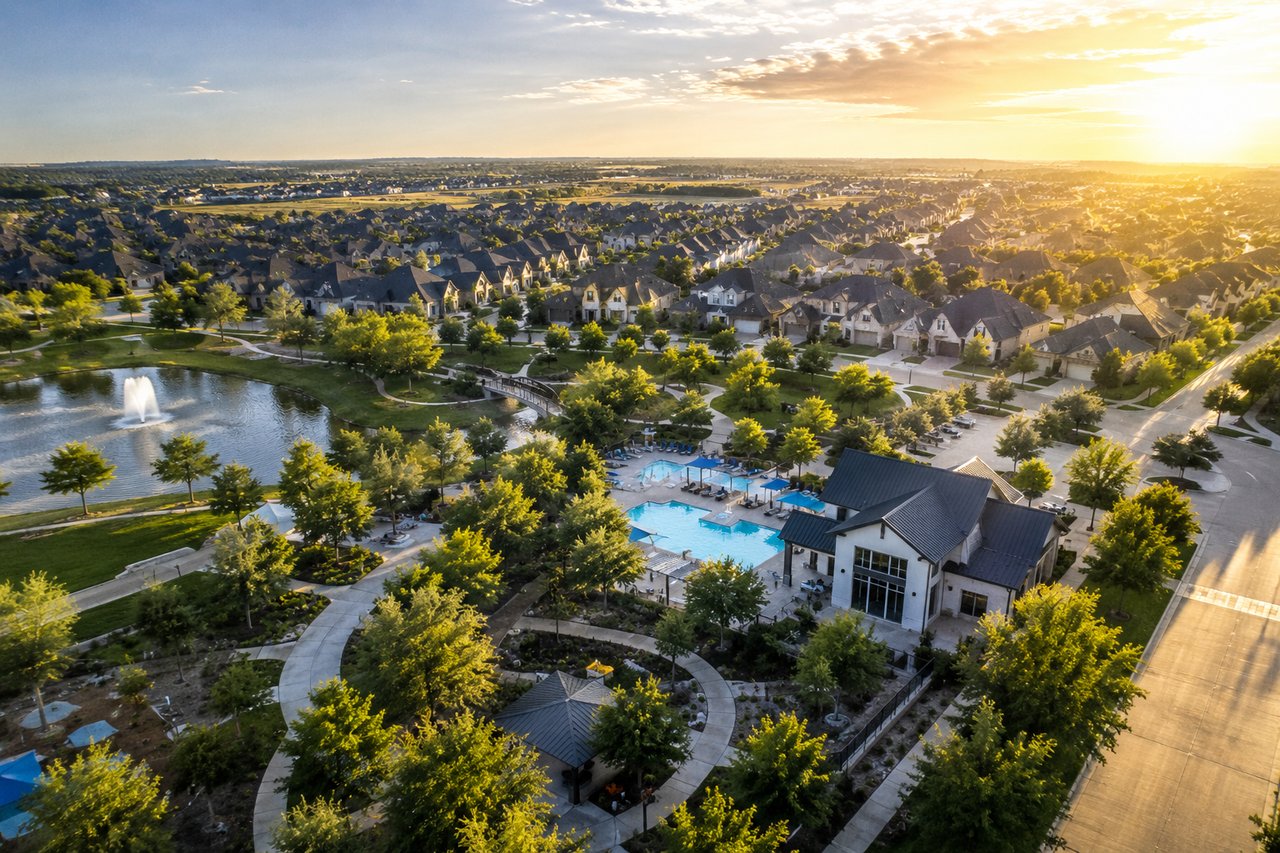
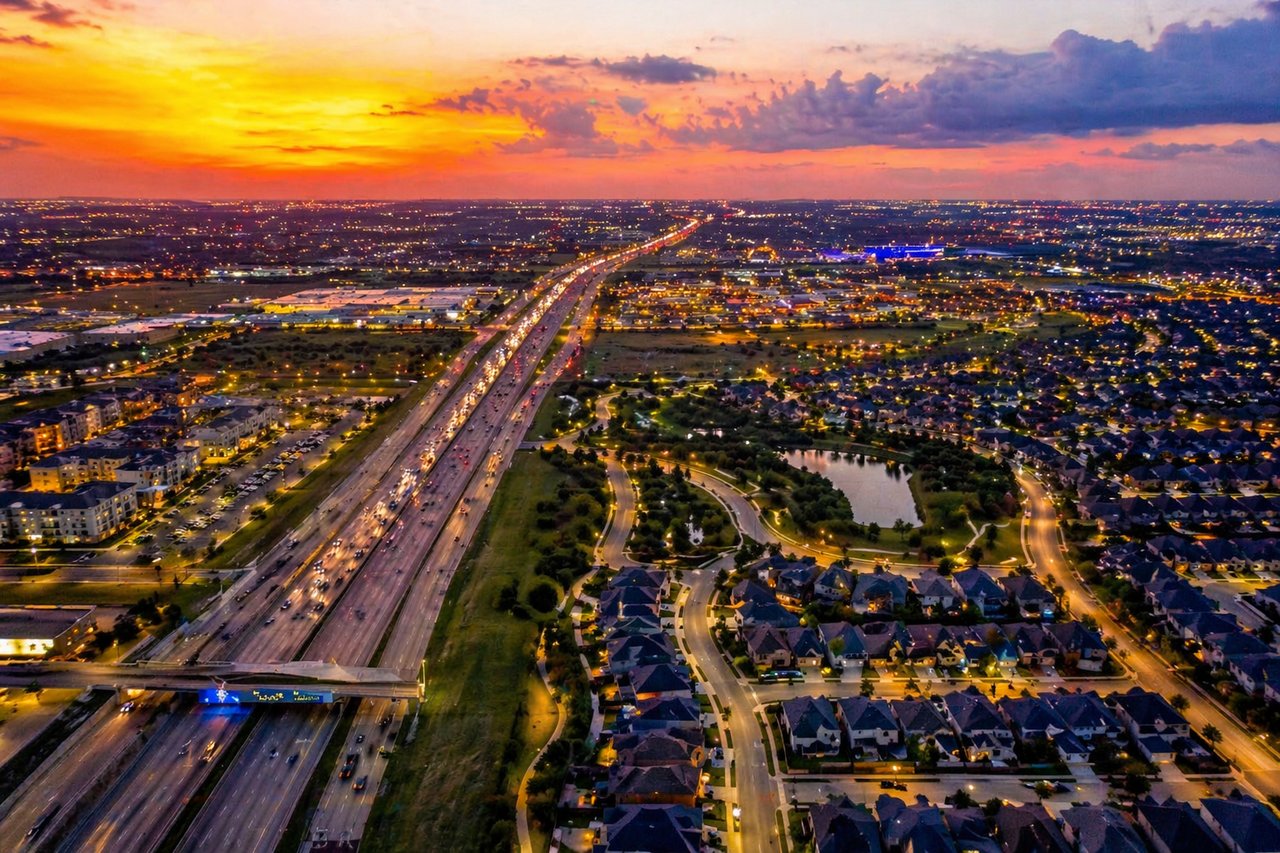
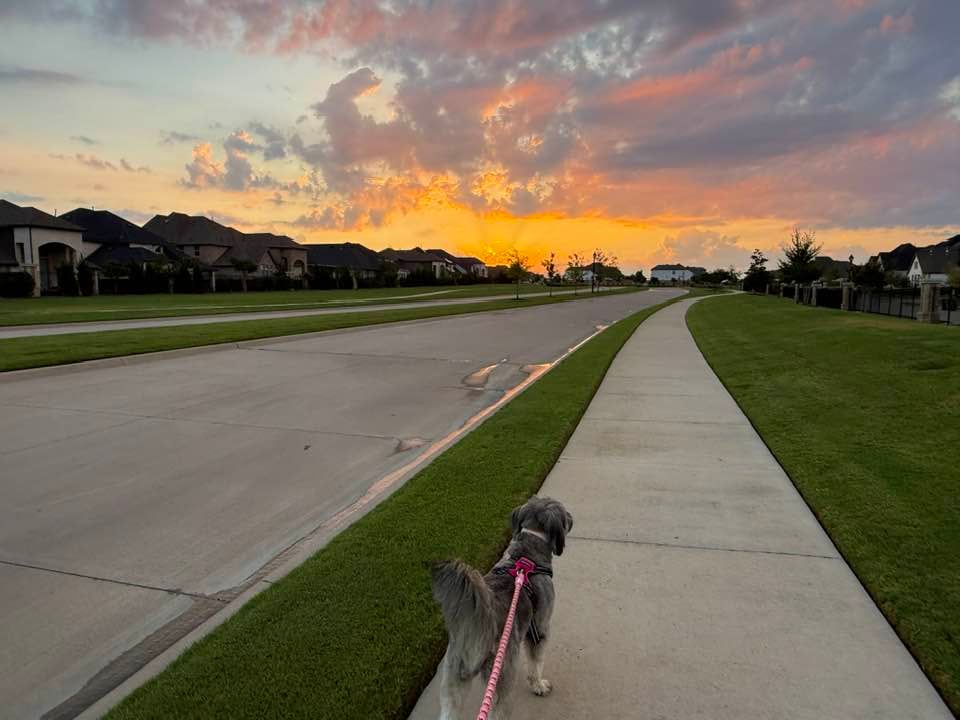
Every year, somewhere between the last cold front and the first truly warm weekend, North Dallas neighborhoods begin to shift.
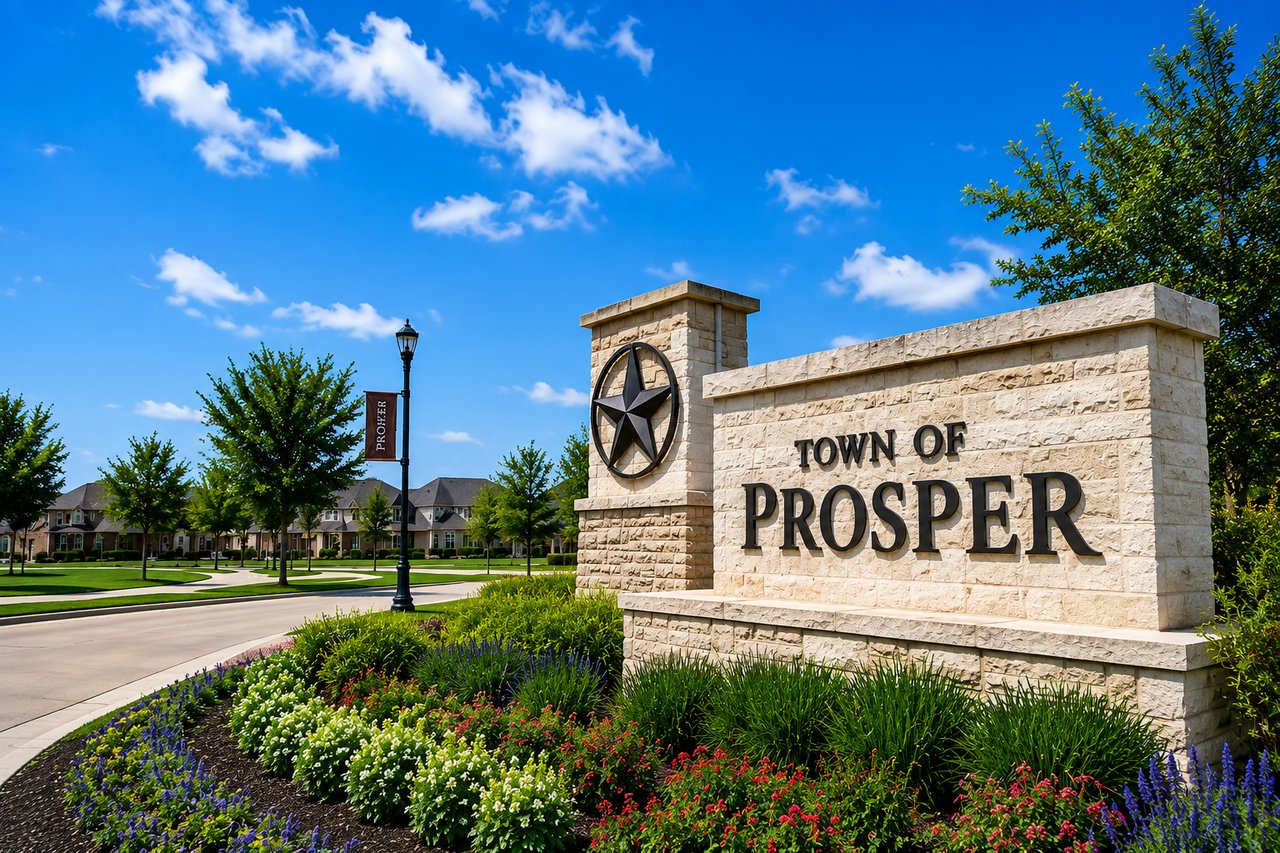
You notice it driving through Prosper or Frisco first. A yard that looked quiet a week ago suddenly has fresh mulch. Someone is out early on a Saturday morning planting flowers. Lawns that were dormant just days before start hinting at green.
It happens gradually, then all at once.
Spring has a way of pulling people back outside.
And with it comes a familiar question, one that seems simple until you’ve lived here long enough to know better.
What actually grows well here?
North Texas Doesn’t Play by the Same Rules
If you are new to planting in this area, the learning curve can be a little surprising.
The soil is heavier than expected. The sun is stronger than it looks in March. Rain comes in bursts, then disappears for a stretch just when you thought you could rely on it.
And then there are the rabbits.
They tend to show up right after you’ve planted something you were excited about.
There’s a quiet understanding among homeowners in Celina and McKinney that spring planting is not just about picking what looks good at the nursery. It is about learning what can handle this environment.
“Spring planting here is less about perfection and more about figuring out what holds up.”
What You Start to Notice Over Time
After a couple of seasons, patterns begin to emerge.
You start to recognize the plants that seem to thrive in neighborhood after neighborhood. The ones that don’t just survive, but actually look like they belong here.
Lantana spilling over a border. Salvia adding color without demanding much attention. Black-eyed Susans that seem to come back stronger each year.
They’re not flashy in the way a nursery display might be, but they’re reliable. And in North Texas, reliability tends to win.
The Quiet Battle With Rabbits
It doesn’t take long before most homeowners have a story about something that disappeared overnight.
A fresh row of flowers. A small plant that never had a chance. A carefully planned bed that suddenly looks… incomplete.
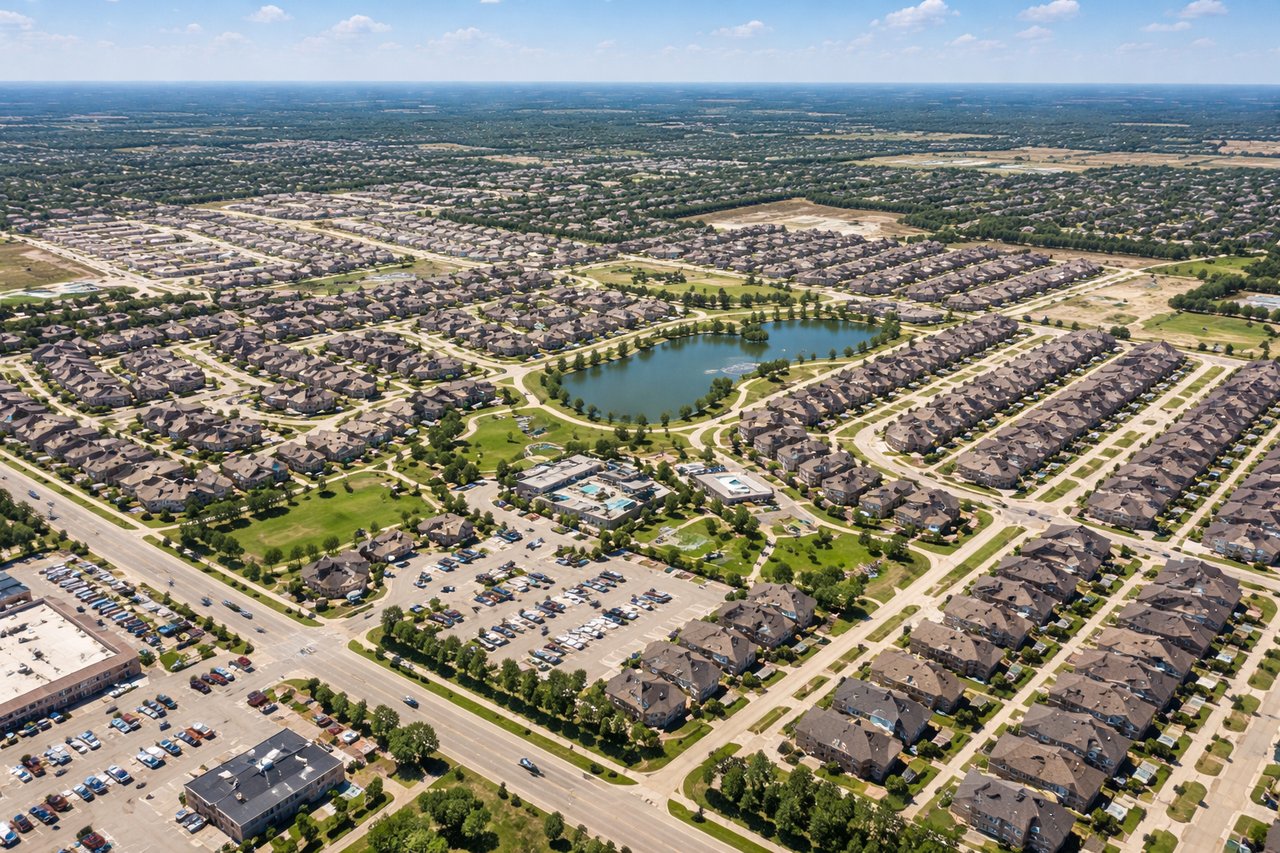
Rabbits are part of the landscape here, especially in newer communities where open land still surrounds neighborhoods.
Over time, people adapt.
They lean toward plants that are less appealing, things like lavender, rosemary, marigolds, and yarrow. Plants with stronger scents or textures that rabbits tend to avoid.
It’s not a guarantee, but it shifts the odds in your favor.
And in most neighborhoods, you can tell who has figured that out and who is still experimenting.
Lawns Take Their Time
There is always a moment in early spring when people wonder if their lawn is behind.
It’s not.
In Prosper, Celina, Frisco, and McKinney, most lawns are built to handle heat. Bermuda and St. Augustine don’t rush into spring. They wait until the soil warms up consistently.
Trying to force that process rarely works.
What does work is patience. A little early fertilization, a watchful eye for weeds, and a willingness to let the lawn come back on its own timeline.
By late spring, it almost always does.
Watering Is More Subtle Than It Seems
One of the more common surprises for homeowners is how different watering feels here.
Spring can bring rain, but not always in a predictable way. One week may feel like plenty, the next completely dry.
The instinct is often to water more frequently, just to stay ahead of it.
But over time, most people realize that deeper, less frequent watering tends to produce stronger, more resilient lawns and plants.
It’s less about sticking to a schedule and more about paying attention.
Where Personality Starts to Show Up
If the lawn is about consistency, the flower beds are where things get personal.
This is where you start to see how different homeowners approach the same season.
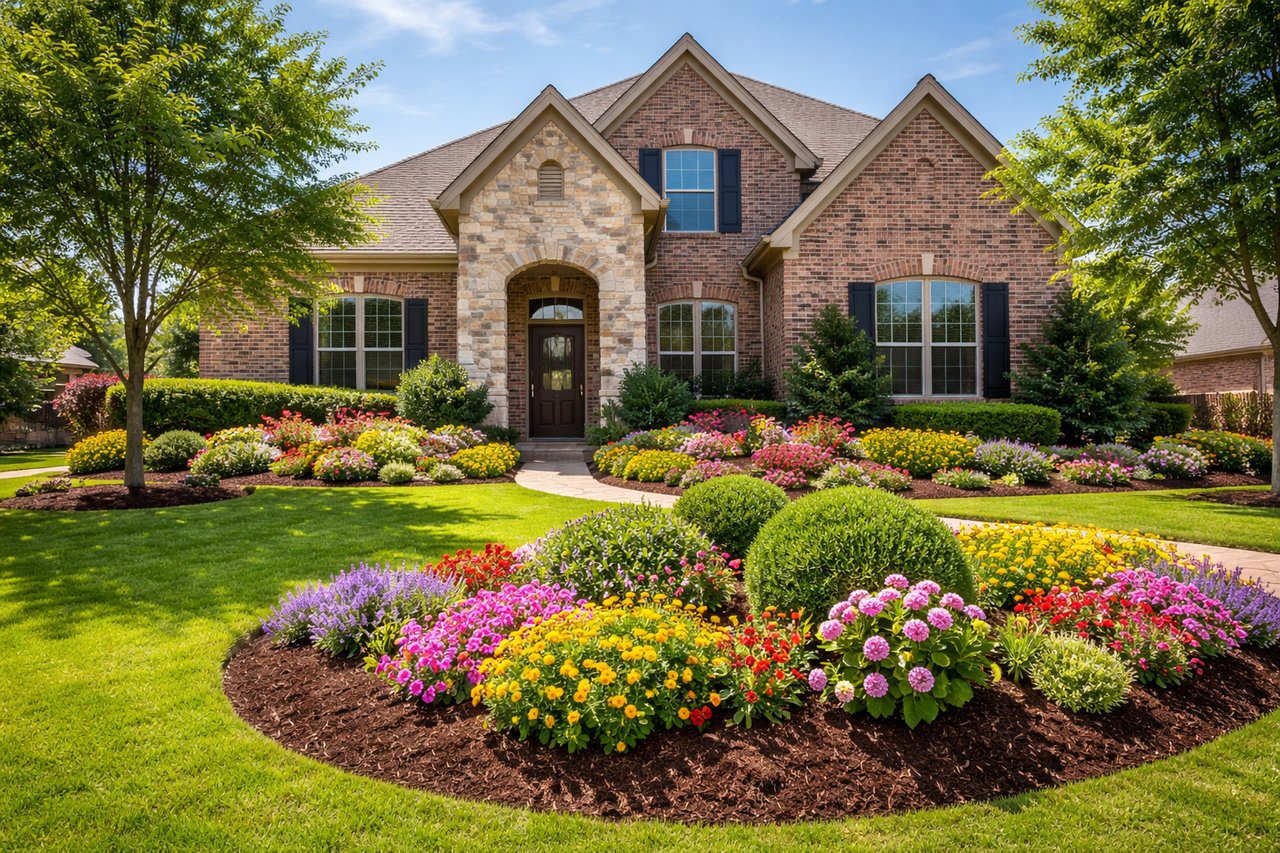
Some go simple. Fresh mulch, a few dependable plants, clean edges.
Others treat it like a reset. New layouts, new colors, maybe even a small redesign.
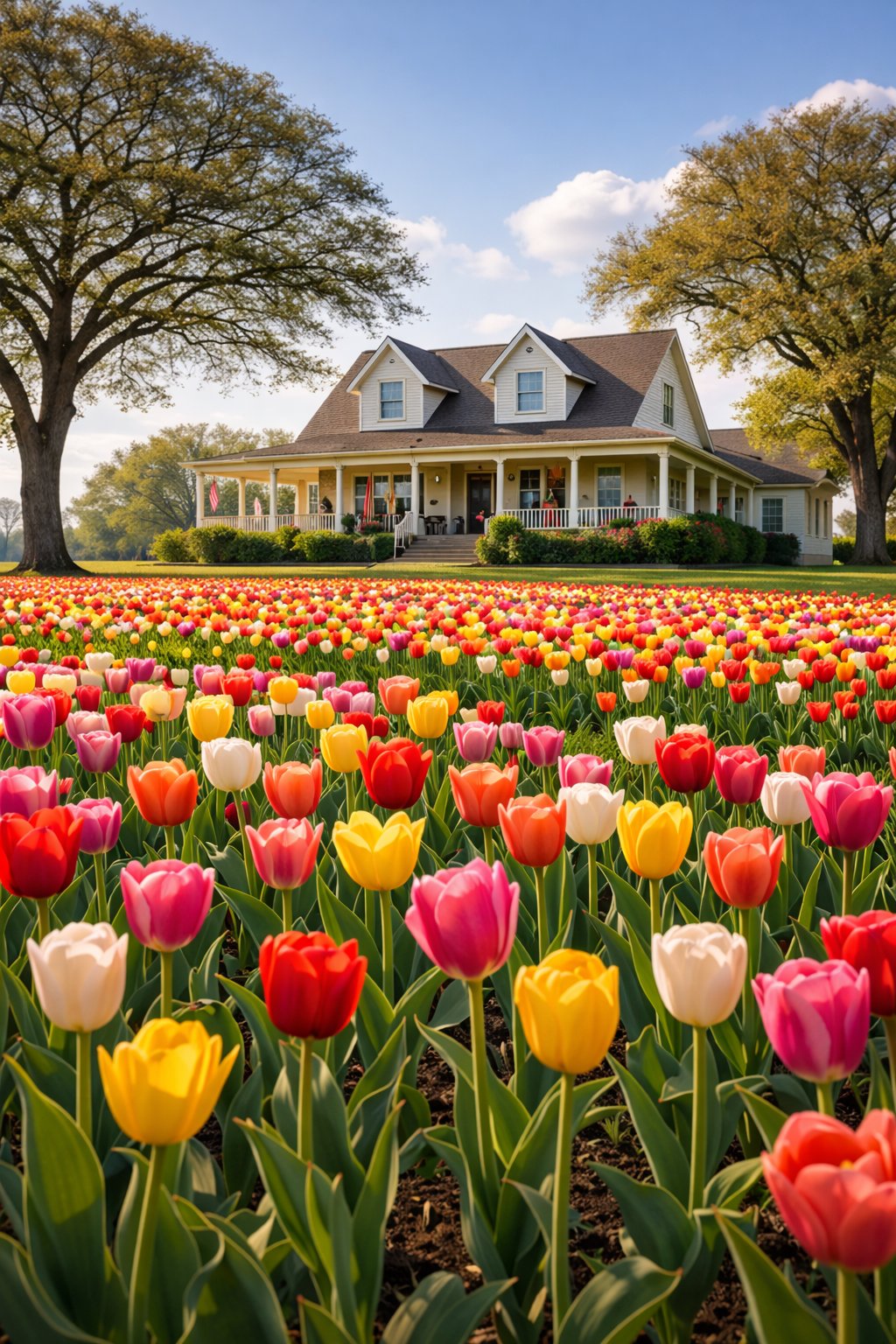
Either way, even small changes have an impact. A refreshed front bed can change how a home feels from the street almost immediately.
One Thing Most People Overlook
Before planting anything, it helps to step back and watch how sunlight actually moves across your yard.
Morning light feels different from late afternoon heat. Areas that seem bright in March may become intense by June.
It’s a small detail, but one that makes a big difference in what ultimately works.
And it’s one of the easiest ways to avoid having to replant later.
How It Spreads Through a Neighborhood
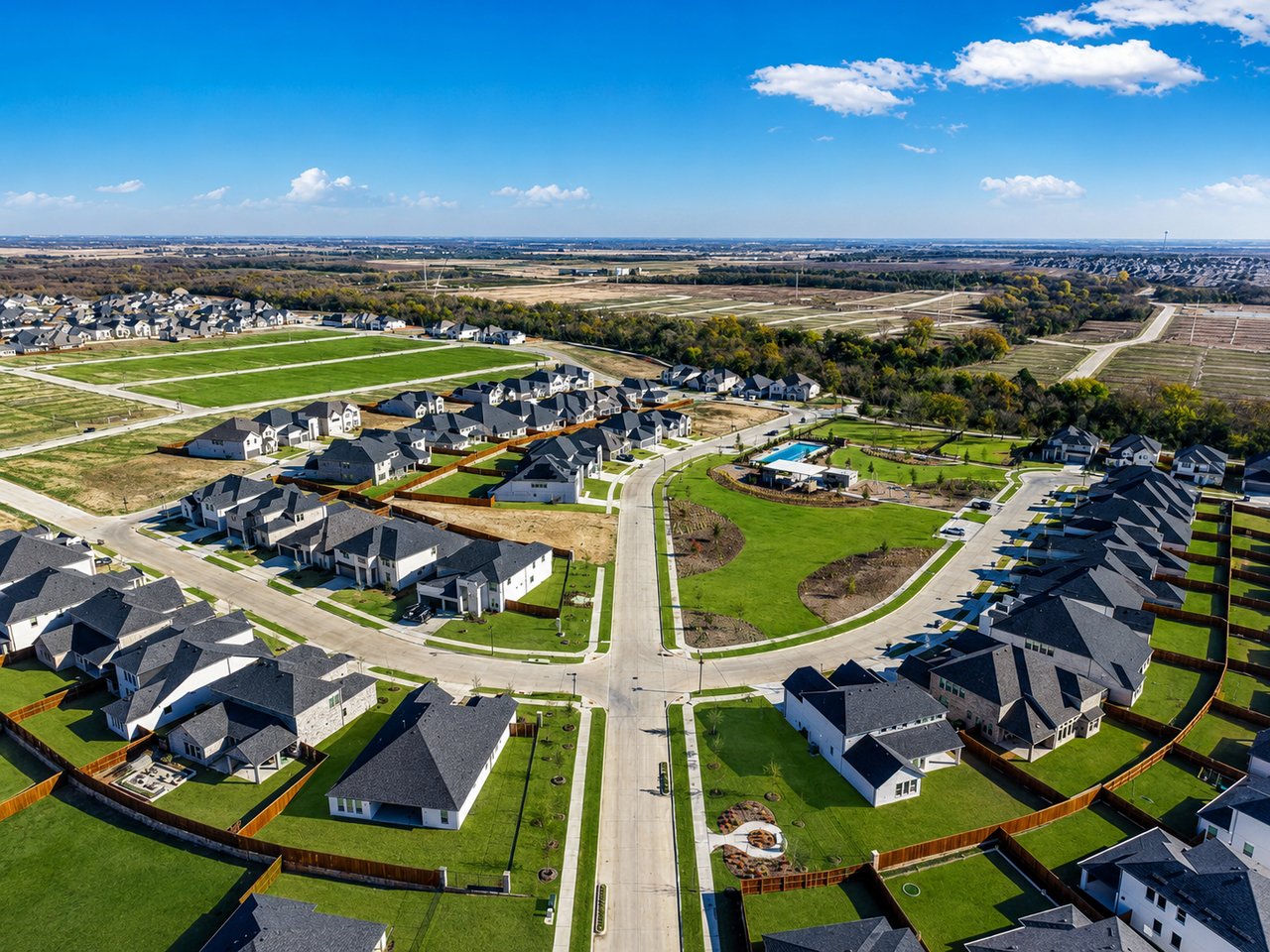
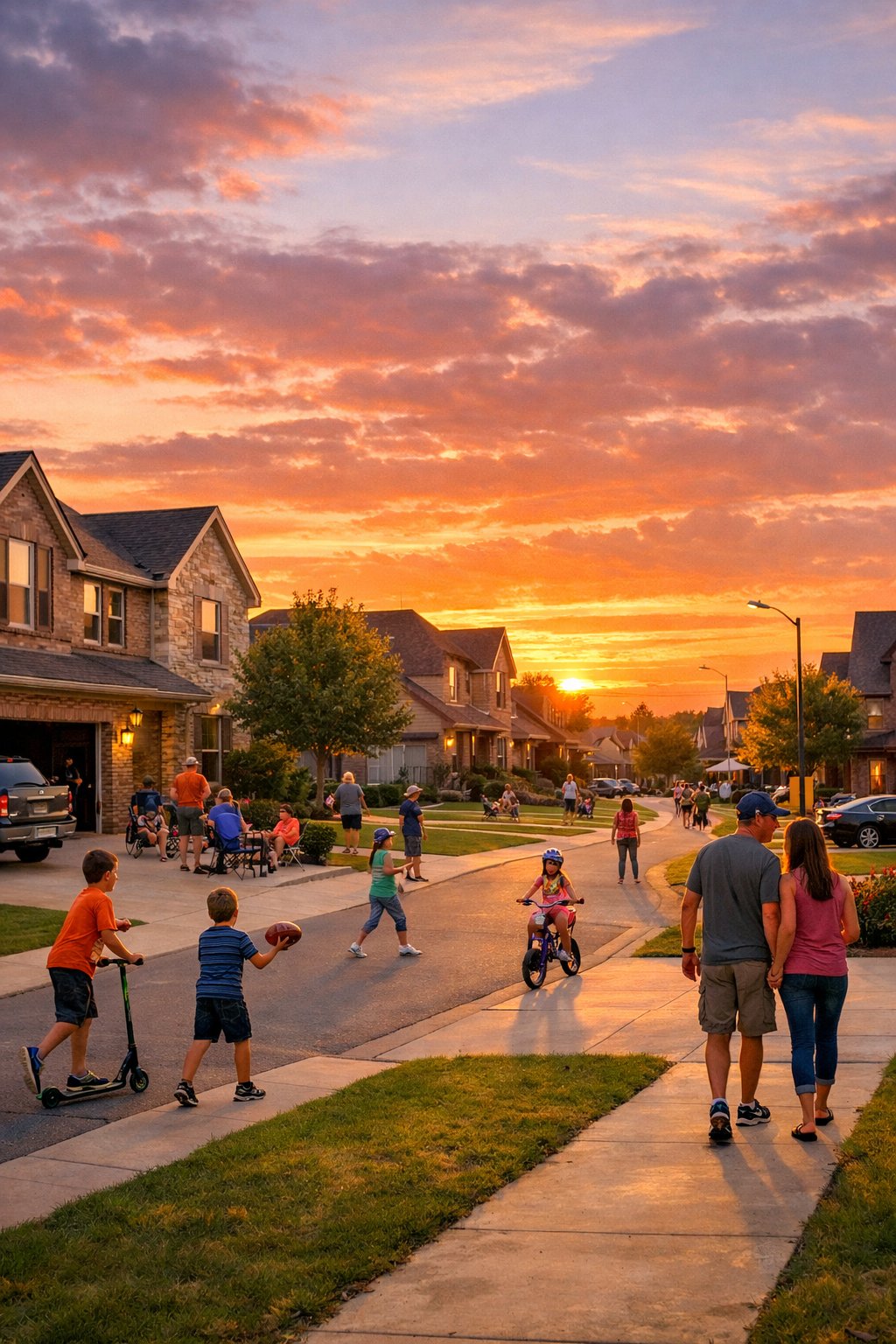
One of the more interesting things about spring in these suburbs is how quickly it becomes collective.
One yard improves, then another. A few homes refresh their landscaping, and suddenly the entire street feels more put together.
It’s not coordinated, but it’s noticeable.
There’s a shared sense that this is the time to reset, to take advantage of the weather while it’s still comfortable, to make small improvements that carry into summer.
More Than Just Planting
These spring projects rarely feel like major undertakings, but they have a way of changing how people experience their homes.
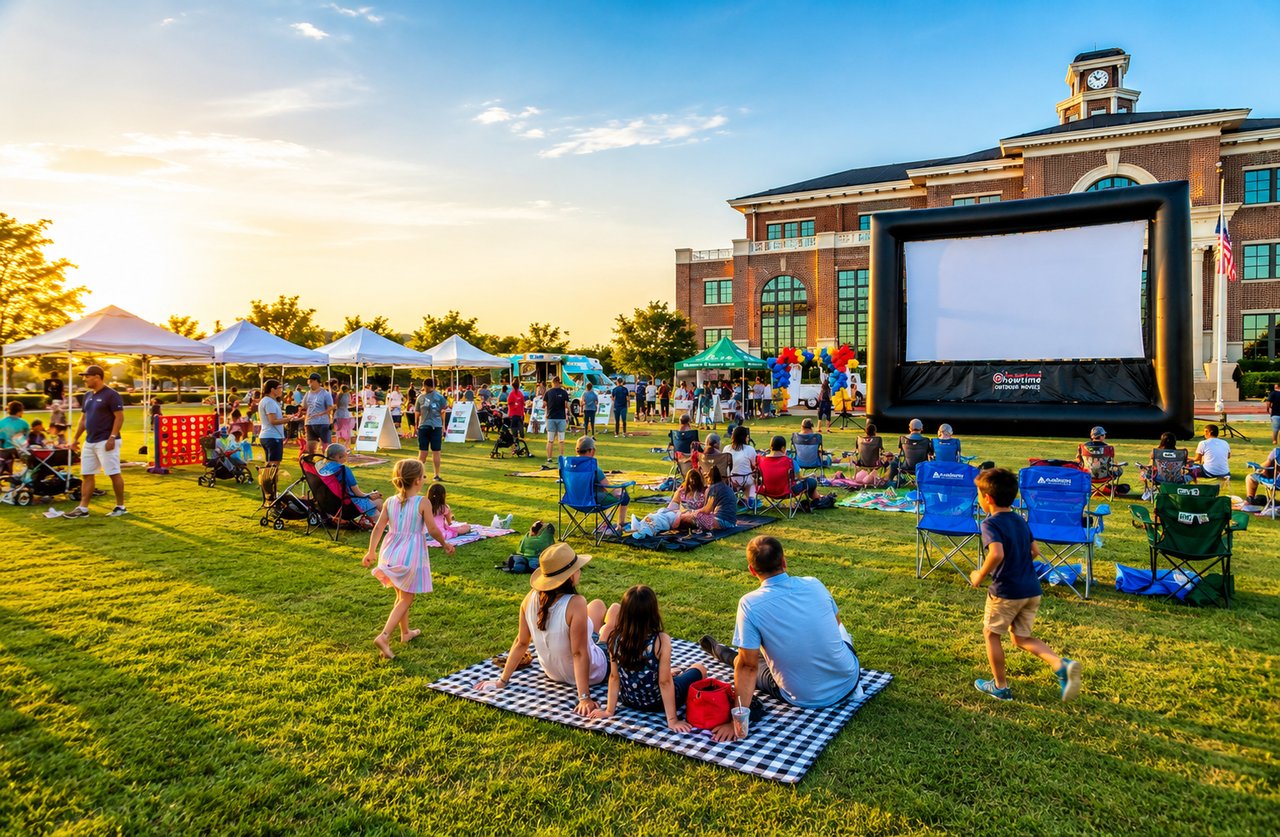
You spend more time outside. You notice your surroundings a little more. The neighborhood feels more active, more connected.
And even small updates start to add up.
Closing Thoughts
Spring planting in North Dallas is never about getting everything exactly right.
It’s about learning the rhythm of the area, figuring out what works over time, and making small changes that gradually shape how your home feels.
As a local REALTOR, I always enjoy seeing how these seasonal updates, even something as simple as a refreshed flower bed or a greener lawn, contribute to the overall feel of a neighborhood and the way people connect to where they live.