What First-Time and New Construction Buyers in Prosper, Celina, Frisco and McKinney Often Discover Too Late

Hidden Costs of Buying a Home in North Texas
The Moment Buyers Realize the Price Isn’t the Price
Almost every first-time buyer has the same experience at some point in the process.
They find the home. The photos look right. The neighborhood feels promising. The price fits their expectations.
Then the details begin to unfold.
Taxes. Insurance. HOA dues. Builder upgrades. Closing costs.
None of these are secrets, but many buyers encounter them for the first time after they have emotionally committed to a house.
Across Prosper, Celina, Frisco and McKinney, this happens more often than people expect.
Property Taxes Are Higher Than Many Buyers Expect
For buyers relocating from other states, the biggest surprise is often property taxes.
Texas does not have a state income tax, so property taxes play a larger role in funding schools and local infrastructure.
In North Dallas suburbs, tax rates can vary significantly depending on:
-
The city
-
School district
-
Community development districts
-
Special improvement districts
Two homes with similar prices can have noticeably different tax obligations depending on where they sit.
This doesn’t mean one is better than the other. It simply means location carries financial context.
MUD and PID Districts in New Communities
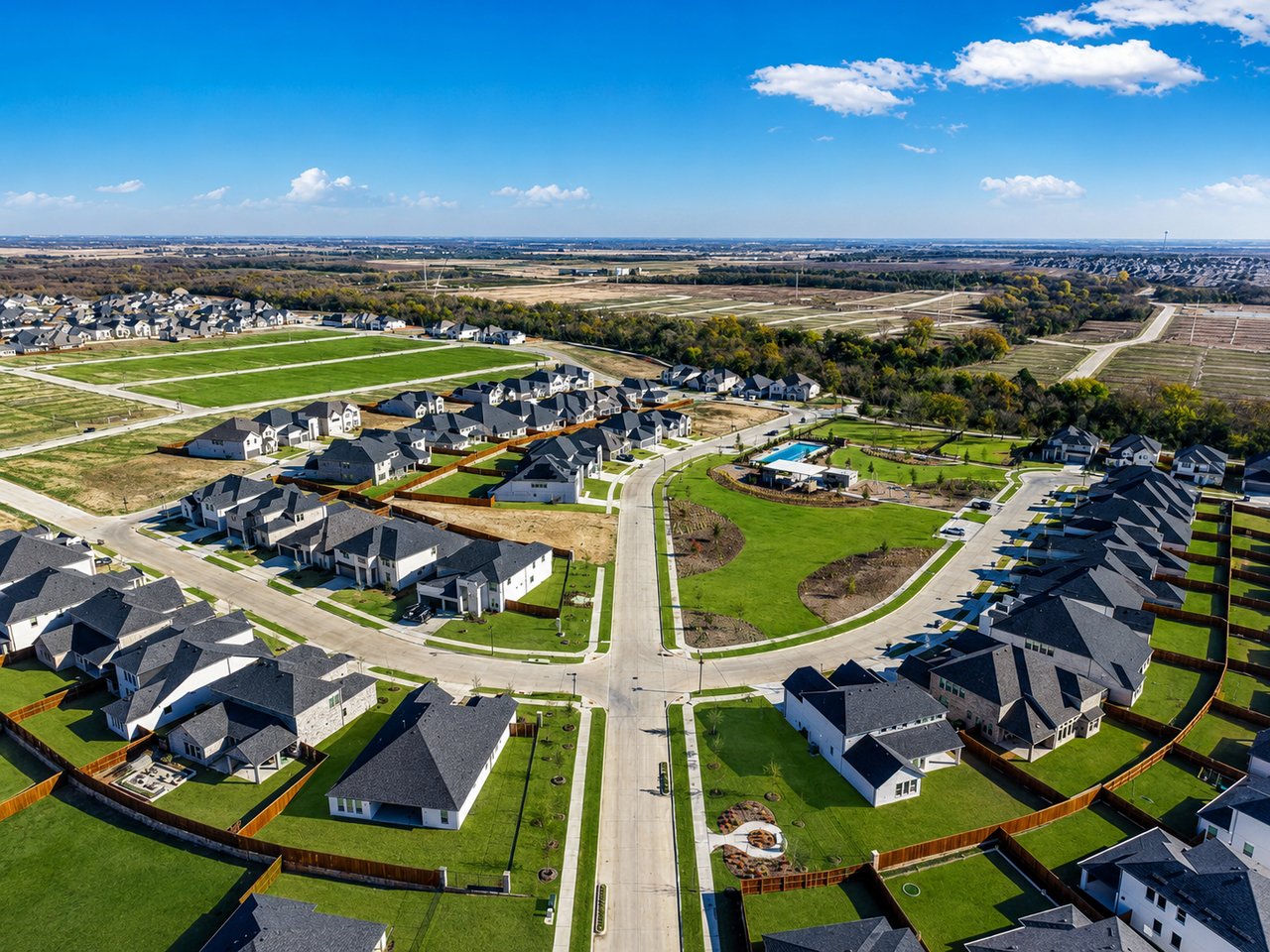
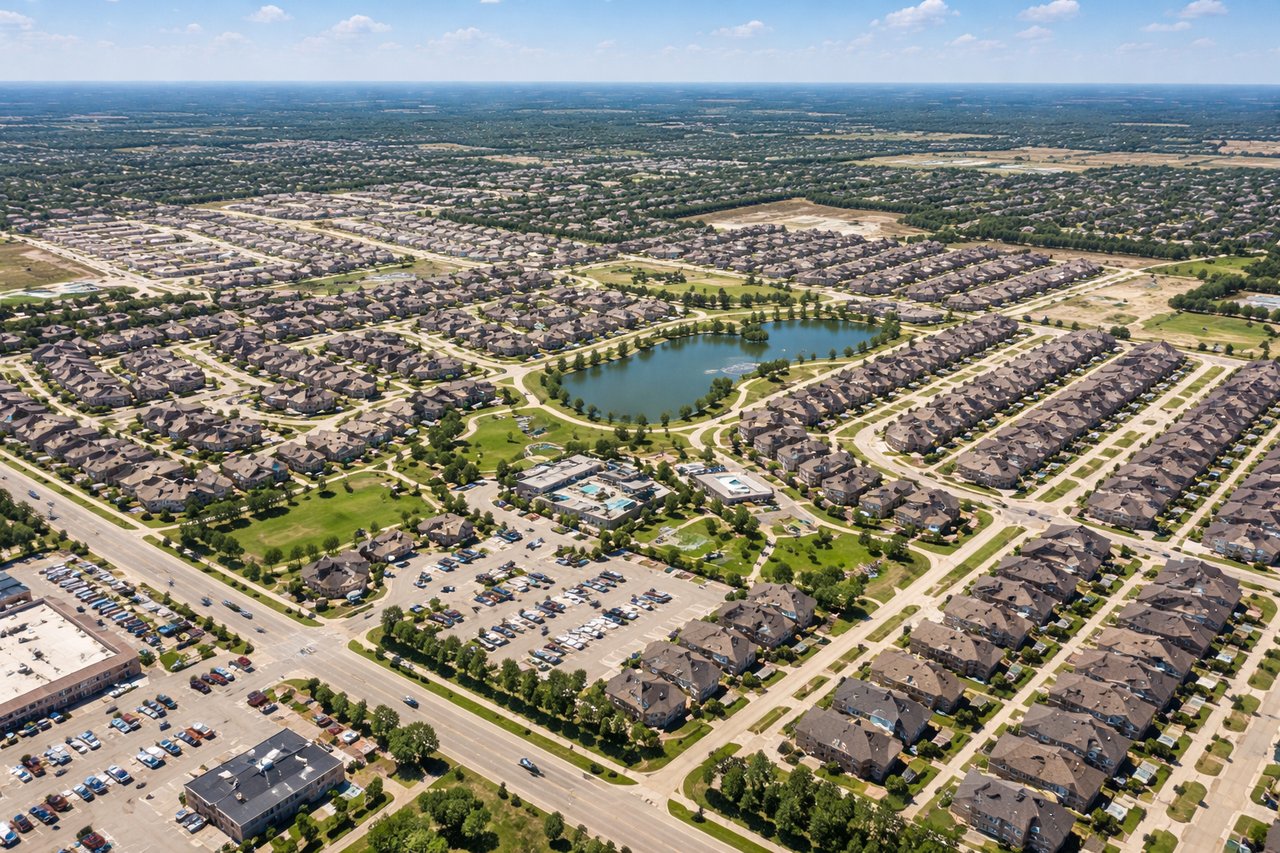
In rapidly growing areas like Prosper and Celina, new neighborhoods often include special districts that help fund infrastructure.
These are commonly called:
-
MUD (Municipal Utility Districts)
-
PID (Public Improvement Districts)
These districts pay for things like:
-
Roads
-
Utilities
-
Drainage systems
-
Community amenities
The benefit is that these communities can develop quickly and offer attractive amenities early.
The tradeoff is that these districts sometimes add additional taxes or assessments that buyers should understand before purchasing.
Many buyers don’t discover this until they are already reviewing paperwork.
HOA Costs in Master-Planned Communities
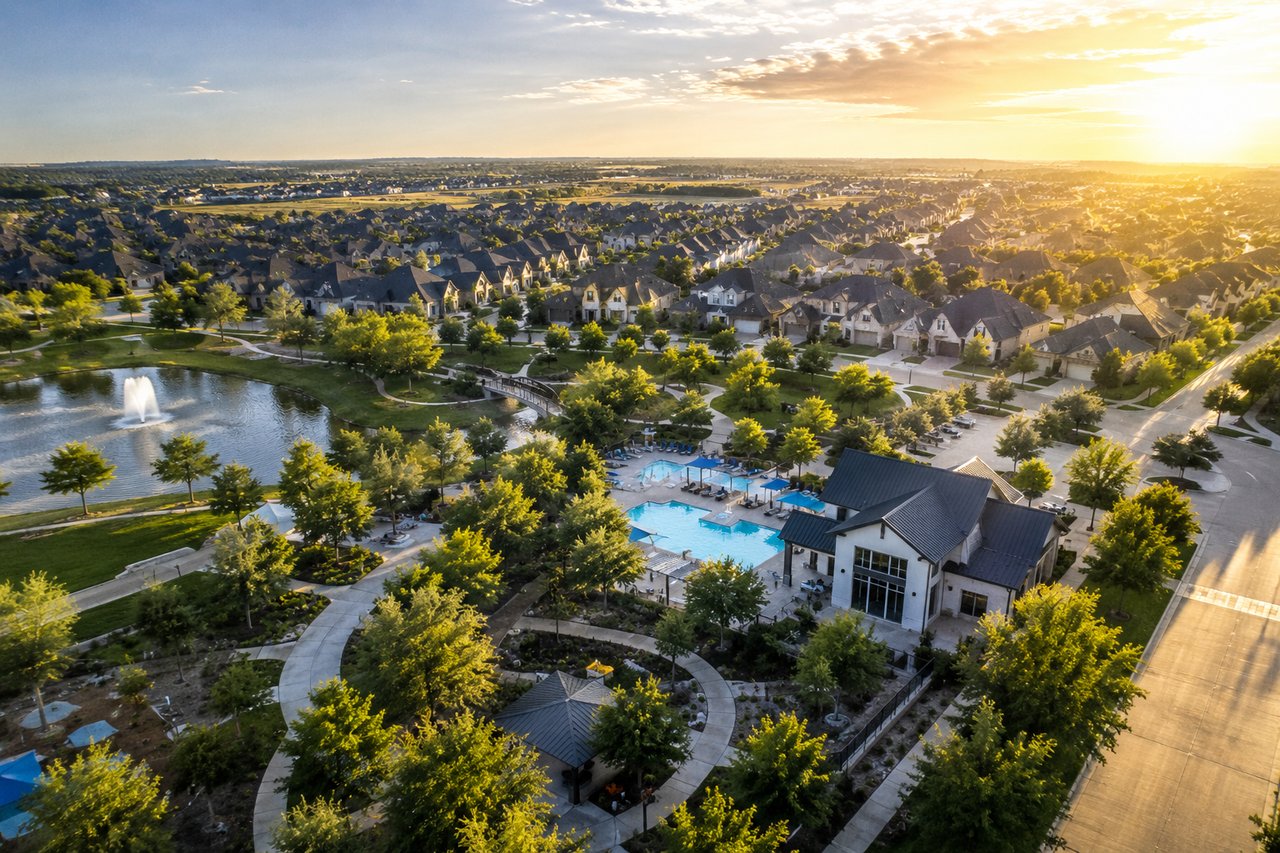
North Dallas suburbs are filled with well-planned neighborhoods with trails, pools and community spaces.
Those amenities are a big part of what attracts people to areas like Frisco and Prosper.
But they come with ongoing HOA dues.
Typical HOA fees may support:
-
Pool maintenance
-
Landscaping of common areas
-
Community events
-
Neighborhood upkeep
Most buyers expect some HOA cost. What surprises them is how much it can vary between communities that look very similar.
The Upgrade Reality in New Construction
Model homes are beautiful for a reason.
Builders design them to showcase possibilities.
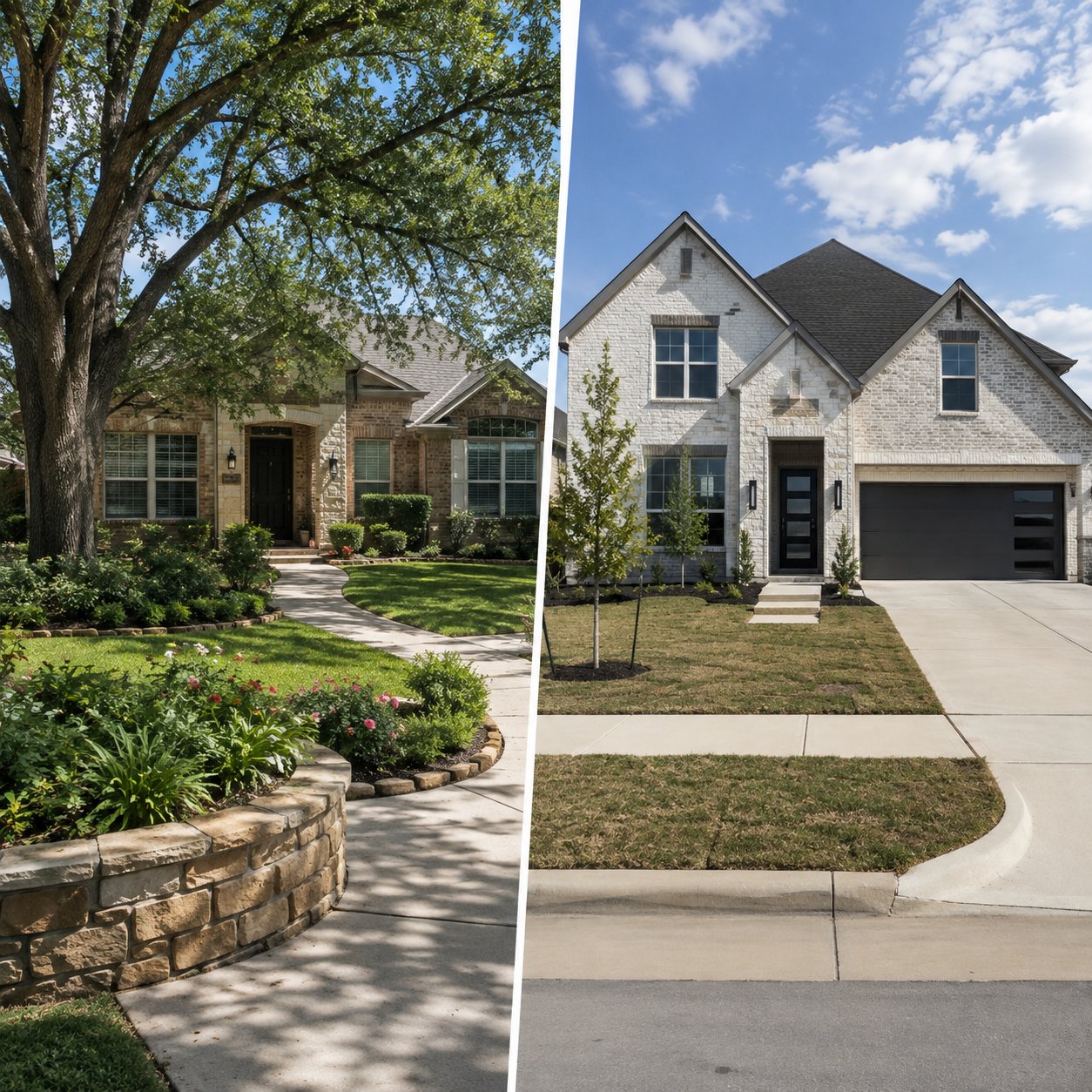
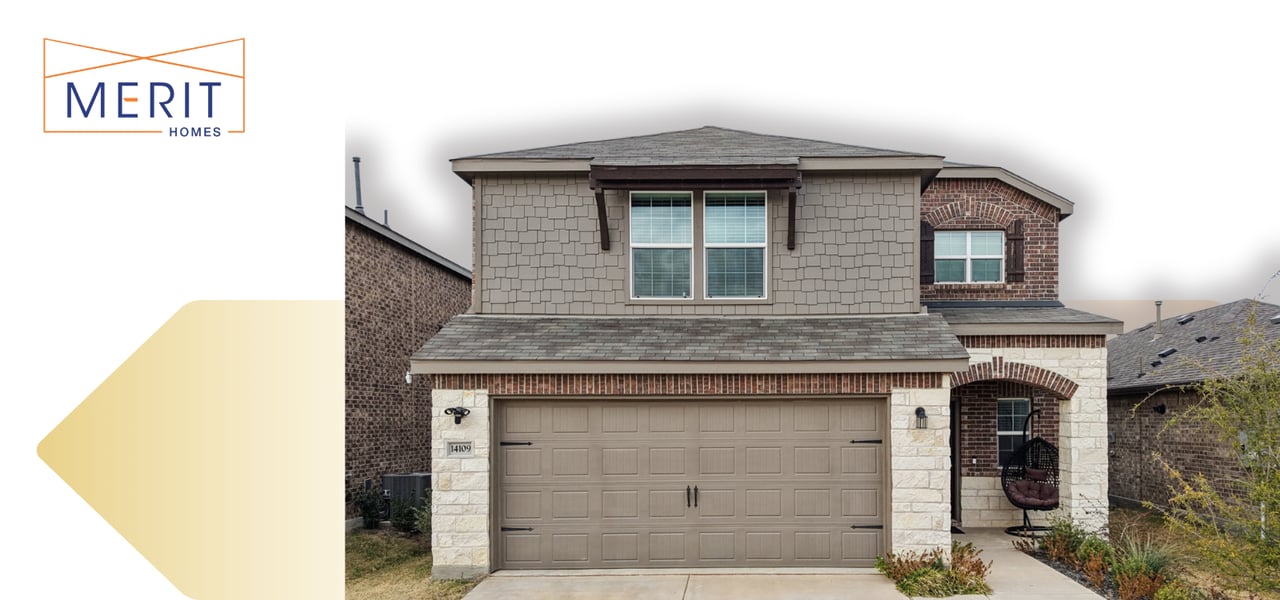
But the model home almost always includes upgrades that are not part of the base price.
Buyers touring new construction often discover additional costs for:
-
Flooring upgrades
-
Kitchen appliance packages
-
Cabinet selections
-
Lighting and hardware
-
Extended patios
-
Lot premiums
None of these are unusual. They are simply part of the process.
But it means the final price of a new home often looks different from the number buyers first saw online.
Closing Costs That Catch Buyers Off Guard
Closing costs are another area where buyers sometimes underestimate the final number.
Typical closing costs can include:
-
Loan origination fees
-
Title services
-
Escrow setup
-
Prepaid property taxes
-
Home insurance payments
These costs are standard across most transactions, but they can feel surprising if buyers have only focused on the down payment.
The good news is that in some cases builder incentives or negotiated terms can help offset portions of these costs.
Insurance Costs in North Texas
Another cost that buyers sometimes overlook is insurance.
North Texas homes face weather conditions that influence insurance rates, including:
-
Hail storms
-
Wind events
-
Seasonal weather shifts
Insurance costs can vary depending on the home’s age, roof condition and location.
Understanding those factors early prevents surprises during the final stages of a purchase.
Utility Setup and Move-In Costs
Once the keys are handed over, there are still practical expenses that come with settling into a home.
Buyers often encounter costs like:
-
Utility deposits
-
Internet installation
-
Moving services
-
Initial maintenance or small upgrades
These costs are rarely part of the home purchase conversation, but they are part of the real experience of moving into a new place.
A Simple Tip Before Falling in Love With a Home
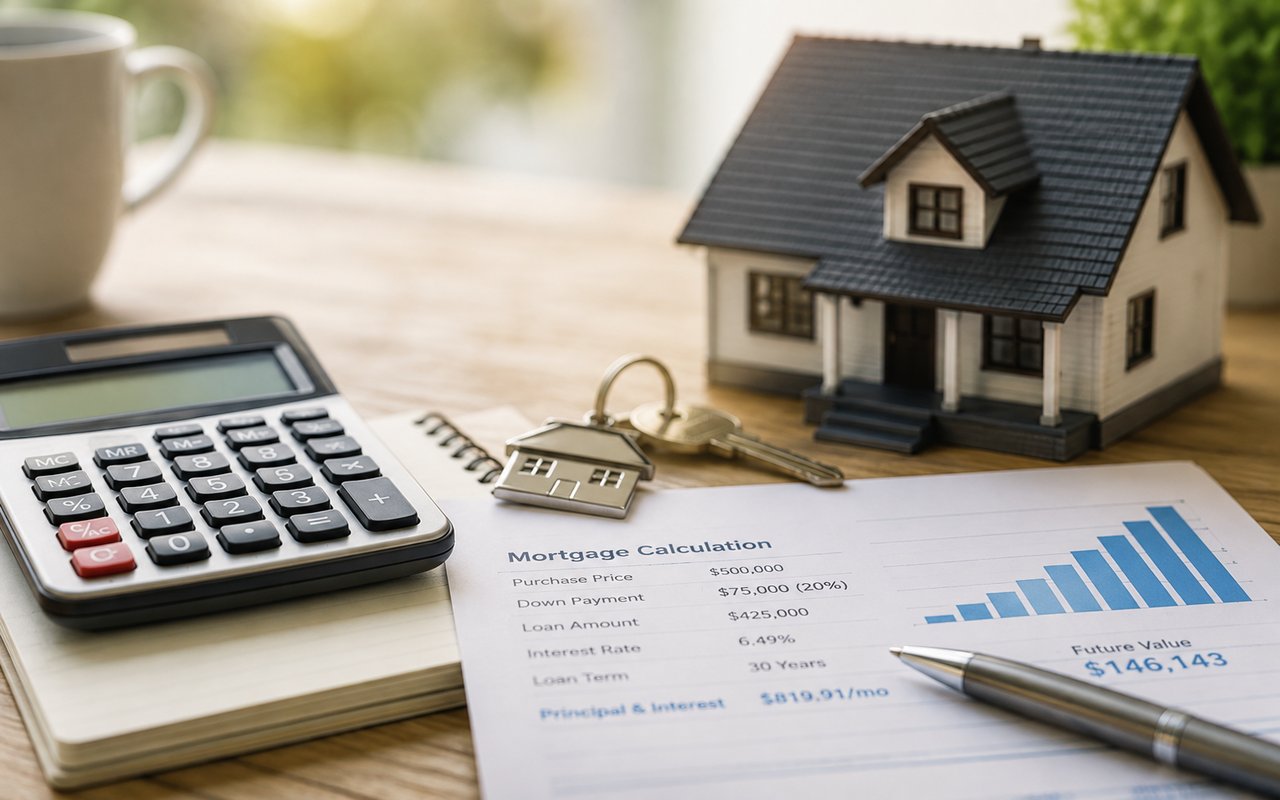
Before committing emotionally to a property, ask your agent to estimate the full monthly ownership picture, including taxes, insurance and HOA costs.
Seeing the entire number early helps buyers make confident decisions instead of reactive ones.
Why Context Matters in the North Dallas Suburbs
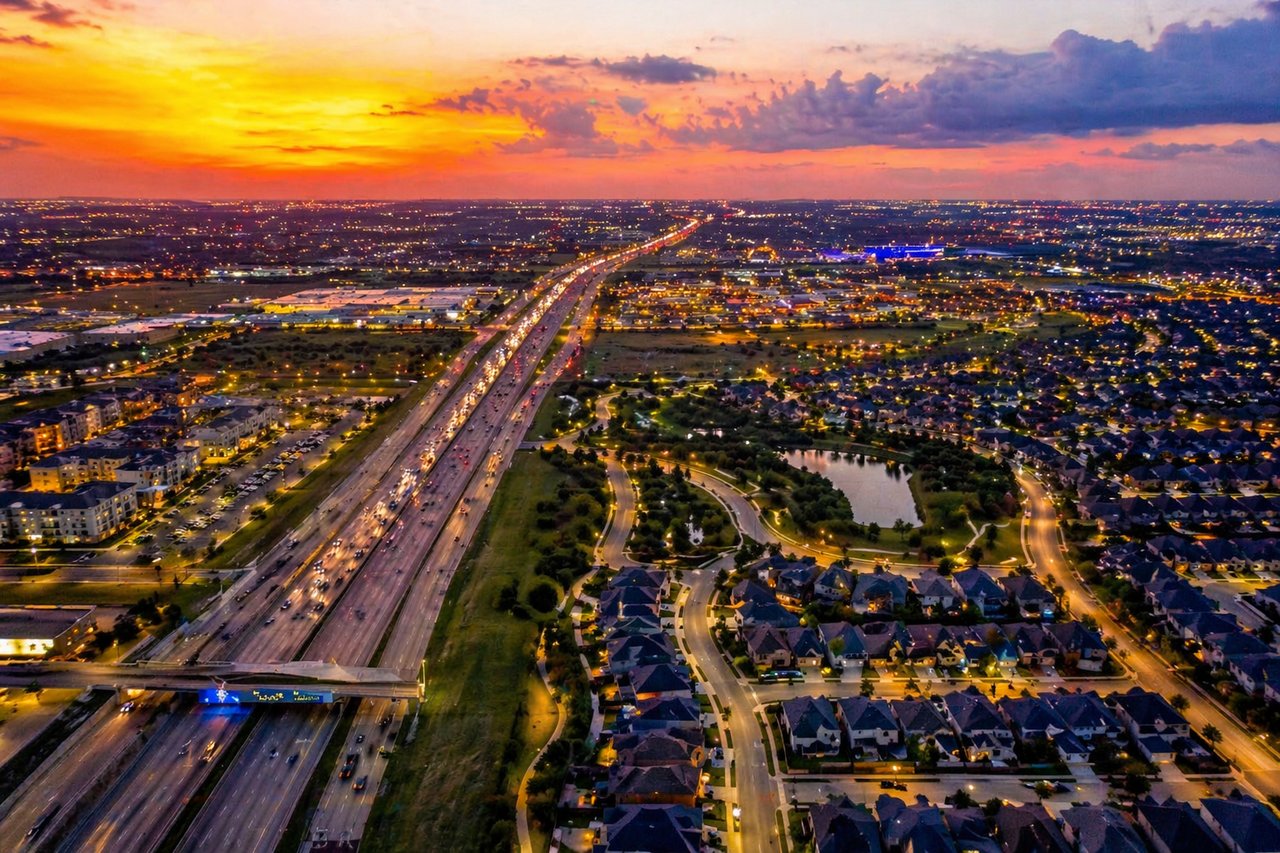
The suburbs north of Dallas continue to grow quickly.
Prosper, Celina, Frisco and McKinney attract new residents every year because of strong schools, expanding infrastructure and vibrant communities.
That growth creates opportunity, but it also means buyers benefit from understanding the local landscape before making a decision.
The more context you have, the smoother the process becomes.
Closing Thoughts
Buying a home in North Texas is an exciting step, especially for first-time buyers or those exploring new construction.
Understanding the full picture of ownership costs does not make the process more complicated. It simply makes it more transparent.
If you are considering a move in Prosper, Celina, Frisco or McKinney and want to walk through the real numbers behind a purchase, I am always happy to help you think through a strategy that fits your goals.