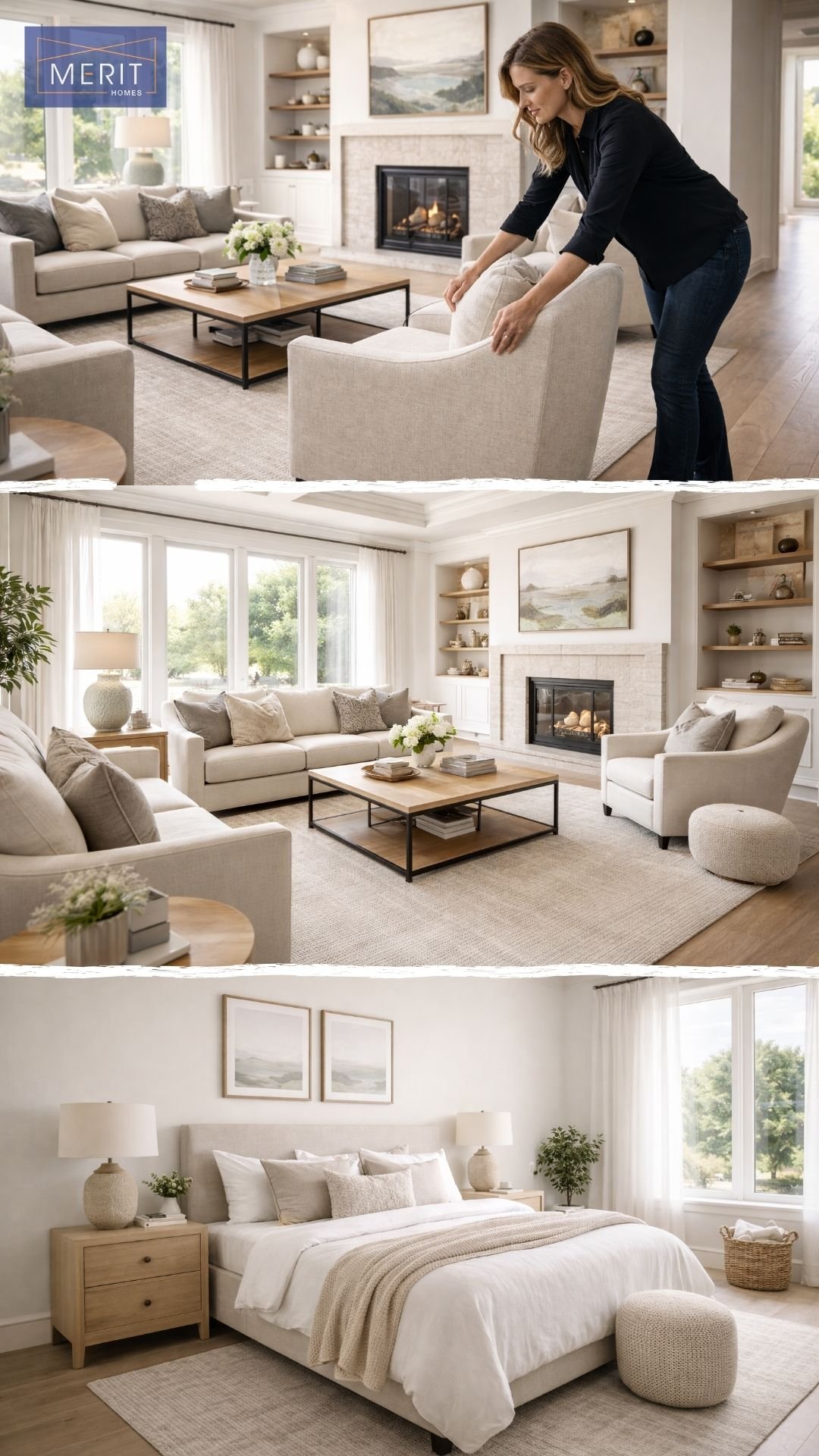
Inside the Most Successful Listings: What Professional Stagers Know That You Don’t
After years of listing homes in North Dallas, one pattern shows up again and again. The homes that sell faster and closer to their target price almost always share the same quiet advantage. They were staged with intention.
Not “make it pretty” staging. Strategic staging.
Professional stagers don’t decorate. They solve problems buyers don’t even realize they’re reacting to. When I walk listings with experienced stagers, I hear a completely different conversation than most homeowners expect. It’s less about style and more about psychology, flow, and restraint.
Here’s what the best stagers consistently know, and why it matters to sellers.
1. Buyers Don’t Tour Homes, They Read Them
Buyers form opinions fast. Often within the first 10 seconds of walking through the door.
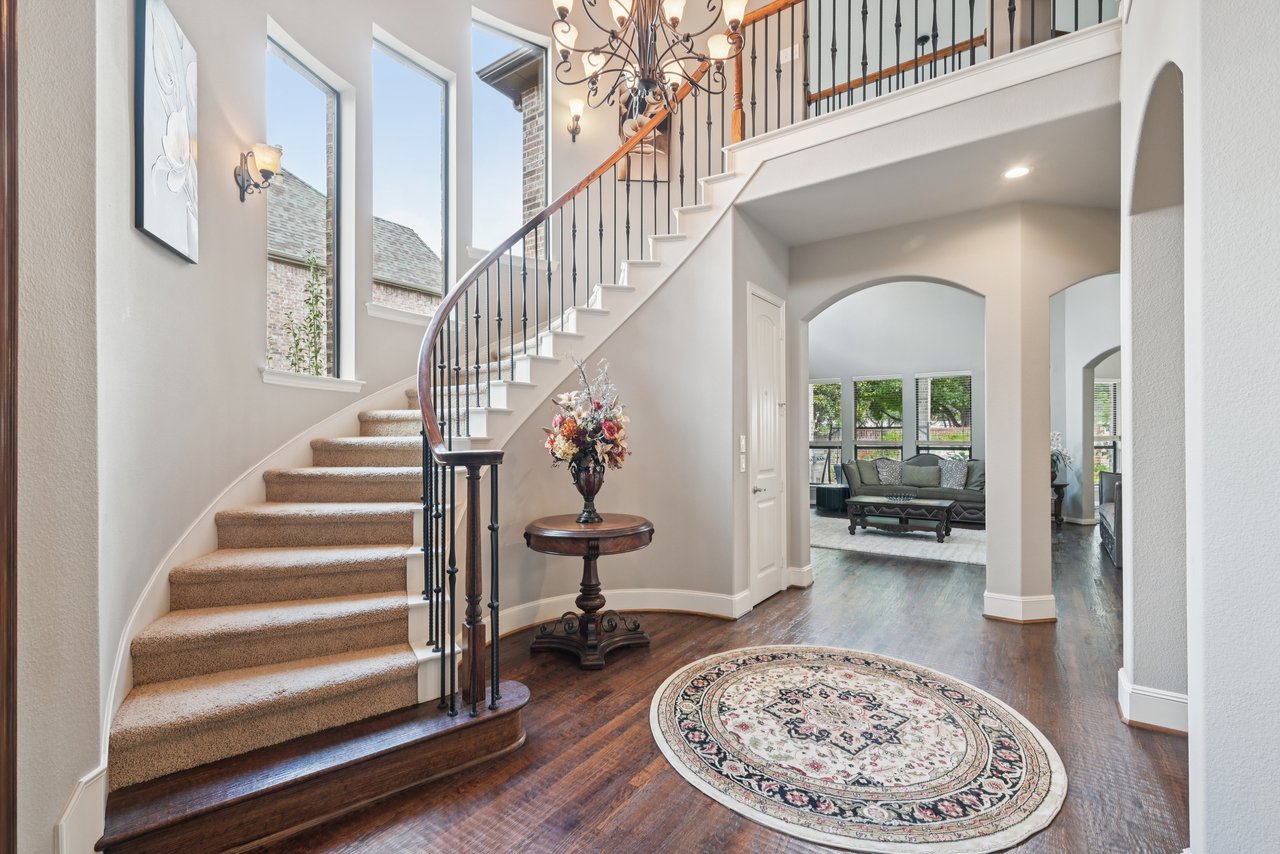
Professional stagers think in sightlines. What the eye sees first. What stops it. What pulls it forward. That means furniture placement is never random. A chair might be moved six inches not for comfort, but to open a visual path to a window or fireplace.
Many sellers assume buyers will “see past” clutter or awkward layouts. In practice, buyers don’t ignore friction. They feel it and move on.
Takeaway for sellers:
If a room feels tight, crowded, or confusing, buyers won’t mentally fix it. They’ll just remember the discomfort.
2. Neutral Isn’t Boring, It’s Strategic
One of the biggest misconceptions I hear is that neutral means bland. Stagers see neutral as a blank runway.
Strong staging removes personal taste cues so buyers can project their own life into the space. That’s why bold accent walls, statement furniture, and highly specific decor usually get pulled back, not added.
In North Dallas especially, buyers are comparing multiple homes in a single afternoon. The goal isn’t to be memorable for style. It’s to be memorable for ease.
Takeaway for sellers:
If your home reflects your personality perfectly, it may actually limit buyer connection.
3. Furniture Size Matters More Than You Think
This is one of the quiet killers of otherwise solid listings.
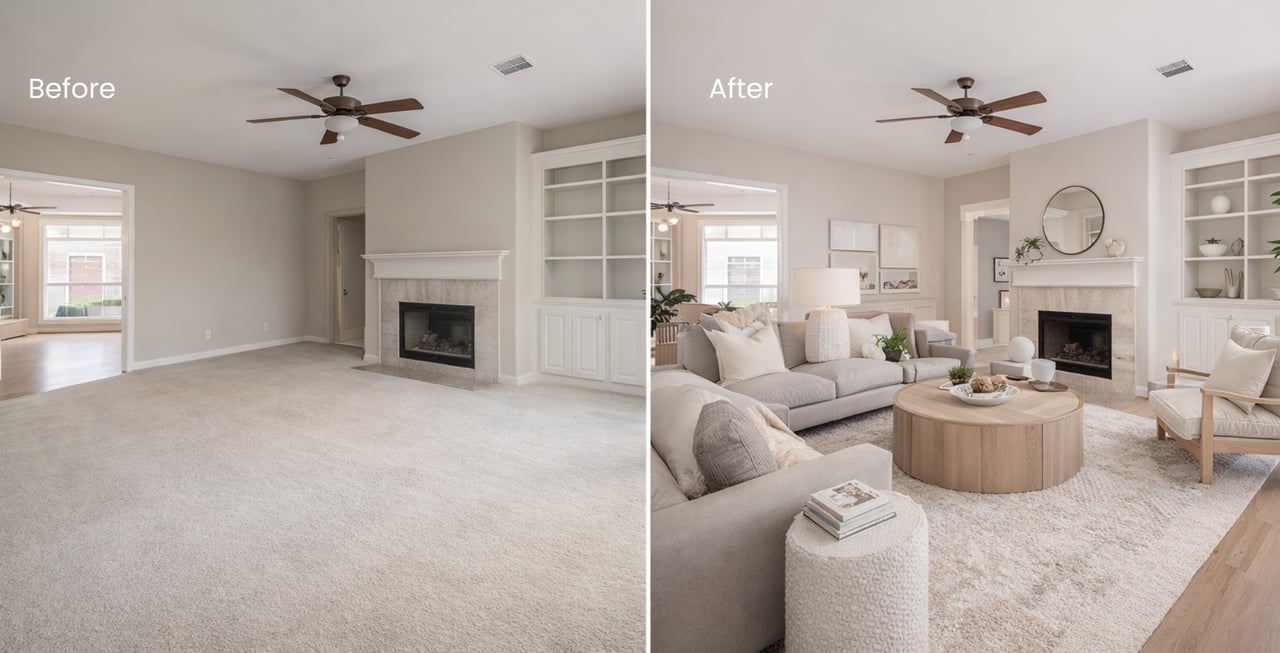
Oversized furniture makes rooms feel smaller than they are. Undersized furniture makes rooms feel awkward and temporary. Professional stagers obsess over scale because buyers subconsciously judge room size based on proportion, not tape measures.
I’ve watched a properly scaled sofa change a buyer’s perception of a living room more than a fresh coat of paint.
Takeaway for sellers:
Wrong furniture can cost you perceived square footage without touching the walls.
4. Every Room Needs a Job Description
If a space doesn’t clearly explain its purpose, buyers fill in the blanks with doubt.
Stagers assign each room a clear role. Guest room. Home office. Reading nook. Bonus space with intent. This is especially important in North Dallas homes with flex rooms, media rooms, or extra living areas.
A room that “could be anything” usually reads as nothing.
Takeaway for sellers:
Unclear spaces create hesitation, and hesitation slows offers.
5. Less Really Is More, But Only When It’s Done Right
Decluttering advice gets thrown around casually. Professional staging takes it further.
Stagers edit down to what supports the story of the home and remove everything else. That includes art, accessories, rugs, and sometimes entire pieces of furniture. Not because they’re unattractive, but because they compete for attention.
Buyers don’t need to see how much you can fit into a room. They need to see how easily they can live in it.
Takeaway for sellers:
If everything stands out, nothing does.
Why This Matters for Sellers
Staging works best when it’s part of a broader listing strategy, not a last-minute fix. The most successful listings I’ve represented treat staging as a tool, not an expense.
When done right, it reduces days on market, improves showing feedback, and supports stronger negotiating positions. Most importantly, it removes silent objections before buyers ever say them out loud.
A Practical Next Step
If you’re planning to sell, the smartest move is understanding which staging adjustments will actually move the needle for your specific home and which ones won’t.
That’s a conversation worth having early, before photos, before showings, and before the market decides for you.