Buying your first home is one of those life decisions that feels equal parts exciting and overwhelming. Most people look at interest rates, neighborhoods, and square footage first. But the real question every first-time buyer needs to answer is simple.

Am I financially ready?
Start with a payment you can comfortably carry, cash for closing and a reserve after move-in. Then have a lender review your income, credit, debts and loan options. A preapproval and a comfortable household budget answer different questions, and you need both.
The good news is that financial readiness is clearer and more predictable than most people think. You don’t need perfect credit, a giant down payment, or a six-figure income. You just need a solid picture of where you stand and what your monthly life can comfortably support.
Here’s how to know you’re on the right track.
1. You Have a Handle on Your Monthly Budget
This is the foundation. Before you look at homes, take a realistic look at where your money goes every month. Not the “ideal version” but the real one that includes eating out, gas, kids’ activities, subscriptions, and weekend plans.
The goal isn’t to restrict your life.
It’s to understand what monthly payment fits your world without stretching you thin.
If you know your comfortable monthly range, you’re miles ahead.
2. Your Savings Are Growing, Even Slowly
You don’t need a massive down payment to buy a home, especially in today’s North Dallas market where low down payment options are common. But you do need some cushion. That could be for:
• A down payment
• Closing costs
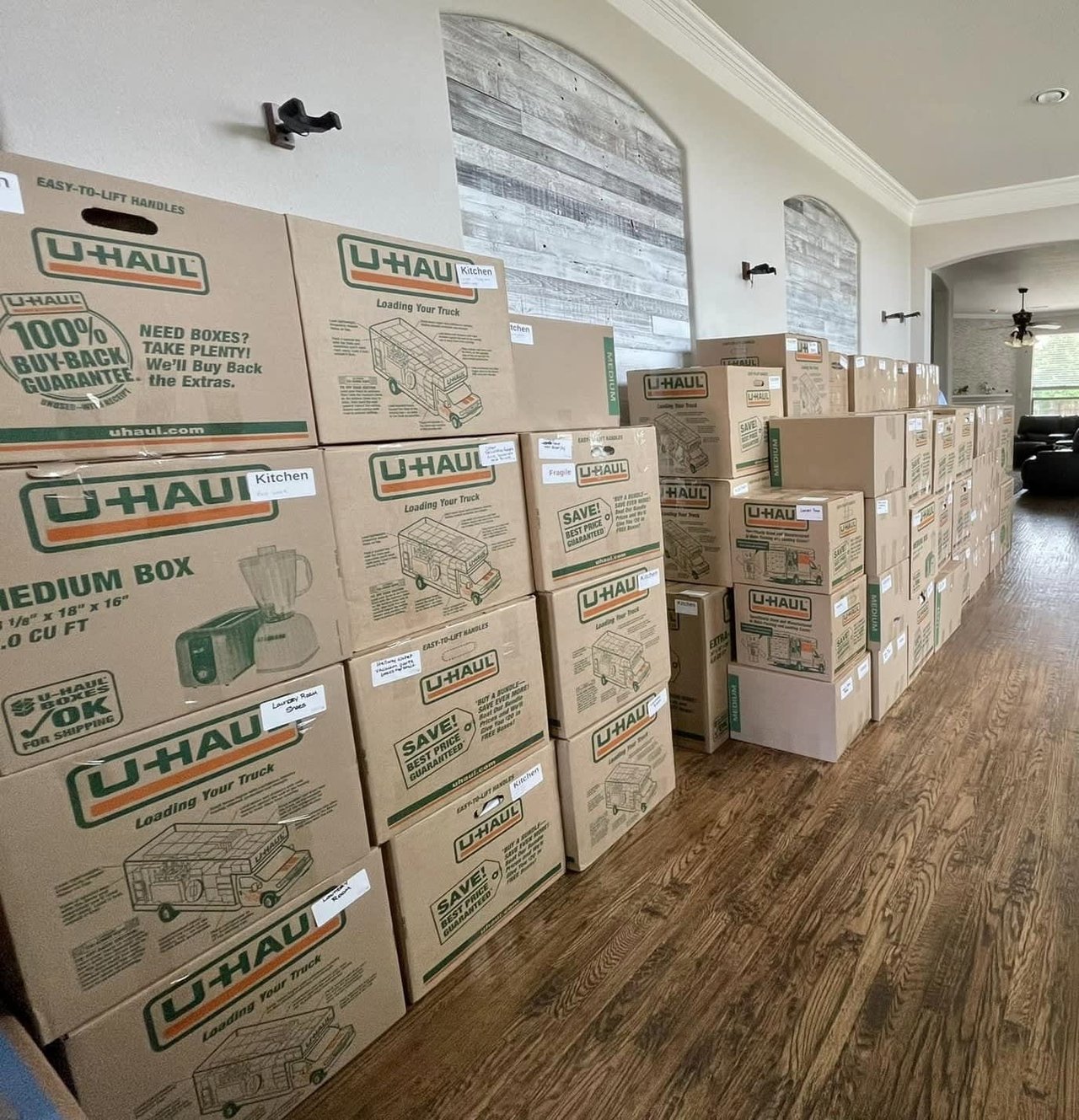
• Moving expenses
• Small first-year homeownership surprises
A steady saving habit helps, but readiness also depends on how much cash remains after closing and whether the ongoing costs fit your budget.
3. You Know Your Credit Score and What It Means
Your credit score affects your interest rate and loan options, but it is not the make-or-break factor many people think it is.
Loan eligibility and pricing depend on more than whether a score is trending upward. Ask a lender to review your actual credit profile and explain the requirements for the programs you are considering. Credit improvement takes different amounts of time for different people.
The key is knowing where you stand before you start shopping.
4. You’re Comfortable With “Fixed vs. Flexible” Costs
Renters are used to one predictable payment. Homebuyers have a few more categories to think about.
The big difference is this, you control more when you own.
Potentially stable loan component: principal and interest on a fixed-rate mortgage, subject to the loan terms.
Costs that can change: property taxes, insurance, HOA dues, utilities and maintenance.
Planned purchases: upgrades and furniture, with a separate reserve for unexpected repairs.
Build these categories into your monthly budget and test whether you could handle an increase or an unexpected repair.
5. You’re Thinking Long Term, Not Just “Can I afford this today?”
First-time buyers do best when they look forward. You’re not just buying for this month. You’re buying for the next few years.
Ask yourself:
• Where do I want to be?
• Am I building stability or flexibility?
• Will this home support my life next year and the year after?
This mindset matters. It keeps you from buying a home that feels exciting now but stressful later.
6. You’re Ready for Predictability Instead of Guesswork
A fixed-rate loan can make principal and interest more predictable, but the total housing payment can change as taxes, insurance or escrow requirements change. Adjustable-rate loans have additional rate-change terms. The CFPB explains why mortgage payments can change. Equity also depends on the loan balance and the home’s value; appreciation is not guaranteed.
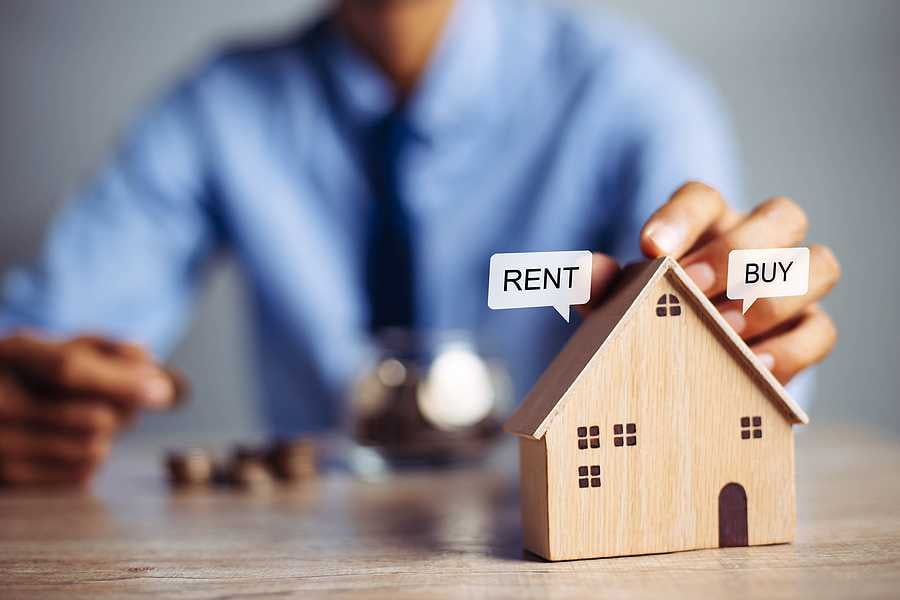
Compare buying with renting over the time you expect to stay, including transaction costs and the flexibility you need. Preference alone does not establish financial readiness.
7. You’ve Talked With a Lender — Even If You’re Months Away
This is the step most first-time buyers skip, but it’s the one that creates the most clarity.
Talking with a lender doesn’t mean you’re signing anything. It simply gives you:
• Your price range
• Your monthly payment options
• How much you need for a down payment
• What programs you qualify for
• What to work on between now and your purchase
Buyers who talk to a lender early understand their path. Buyers who wait often stress themselves out unnecessarily.
The Bottom Line
Financial readiness isn’t about perfection. It’s about clarity.
If you have a sense of your budget, some savings, a growing credit score, and a long-term outlook, you’re closer to ready than you think.
And if you’re unsure, that’s exactly why I’m here.
Reach out, and I’ll help you map out a plan that fits your life, your budget, and your goals — without pressure.

For your worksheet, use the North Texas buyer-cost checklist and the CFPB Loan Estimate guide. Let’s map out your homebuying timeline alongside the financing review from your lender.