
A Merit Homes North Dallas Journal
A few years ago, I was working with buyers who were relocating to North Texas, and like a lot of people coming from outside the area, they had already done their homework.
They knew Frisco.
They had read about the schools, The Star, all the new development and the seemingly endless collection of restaurants, shopping and entertainment.
Plano was on their list too, but mostly because someone had told them they should look there.
Then we started driving.
They liked Frisco.
But when we got into some of Plano's established neighborhoods, something changed.
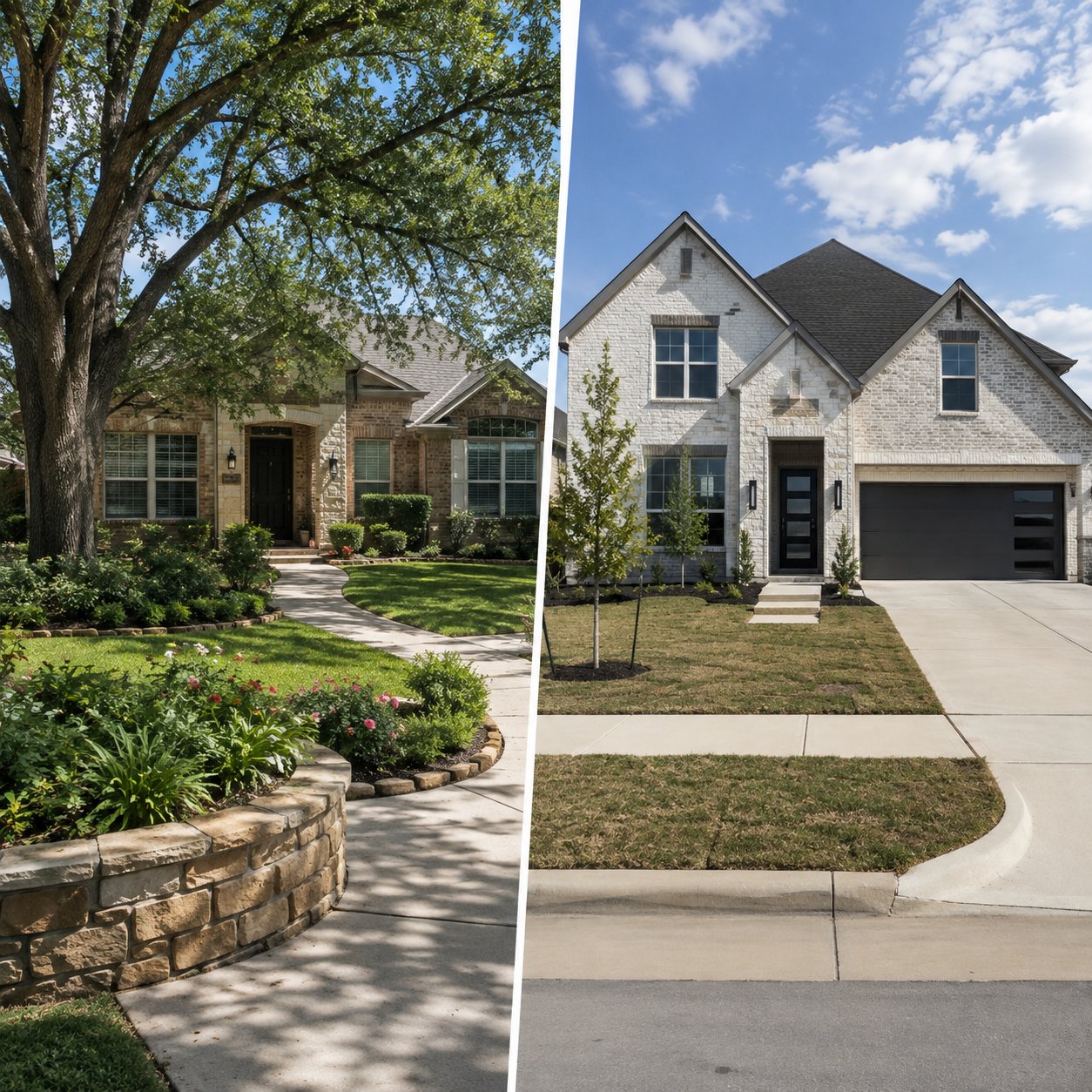
The trees were bigger.
The lots felt different.
The drive to work was shorter.
The neighborhoods felt settled.
Suddenly, a city they had considered almost as an afterthought became a serious contender.
I've also had the exact opposite happen.
Buyers arrive thinking Plano makes the most practical sense, then spend a day in Frisco and decide they love the newer homes, energy and lifestyle.
That's why Frisco versus Plano is one of those comparisons that can't really be answered with a simple winner.
Both are established North Dallas cities.
Both offer strong housing choices, employment access, shopping, restaurants and recreation.
But they don't necessarily offer the same Location, Livability or Lifestyle.
And that's where I think the decision gets interesting.
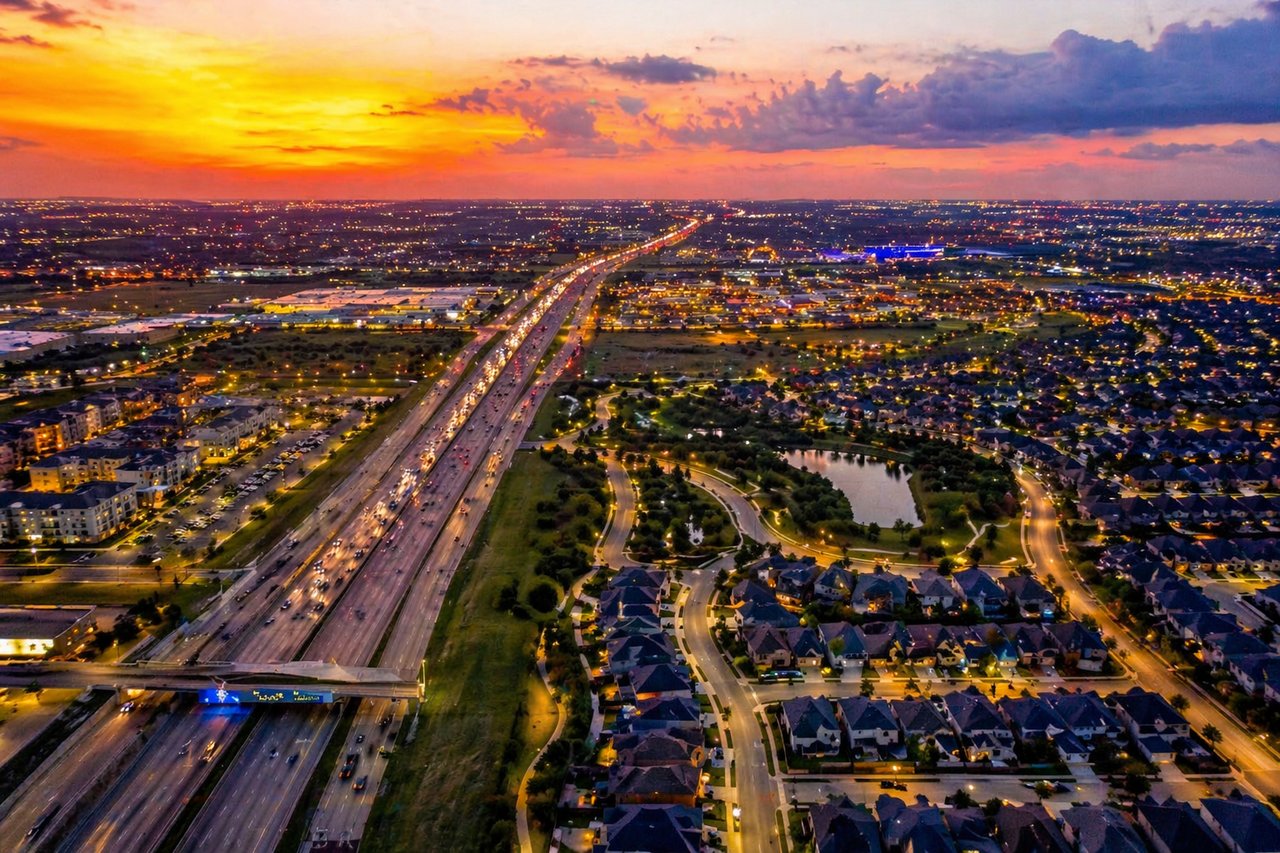
Frisco and Plano Are at Different Stages of Their Growth
This may be the easiest way to understand the difference.
Plano grew earlier.
Frisco grew later.
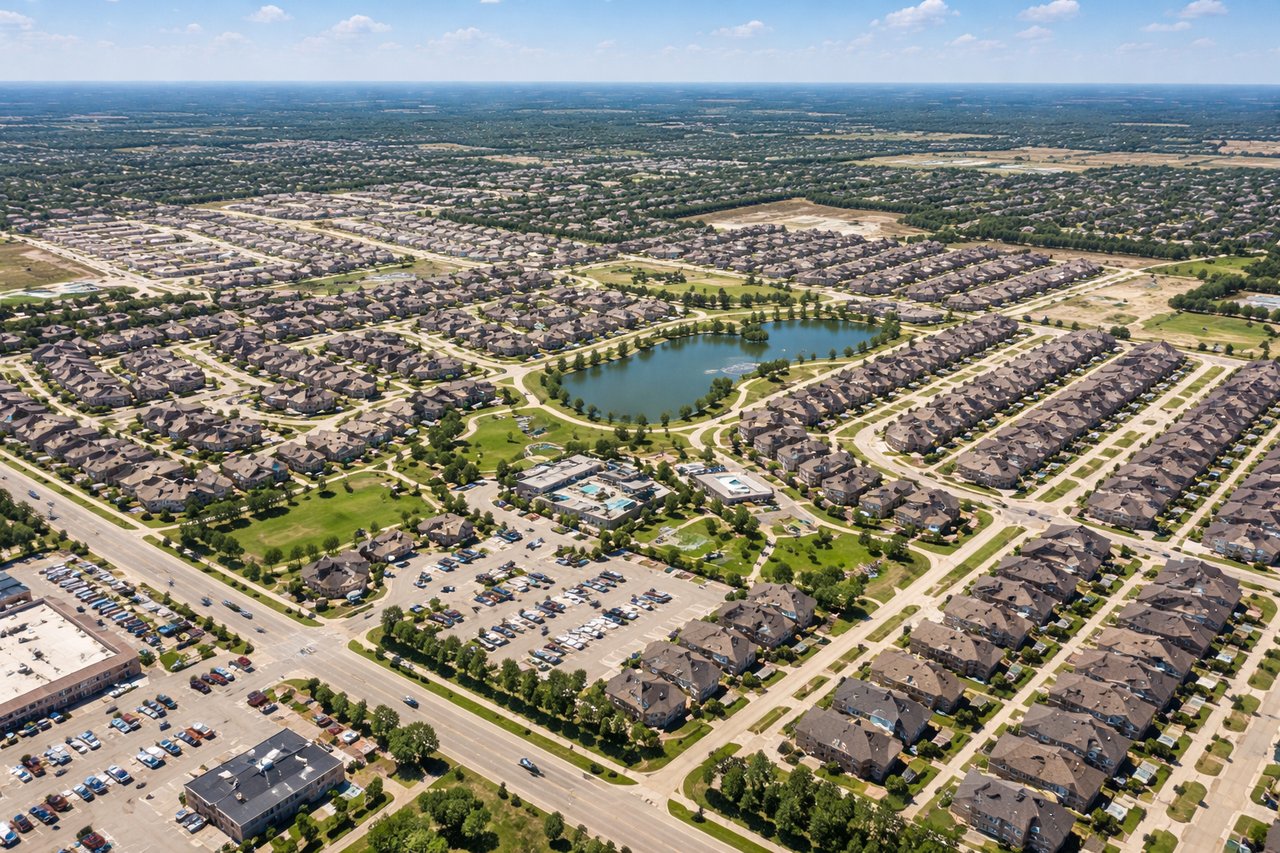
Plano's major residential expansion took place decades before much of Frisco's, which means many Plano neighborhoods are now mature.
Trees have had decades to grow.
Commercial areas are established.
Road networks are largely built out.
Neighborhoods have an identity.
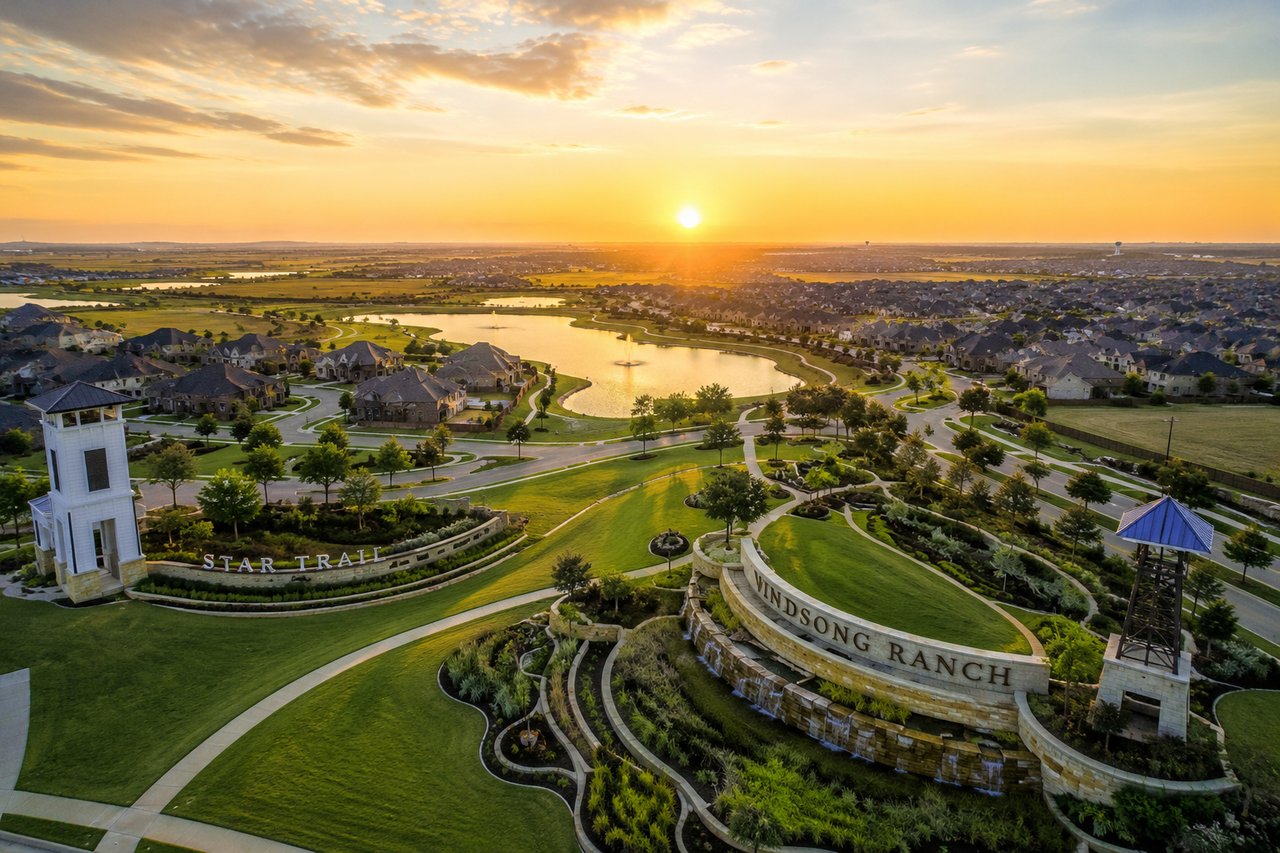
Frisco is farther along than Prosper or Celina, but significant development is still occurring, particularly toward the northern and western parts of the city.
PGA Frisco, Fields and other large developments continue reshaping that side of town.
That creates two different experiences.
Plano often feels established.
Frisco often feels established and still evolving at the same time.
Neither is inherently better.
The question is which one appeals to you.
Location: Plano Has an Advantage for Many Commuters
Let's start with the first of my Three L's.
Location.
Plano sits south of Frisco, and for anyone regularly commuting toward Dallas, Addison, Richardson, Las Colinas or other employment centers farther south, that geography can matter.
A lot.
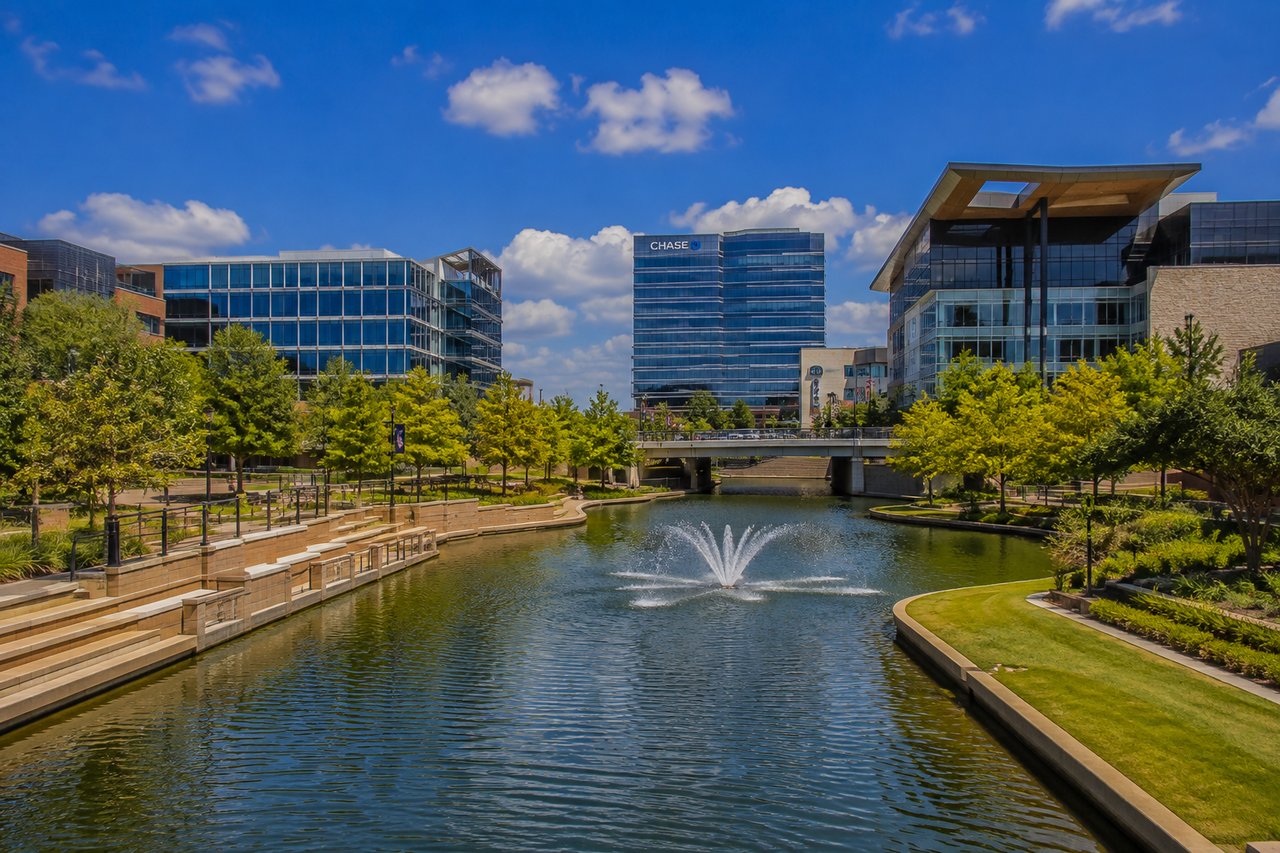
If you work in Legacy West or the surrounding business corridor, either city may work extremely well.
If you're commuting deeper into Dallas five days a week, I'd want to look carefully at Plano before automatically heading north.
That's not because Frisco is impossibly far away.
It isn't.
But ten or fifteen additional miles can feel very different at 7:45 on a Tuesday morning than they do at noon on Saturday.
Frisco counters with excellent access to the Dallas North Tollway and Sam Rayburn Tollway, and it has increasingly become an employment destination itself.
The old assumption that everyone living in Frisco commutes south for work simply isn't true anymore.
Matt's Perspective
If I were relocating here and commuting several days a week, I'd make the commute one of my first filters.
Not the house.
Not the kitchen.
Not even the neighborhood.
I'd drive from the area I'm considering to work during the actual morning commute.
Then I'd do it again in the afternoon.
I've seen buyers fall in love with a house and convince themselves the commute will be fine.
Six months later, the kitchen is still beautiful.
The commute still stinks.
Housing: This Is Where the Differences Become Obvious
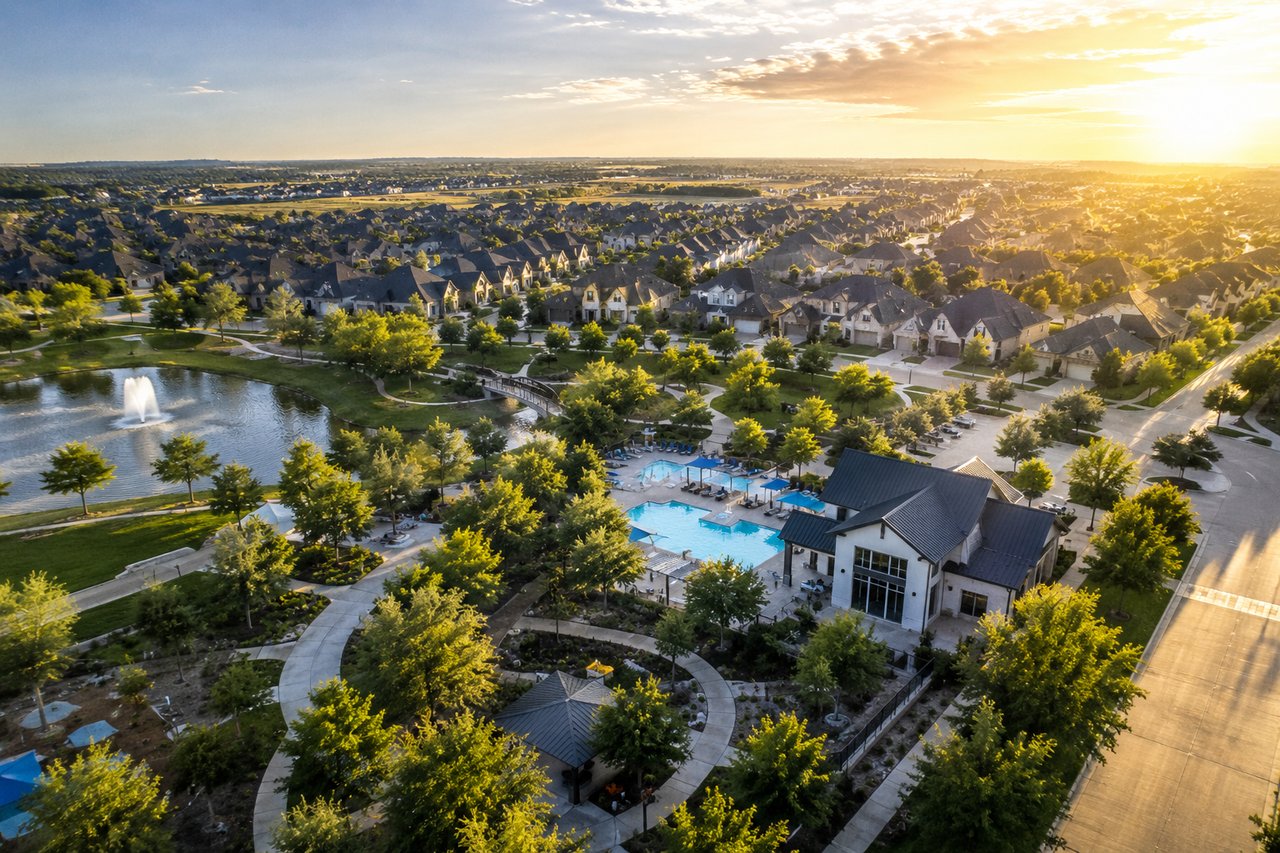
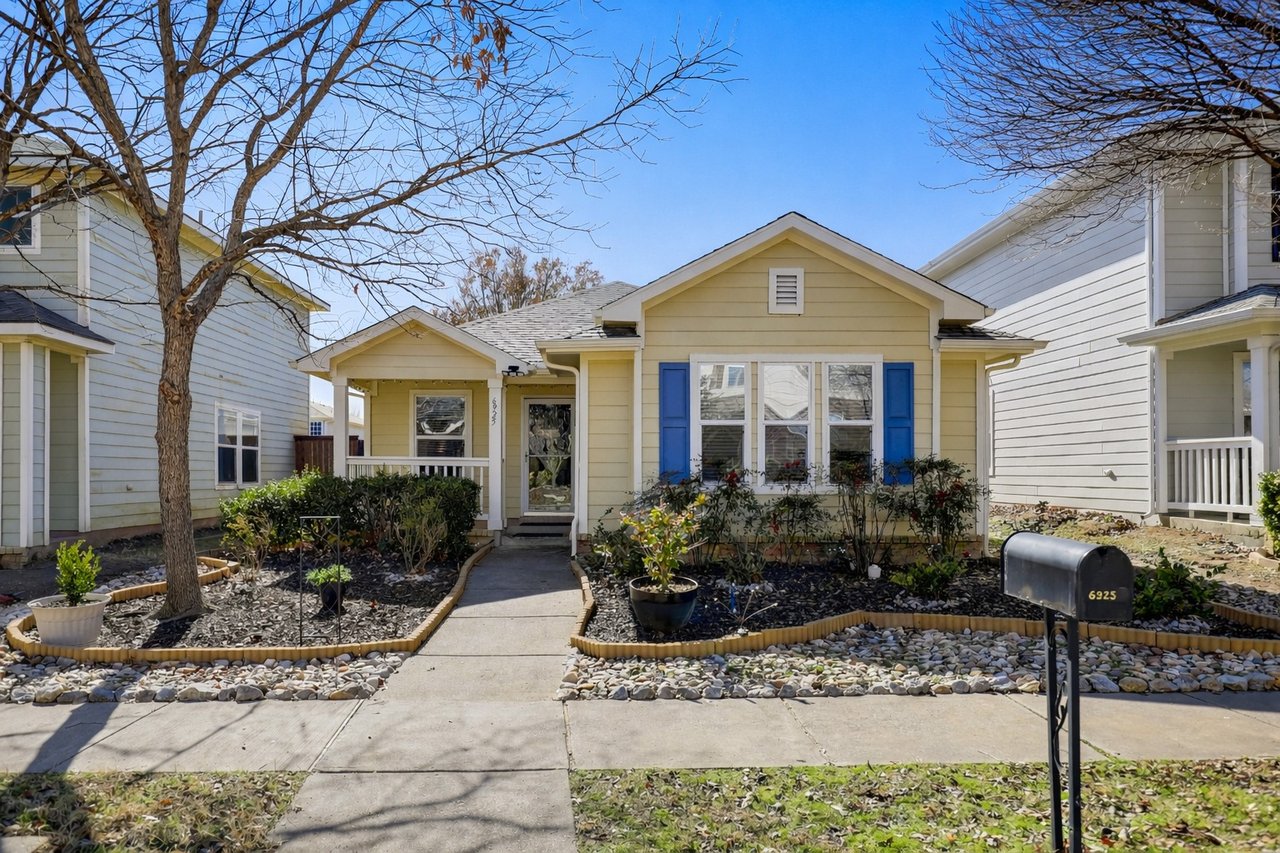
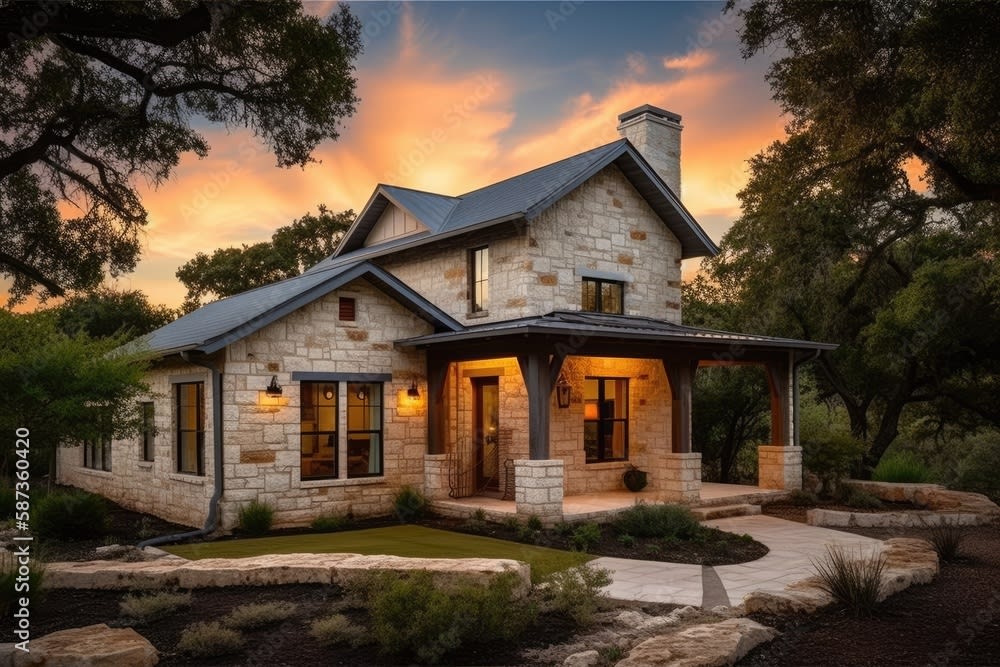
Drive through Plano and you'll see a housing market shaped by several decades.
There are homes from the 1970s and 1980s.
Large sections built during the 1990s.
Newer homes.
Luxury enclaves.
Townhomes.
Golf communities.
And neighborhoods where substantial renovations have transformed older properties.
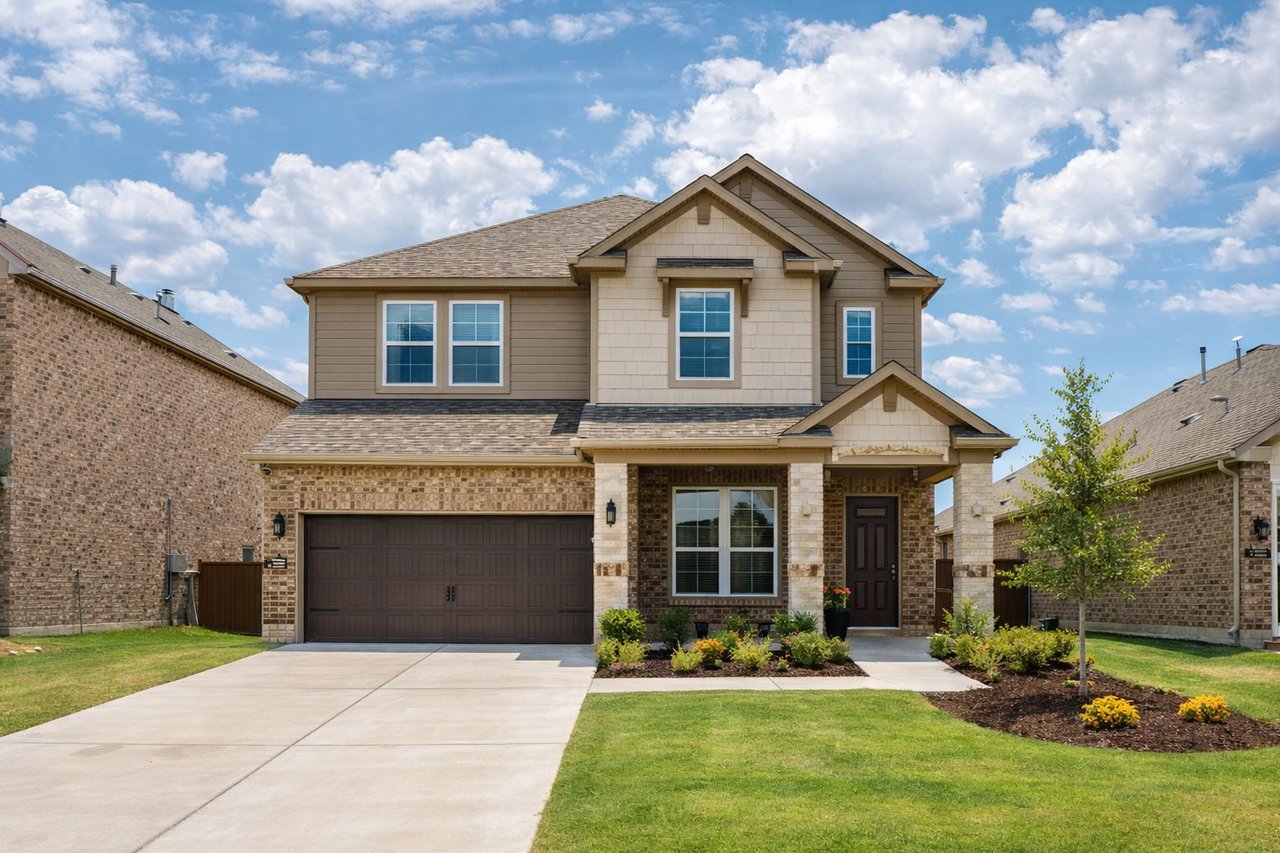
Frisco generally skews newer.
There are certainly established Frisco neighborhoods now, but buyers are more likely to encounter homes built during the last 20 to 30 years, along with continuing new construction.
That creates a fascinating tradeoff.
A Plano buyer may find an older home with mature trees, a larger lot and an excellent location, but the house might need updating.
A Frisco buyer may find a newer floor plan with the office, open kitchen and game room they want, but on a smaller or less mature lot.
Which is the better value?
It depends on what you value.
Livability: Newer Isn't Always Better, But It Can Be Easier
The second L is Livability.
This is one area where newer Frisco homes can have a natural advantage.
Builders have changed floor plans over time because the way people live has changed.
Home offices became more important.
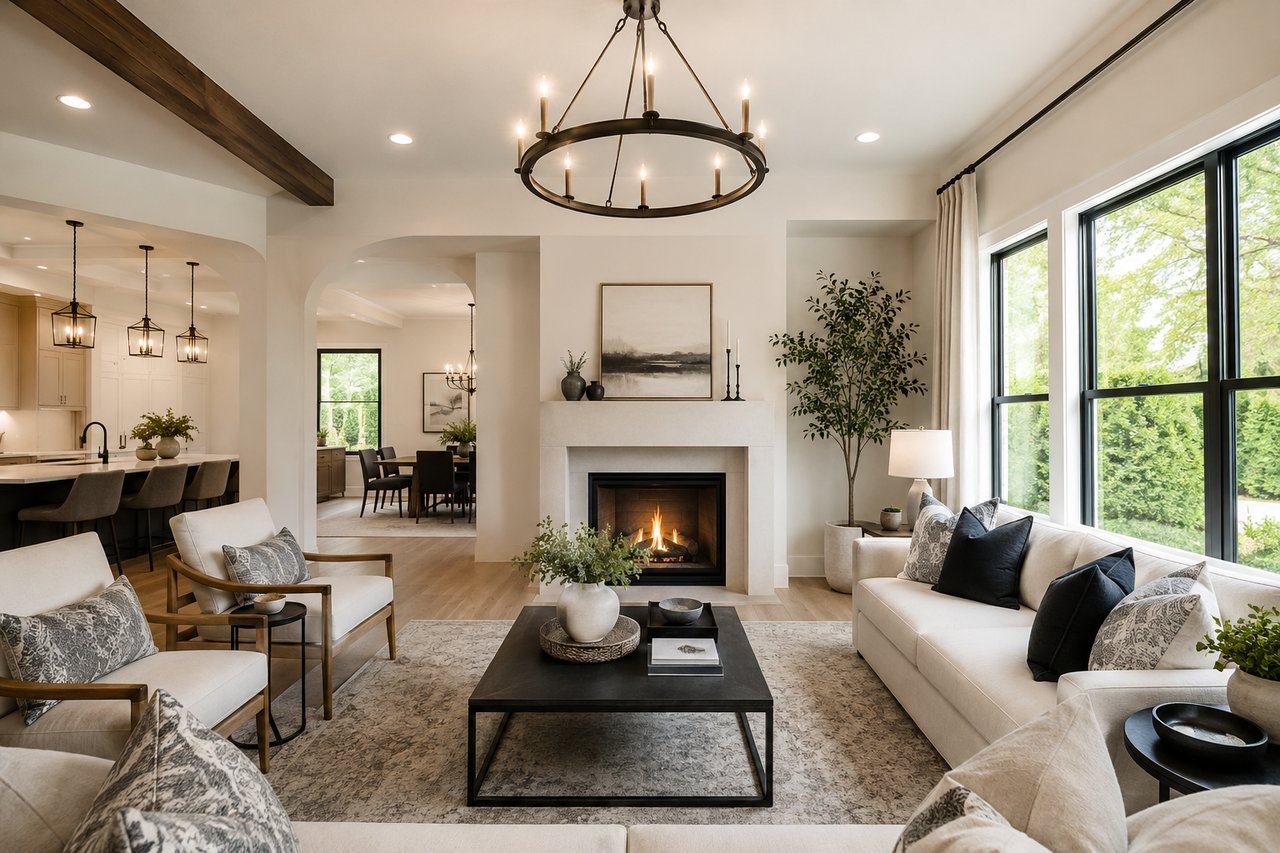
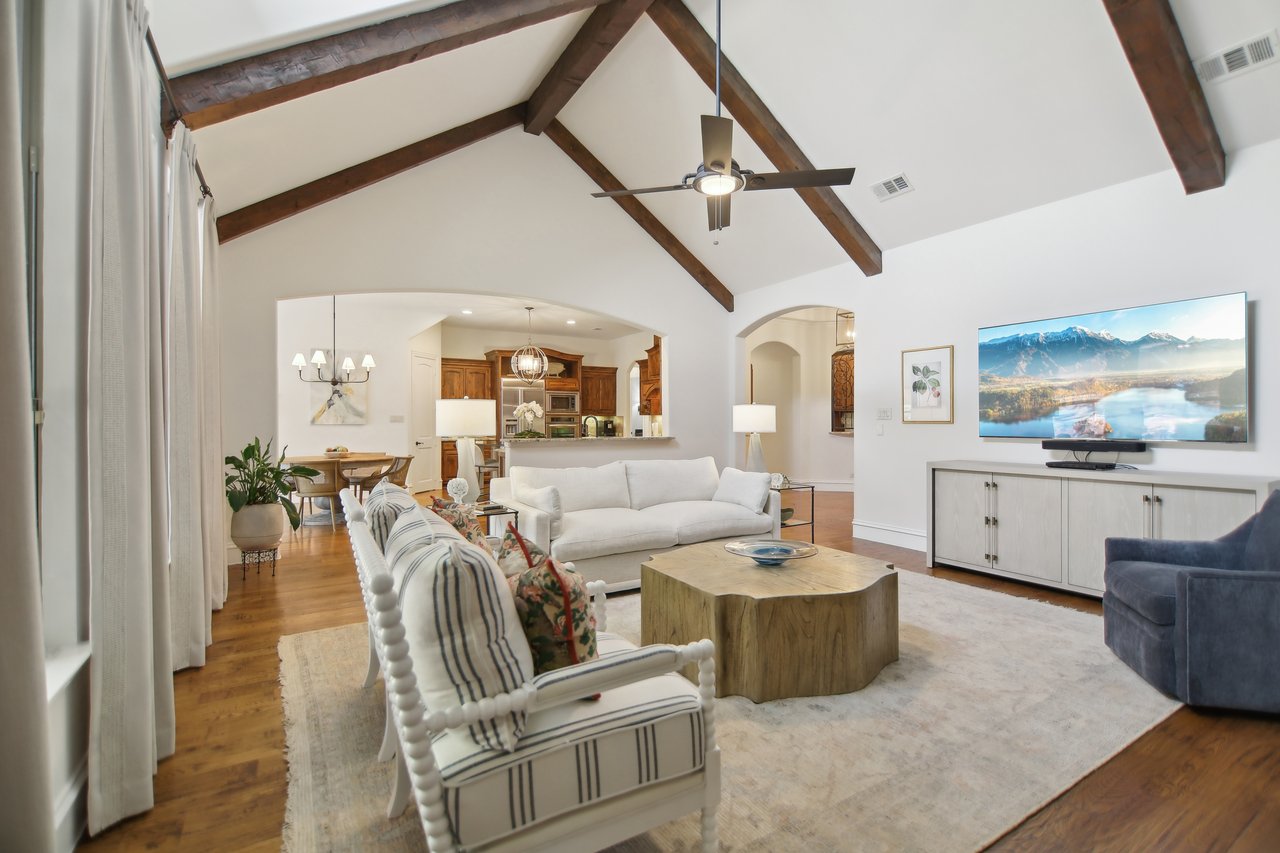
Kitchens became larger and more connected to living areas.
Primary suites became more elaborate.
Storage improved.
Game rooms and media rooms became common.
Multigenerational living influenced floor plans.
Many newer Frisco homes were designed around those expectations.
Older Plano homes may require buyers to think differently.
Sometimes that's a negative.
Sometimes it's an opportunity.
I've walked through older homes where the floor plan simply doesn't work for today's buyer.
I've also walked through beautifully renovated Plano homes where someone took an established property, kept the mature lot and location, and completely transformed the interior.
Those can be difficult properties to duplicate.
Don't Underestimate Mature Trees
This sounds like a small thing until you spend an afternoon touring houses.
Mature landscaping changes how a neighborhood feels.
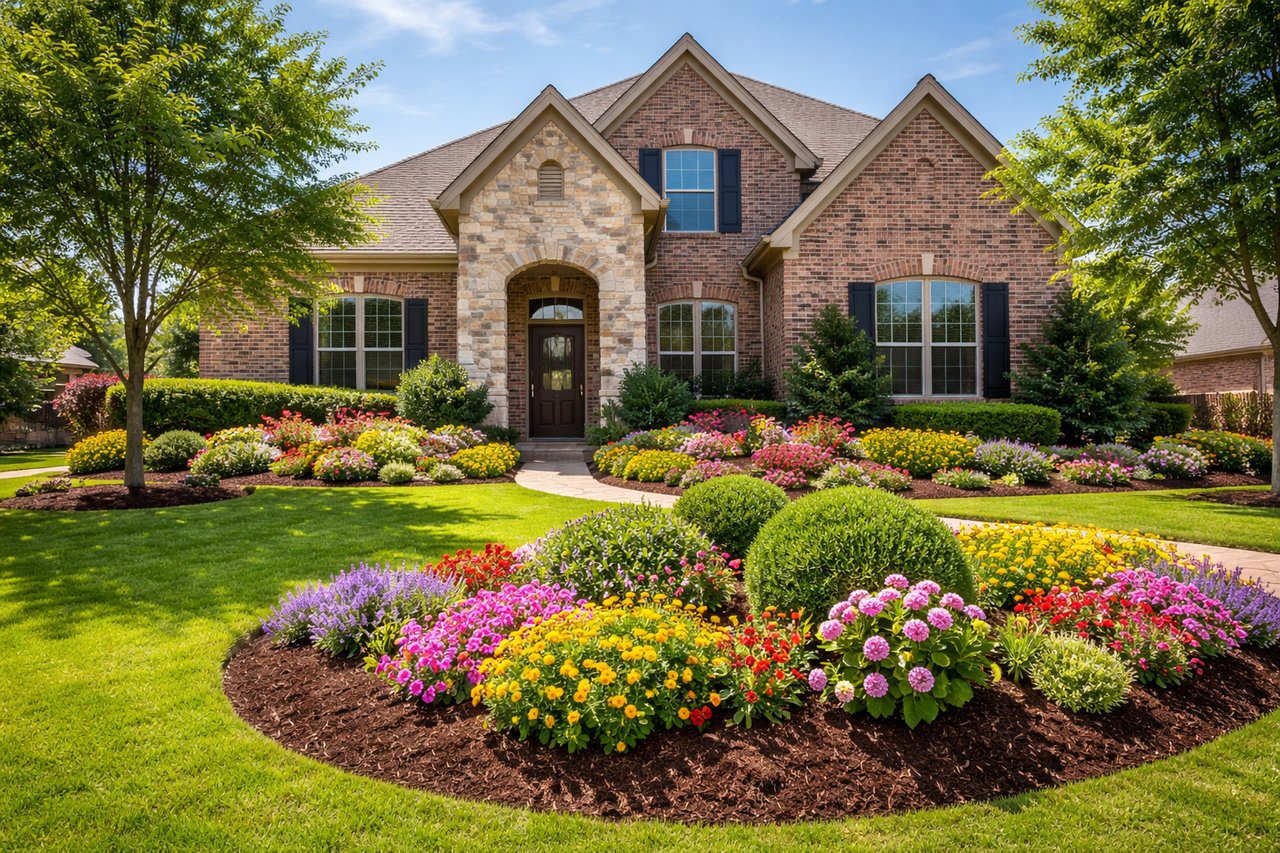
Plano has areas where large trees canopy the streets and homes feel integrated into the landscape.
You simply can't recreate that overnight.
Frisco has mature neighborhoods too, particularly in areas developed earlier, but buyers considering the newest parts of the city should understand that landscaping takes time.
This falls into the same category as lot position.
You can remodel a bathroom.
You can replace flooring.
You can't purchase 30 years of tree growth at Home Depot.
For some buyers, that doesn't matter.
For others, it becomes one of the reasons they choose Plano.
Frisco's Lifestyle Is Hard to Ignore
Now we get to the third L.
Lifestyle.
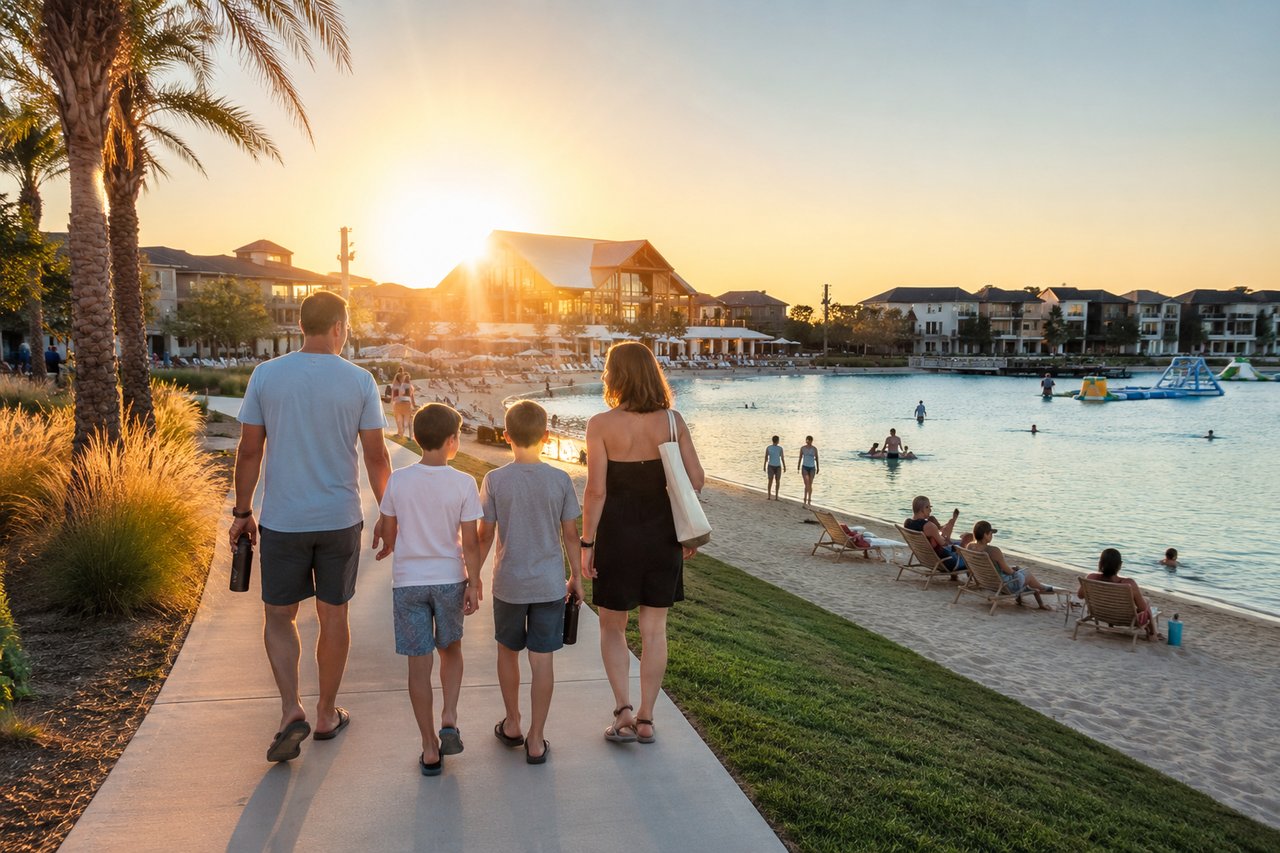
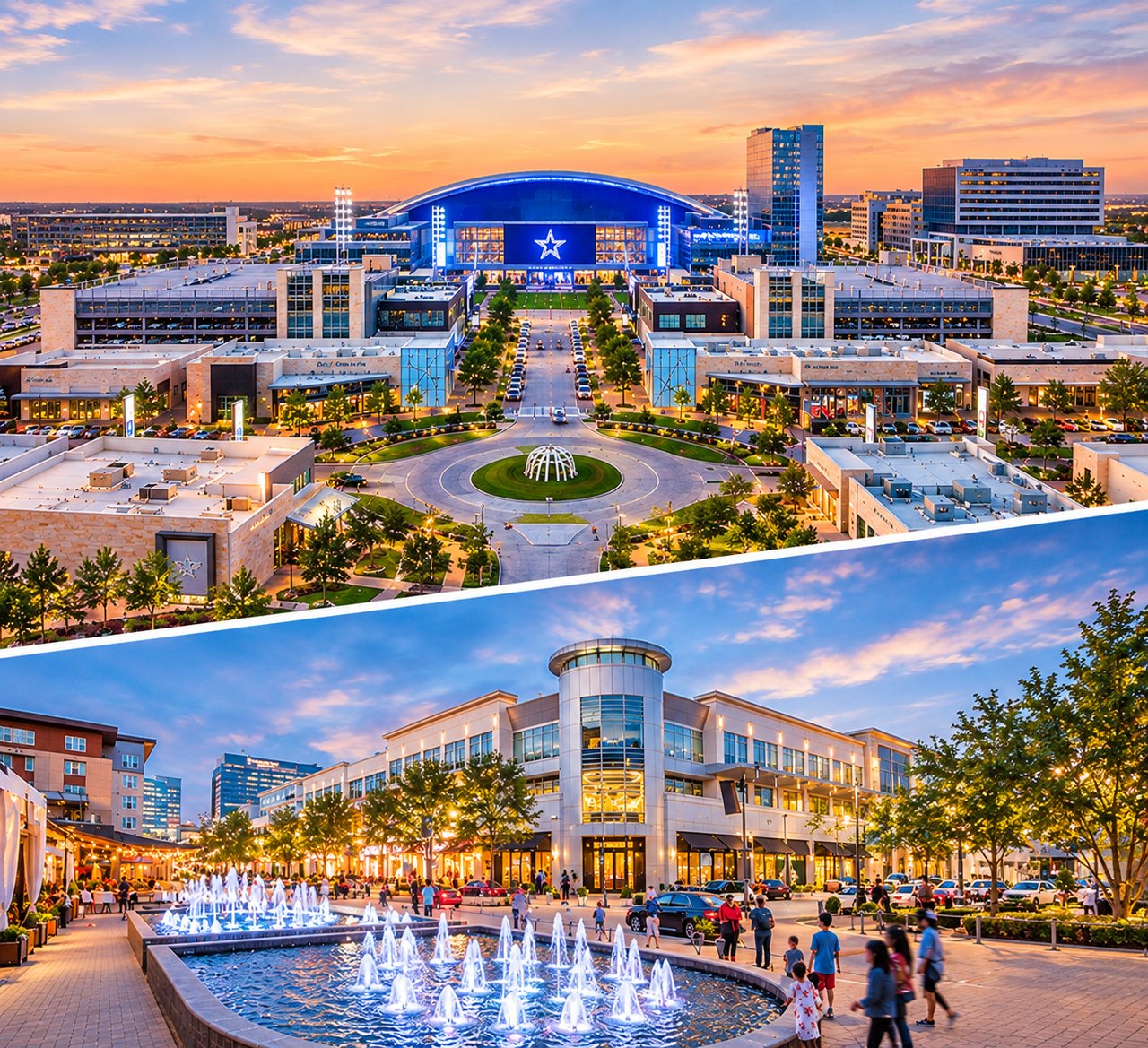
Frisco has become unusually good at creating destinations.
The Star.
PGA Frisco.
Toyota Stadium.
Frisco Square.
The Rail District.
Stonebriar.
Sports facilities.
Restaurants.
Entertainment.
And continued development around Fields.
If you have kids involved in sports, enjoy professional sports, like newer restaurants and entertainment districts, or simply enjoy living somewhere with a lot happening, Frisco makes a compelling case.
There's an energy to the city.
It feels like it's still becoming something.
For some buyers, that's exciting.
Plano's Lifestyle Is Different, Not Lesser
Plano doesn't need to compete with Frisco by trying to be Frisco.
Its strength is maturity.
Legacy West and Legacy Town Center provide major dining, shopping, entertainment and employment destinations.
The Shops at Willow Bend area continues evolving.
Downtown Plano gives the city something completely different from newer suburban development.
There are parks, trails, established recreation and neighborhoods that have been part of the city for decades.
And Plano's location makes it easy to reach other parts of the Metroplex.
The lifestyle may feel less like a city continually unveiling something new.
For some buyers, that's exactly the appeal.
What About Schools?
Schools inevitably become part of this conversation.
Both Frisco ISD and Plano ISD are well-known North Texas school districts, but I would caution buyers against reducing the decision to online rankings.
First, city boundaries and school district boundaries aren't identical.
A Frisco address doesn't automatically mean Frisco ISD.
A Plano address doesn't tell you everything you need to know about attendance boundaries either.
Always verify the specific property with the district.
Second, think beyond the district name.
Which campus serves the house?
How far away is it?
What programs matter to you?
Are attendance boundaries changing?
How does the school location affect your daily routine?
Those questions are more useful than simply saying one district is "better."
What Does the Same Budget Buy?
This is where I would encourage buyers to do exactly what we did recently with our $750,000 comparison of Prosper, Celina and Frisco.
Pick a budget.
Then look in both cities.
Don't compare averages.
Compare actual houses you could buy today.
At the same price, the Plano home may be older but sit on a more established street with mature trees and a convenient location.
The Frisco home may be newer, offer a more current floor plan or put you closer to newer amenities.
You may walk into the Plano house and immediately think:
"We'd have to redo the kitchen."
That's a real cost.
Then you may walk into the Frisco home and think:
"I wish the backyard were bigger."
That's a problem you probably can't solve.
That's why buying a home is ultimately an exercise in deciding which compromises you're willing to make.
Established Versus Emerging Value
This is another interesting difference.
With Plano, much of what you're buying is already visible.
The surrounding neighborhoods exist.
The commercial corridors exist.
The trees exist.
The traffic patterns are relatively established.
Frisco has plenty of that too.
But in areas experiencing significant new development, buyers also need to think about what's coming.
What will Fields ultimately look like?
How will development around PGA Frisco affect surrounding areas?
Where will future roads and commercial development go?
That creates both opportunity and uncertainty.
Some buyers love getting into an area while its next chapter is being written.
Others prefer buying the chapter that's already finished.
If I Were Choosing Between Frisco and Plano
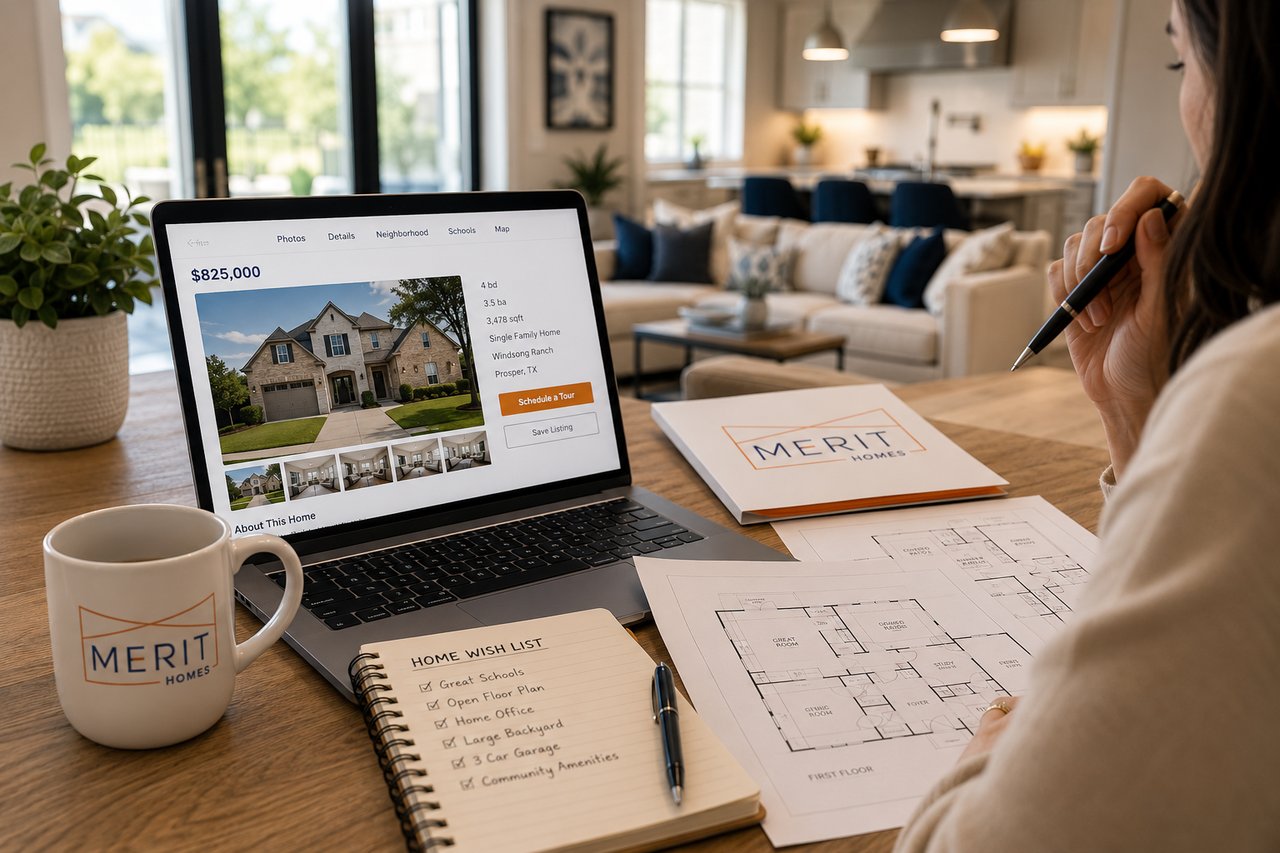
I'd begin with a piece of paper.
On one side:
Things I can change.
Paint.
Flooring.
Kitchen.
Bathrooms.
Lighting.
Landscaping.
On the other:
Things I can't change.
Location.
Commute.
Lot.
Street.
Neighborhood.
School district.
Surrounding development.
Then I'd spend my money protecting the second list.
After that, I'd come back to the Three L's.
Location
Which city makes my everyday life easier?
Livability
Which home actually works better for how I live?
Lifestyle
Which city feels more like the place I want to spend the next five or ten years?
Once you answer those questions, the choice between Plano and Frisco often becomes much clearer.
So, Frisco or Plano?
If you want me to declare a winner, I'm probably going to disappoint you.
There isn't one.
Frisco may make more sense if newer housing, continued development, sports, entertainment and the energy of a growing city are high priorities.
Plano may make more sense if you value a more established environment, mature neighborhoods, access farther south and the opportunity to buy in areas that have had decades to develop their character.
But even those descriptions are generalizations.
There are established neighborhoods in Frisco.
There are newer homes in Plano.
There are quiet corners of both cities and busy ones.
That's why I don't think you can choose between them from a spreadsheet.
You need to experience them.
Drive the neighborhoods.
Test the commute.
Walk through houses.
Have lunch nearby.
See where you'd buy groceries.
Imagine Tuesday morning, not just Saturday afternoon.
Because the goal isn't figuring out whether Frisco is better than Plano.
The goal is figuring out which one is better suited to you.
Considering Frisco or Plano?
If you're relocating to North Dallas and both cities are on your list, let's compare them side by side.
We'll look at actual homes in your budget, commute, neighborhoods, schools, taxes, housing styles, amenities and the everyday tradeoffs that don't always show up online.
Then we'll come back to the Three L's:
Location. Livability. Lifestyle.
Because you can find an excellent house in either city.
The more important decision is where you want your life around that house to happen.