
There's a funny thing that happens when people start researching a move to North Dallas.
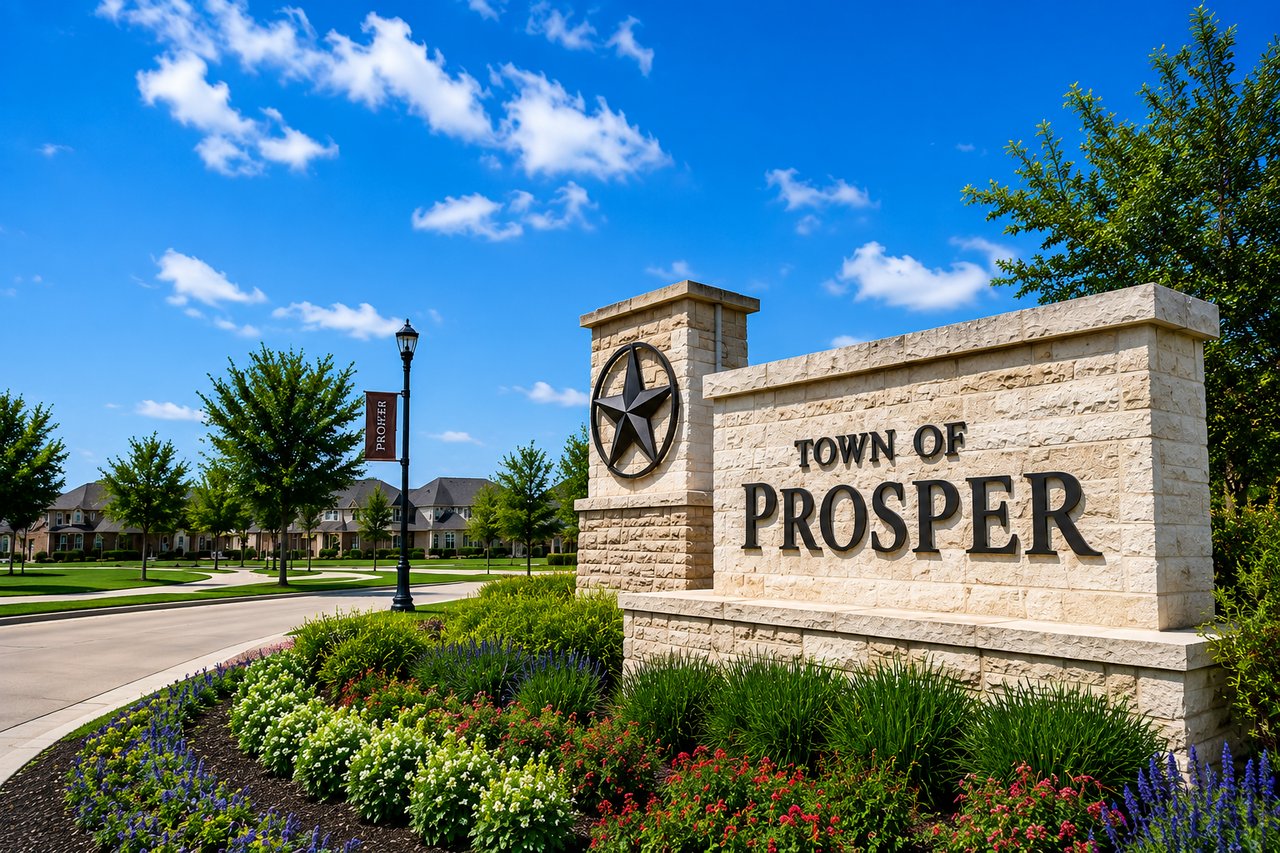
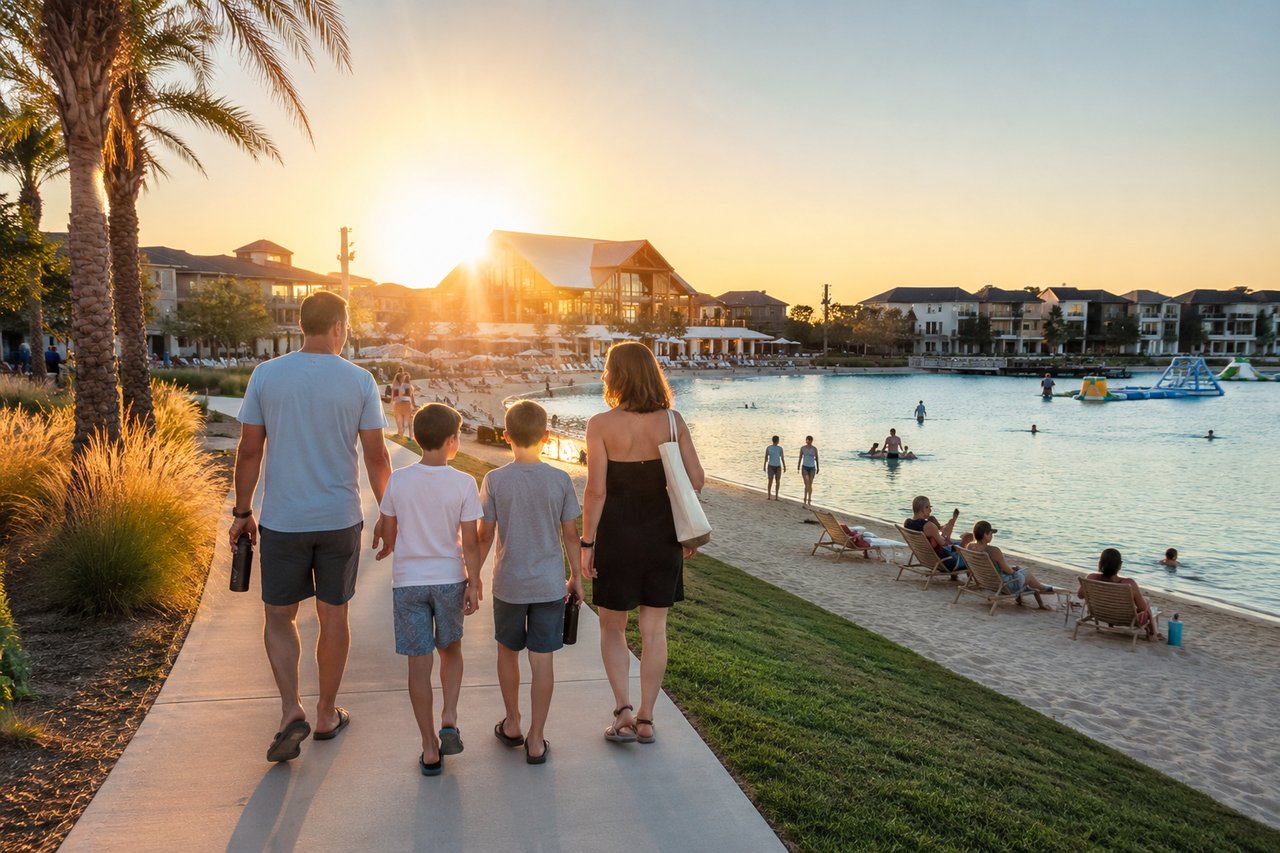
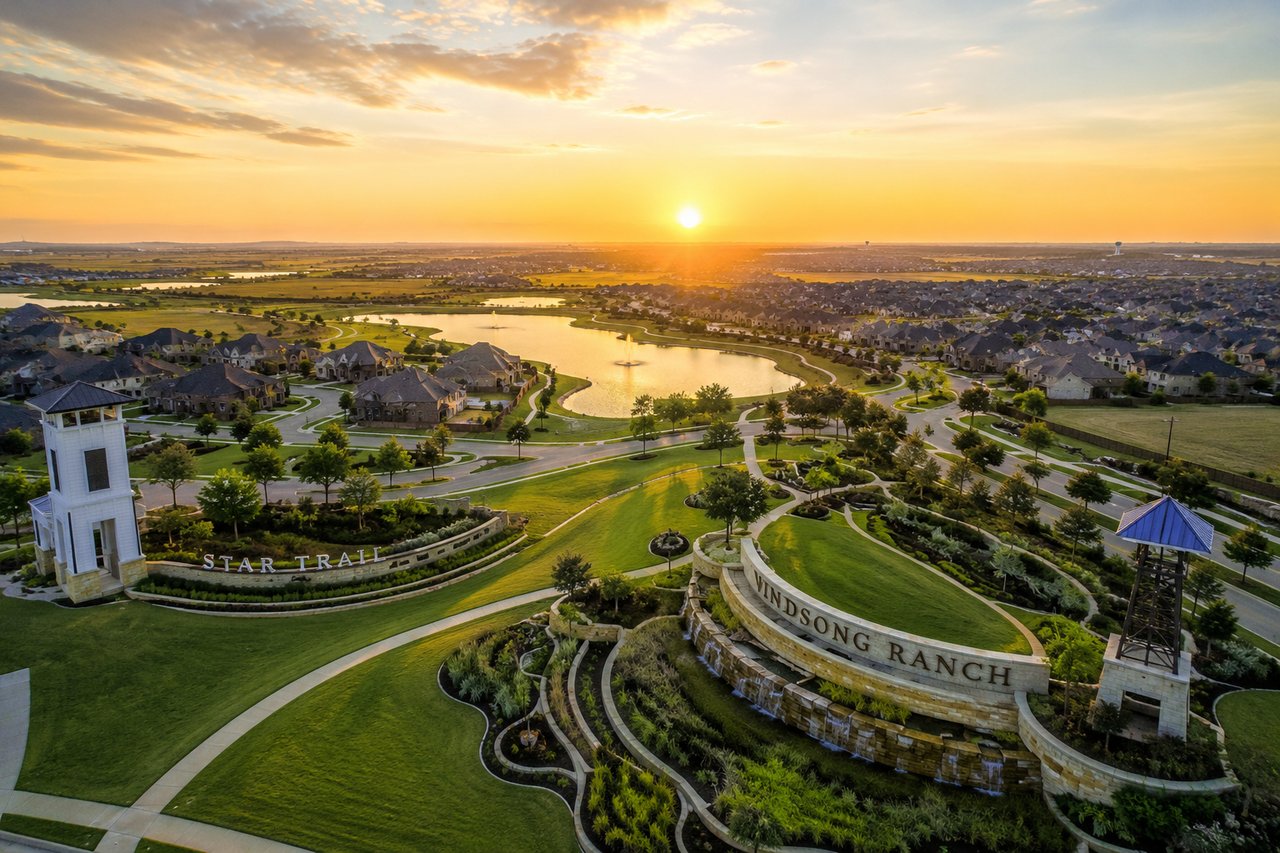
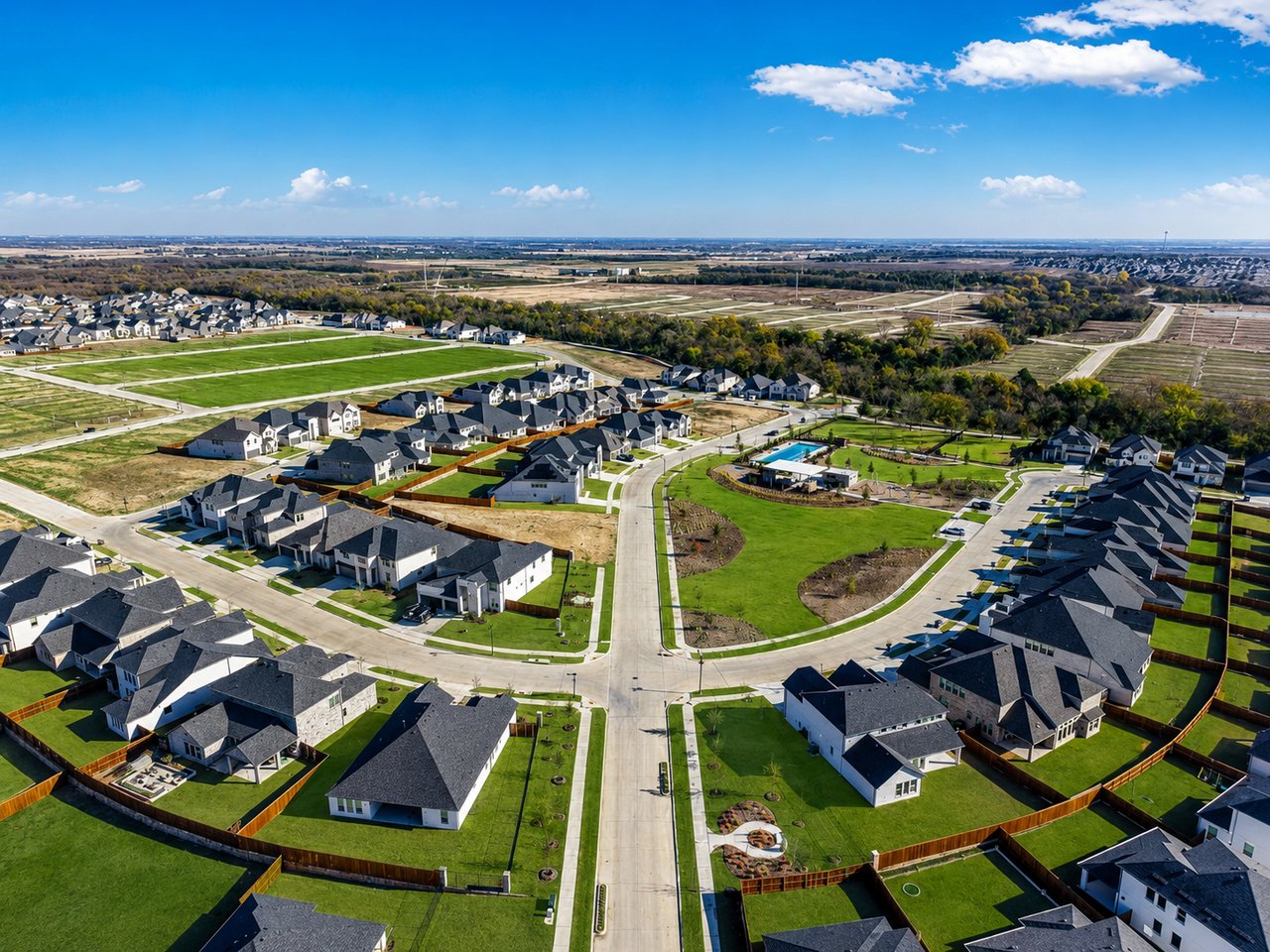
They hear a lot about Prosper, Celina, Frisco and McKinney. New neighborhoods, master-planned communities, beautiful model homes and all the growth happening north of Dallas.
And there's certainly plenty to talk about.
But sometimes, in all the excitement surrounding the newer communities, a city like Plano gets overlooked.
Which is interesting, because Plano already has many of the things people are hoping those newer communities will eventually develop.
Established neighborhoods. Mature trees. Major employers. Restaurants. Shopping. Parks. Recreation centers. And a location that puts much of the Dallas area within reach.
Now, that doesn't automatically make Plano the right choice for everyone.
Some buyers want a brand-new home. Others want a larger lot, a quieter setting or the opportunity to choose finishes before construction begins.
But when someone tells me they're relocating to North Texas, I think Plano deserves a serious look.
The key is understanding that Plano isn't one neighborhood or one lifestyle. It's a collection of very different places within the same city.
And choosing the right part of Plano can be every bit as important as choosing the right house.
Plano Has Grown Up, and That's Part of Its Appeal
Plano's story is a little different from that of many communities farther north.
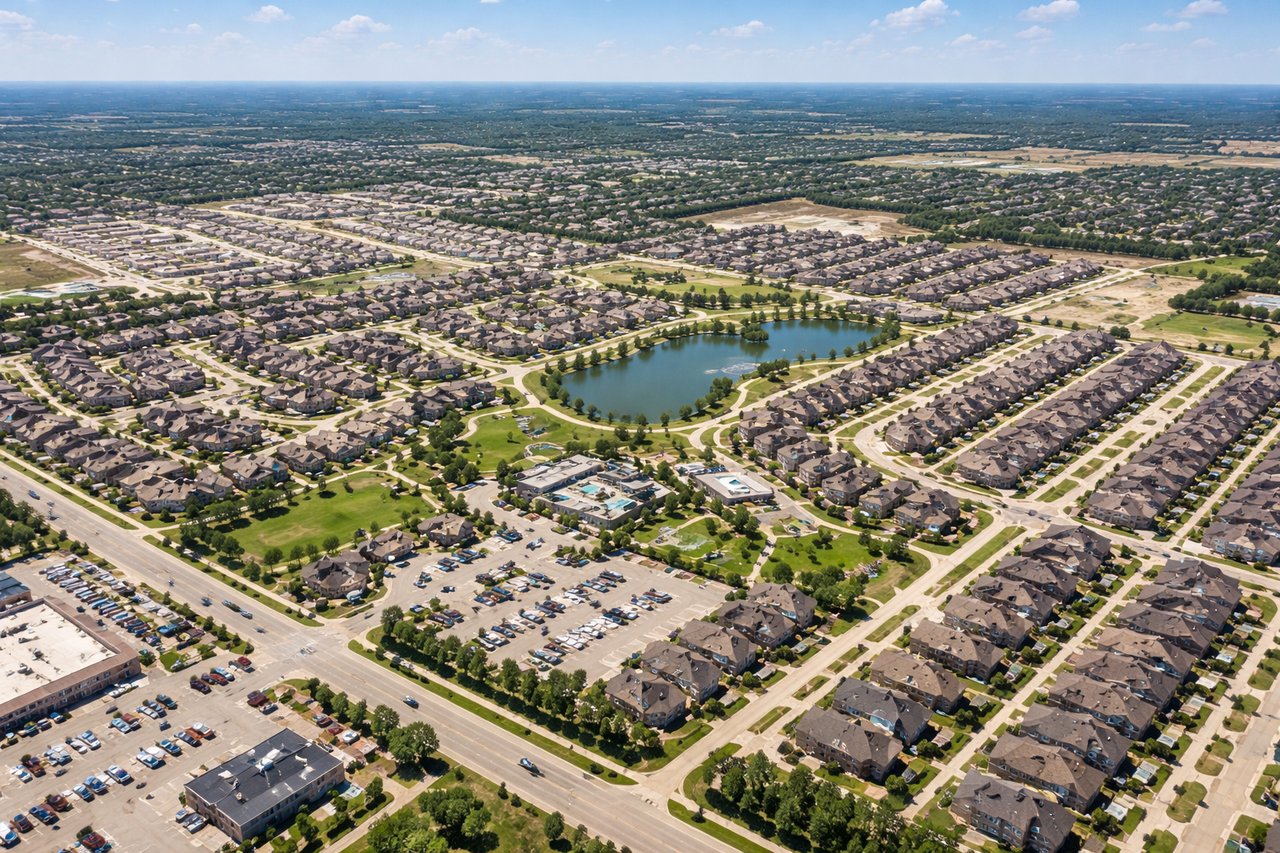
While cities like Celina and Prosper are experiencing substantial residential expansion, Plano went through much of its major suburban growth decades ago.
According to the City of Plano, the population grew from fewer than 18,000 residents in 1970 to more than 222,000 by 2000. The city's 2025 estimate is approximately 301,000 residents.
That's an extraordinary transformation.
But it also means much of Plano's residential landscape is already established.
Drive through different parts of the city, and you'll find neighborhoods built during the 1970s, 1980s, 1990s and 2000s, along with more recent residential developments.
You'll also find something that isn't always easy to appreciate when you're looking at listings online.
The infrastructure is already there.
The streets, parks, shopping areas and employment districts have been developing for years.
Of course, established doesn't mean everything is perfect. Older roads require maintenance, commercial areas change, and homes eventually need updating.
But for buyers who prefer a community where much of the surrounding development is already complete, Plano offers a different proposition from a rapidly expanding suburb.
First, Understand the Three Different Sides of Plano
If I were helping someone relocate to Plano, I'd begin by dividing the city into three broad areas.
Not because these are official neighborhood boundaries, but because they help explain how dramatically the experience can change from one side of town to another.
East Plano: History, Character and Access to Central Dallas
East Plano includes some of the city's older residential neighborhoods, as well as the historic downtown district.
You'll find traditional brick homes, established streets, smaller properties in some areas and a variety of housing styles.
For buyers who appreciate older homes, renovation opportunities or proximity to Downtown Plano, this part of the city is worth exploring.
East Plano also provides access to US Highway 75, which can be useful for people traveling toward Richardson, North Dallas or other destinations along that corridor.
One of the things I like about older neighborhoods is that they often have a personality that's difficult to capture in a listing description.
The trees have had time to grow.
The houses don't all look alike.
And you can see how the neighborhood has evolved.
But with older homes comes the need for careful evaluation.
I'd pay particular attention to the roof, foundation, HVAC systems, plumbing, electrical components and any major renovations.
A beautifully updated kitchen is nice.
Understanding the condition of the home underneath it is even more important.
Central Plano: Established Neighborhoods and Everyday Convenience
Central Plano offers a broad selection of established residential neighborhoods.
This is where buyers can find traditional single-family homes, mature landscaping, parks, shopping and convenient access to major roads.
Many homes were built during the decades when Plano was experiencing its fastest residential growth.
Depending on the neighborhood, you'll find everything from relatively modest floor plans to larger homes with pools, dedicated studies and substantial outdoor living spaces.
For some buyers, Central Plano represents an appealing middle ground.
They want an established neighborhood, but they also want convenient access to different parts of the city.
And they may prefer purchasing an existing home with a finished backyard rather than starting from scratch.
One thing I'd emphasize: don't assume two homes built in the same decade will offer the same experience.
Floor plans, renovations, maintenance and lot characteristics can vary tremendously.
I'd rather see a buyer choose a well-maintained home with a functional layout than stretch their budget for a larger property that needs significant work.
West Plano: Corporate Centers, Shopping and Upscale Neighborhoods
West Plano has a different feel.
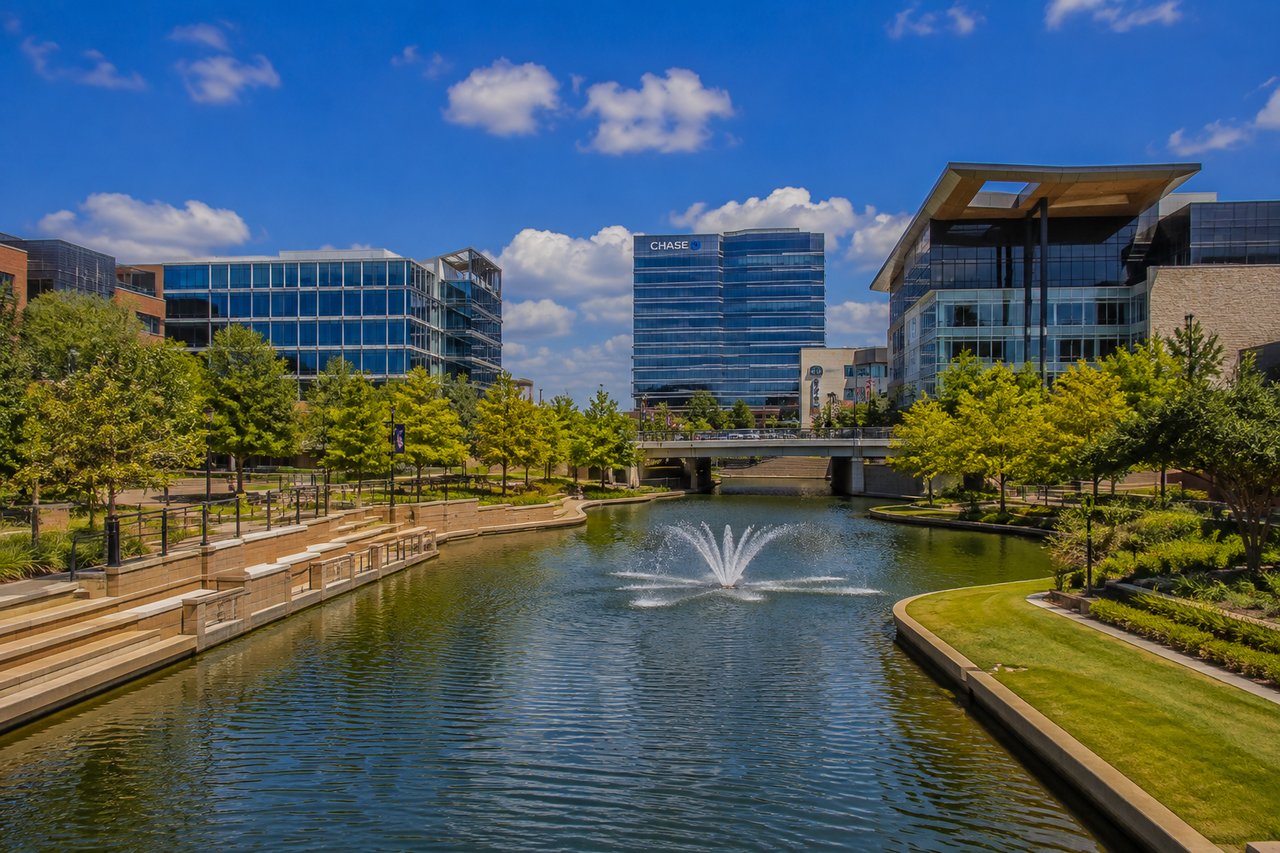
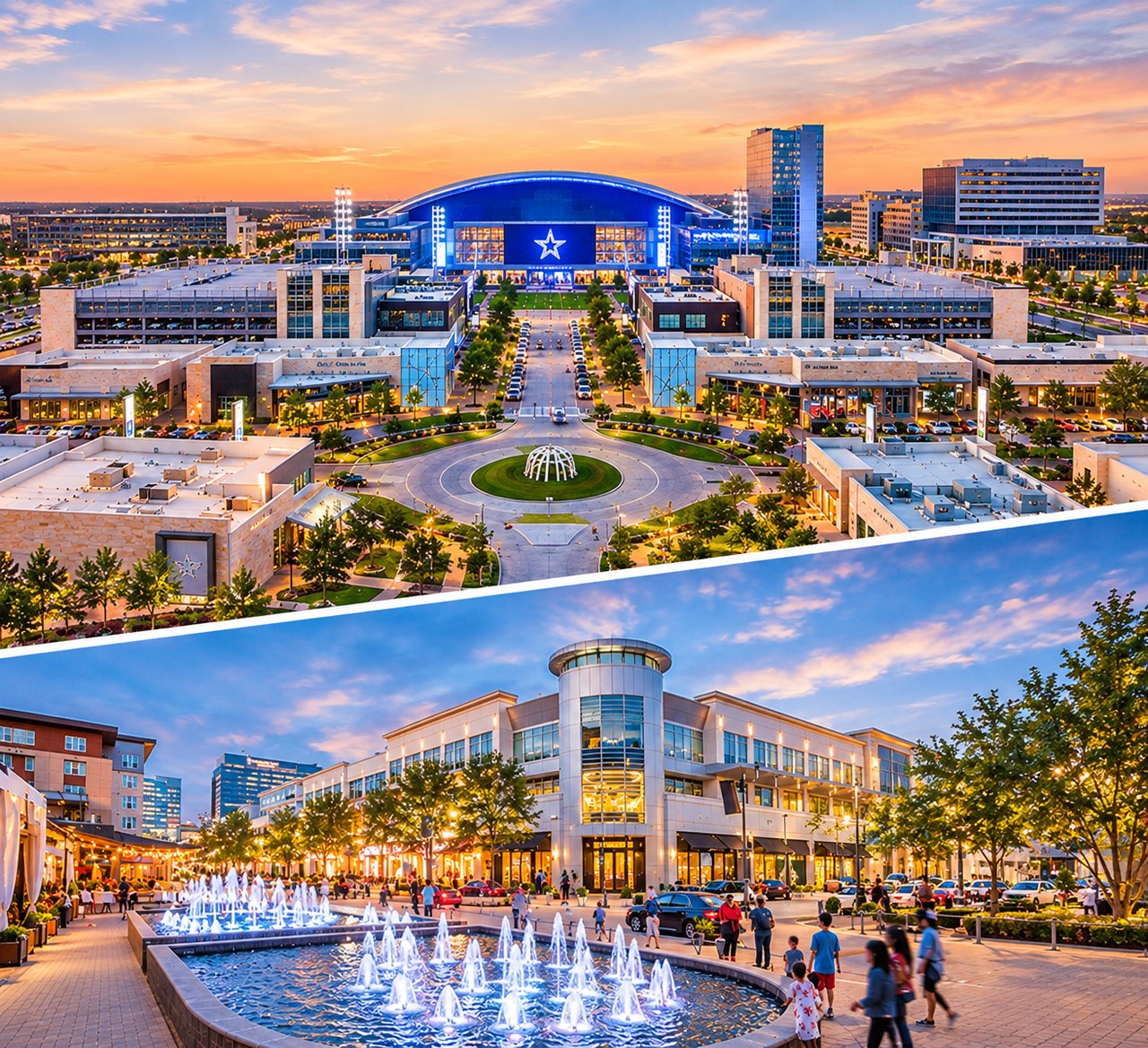
This is where you'll find major employment centers, upscale residential neighborhoods and destinations such as Legacy West and The Shops at Legacy.
Areas around Willow Bend, Gleneagles and other established West Plano neighborhoods offer a range of larger homes and distinctive residential settings.
There are also townhomes, apartments and other housing options near the Legacy business and entertainment district.
For buyers who work in or around Legacy, living nearby can be particularly appealing.
But West Plano isn't automatically the most convenient location for everyone.
Someone commuting to Richardson or downtown Dallas may find a different part of Plano more practical.
And someone who wants a quieter residential setting may prefer being farther from the busiest commercial districts.
That's why I wouldn't start with the assumption that one side of Plano is better.
I'd start with where you need to go and how you want to spend your time.
Plano's Biggest Advantage May Be Its Location
When people relocate to North Dallas, they're often surprised by how much geography matters.
A home can look close to everything on a map.
Then you drive the route during the afternoon commute.
Suddenly, close doesn't feel quite so close.
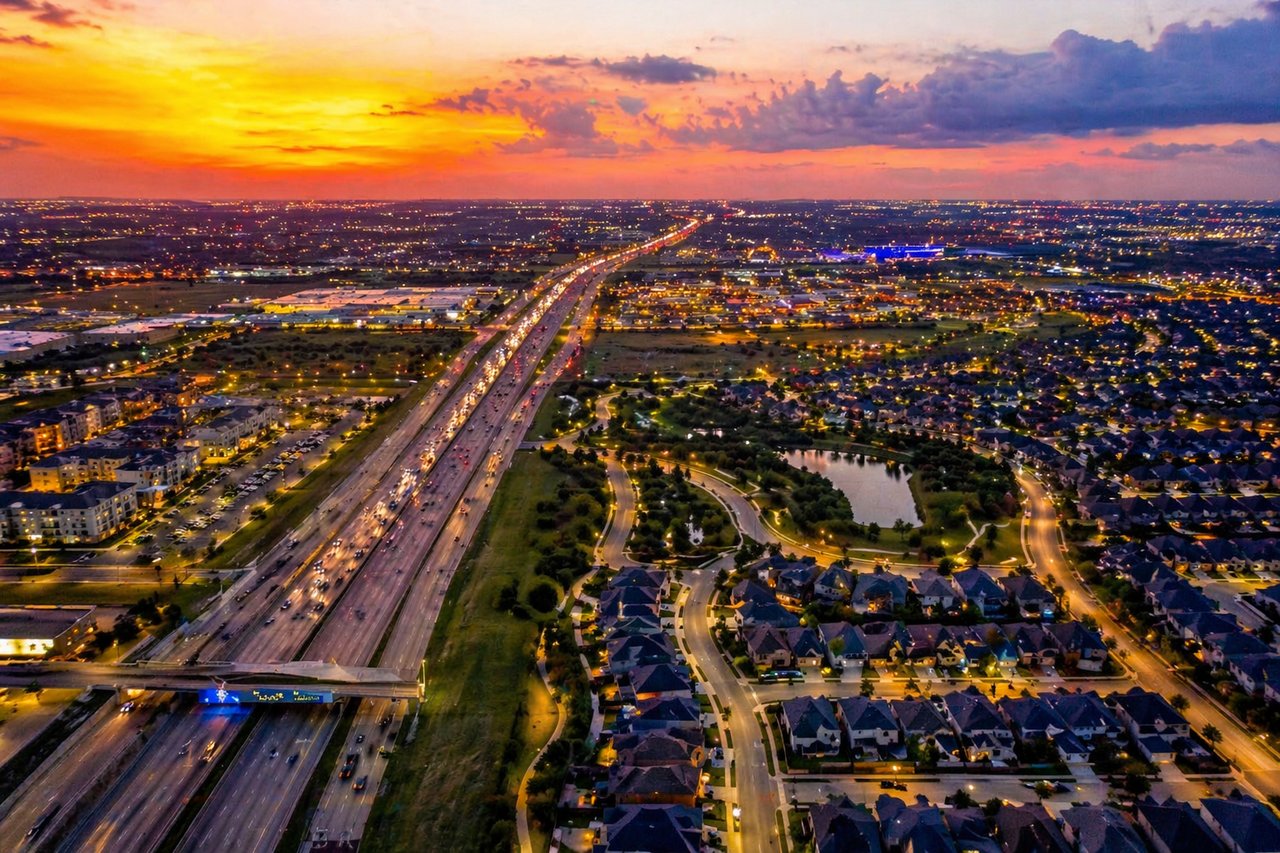
Plano benefits from access to several major transportation corridors, including US Highway 75, the Dallas North Tollway, President George Bush Turnpike and Sam Rayburn Tollway (SH 121).
Those roads connect the city with employment centers and destinations throughout the region.
But the specific location of your home makes a significant difference.
Living near US 75 is a different commuting proposition from living near the Dallas North Tollway.
And if you're traveling regularly to Dallas Fort Worth International Airport or Dallas Love Field, you'll want to evaluate your actual route rather than relying on a citywide travel-time estimate.
Here's what I'd do before choosing a neighborhood.
I'd identify the three or four places I'd visit most often.
Work.
The airport.
Family or friends.
Regular appointments.
Maybe a favorite shopping or entertainment area.
Then I'd drive those routes at the times I'd normally travel.
Because saving fifteen or twenty minutes on a trip you make every day can matter far more than having an extra hundred square feet in the house.
Plano Is Also a Major Employment Center
One of the reasons Plano developed into such an important North Dallas community is its business presence.
The city is home to major corporate offices and regional employment centers.
Companies such as Toyota Motor North America, JCPenney and Frito-Lay have a significant presence in Plano, alongside numerous technology, financial services and professional organizations.
The Legacy area is particularly important.
According to Plano's 2026 Legacy Area Master Plan materials, the district encompasses approximately five square miles and includes more than 37 million square feet of corporate and regional headquarters space.
The city estimates that more than 96,000 people work in the Legacy area.
That's a substantial employment concentration.
And it helps explain why proximity to Legacy can be an important consideration for some relocating buyers.
Of course, employment arrangements change. Before choosing a home based on a particular office, I'd confirm the company's actual work location and expectations.
A hybrid schedule may give you flexibility.
A five-day commute may make location much more important.
Let's Talk About Housing Prices
Plano isn't necessarily the least expensive place to buy a home in North Dallas.
But it offers a wide range of housing options.
You'll find older single-family homes at more approachable price points, updated properties in established neighborhoods, townhomes and upscale homes that can reach well into seven figures.
The important thing is not to confuse a citywide median price with what a particular home should cost.
Recent market data provides some perspective.
Redfin reported a median Plano sale price of approximately $520,000 for the three-month period ending August 2026.
A separate September 2026 report using NTREIS MLS data placed the monthly median around $500,000.
Those figures use different reporting periods and methodologies, but both provide a useful general reference point.
Neither tells you what a particular neighborhood or property is worth.
A renovated home with a pool in West Plano may compete in a completely different market from an older home in East Plano.
And the same asking price can represent very different values depending on condition, lot, location and recent improvements.
My advice is simple.
Compare homes within their actual competitive market, not just against the citywide average.
That's particularly important in Plano because the housing stock is so varied.
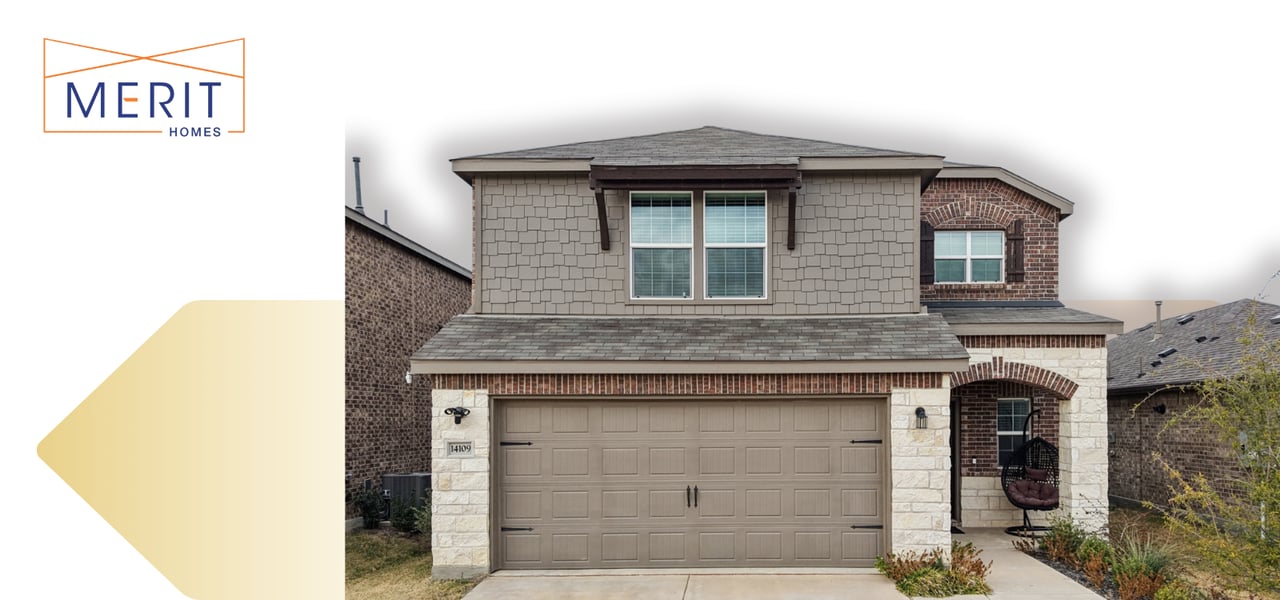
The New Construction Question
If you're moving to North Texas because you want a brand-new home, Plano may require a different search strategy.
Unlike some of the rapidly expanding communities farther north, Plano has relatively limited land available for large new single-family subdivisions.
That doesn't mean new construction doesn't exist.
There are infill projects, redevelopment opportunities, townhomes and smaller residential developments.
But buyers looking for dozens of builders and extensive new-home inventory may find more options in cities such as Celina, Prosper or parts of McKinney.
And that's perfectly fine.
The question is what you're willing to trade.
Would you rather have a brand-new home farther from your office?
Or an established home in Plano with a shorter commute and mature landscaping?
Would you prefer selecting your finishes?
Or purchasing a home with an existing pool, finished patio and established trees?
Neither answer is universally correct.
But those are the kinds of decisions that make a real difference in everyday life.
Legacy West and The Shops at Legacy: Two Different Experiences
One of Plano's most recognizable destinations is the Legacy area.
And it's worth understanding that Legacy West and The Shops at Legacy are separate developments.
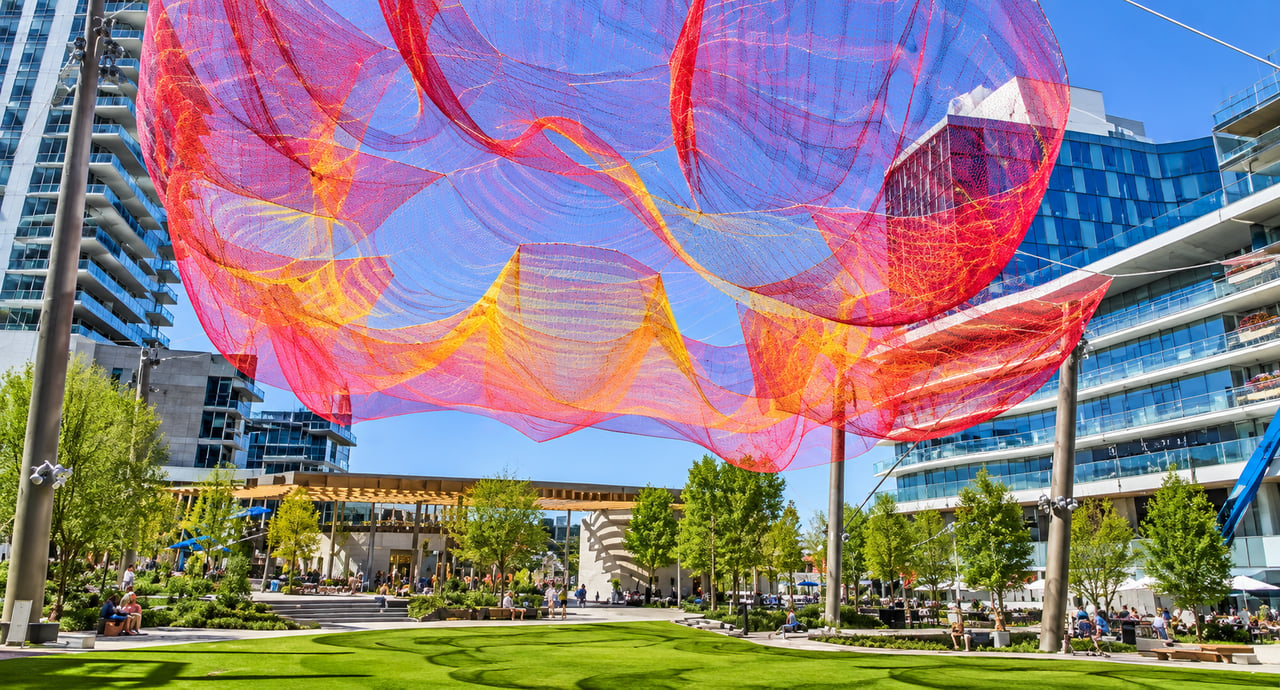
Legacy West is a mixed-use destination with shopping, dining, offices and residential options.
It's designed around a more contemporary urban-style environment, with restaurants, pedestrian areas and major retail brands.
Nearby, The Shops at Legacy offers another collection of restaurants, shopping and gathering places.
Together, these districts contribute to the character of West Plano.
For someone who enjoys meeting friends for dinner, exploring restaurants or living near an active commercial area, that can be appealing.
But I wouldn't assume that everyone wants to live right next to it.
Some buyers prefer having entertainment a short drive away rather than outside their front door.
And that's another reason to explore Plano in person.
The experience of living in a townhome near Legacy can be dramatically different from living on a quiet residential street a few miles away.
Both can be great.
They just serve different preferences.
Downtown Plano: A Different Side of the City
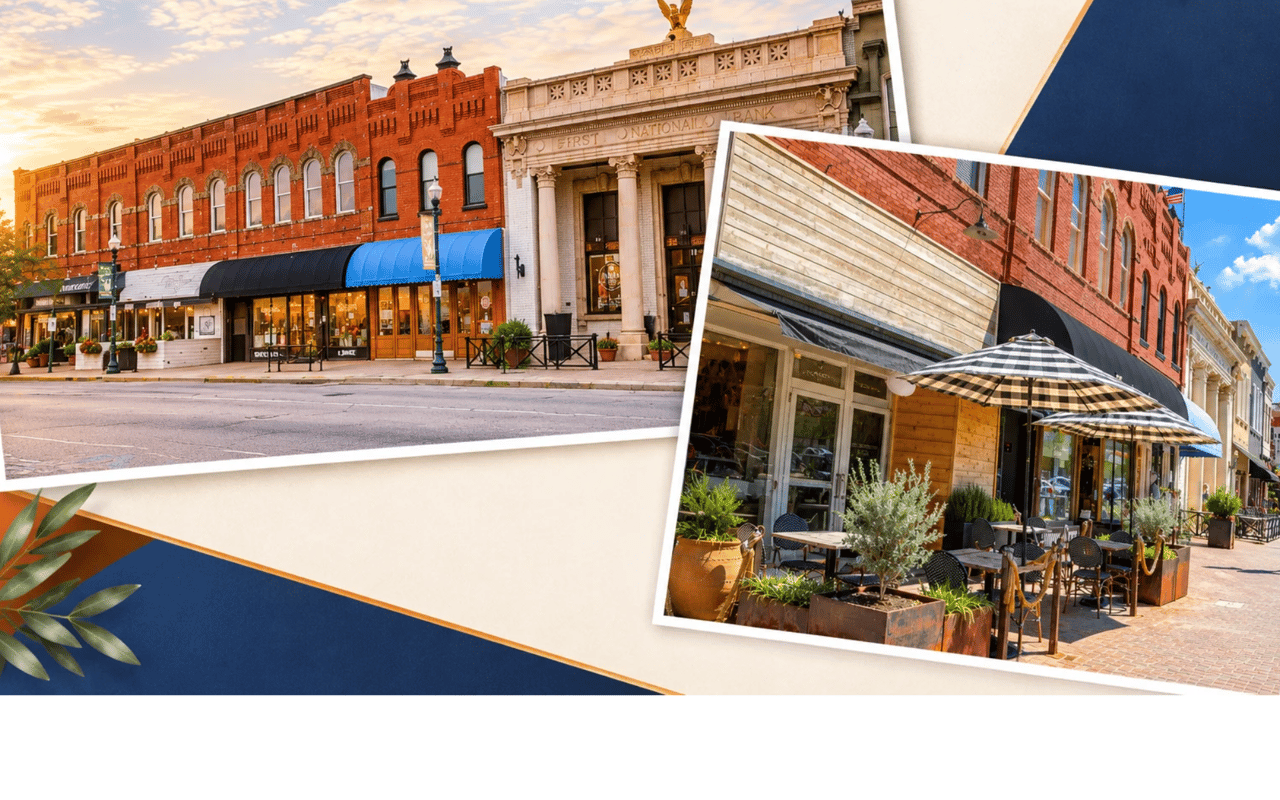
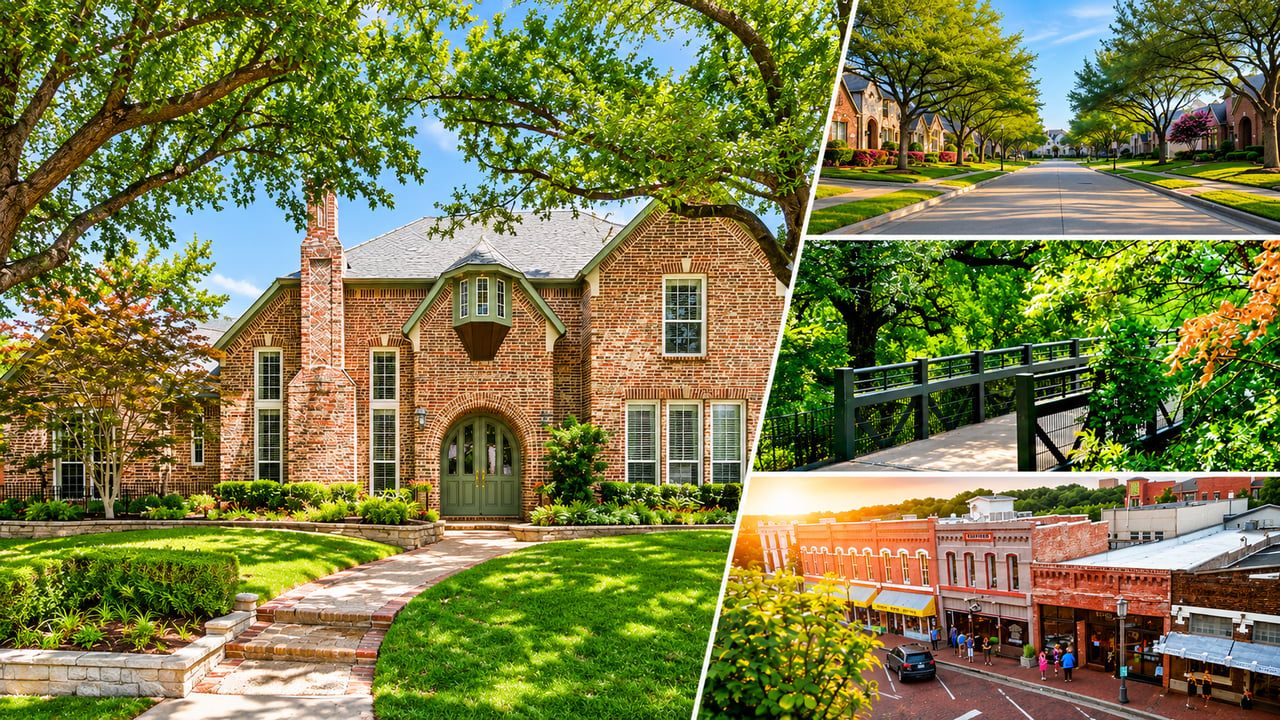
One of the things people sometimes overlook about Plano is that it has a historic downtown of its own.
The Downtown Plano Arts District offers restaurants, shops, public art and a more traditional downtown setting.
It's different from Legacy West.
And that's what makes it interesting.
Rather than a modern mixed-use development, Downtown Plano reflects an older part of the city's history.
You'll find historic architecture, local businesses and gathering spaces around the downtown streets.
Haggard Park is another feature of the area, offering green space near the historic district.
For buyers who appreciate older neighborhoods and local character, I'd suggest spending some time here.
Grab a coffee.
Walk around.
Explore the surrounding streets.
And get a sense of how this part of Plano feels compared with the city's western side.
That's the kind of local research that can tell you more than a dozen online neighborhood descriptions.
Plano Has More Outdoor Space Than You Might Expect
When people think of Plano, they often picture corporate offices, busy roads and established suburban neighborhoods.
But the city also has an extensive parks and trail system.
Two destinations are particularly worth knowing.
Arbor Hills Nature Preserve
Located in western Plano, Arbor Hills Nature Preserve encompasses approximately 200 acres.
It offers walking and hiking trails, natural scenery and opportunities to enjoy the outdoors without leaving the city.
It's a popular destination for people who enjoy getting outside, whether that's for exercise or simply a change of pace.
Oak Point Park and Nature Preserve
On the eastern side of Plano, Oak Point Park and Nature Preserve covers approximately 800 acres.
It's the city's largest park and includes extensive natural areas and recreational opportunities.
For buyers considering East Plano, proximity to Oak Point can be an attractive lifestyle consideration.
Plano also has trails such as the Chisholm Trail, Bluebonnet Trail and Preston Ridge Trail.
The point isn't that every home is within walking distance of a nature preserve.
It's that outdoor recreation is part of Plano's broader lifestyle, even though the city is heavily developed.
And for buyers who enjoy walking, running or cycling, access to those spaces may influence where they want to live.
Schools: Verify the Address, Not the Assumption
Schools are often part of a relocation conversation.
But this is one area where I encourage buyers to be particularly careful.
Much of Plano is served by Plano Independent School District, but school district boundaries don't necessarily follow city boundaries.
Depending on the property, another district may be involved.
And even within a district, attendance zones can vary.
I recommend verifying the assigned schools for each specific property directly with the school district.
If educational programs, extracurricular activities or particular services matter to your household, research those individually.
School assignments, programs and district policies can change.
I'd also encourage buyers to review objective information and visit campuses when possible rather than relying on broad claims about which schools or neighborhoods are supposedly better.
The right choice depends on the student's needs and the household's priorities.
What About Public Transportation?
Plano has a transportation option that many farther-north suburbs don't offer in the same way.
DART provides rail and bus service in parts of the city.
For someone who works near a transit connection or wants alternatives to driving for certain trips, that can be worth investigating.
But don't assume that living anywhere in Plano means you can easily walk to a station.
The city is large, and many residential neighborhoods remain primarily car-oriented.
I'd check the specific route, station access, service frequency and total travel time.
A transit option is only useful if it fits the trip you actually need to make.
Matt's Perspective: Don't Confuse Newer With Better
When I moved from California to Texas in 2020, I spent a lot of time learning how different North Dallas communities compared.
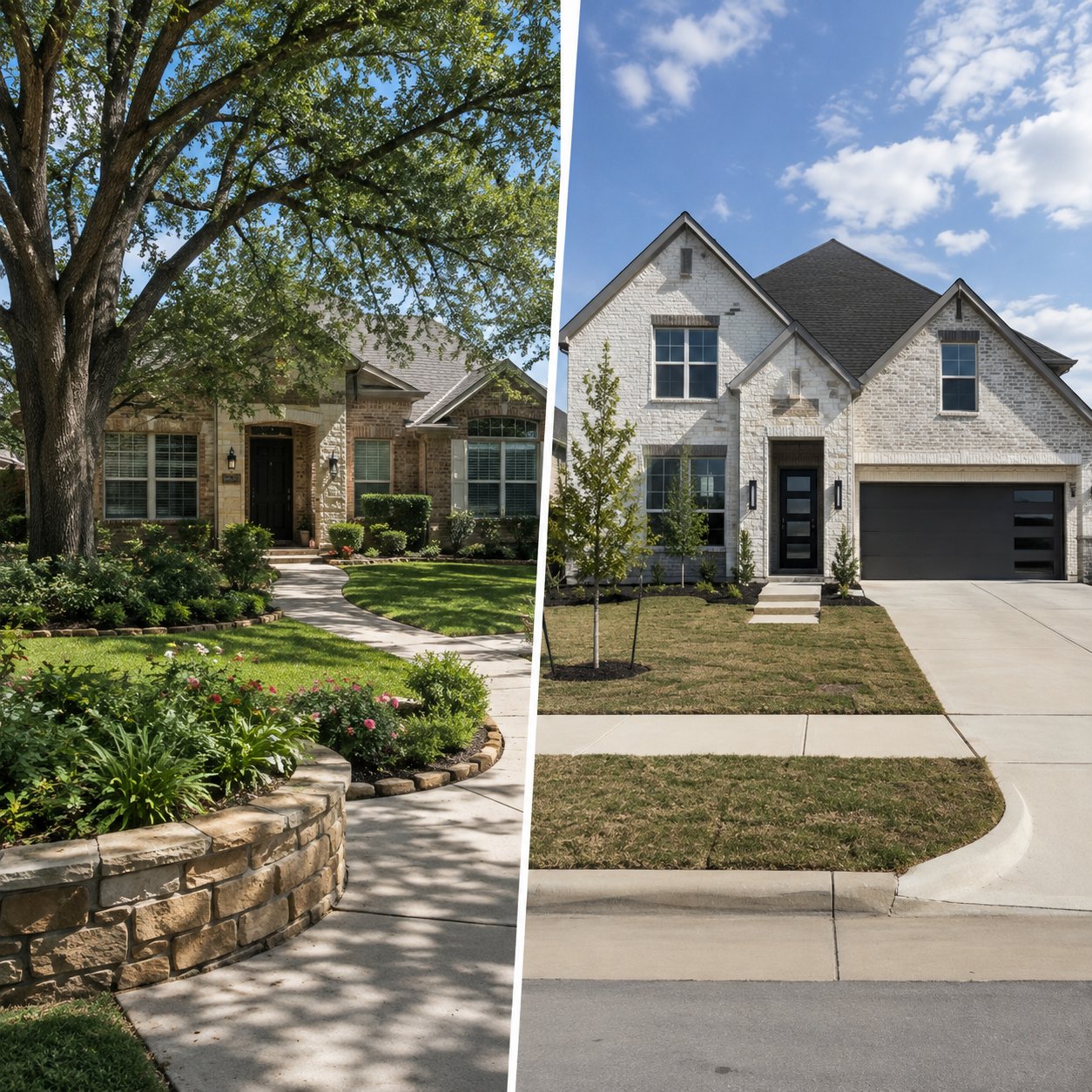
One of the things that stood out was how easy it is to become focused on the newest neighborhoods.
The model homes are beautiful.
The marketing is impressive.
And there's something exciting about seeing a community take shape.
But newer doesn't automatically mean better.
Sometimes the things that make a home enjoyable are the things that take years to develop.
Mature trees.
Established parks.
Nearby restaurants.
Convenient shopping.
A backyard that's already finished.
Or simply a location that makes everyday life easier.
Plano is a good reminder of that.
You may find a home that needs some updating.
But you may also find a neighborhood that offers something difficult to reproduce in a new development.
And I'd encourage buyers to consider both sides of that equation.
The Three L's of Living in Plano
When I help buyers evaluate a community, I like to bring the conversation back to three things.
Location, Livability and Lifestyle.
Plano is a great example of why all three matter.
Location: How Convenient Is Your Everyday Life?
For some buyers, Plano's location will be its greatest advantage.
Access to major employers, highways, restaurants, shopping and established services can make a meaningful difference.
But location is personal.
A home that's convenient for someone working near Legacy may not be convenient for someone commuting toward downtown Dallas.
I'd evaluate each property based on the actual places you need to reach.
Not simply its ZIP code.
Livability: Does the Home Work for You?
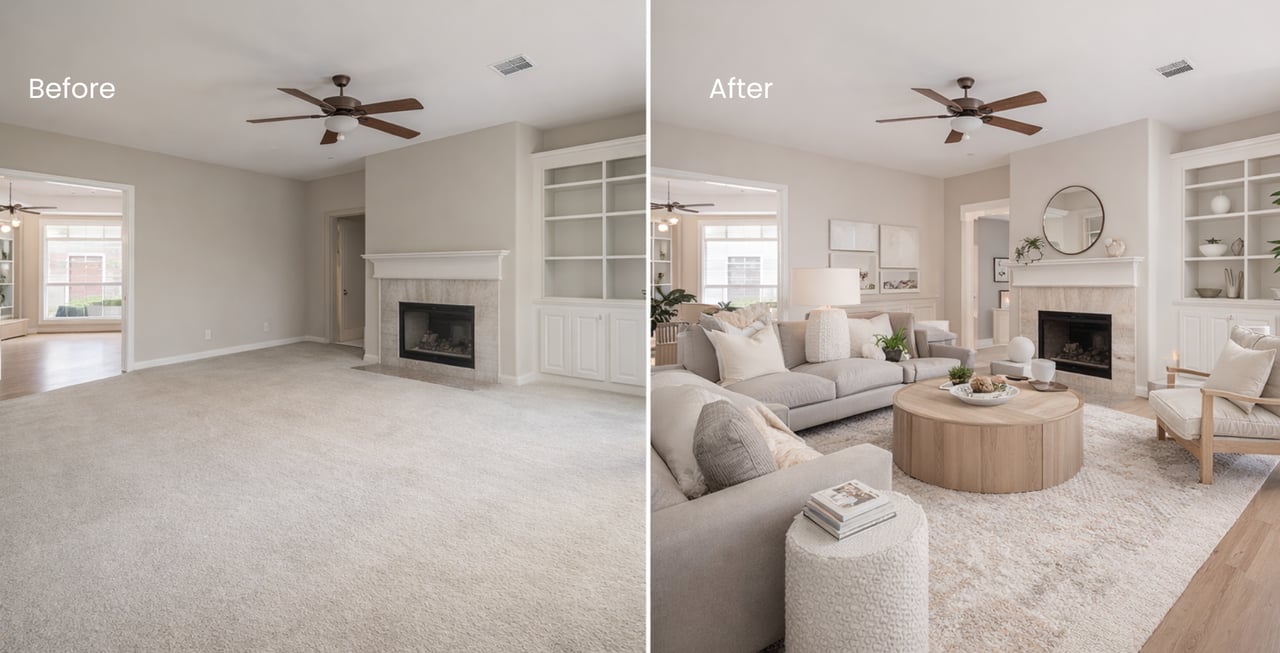
Plano offers a wide variety of floor plans and housing styles.
That variety can be an advantage.
But older homes may have layouts that don't match current preferences.
Some may have smaller kitchens, formal living spaces or less open floor plans.
Others may have been extensively remodeled.
I'd focus on how the home functions.
Can you work comfortably from home?
Is there enough storage?
Does the kitchen fit the way you cook and entertain?
Are the bedrooms arranged the way you want?
How much maintenance are you willing to take on?
And if you're considering a renovation, does the cost make sense relative to the property's value?
A home doesn't have to be brand-new to be a great fit.
But it does need to work for the way you live.
Lifestyle: What Do You Want Your Weekends to Look Like?
This is where Plano becomes particularly interesting.
You might enjoy dining and shopping near Legacy.
You might prefer exploring Downtown Plano.
You might spend your mornings walking through Arbor Hills or Oak Point.
Or you might simply appreciate having everyday errands close to home.
The lifestyle question isn't about which community has the longest list of amenities.
It's about which amenities you'll actually use.
And how easily you can enjoy them.
What I'd Look for When Buying an Older Plano Home
Because so much of Plano's housing stock is established, I would spend extra time evaluating condition.
That doesn't mean older homes are inherently problematic.
A well-maintained home built thirty years ago may be a better purchase than a poorly maintained home built ten years ago.
But there are several things I'd want to understand.
First, the major systems.
How old is the roof?
What is the condition of the HVAC equipment?
Have plumbing or electrical systems been updated?
Has the foundation been evaluated or repaired?
Second, I'd review the renovations.
Were improvements properly permitted where required?
Were they completed professionally?
Do they address functionality, or are they primarily cosmetic?
Third, I'd look at the lot and drainage.
Are there signs of water collecting near the foundation?
How is the grading?
Are large trees close enough to the home that their roots or branches require attention?
And finally, I'd consider future expenses.
A home may be attractively priced because it needs significant work.
That's not necessarily a bad thing.
But I'd want buyers to understand the likely costs before deciding how much to offer.
What I'd Do If I Were Relocating to Plano
If I were moving to Plano today, I wouldn't begin by searching every home in the city.
I'd narrow the search based on my daily routine.
First, I'd determine where I needed to travel most often.
Then I'd identify which parts of Plano made the most sense geographically.
After that, I'd spend time exploring those areas.
Not just touring homes.
I'd drive the neighborhoods.
Visit nearby shopping areas.
Check out the parks.
Explore Downtown Plano and Legacy.
And pay attention to the differences between streets and subdivisions.
I'd also look carefully at the age and condition of the homes.
A renovated property might be worth a premium.
But I'd want to know whether that premium was supported by comparable sales.
And I wouldn't overlook a well-maintained home simply because the kitchen wasn't the latest style.
Cosmetic updates can be changed.
Location, lot characteristics and neighborhood surroundings are much harder to change.
Finally, I'd make sure I understood the complete cost of ownership.
Property taxes.
Insurance.
HOA assessments, if applicable.
Maintenance.
And any improvements I expected to make after closing.
The purchase price is important.
But it isn't the entire financial picture.
Is Plano the Right Place for You?
Here's what I think makes Plano worth considering.
It's a city that offers many of the conveniences people move to North Dallas hoping to find.
Established neighborhoods.
Major employment centers.
Shopping and dining.
Parks and trails.
Different housing styles.
And access to much of the Dallas metropolitan area.
But it also comes with trade-offs.
New construction choices are more limited than in some northern suburbs.
Older homes may require more maintenance.
Traffic can be frustrating.
And the experience of living in East Plano can be very different from living in West Plano.
That's why I wouldn't recommend choosing Plano simply because someone told you it's a great place to live.
I'd recommend exploring it and deciding whether it fits your priorities.
Because the question isn't really whether Plano is better than Prosper, Celina, Frisco or McKinney.
The question is whether Plano offers the right combination of Location, Livability and Lifestyle for you.
And if it does, you may discover that the home you've been looking for isn't in the newest neighborhood.
It may be waiting on a quiet Plano street, under the shade of trees that have been growing for thirty years.