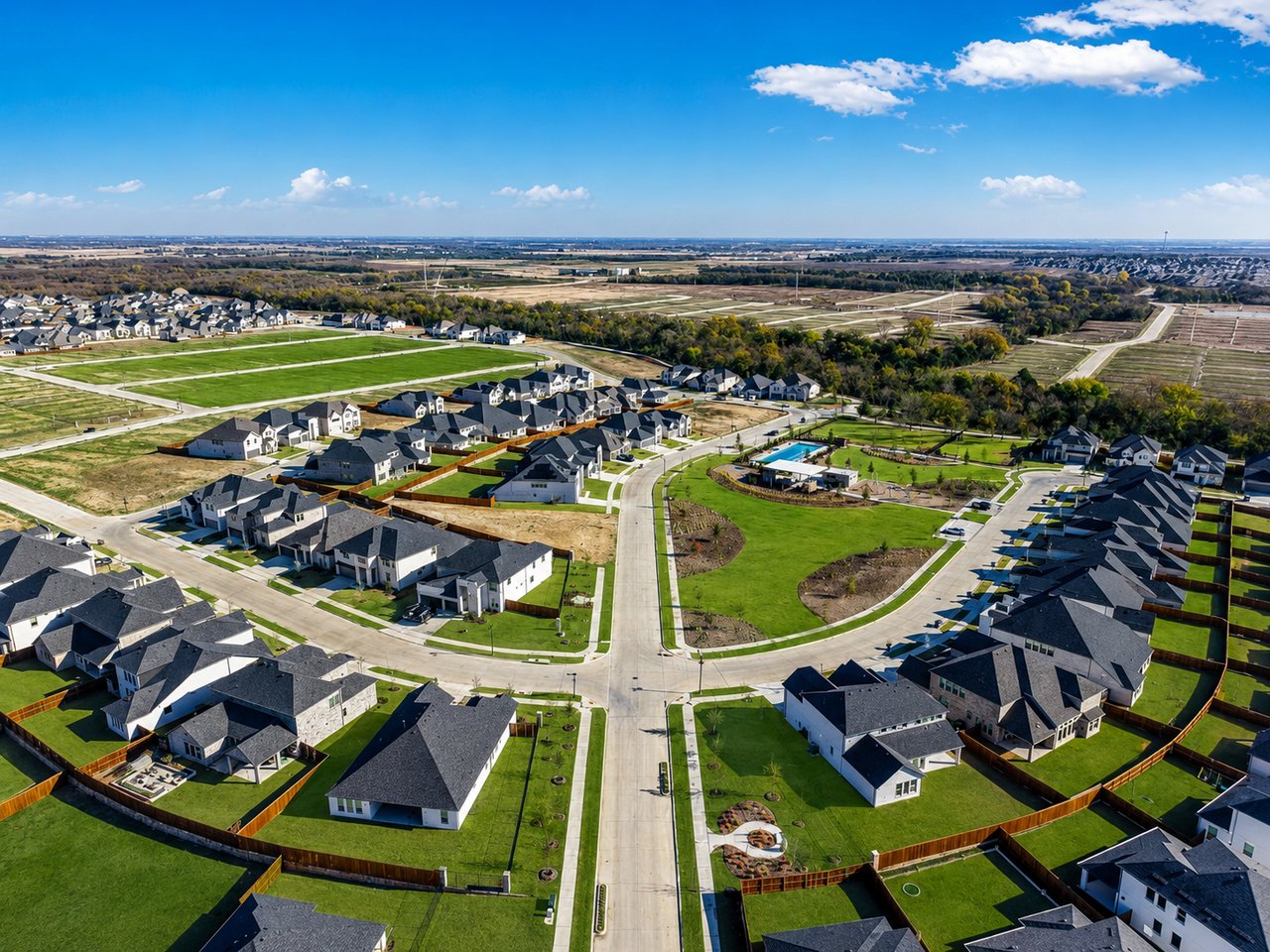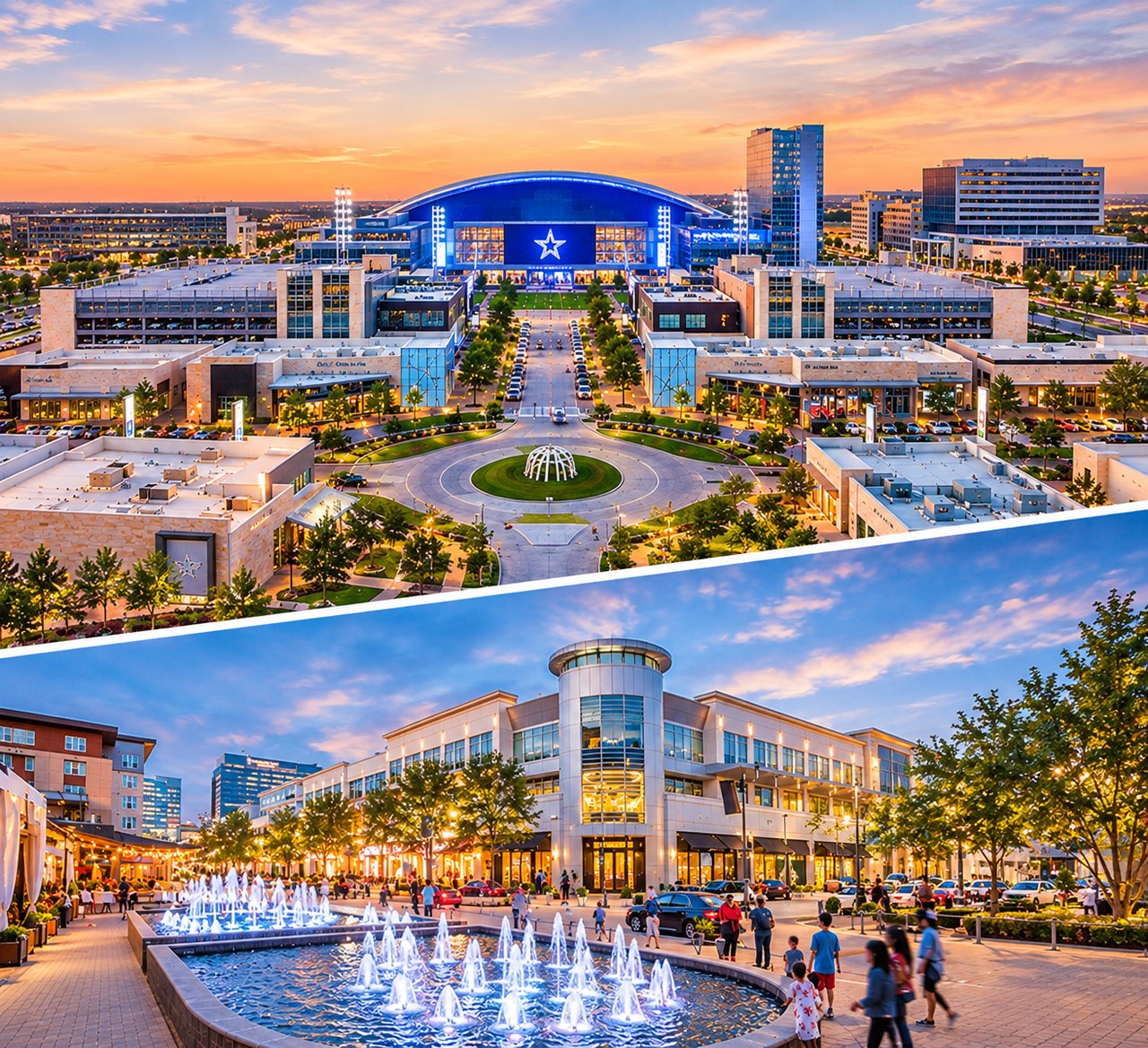

There's something about the weeks between Thanksgiving and New Year's that gets people thinking about what's next.
Maybe you've outgrown your current home. Perhaps a career opportunity is bringing you to Texas. Or maybe you've been watching the North Dallas housing market for the past year, waiting for the right moment to make a move.
Whatever the reason, moving may be finding its way onto your list of plans for 2027.
But here's something I'd encourage you to consider.
The best time to start preparing for a move isn't necessarily when you're ready to buy.
It's when you have enough time to make thoughtful decisions without feeling pressured.
When my wife and I relocated from California to Texas in 2020, we weren't simply changing addresses. We were choosing a different community, a different daily routine and a different way of living.
That's a much bigger decision than choosing a floor plan.
If North Dallas is on your radar for 2027, here's what I'd want you to know before you start packing.
Stop Waiting for the Perfect Housing Market
Over the past several years, buyers have had plenty of reasons to postpone purchasing a home.
Mortgage rates. Home prices. Economic uncertainty. Concerns about buying too soon.
They're all legitimate considerations.
But waiting for the perfect combination of low interest rates, attractive prices, abundant inventory and motivated sellers can become an exercise in frustration.
These conditions don't necessarily occur together.
Lower mortgage rates can bring more buyers into the market, increasing competition. Higher inventory can create negotiating opportunities, even when financing costs are less attractive.
Instead of trying to predict exactly what the market will do in 2027, I'd encourage buyers to understand the relationship between four things:
- Mortgage interest rates
- Home prices
- Available inventory
- Negotiating leverage
A buyer who purchases at a higher interest rate but negotiates a meaningful price reduction or seller contribution may be in a better financial position than someone who waits for rates to fall and faces greater competition.
That doesn't mean you should buy before you're financially ready.
It means your personal readiness deserves at least as much attention as the headlines.
North Dallas Isn't One Housing Market
One of the biggest misconceptions among relocating buyers is that North Dallas is a single, relatively uniform suburban market.
Spend a weekend exploring the area, and you'll quickly discover otherwise.
Plano, Frisco, Prosper, Celina and McKinney each offer different combinations of housing, convenience, development and community character.
Even within those cities, the differences between neighborhoods can be substantial.
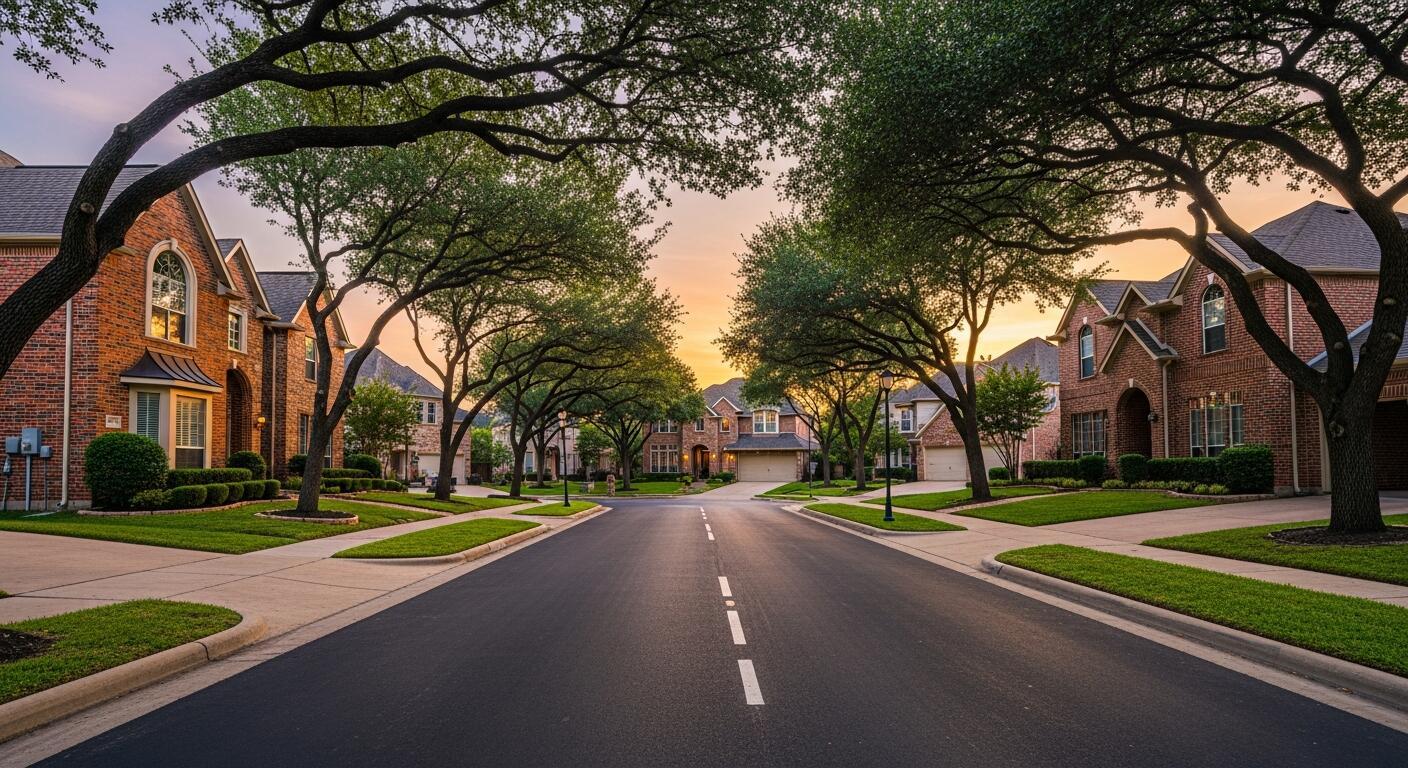
Plano: Established Convenience
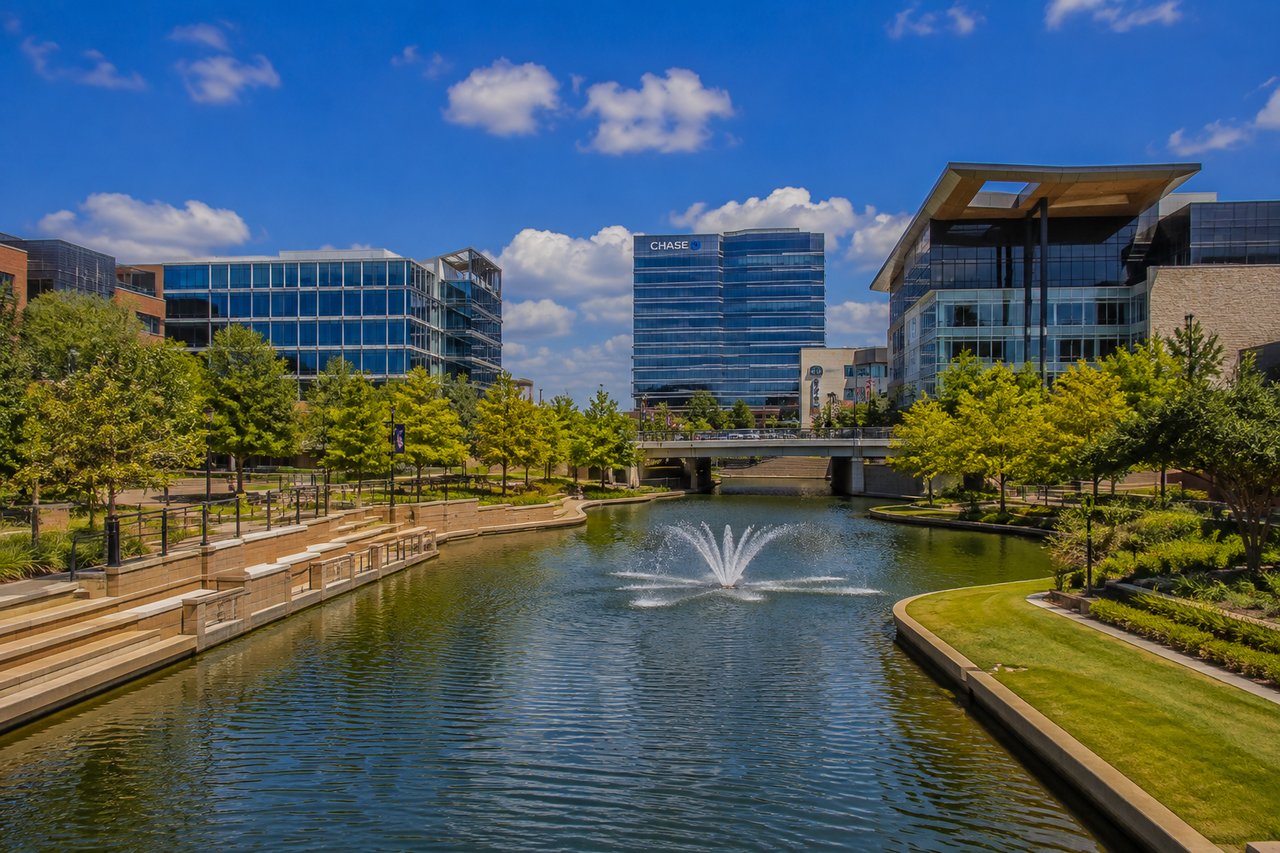
Plano deserves consideration if you value mature neighborhoods, developed infrastructure and access to major employment centers.
Areas around Legacy West offer a combination of business, dining and shopping destinations, while established residential neighborhoods provide mature landscaping and a variety of housing styles.
The trade-off is that older homes may require more attention to maintenance and renovations.
Large-scale new construction opportunities are also more limited than in some communities farther north.
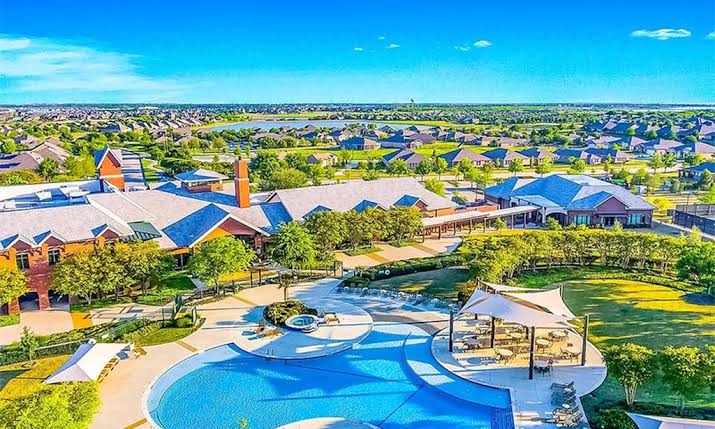
Frisco: Amenities and Accessibility
Frisco combines established residential neighborhoods with newer developments, entertainment destinations and substantial commercial activity.
The Star and the PGA Frisco area contribute to the city's distinctive identity, while neighborhoods throughout Frisco offer different housing styles and amenities.
Buyers should pay particular attention to location, traffic patterns and the relationship between home prices and their daily routines.

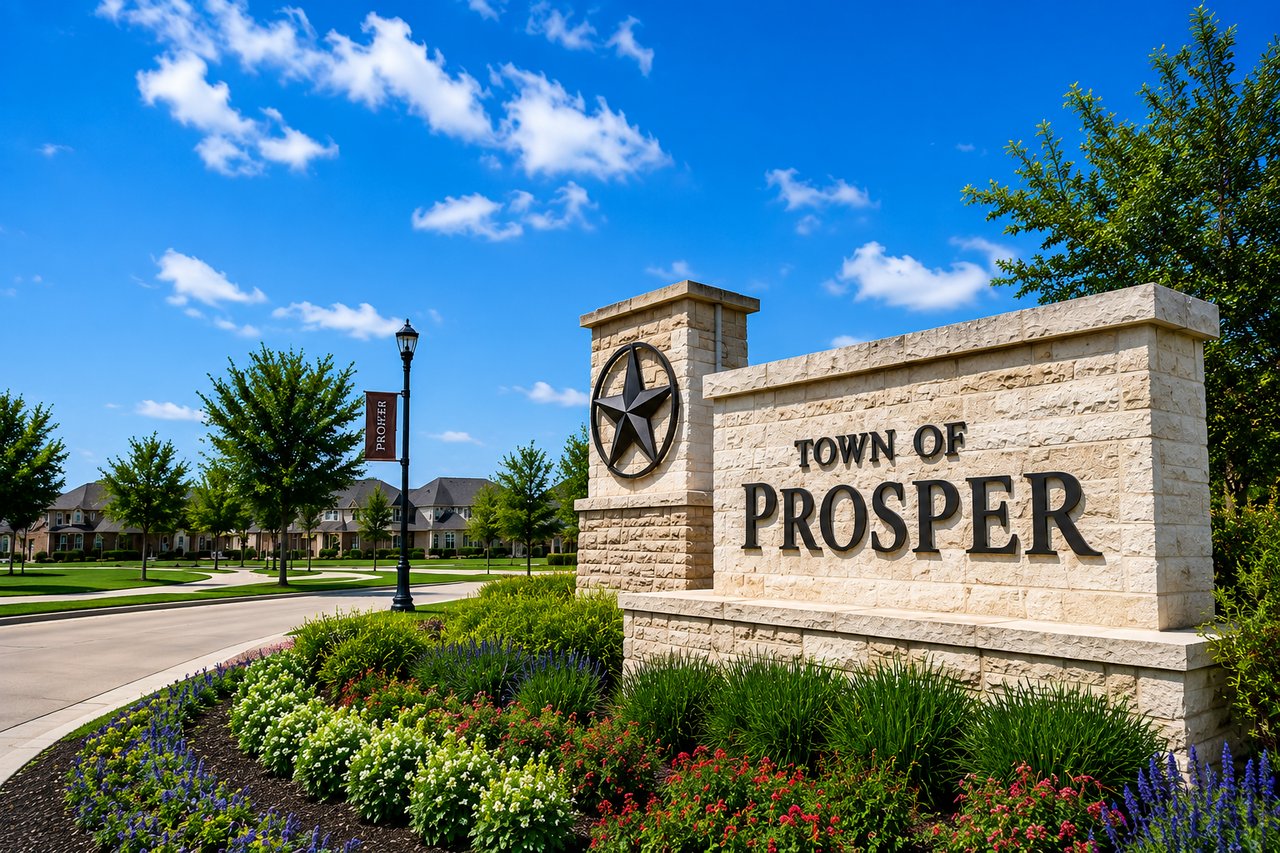
Prosper: Residential Growth and Community Amenities
Prosper has experienced significant residential growth in recent years.
Communities such as Star Trail, Windsong Ranch and Gentle Creek offer different combinations of home styles, neighborhood amenities and established landscaping.
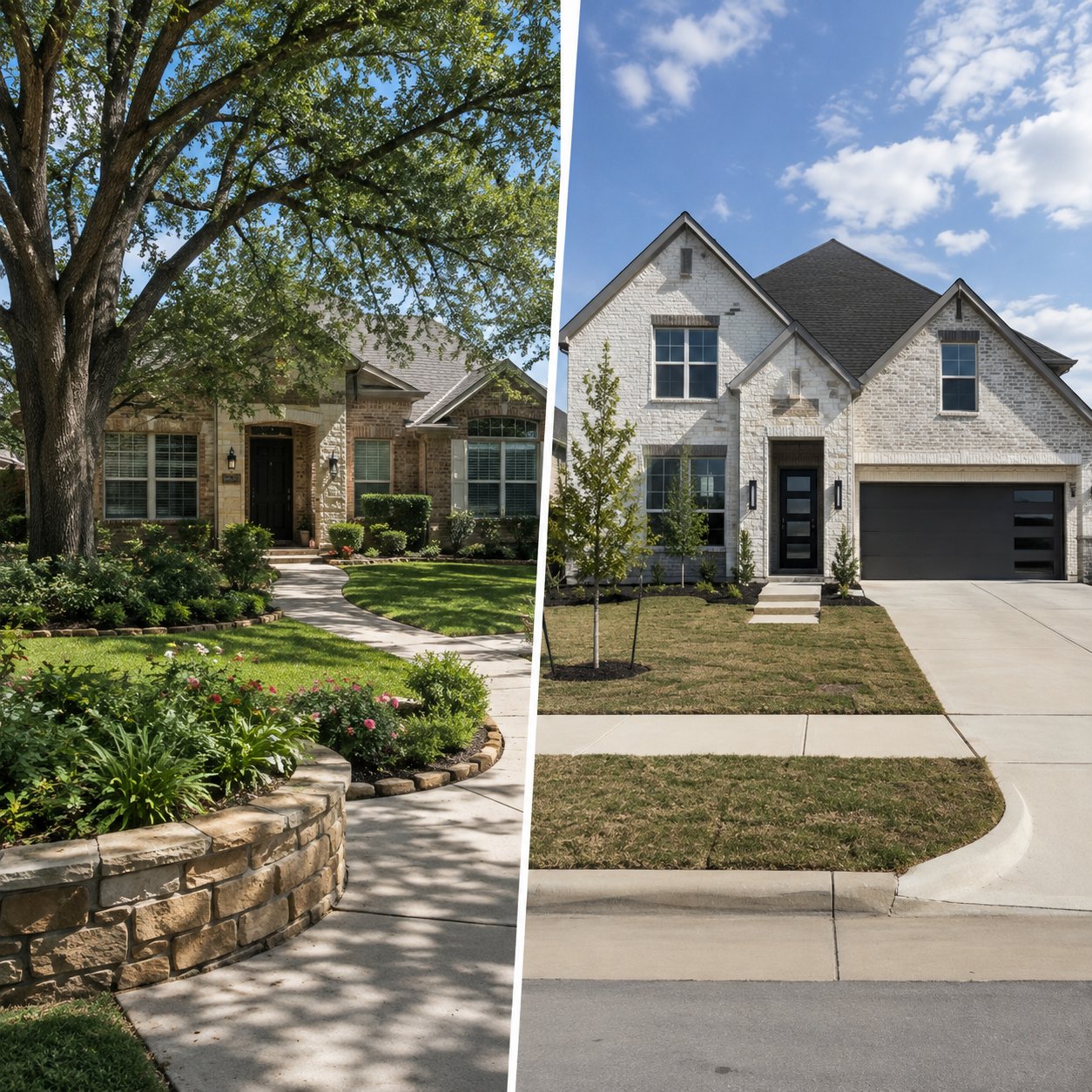
Buyers can explore both resale and new construction opportunities, but should carefully compare property taxes, HOA expenses and the convenience of each location.
Celina: New Construction and Continued Development
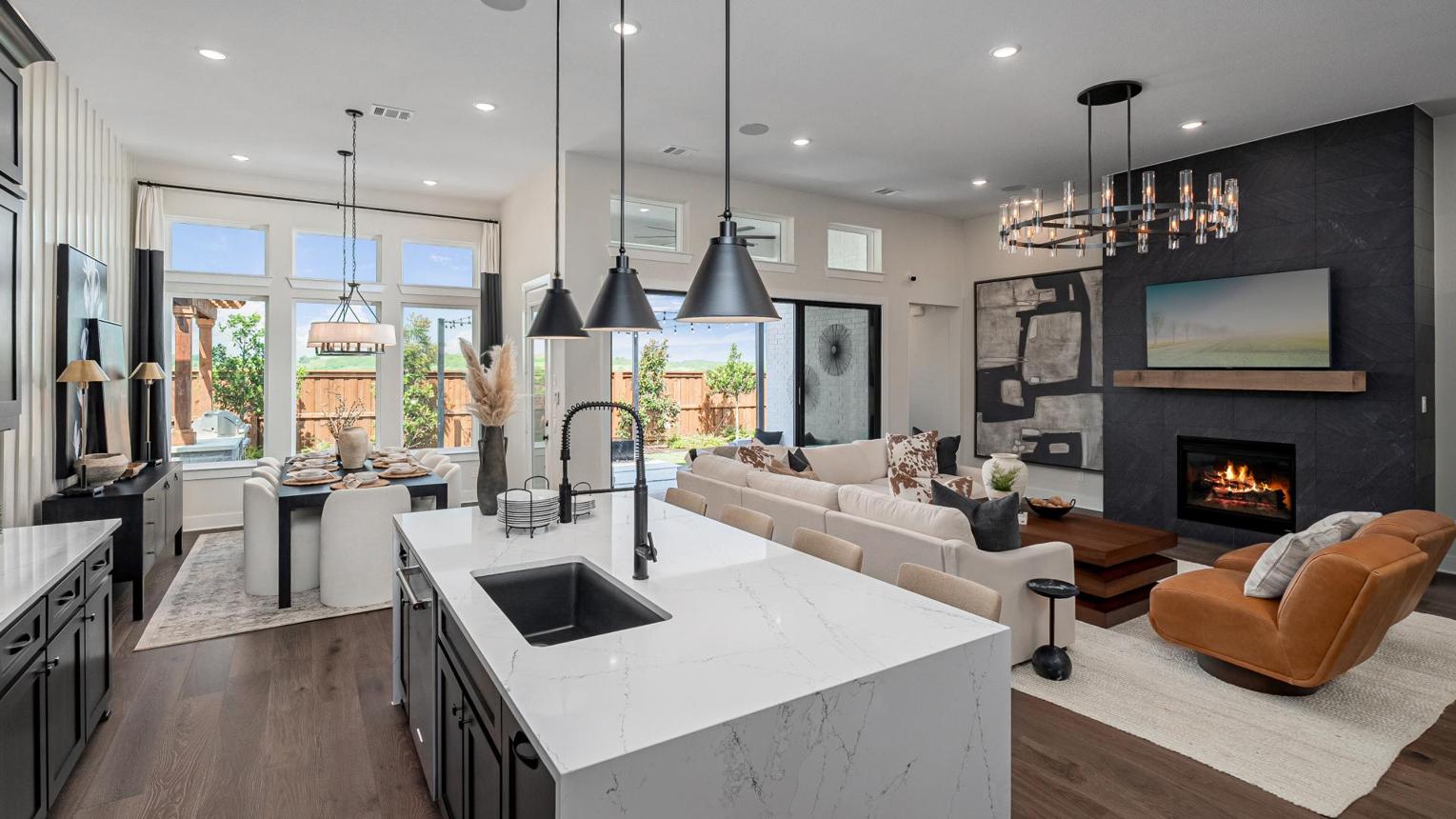
Celina offers considerable opportunities for buyers interested in newer homes and master-planned communities.
Its ongoing growth can be appealing, particularly for buyers who want contemporary floor plans or the opportunity to personalize a new home.
However, I'd encourage buyers to investigate planned development, road improvements, special taxing districts and the availability of everyday services near their chosen neighborhood.

McKinney: Historic Character and Housing Variety
McKinney offers an interesting balance between established neighborhoods and newer development.
Historic Downtown McKinney provides a distinctive setting for shopping, dining and community events, while Stonebridge Ranch, Painted Tree and Trinity Falls illustrate the variety of residential experiences available.
For buyers who haven't decided between established homes and new construction, McKinney is worth exploring.
The important thing is not to choose a city based solely on its reputation.
Choose it based on how well it supports your life.
Your Housing Budget Needs to Go Beyond the Mortgage
This is one of the most important conversations I have with buyers relocating to Texas.
A home that appears affordable based on its purchase price can become considerably more expensive once the complete monthly payment is calculated.
Texas doesn't have a personal state income tax, but property taxes can represent a substantial part of homeownership expenses.
Depending on the property, buyers may also encounter municipal utility district (MUD) taxes, public improvement district (PID) assessments or other special district charges.
Then there are homeowners insurance, HOA dues and ongoing maintenance.
Consider two hypothetical homes, each priced at $500,000.
One has an effective property tax rate of 1.8%. The other has a rate of 2.5%.
That difference represents approximately $3,500 annually, or $292 per month, assuming the full purchase price is taxable and before applicable exemptions.
Over five years, assuming those figures remain unchanged, that's $17,500.
And we haven't considered differences in insurance or HOA expenses.
This is why I prefer to establish a comfortable monthly housing budget before determining a maximum purchase price.
The amount a lender approves and the amount you're comfortable spending aren't necessarily the same thing.
New Construction May Present Opportunities in 2027
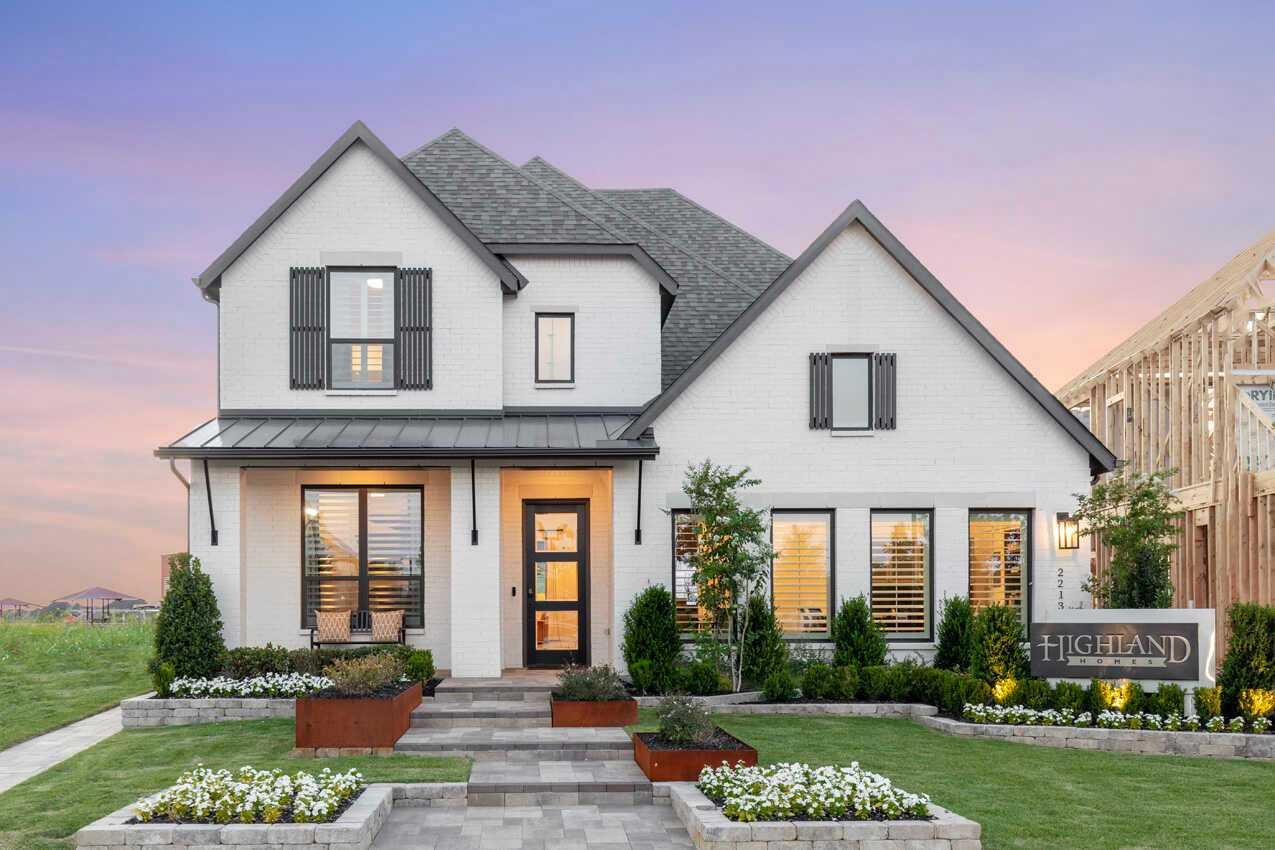
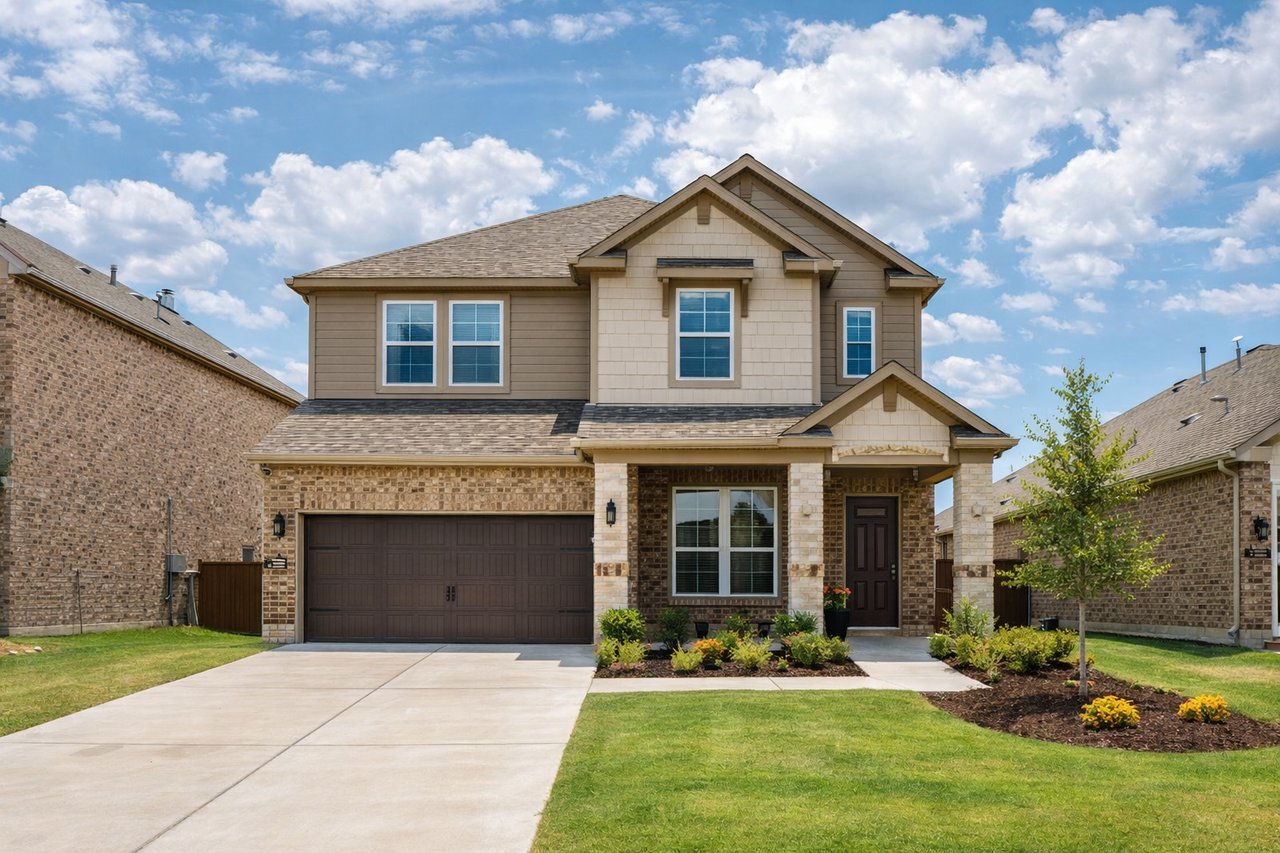
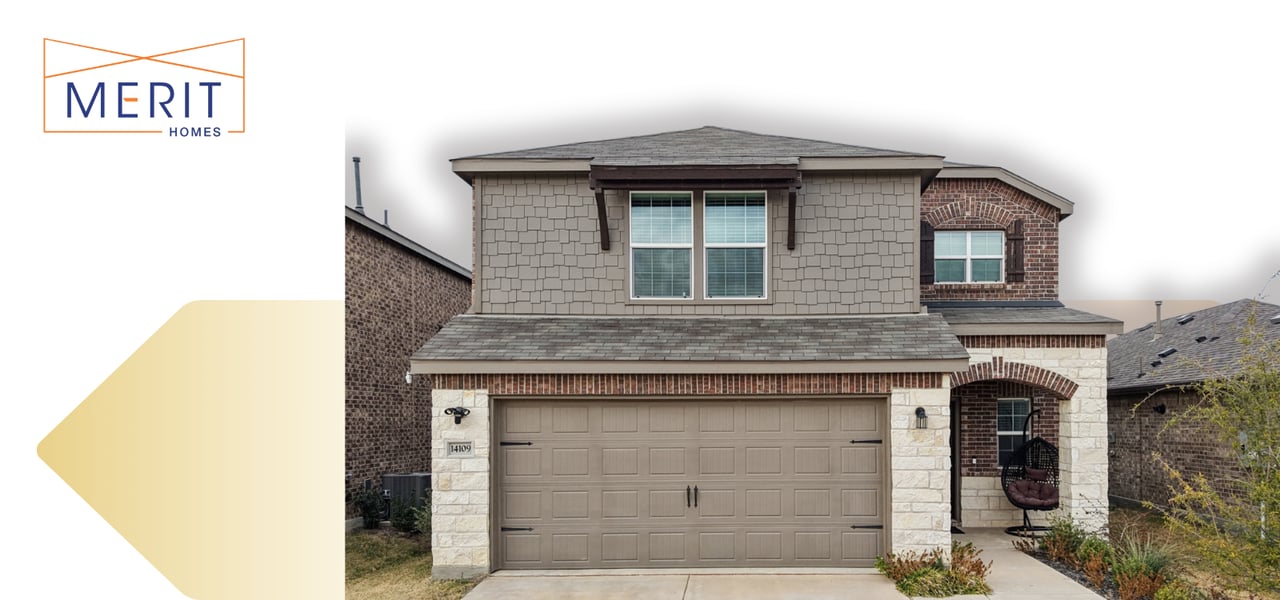
If you're considering a newly built home, North Dallas offers a substantial selection of communities, particularly in its growing northern suburbs.
But buying from a builder requires a different approach from purchasing an existing home.
Builders may offer incentives on completed inventory, closing-cost assistance, interest rate buydowns or design center credits.
Those incentives can be valuable, but they aren't all created equal.
A lower advertised mortgage rate may require using a preferred lender or meeting specific financing conditions.
A design credit may improve the home without reducing your monthly payment.
And a closing-cost contribution may be more useful to one buyer than a reduction in the purchase price.
I'd evaluate the complete transaction rather than focusing on whichever incentive looks most impressive in the advertisement.
I'd also encourage buyers to compare new construction with resale homes.
An existing property might already have window coverings, mature landscaping, a finished patio or a swimming pool that would cost considerably more to add later.
Finally, establish your buyer representation before visiting builder sales offices. Registration policies vary, and the builder's sales representative works on behalf of the builder.
Pay Attention to What Isn't Built Yet
This is particularly important in growing communities such as Prosper and Celina.
Imagine purchasing a home overlooking an open field.
It's peaceful. The view is attractive. And the absence of neighboring homes is one of the reasons you're willing to pay a premium for the lot.
But what happens if that field becomes a commercial development, another residential subdivision or a major roadway?
Before purchasing a home in a developing area, I'd research the surrounding land, municipal development plans, zoning and proposed transportation projects.
Future plans aren't guarantees, and they can change. But understanding what might happen around your property is an important part of evaluating its long-term appeal.
You can change your countertops.
You can remodel your bathroom.
You can't pick up your house and move it to a different lot.
Give Your Commute the Attention It Deserves
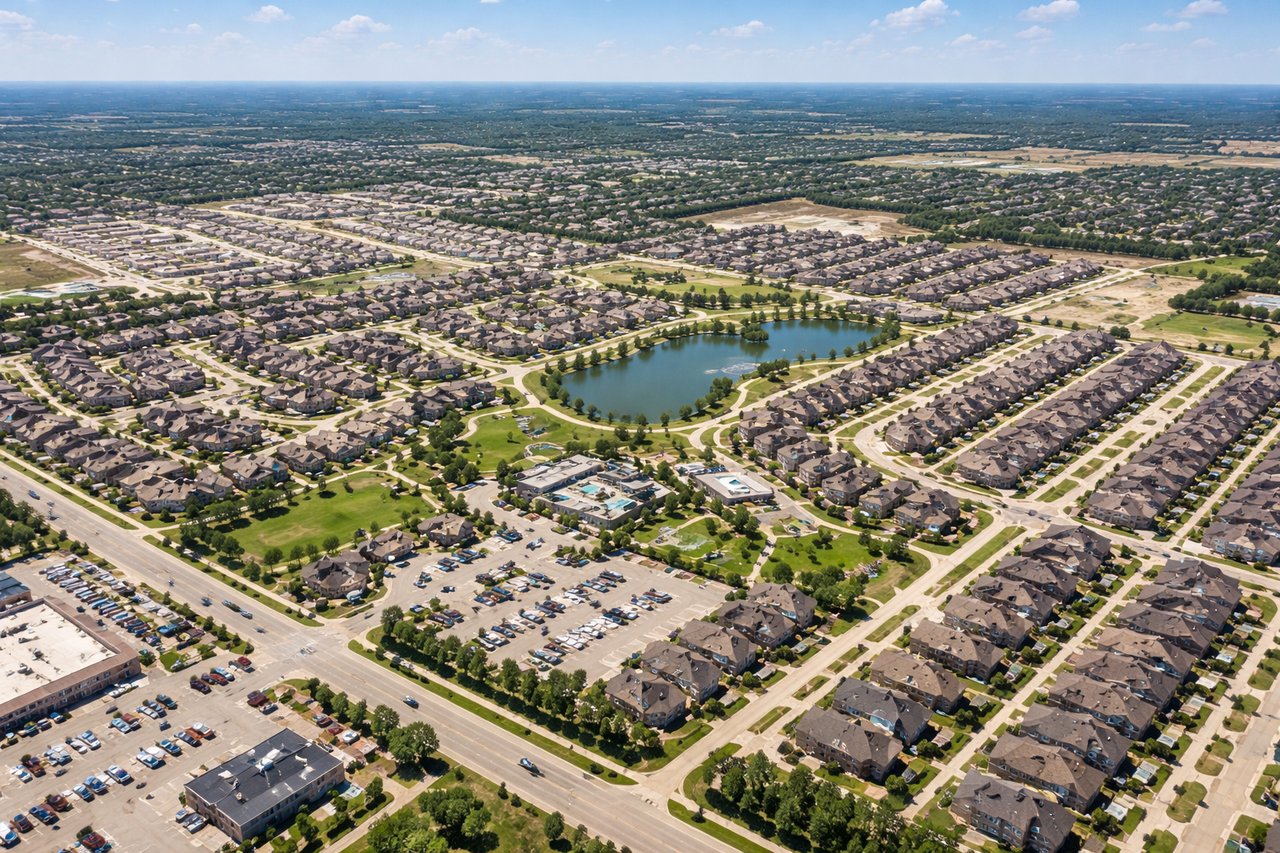
North Dallas covers a considerable geographic area.
A home in northern Celina offers a very different commuting experience from a property in West Plano.
And even within Frisco, Prosper or McKinney, your location relative to major roads can make a meaningful difference.
Before committing to a neighborhood, identify where your daily life will take you.
Your office. The airport. Schools, if applicable. Family and friends. Regular appointments.
Then evaluate those routes during the times you'd normally travel.
An additional twenty minutes each way represents more than three hours of travel over a five-day workweek.
That's time you could spend with family, exercising, enjoying dinner or simply doing something other than sitting in traffic.
Sometimes the most valuable upgrade you can purchase isn't a larger kitchen.
It's a better location.
Matt's Perspective: The Three L's of Relocating
When I help buyers compare North Dallas communities, I organize the conversation around three things: Location, Livability and Lifestyle.
Location: Does the property support your daily routine? Consider employment, transportation, nearby services and future development.
Livability: Does the home function for the way you live? Think about floor plans, storage, home offices, maintenance, outdoor space and your complete housing budget.
Lifestyle: What do you want life outside your front door to look like? Perhaps it's neighborhood trails, restaurants, golf, community events or simply a quiet backyard.
These priorities are personal.
A home that works beautifully for one household may be completely impractical for another.
The Three L's help keep the decision focused on what matters to you, rather than what happens to look most impressive during a showing.
Your 90-Day Relocation Preparation Plan
If you're considering purchasing a home in 2027, here's how I'd use the three months leading up to your search.
90 Days Before: Establish Your Financial Priorities
Speak with a lender, review your credit, understand your available down payment and establish a comfortable monthly housing budget.
If you need to sell an existing property, begin evaluating its market value and the timing of that transaction.
60 Days Before: Narrow Your Communities
Identify two or three communities that fit your budget, commute and lifestyle preferences.
Start comparing new construction and resale homes.
Research property taxes, HOA fees and special assessments. If schools are important to your decision, verify district and campus assignments directly for individual properties.
30 Days Before: Prepare to Make Decisions
Update your financing approval, organize the necessary documents and establish a realistic purchase timeline.
Begin touring properties with a clear understanding of your priorities.
Know which features are essential, which are preferences and where you're willing to compromise.
The objective isn't to rush into a purchase.
It's to be prepared when the right opportunity presents itself.
What I'd Do If I Were Moving to North Dallas in 2027
I wouldn't spend the next several months trying to predict mortgage rates.
I'd spend them getting financially prepared, learning the differences between communities and understanding what my budget could realistically purchase.
I'd visit established neighborhoods and new developments.
I'd compare the complete cost of ownership rather than simply the asking price.
And I'd give myself permission to change direction if the research revealed a community I hadn't originally considered.
Some of the most important discoveries during a home search happen when you look beyond your initial assumptions.
Looking Ahead to 2027
Nobody can tell you exactly what mortgage rates, home prices or inventory will look like throughout 2027.
But you don't need a perfect forecast to make a well-informed decision.
You need a realistic budget, an understanding of your options and a clear picture of the life you want to build.
North Dallas offers an extraordinary variety of residential experiences, from established Plano neighborhoods to the historic character of McKinney and the newer communities developing throughout Prosper and Celina.
The opportunity is finding the combination that works for you.
And if moving is part of your plans for 2027, there's no reason to wait until January to start that conversation.
The work you do now could make your eventual move considerably less stressful.
Considering a move to North Dallas in 2027? Whether you're relocating from another state, purchasing new construction or simply looking for a home that better fits your life, I'd welcome the opportunity to help you explore your options and develop a plan at your own pace.
Merit Homes. It's more than just a sign in the yard.