
Most buyers start the search the wrong way.
They begin with bedrooms, square footage, a dream kitchen, or a certain look. They fall for the house, then try to make the location work. That is backwards.
For buyers in the North Dallas suburbs, location is not one more box on a checklist. It is the decision that shapes the rest of the purchase. It determines how your days feel, how well the home serves your family, and how confident you will be about the investment five years from now.
That matters even more in places like Prosper, Frisco, Plano, and McKinney, where growth has created more options, more new construction, and more ways to get distracted by the wrong things. A buyer can find a beautiful home in all four markets. The harder question is whether that home is in the right place for the life they actually live.
This is where my framework starts.
A home has to fit three things, location, lifestyle, and livability.
All three matter. For buyers, location comes first, because it sets the terms for the other two. If the location is off, the rest of the fit usually breaks down over time.
What buyers mean when they say they want the right location
Most people use the word location loosely.
They might say they want Frisco, or that Prosper feels appealing, or that Plano seems practical for work. Those are useful starting points, but they are not a real location strategy. A city name is too broad. It tells you almost nothing about how the home will work for your routine.
The right location is not simply where the house sits on a map. It is the relationship between that house and your daily life.
That includes obvious things, like commute time and school access. It also includes quieter factors that shape satisfaction after closing, like how often you need to fight traffic for basic errands, whether the area feels settled or still under heavy construction, and whether the neighborhood supports the pace of life you want.
A location works when it reduces friction in your life. It fails when it adds it.
That is the standard buyers should use.
The North Dallas mistake, confusing prestige, popularity, and fit
One of the most common buyer errors in this area is assuming that the most talked-about location is automatically the best location.
It is not.
A fast-growing, highly visible community may be exciting. It may have strong amenities, polished model homes, and a lot of attention. That does not mean it is the right fit for a particular buyer.
The same is true on the other side. A more established area may not feel as flashy, but it may serve a buyer far better because it offers a simpler commute, stronger everyday convenience, or a neighborhood pattern that feels more settled.
This is especially important for first-time buyers and move-up buyers.
First-time buyers often worry about missing out, so they are vulnerable to chasing whatever feels hottest at the moment. Move-up buyers often know more clearly what they want in the house, but they can still underestimate how much the surrounding area shapes family life.
In both cases, the risk is the same. They confuse market energy with personal fit.
That is a costly mistake.
Location has three levels, and most buyers stop at the first one
To choose well, buyers need to think about location at three different levels.
1. City level, the broad market choice
This is where buyers usually begin, and that makes sense. Prosper, Frisco, Plano, and McKinney each offer a different experience.
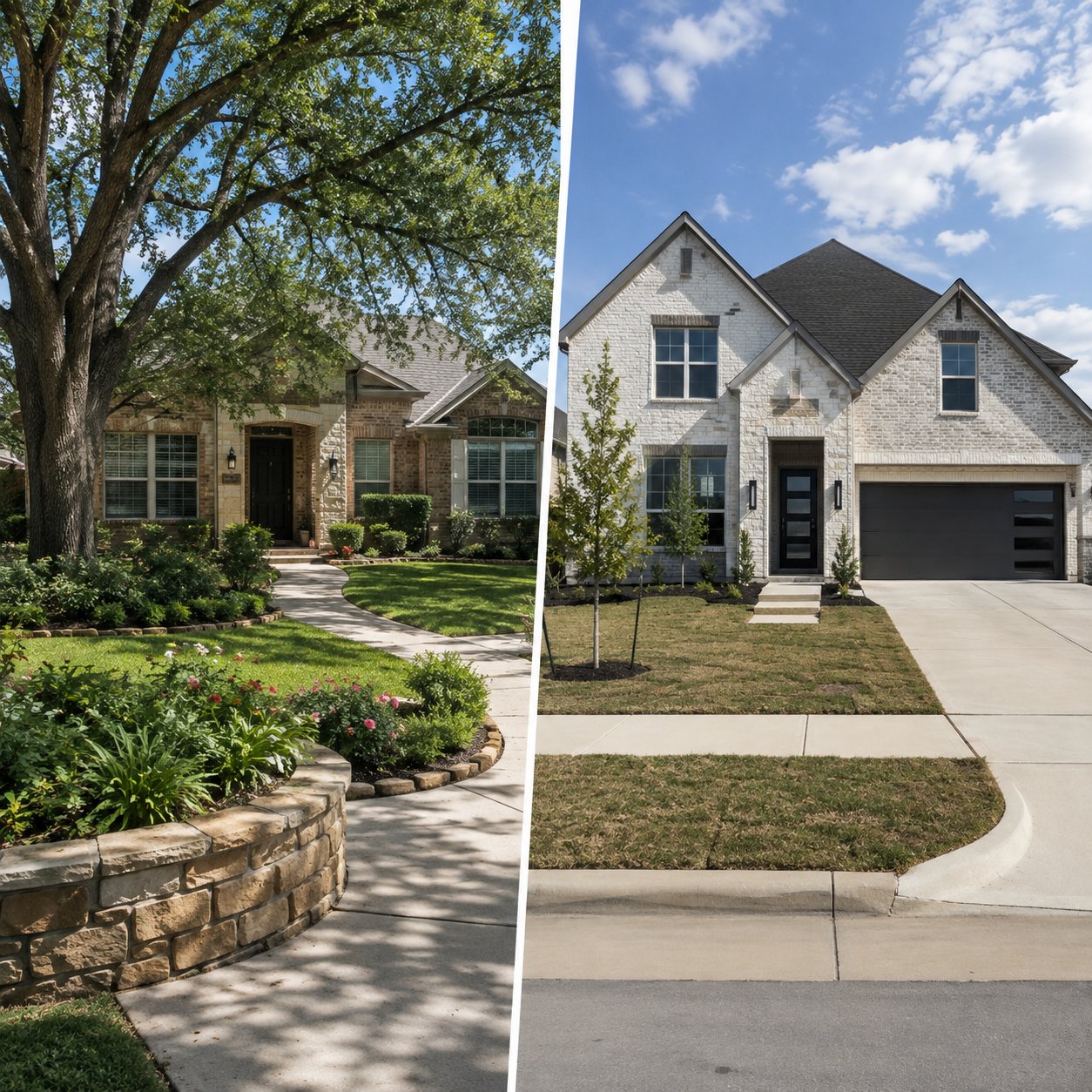
Plano tends to appeal to buyers who want established neighborhoods, mature trees, stronger access to major employment centers, and a more built-out feel.
Frisco attracts buyers who want amenities, newer development, strong retail and dining access, and proximity to major growth corridors. Large-scale development areas, including Fields, have added to that momentum and continue to shape how buyers think about the city.
Prosper often appeals to buyers looking for newer homes, more space, and communities with a strong neighborhood identity. Places like Windsong Ranch have become reference points because they offer not just housing, but a distinct community experience.
McKinney offers a different mix, often blending historic character, suburban growth, and neighborhoods that can feel slightly less compressed than some of the newer master-planned alternatives.
These differences matter, but this is still only the surface layer. Choosing a city is not the same thing as choosing a location.
2. Neighborhood level, the lived experience
Two homes in the same city can deliver completely different daily lives.
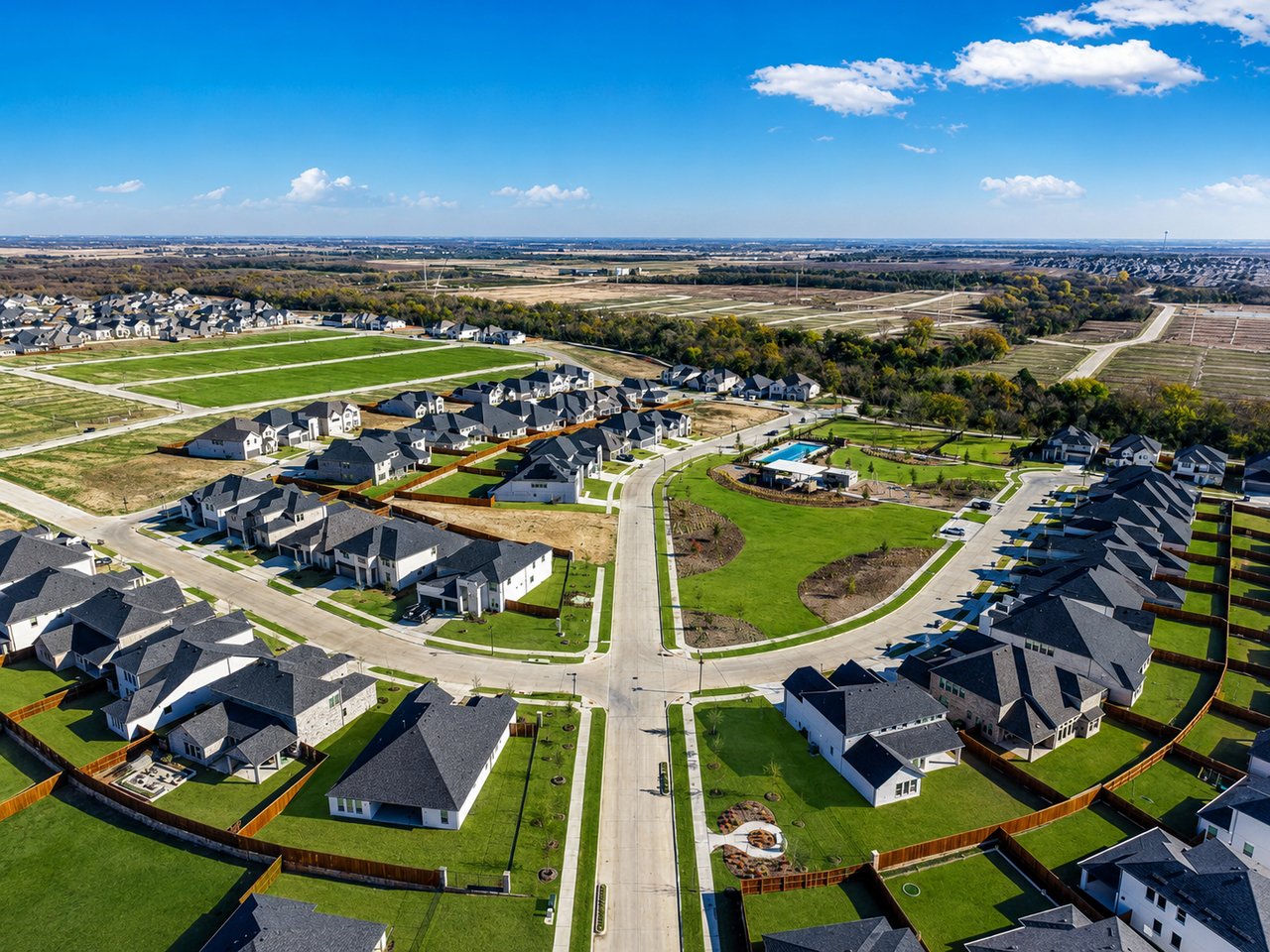
Within the same market, one neighborhood may feel convenient and connected, while another feels isolated. One may offer quick access to schools, shopping, and major roads, while another creates a longer, more frustrating pattern for basic tasks. One may feel stable and mature, while another is still surrounded by active construction and years of future change.
This is where buyers need to get more specific.
When you evaluate a neighborhood, ask practical questions.
How long does it take to get out of the community during peak hours?
How close are you to the places you use every week?
Are you buying into a finished area, or into a corridor that is still evolving?
Does the neighborhood feel aligned with the stage of life you are in?
A buyer who loves the idea of a resort-style master-planned community may still find that a particular section of that community creates too much daily inconvenience. Another buyer may think they want an established area, then realize they would rather trade some maturity for better amenities or a newer housing stock.
These are not cosmetic differences. They affect the quality of everyday life.
3. Property position, the location inside the location
This is the level buyers overlook most often.
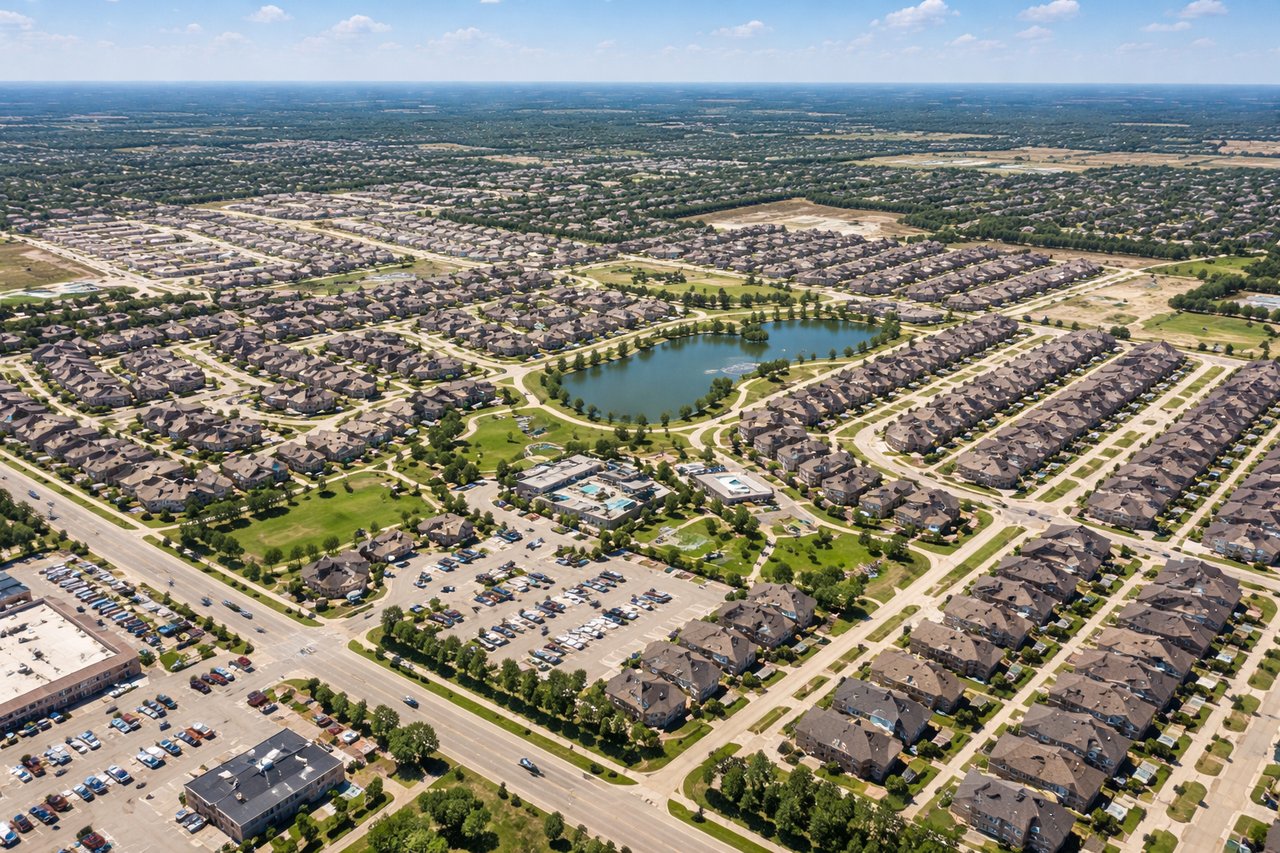
Even after choosing the right city and the right neighborhood, the specific position of the home still matters.
Backing to a busy road, sitting near a major entrance, facing future commercial development, dealing with school traffic spillover, or being tucked into a quiet interior section can all change the feel and function of the property.
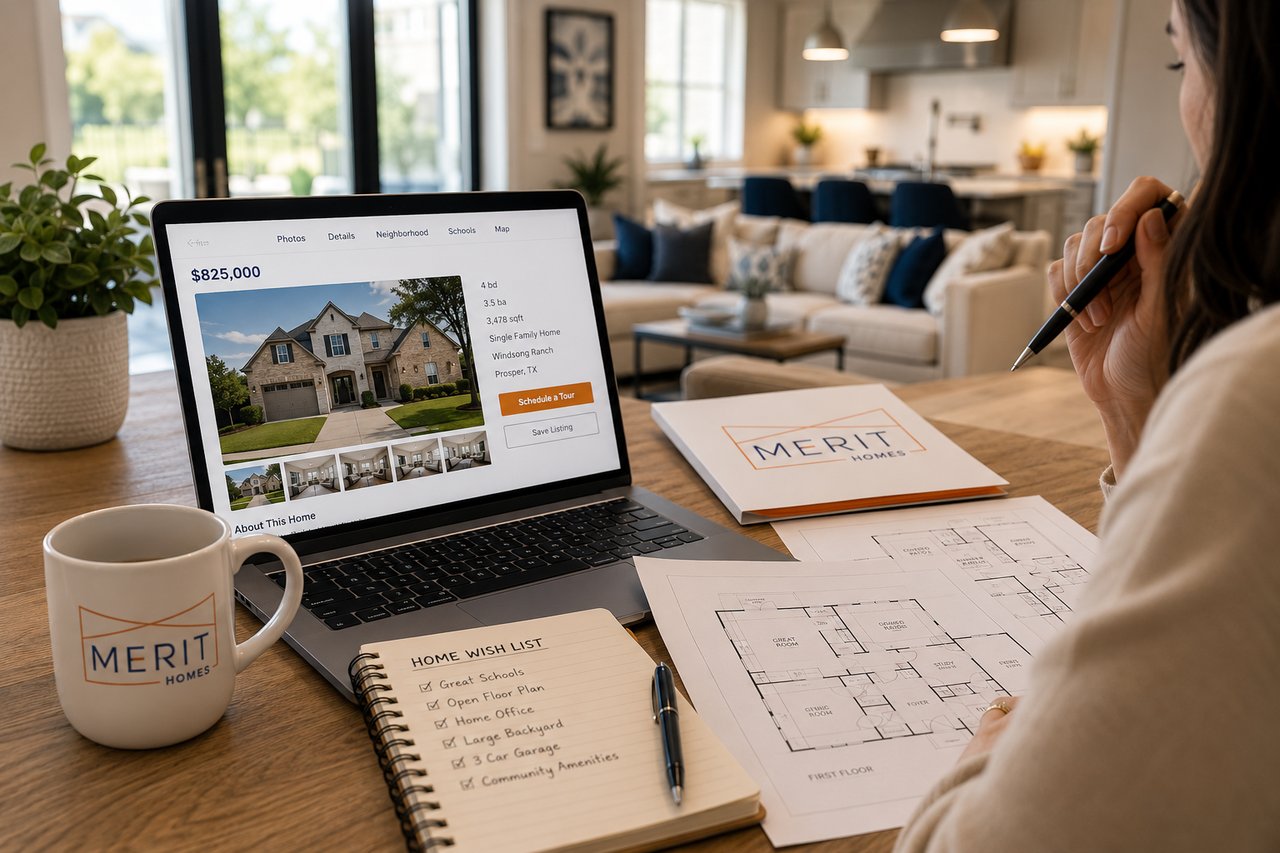
This is one reason why buyers should not rely too heavily on online impressions. A listing can look excellent on paper and still sit in a compromised position. A home that appears ordinary online may have the better lot, the quieter street, and the stronger long-term appeal.
In other words, location is not solved once you choose the zip code. It gets narrower and more important as you move closer to a final decision.
Why buyers underestimate location
Buyers do not ignore location because they think it does not matter. They underestimate it because houses are emotional and location is cumulative.
A house gives you an immediate reaction. You can walk through it in ten minutes and feel something strong. The location reveals itself slowly. It shows up in the morning rush, the school pickup line, the extra fifteen minutes to every errand, the noise you did not notice during the showing, or the reality that your weekend routine now feels more complicated than it used to.
That delayed feedback is exactly why buyers need discipline on the front end.
The wrong location usually does not feel wrong on day one. It becomes wrong by repetition.
What first-time buyers should pay closer attention to
First-time buyers are often balancing payment, uncertainty, and the pressure to make a smart first move. That creates a strong temptation to focus on what feels visible and concrete, especially price, finishes, and monthly payment.
Those matter, but they are not enough.
A first-time buyer needs to ask harder questions about what their life will look like after the excitement wears off.
Will the commute still feel manageable if work requirements change?
Will the area still make sense if life gets busier?
Are you choosing a location because it fits your actual routine, or because it feels like where you are supposed to buy?
First-time buyers also need to resist the idea that they must solve every future need in one purchase. The goal is not to buy a forever home on the first try. The goal is to buy a home in a location that supports this stage of life and gives you strong options for the next one.
That is a more grounded standard, and usually a more successful one.
What move-up buyers should pay closer attention to
Move-up buyers often enter the search with more confidence. They have learned what did not work in the previous home. They know they need more space, a better layout, or a stronger school fit. That clarity is helpful, but it can lead them to overcorrect toward the house itself.
A larger home does not fix a strained routine.
If your next purchase is meant to improve family life, then the location has to carry part of that improvement. It should make school logistics easier, not harder. It should support where parents work and where kids spend time. It should reflect the pace of life you want, not simply the image of the upgrade.
This is where many move-up buyers get tripped up in North Dallas suburbs. They stretch for the bigger home in the farther-out location, then discover that the extra square footage came with more daily friction than they expected.
That trade can be worth it. Sometimes it is exactly right. But it should be a conscious trade, not an accidental one.
Commute is not just distance, it is energy
Buyers often talk about commute in terms of miles or map estimates. That is too simplistic.
In this part of the metroplex, the real question is not how far away something is. The real question is how that route behaves in real life. Tollway access, east-west connections, school traffic, and timing all matter. A route that looks fine in the middle of the day can feel very different at the hours that actually define your week.
This is why commute should be measured in energy, not just distance.
How draining is it?
How predictable is it?
How often will it create stress?
A home that adds ten minutes to a drive may not matter. A home that adds unpredictability, congestion, and constant friction absolutely does.
That is a location issue, not a transportation issue.
School district talk is often too shallow
School district dynamics matter to many buyers, but the conversation is often framed too narrowly.
Buyers tend to reduce the issue to rankings or reputation alone. That leaves out the practical side of how schools affect day-to-day life. Even for buyers who care deeply about academics, the school experience is also logistical. Drop-off patterns, after-school routines, distance from home, and how a school assignment fits a family’s schedule all influence whether a location truly works.
There is also a broader market reality. School perception, fair or unfair, often affects buyer demand and resale interest. Buyers do not need to chase a headline or a talking point, but they do need to understand that school alignment is both a personal choice and a market factor.
That requires a more thoughtful conversation than simply asking which district is best.
New construction makes location analysis more important, not less
New construction communities can create a false sense of certainty.
Everything is clean, new, and presented well. The homes are easy to compare. The amenities are clear. The sales process feels organized. That can make buyers feel like the decision is simpler than it really is.
It is not.
When buyers look at newer communities in places like Prosper and Frisco, they should spend just as much time evaluating the surrounding area as they spend evaluating the floor plan. They need to think about the development path of the corridor, future traffic, the maturity of nearby retail and services, and whether the community feels integrated into everyday life or still dependent on what may come later.
A strong master-planned community can be a very good fit. But the right question is never, “Is this a good community?”
The right question is, “Is this the right location for how we live?”
That is a much higher standard, and a much more useful one.
How buyers should make the decision
A smart location decision is rarely driven by one factor. It comes from weighing the few factors that matter most for a specific household, then being honest about tradeoffs.
Start with these questions.
What do we need this location to do for us every week?
Where will friction show up fastest if we get this wrong?
Which matters more for this stage of life, more space or more convenience?
What are we assuming today that could change within the next few years?
What kind of daily pattern are we trying to build?
Those questions usually produce better decisions than starting with home features alone.
Then do something simple that many buyers skip. Test the location in person at the times that matter. Drive the commute. Visit the area during school traffic. Run the Saturday errand pattern. Get a feel for what living there would actually require.
That kind of fieldwork is not glamorous, but it is often the difference between a smart purchase and a regret that was visible all along.
The strategic truth buyers need to hear
The best location is not the most expensive one, the trendiest one, or the one everyone else is talking about.
The best location is the one that fits your life with the least strain and the strongest long-term logic.
That may be a high-profile master-planned community. It may be an established neighborhood in Plano. It may be a section of McKinney that gives you more flexibility. It may be a part of Frisco that balances convenience and future upside better than the obvious choice.
There is no universal answer, and that is exactly the point.
Location is personal, practical, and strategic all at once. Buyers who treat it that way usually make better decisions. Buyers who treat it as a backdrop to the house often end up correcting the mistake later.
Where location fits in the larger framework
I come back to the same principle again and again.
A home has to fit your location, your lifestyle, and your livability needs.
Location is where your life happens around the house.
Lifestyle is how you want to live in that environment.
Livability is how the home itself functions for your day-to-day needs.
For buyers, location comes first because it frames the rest. If you buy in the wrong place, it becomes harder for the house to solve the right problems. If you buy in the right place, the rest of the search gets clearer.
That is not a slogan. It is a buying strategy.
Final thought
In the North Dallas suburbs, there is no shortage of attractive homes. That is not the hard part.
The hard part is choosing a location with enough discipline to separate excitement from fit.
If you are buying in Prosper, Frisco, Plano, or McKinney, you do not just need help finding inventory. You need a clear way to judge which area, neighborhood, and property position actually make sense for your life.
That is where good decisions start.
If you want to talk through how a specific area fits your routine, your priorities, and the kind of life you are trying to build, reach out. A smart home purchase starts with the right questions, and location is usually the first one worth getting right.