
Selling a home in Prosper is not difficult because buyers have stopped wanting to live here. Prosper remains one of the most sought-after communities in North Texas, with respected schools, attractive neighborhoods, newer homes, and convenient access to Frisco, McKinney, Plano, and the Dallas North Tollway.
The challenge is that buyers now have more choices.
A few years ago, sellers could sometimes put a home on the market with limited preparation and still attract several offers. Today’s buyer is more patient, more informed, and far more selective. Before scheduling a showing, buyers have already studied the photos, compared the price to nearby homes, checked the school zoning, estimated the monthly payment, and looked at competing new construction.
By the time they walk through the front door, they are not asking whether they like the house.
They are asking whether they like it enough to choose it over everything else.
That distinction matters.
After more than 30 years in sales and years helping North Dallas homeowners prepare, market, and negotiate the sale of their homes, I have learned that buyers rarely make decisions based on one feature. They respond to the complete picture, how the home looks, feels, functions, and compares.
Here are the ten things Prosper buyers notice before they decide whether to make an offer.
1. Buyers Notice the Price Before They Notice the House
The first showing usually happens online.
Before a buyer studies the kitchen, pool, or media room, they see the asking price. That number establishes the expectations they carry into every photo and every room.
A home priced correctly can feel like a strong opportunity. The same home priced too aggressively can make buyers search for flaws to justify walking away.
Pricing a Prosper home requires more than looking at the last few sales. Sellers also compete with active listings, homes under contract, recent price reductions, builder inventory, financing incentives, and homes in nearby communities.
Buyers may compare your Prosper resale home with a new build in Celina, a larger lot in McKinney, or a home closer to the Tollway in Frisco. They are not limiting their comparison to your subdivision.
Matt’s Perspective
The market does not care what a seller needs to net or how much was spent on improvements. Buyers pay based on value relative to the other choices available when the home is listed.
The best pricing strategy creates urgency without leaving money on the table.
2. Buyers Notice the Photos Before Scheduling a Showing
Real estate photography is not decoration. It is the beginning of the sales presentation.
Buyers notice dark rooms, awkward angles, cluttered countertops, closed blinds, visible cords, crowded furniture, and photographs that make the home appear smaller than it is.
They also notice when the photography tells a clear story.
The first image should give buyers a reason to stop scrolling. The remaining photos should lead them through the home in a natural order, exterior, entry, main living spaces, kitchen, primary suite, secondary rooms, outdoor areas, and community amenities.
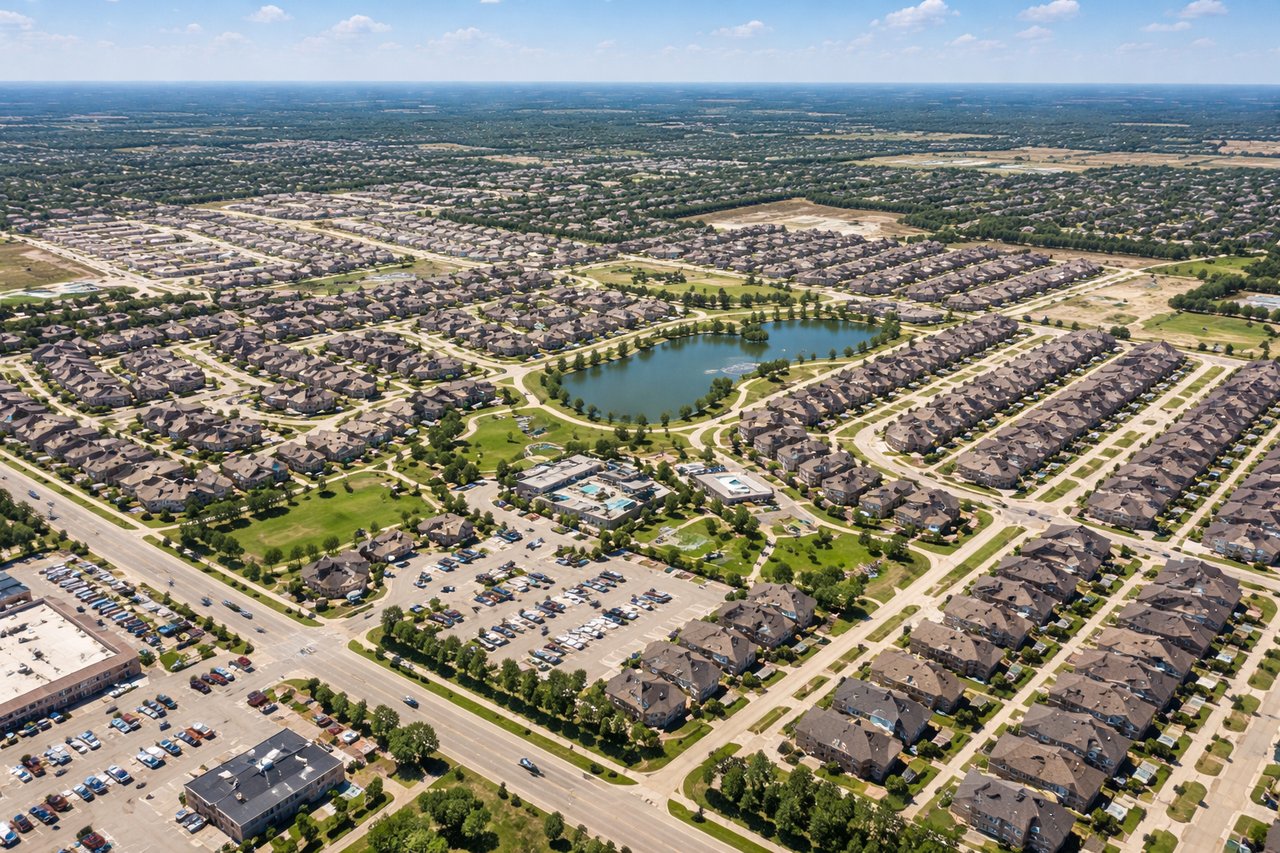
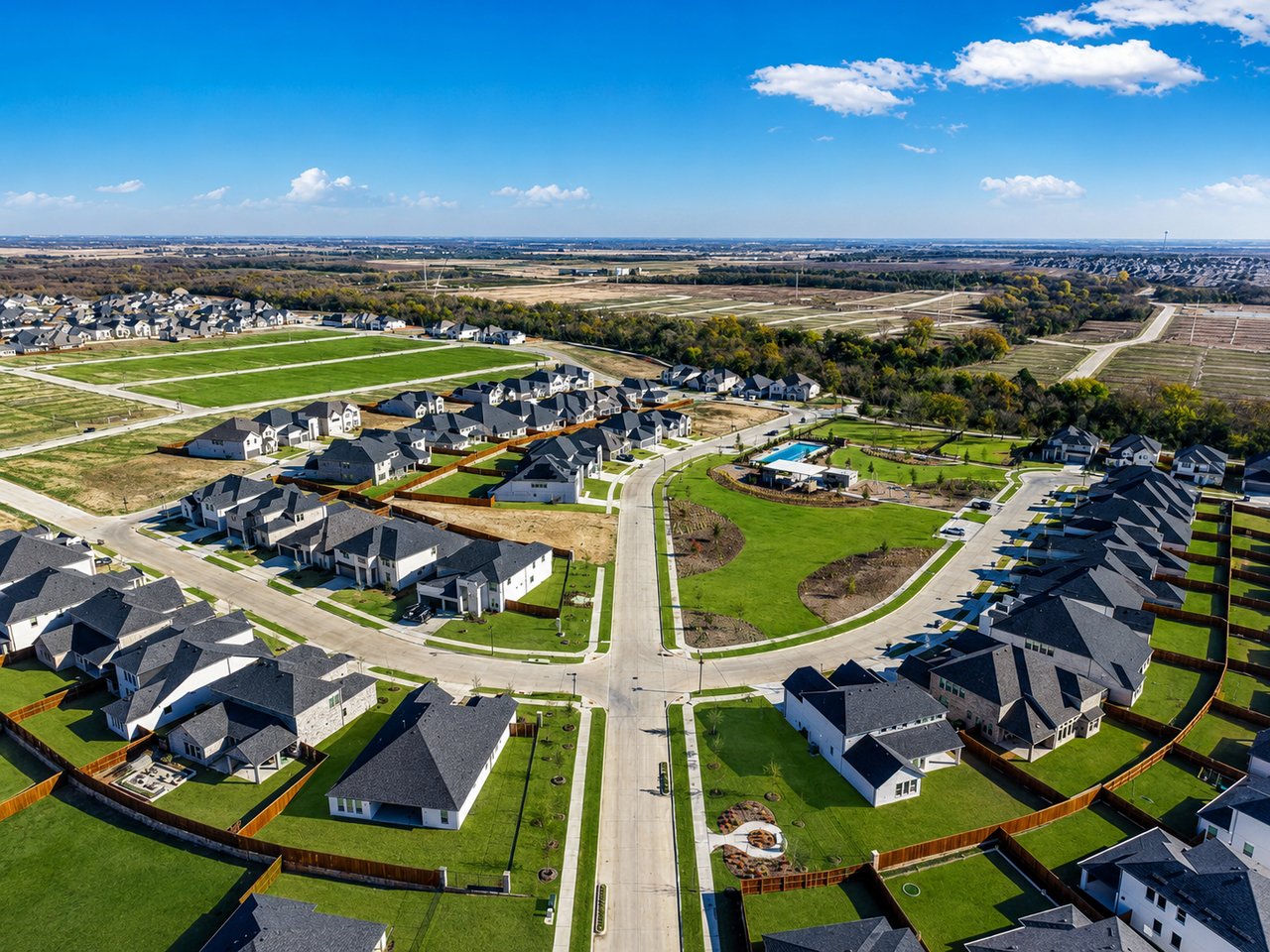
In communities such as Windsong Ranch, Star Trail, and Gentle Creek, the neighborhood is part of the value. Good marketing should help buyers understand not only the home, but also the setting and lifestyle surrounding it.
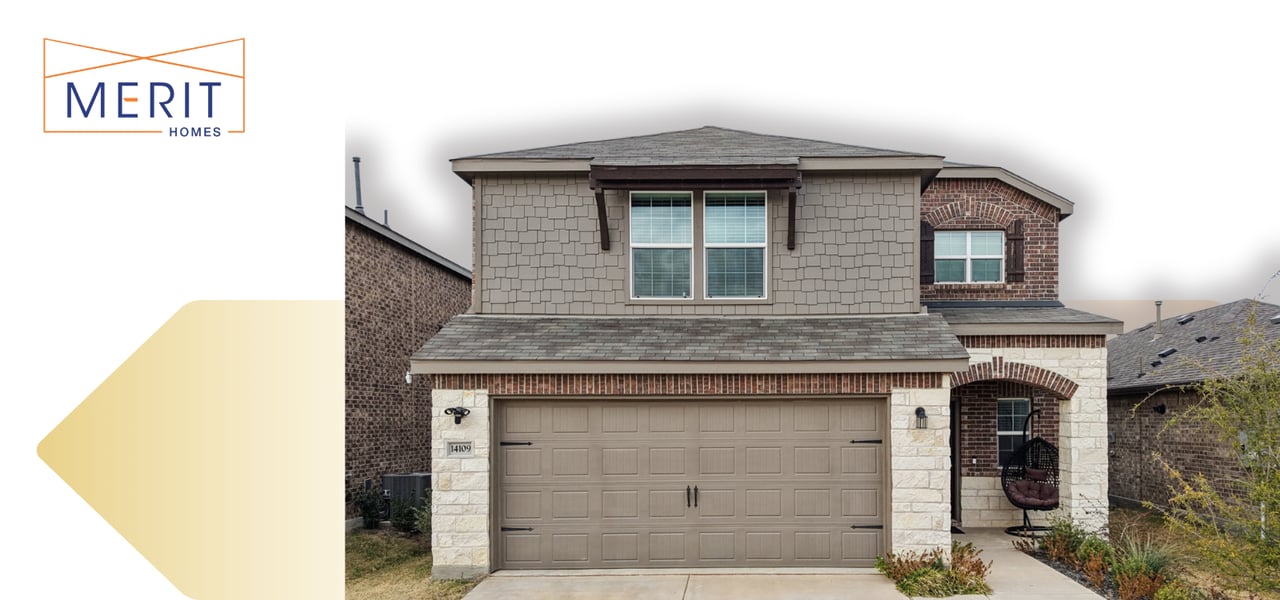
3. Buyers Notice Curb Appeal Before They Reach the Door
A buyer starts forming an opinion while pulling up to the property.
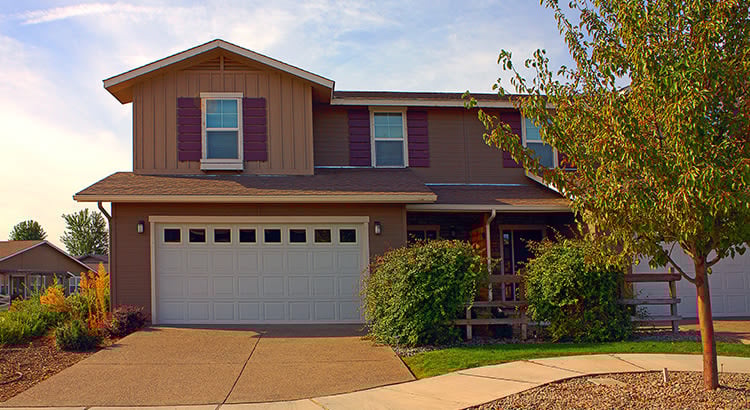
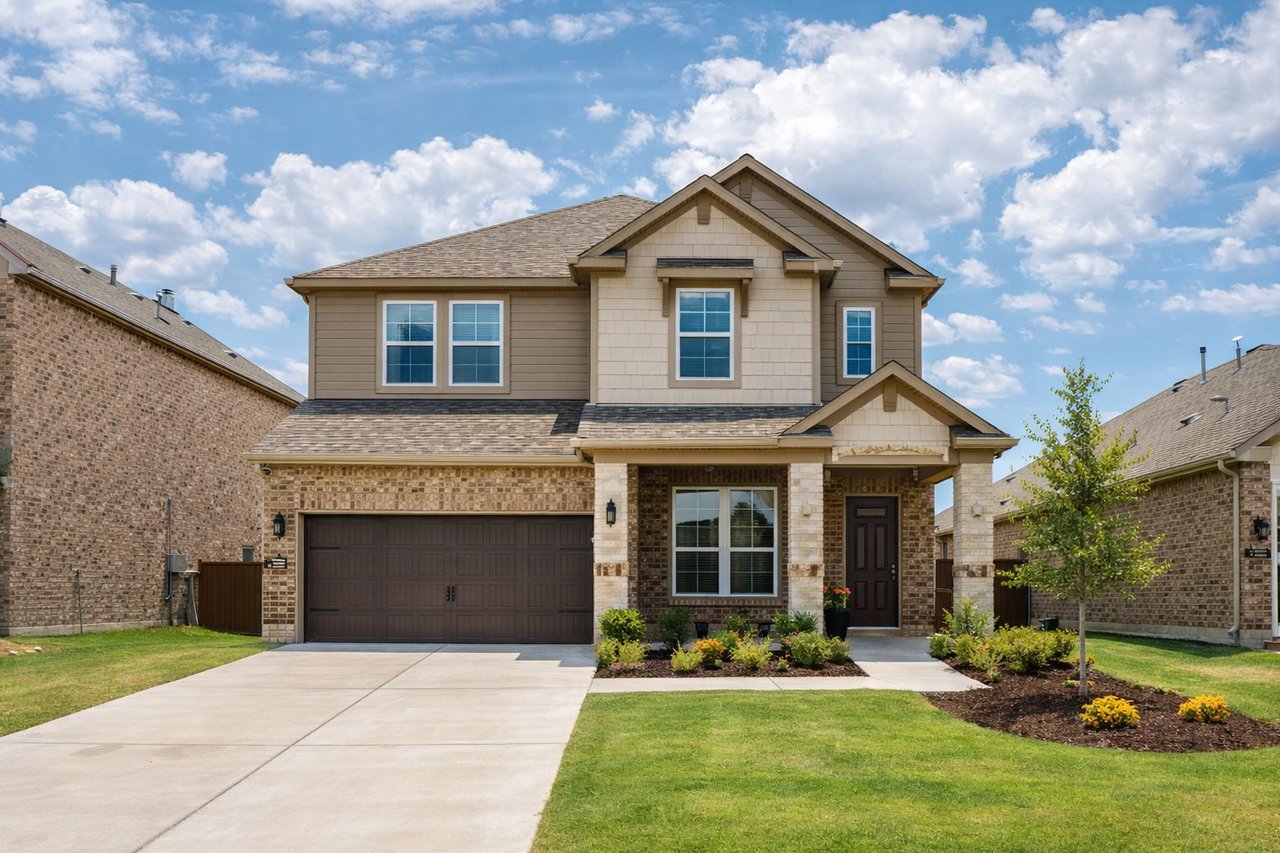
They notice the lawn, flower beds, walkway, roofline, front door, exterior paint, driveway, lighting, and whether the property feels cared for.
Curb appeal does not require an expensive landscape redesign. It requires attention.
Fresh mulch, trimmed shrubs, clean windows, a pressure-washed walkway, healthy grass, updated house numbers, and a freshly painted front door can make a substantial difference.
The goal is not to create a magazine cover. The goal is to remove doubt.
A neglected exterior causes buyers to wonder what else has been deferred.
4. Buyers Notice How the Home Feels Within the First Minute
Most buyers form an emotional first impression almost immediately.
They may not say it aloud, but they are responding to light, temperature, smell, noise, cleanliness, and the way the home flows from the entry.
A home that feels dark, warm, crowded, or stale begins at a disadvantage. Buyers may continue the tour, but their initial enthusiasm is already fading.
Before every showing, the home should feel comfortable and easy to enter. Lights should be on, blinds should be open where appropriate, the temperature should be pleasant, and strong fragrances should be avoided.
Clean is better than scented.
Bright is better than dramatic.
Calm is better than overly staged.
5. Buyers Notice Maintenance More Than Sellers Expect
Sellers often become accustomed to small defects because they have lived with them for years.
Buyers see them immediately.
A loose handle, cracked switch plate, dripping faucet, damaged baseboard, missing caulk, stained ceiling, burned-out bulb, or door that does not close properly may seem minor. Together, they create a pattern.
The buyer begins to wonder whether the home has been maintained carefully.
This is why I recommend completing a detailed walk-through before photography. We look at the home from the buyer’s point of view, not the owner’s.
Minor repairs are usually inexpensive before listing. Once they appear in an inspection report or become part of a buyer’s first impression, they can cost considerably more.
6. Buyers Notice Whether the Floor Plan Supports Their Life
This is where my Three L’s framework becomes especially useful: Location, Livability, and Lifestyle.
A seller cannot change the home’s location. The floor plan, however, can be presented in a way that helps buyers understand its livability.
Can the front room function as an office?
Could the upstairs game room support homework, hobbies, or a second television area?
Does the fourth bedroom work better as a guest suite, nursery, or study?
Is there space near the garage for bags, shoes, or everyday storage?
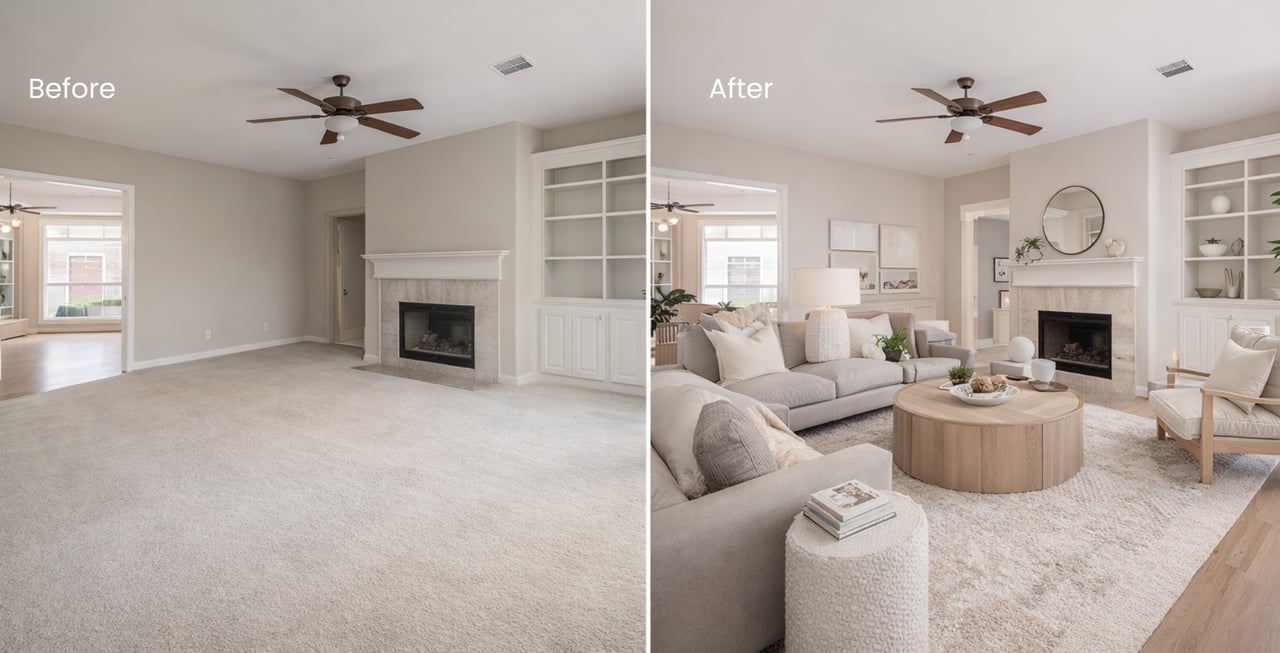
Staging should answer those questions.
A room without a clear purpose forces buyers to do the work themselves. A well-presented room helps them imagine how the home could make daily life easier.
7. Buyers Notice the Kitchen and Primary Suite, but Not Always for the Reasons Sellers Think
Sellers sometimes assume they need a full renovation before listing. That is rarely the first recommendation I make.
Buyers care about the condition, function, and overall presentation of the kitchen and primary suite. They notice clean grout, polished counters, organized cabinets, updated lighting, fresh paint, and whether the space feels open and cared for.
A dated kitchen that is clean, bright, and honestly priced may perform better than a partially updated kitchen with mismatched finishes.
The same applies to the primary bathroom.
Rather than spending heavily on renovations with uncertain returns, focus first on repairs, lighting, paint, hardware, cleanliness, and reducing visual clutter.
The question is not whether the home looks brand new.
The question is whether it feels ready for its next owner.
8. Buyers Notice the Backyard and the Lifestyle It Offers
In Prosper, outdoor space can play a major role in a buyer’s decision.
Some buyers want a pool. Others see a pool as another maintenance obligation. Some want enough grass for recreation or pets. Others prefer a smaller, lower-maintenance yard.
The marketing should make the outdoor space feel intentional.
Arrange the patio furniture. Clean the pool. Remove worn toys and unused equipment. Trim landscaping away from walkways. Make sure outdoor lighting works. Help buyers see how the space could be used.
The backyard is not just another photograph. It helps sell a lifestyle, weekend meals, evening conversations, pool days, gardening, or simply having room to breathe.
9. Buyers Notice How Your Home Compares With New Construction
Prosper sellers are not competing only with other resale homes.
New construction communities throughout Prosper, Celina, and the surrounding area often offer fresh finishes, builder warranties, financing promotions, closing-cost assistance, and homes that have never been occupied.
Resale homes have their own advantages.
They may offer established landscaping, completed window treatments, finished outdoor living areas, pools, upgraded lighting, custom storage, mature neighborhood character, and a location closer to existing schools or amenities.
The mistake is assuming buyers will automatically recognize those advantages.
The listing must explain them.
If the home includes $40,000 in improvements, identify the improvements. If the lot is larger than most new construction options, show that clearly. If the home is within walking distance of a park or school, make that part of the story.
Do not make the buyer figure out why your home is the better choice.
10. Buyers Notice Whether the Entire Presentation Feels Credible
Every part of the listing needs to tell the same story.
The price, photography, description, condition, staging, showing experience, and agent communication should feel consistent.
If the description calls the home “move-in ready” but buyers see deferred repairs, credibility drops.
If the home is marketed as luxury but the photographs are average, credibility drops.
If the price suggests exceptional condition but the home requires immediate work, credibility drops.
Trust affects offers.
Buyers are more comfortable writing a strong offer when they believe the home has been represented accurately and the transaction will be handled professionally.
Common Mistakes Prosper Sellers Make
The most expensive mistakes often begin with reasonable intentions.
Sellers price high because they want room to negotiate.
They delay repairs because the buyer may not notice.
They leave personal items in place because buyers should be able to “look past them.”
They wait to improve the home until after it has been sitting on the market.
The problem is that the strongest buyers usually appear early.
The first one or two weeks provide the best opportunity to attract buyers who have been waiting for a home like yours. If those buyers reject the property because of price, presentation, or condition, it can be difficult to recreate that initial attention later.
A price reduction may help, but it does not erase the home’s history.
If I Were Selling My Own Prosper Home Today
I would begin with three questions.
First, what homes will buyers compare mine against?
Second, what could prevent a qualified buyer from making an offer?
Third, what can I improve before listing that will matter more than it costs?
I would focus on preparation before promotion.
I would complete repairs, simplify the rooms, improve lighting, clean every surface, and make the outdoor areas feel usable. I would hire professional photography and create a marketing plan that explains the home’s location, livability, and lifestyle.
Most importantly, I would price the home for the market I am entering, not the market I remember.
Prosper remains an outstanding place to own a home. That does not mean every listing will sell quickly or command the seller’s preferred price.
The homes that perform best are the ones that make the buyer’s decision easier.
Thinking About Selling Your Prosper Home?
The right time to begin preparing is before the home appears online.
A thoughtful pre-listing plan gives you time to decide which improvements are worthwhile, which repairs should be completed, how the home should be positioned, and what competing properties may affect your result.
At Merit Homes, my role is not simply to place a listing in the MLS. It is to help you understand what buyers are seeing, how your home compares, and what we can do to protect your equity.
Your home does not need to be perfect.
It needs to be prepared, presented, and priced with purpose.