
When most sellers think about location, they think in simple terms.
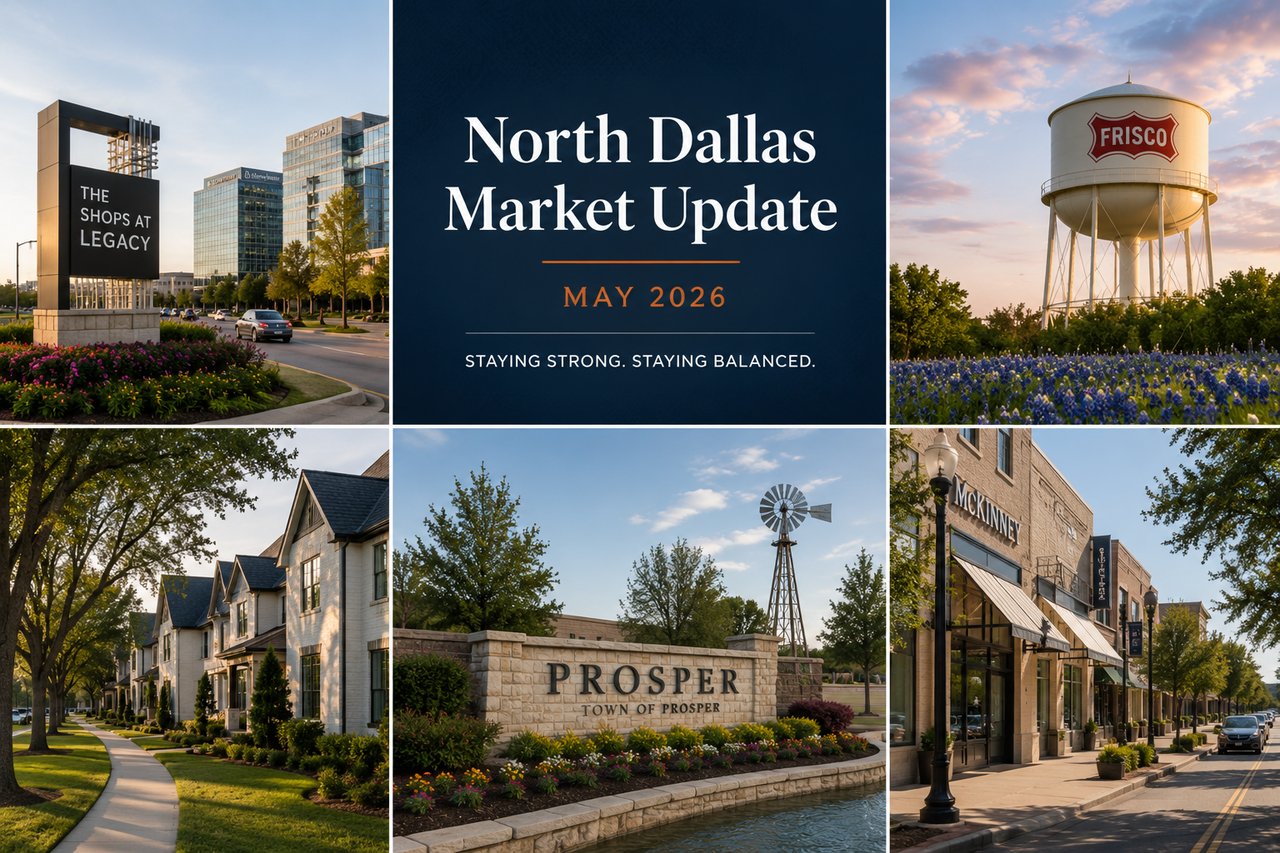
Prosper versus Frisco.
Plano versus McKinney.
Maybe even neighborhood versus neighborhood.
But buyers don’t think that way anymore. And if you price and position your home based on that old mindset, you risk missing the mark before your listing ever hits the market.
Here’s the shift.
A home doesn’t just need a good location. It needs to fit.
And that fit comes down to three things, location, lifestyle, and livability.
For this conversation, we’re focusing on location, because for sellers, it’s often the most misunderstood piece, and the one that directly affects pricing, demand, and time on market.
The Real Role of Location in Today’s Market
Location used to be about proximity.
Close to work.
Close to highways.
Close to shopping.
That still matters, but it’s only part of the picture now.
Today, buyers are evaluating location based on how it feels to live there, not just where it sits on a map.
That means your home isn’t competing with every property in your city. It’s competing with homes that offer a similar experience.
A buyer considering Windsong Ranch in Prosper isn’t just looking at Prosper. They may also be looking at:
-
Star Trail
-
Light Farms in Celina
-
Phillips Creek Ranch in Frisco
Different cities, same lifestyle category.
If a seller ignores that, pricing gets disconnected from reality.
Mistake #1 Sellers Make, Pricing Based on Geography Instead of Buyer Behavior
One of the most common issues I see is this:
A seller says, “Homes in my neighborhood are selling for X, so mine should too.”
That sounds logical, but it skips a critical step.
Who is the buyer for your home, and what are they comparing it to?
Let’s say you’re selling in Craig Ranch in McKinney.
Your buyer might also be looking at:
-
West Plano for schools and commute
-
Frisco for newer construction options
-
Celina for more space and value
If those areas offer a similar lifestyle at a better price point, your home has to account for that.
Otherwise, buyers won’t even come see it.
Location, from a seller’s standpoint, is about understanding your competition through the buyer’s eyes, not just pulling recent sales nearby.
Mistake #2, Ignoring Micro-Location Inside the Neighborhood
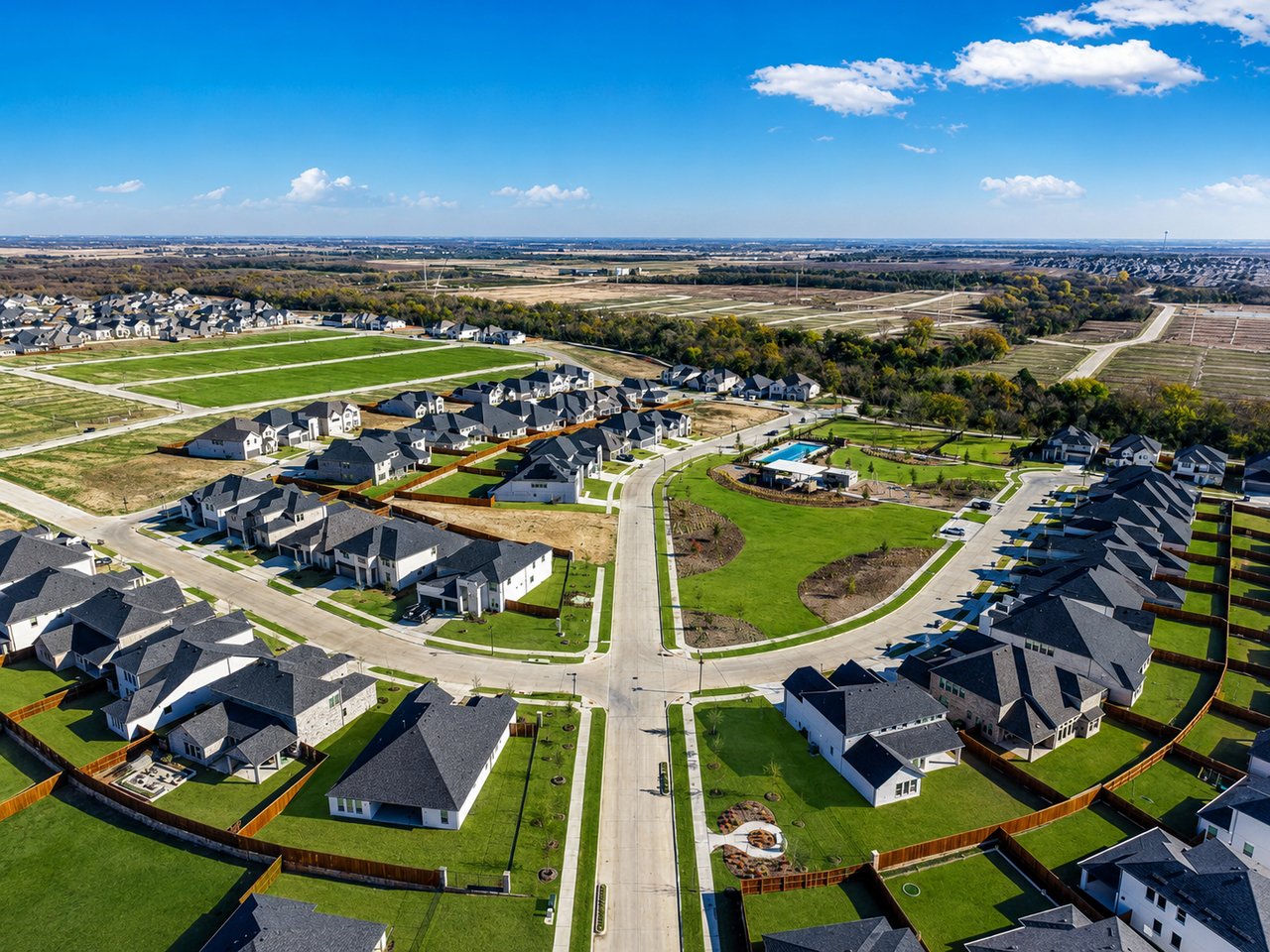
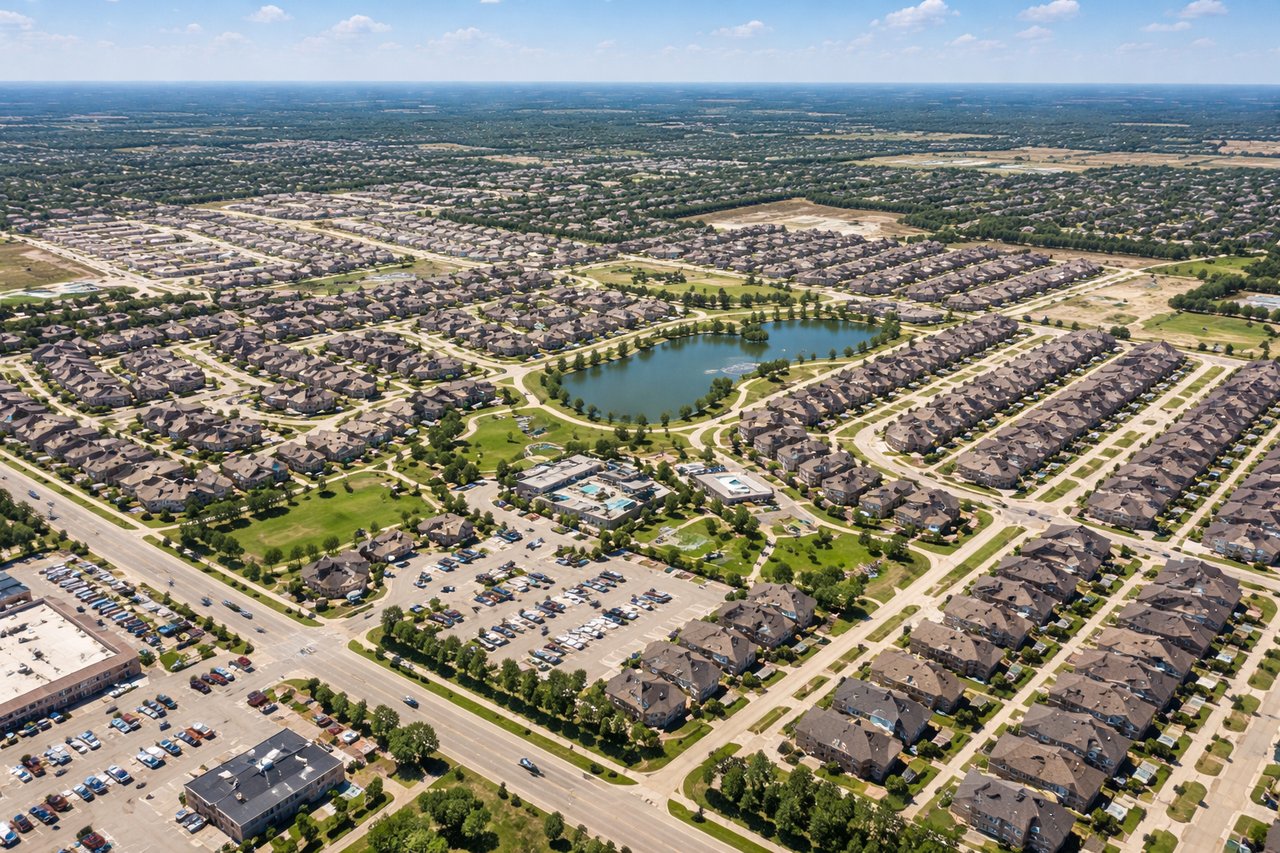
Not all lots are created equal, even inside strong communities.
This is where many sellers overestimate value.
Within the same neighborhood, buyers are quietly sorting homes based on details like:
-
Backing to a main road versus interior street
-
Proximity to amenities like pools, trails, or schools
-
Privacy, lot size, and orientation
-
Future construction or surrounding development
Take a neighborhood like Windsong Ranch.
Two homes with similar square footage can attract very different levels of interest depending on whether one backs to open space and the other backs to traffic.
That difference shows up in showings, offers, and ultimately, price.
If you price your home like the best-positioned property in the neighborhood, but yours doesn’t offer the same experience, the market will push back quickly.
Mistake #3, Not Adjusting for the Direction the Area Is Moving
Location is not static.
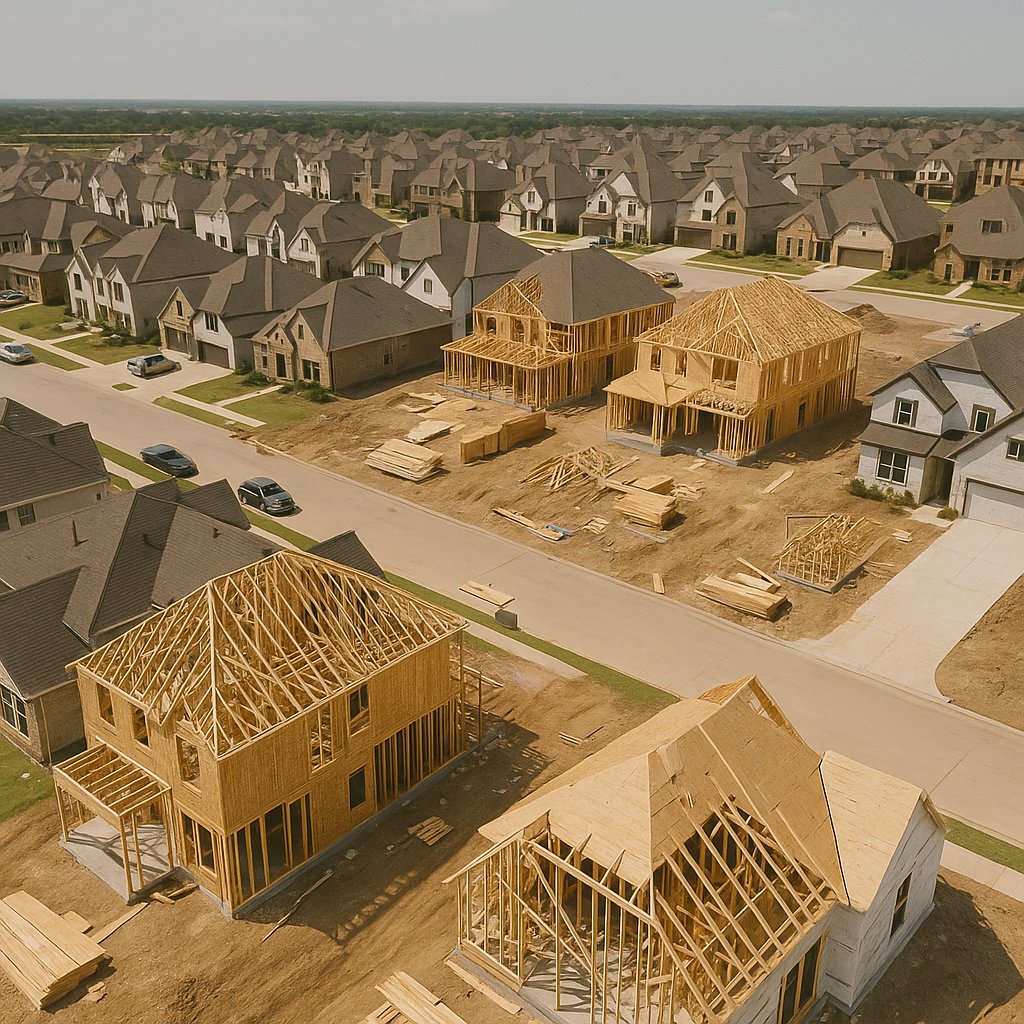
North Dallas suburbs are expanding fast, and buyers are paying attention to where things are heading, not just where they are today.
For example:
-
Celina continues to attract buyers priced out of Frisco and Prosper
-
Prosper still carries strong appeal, but buyers are comparing it more closely with newer areas offering similar homes at different price points
-
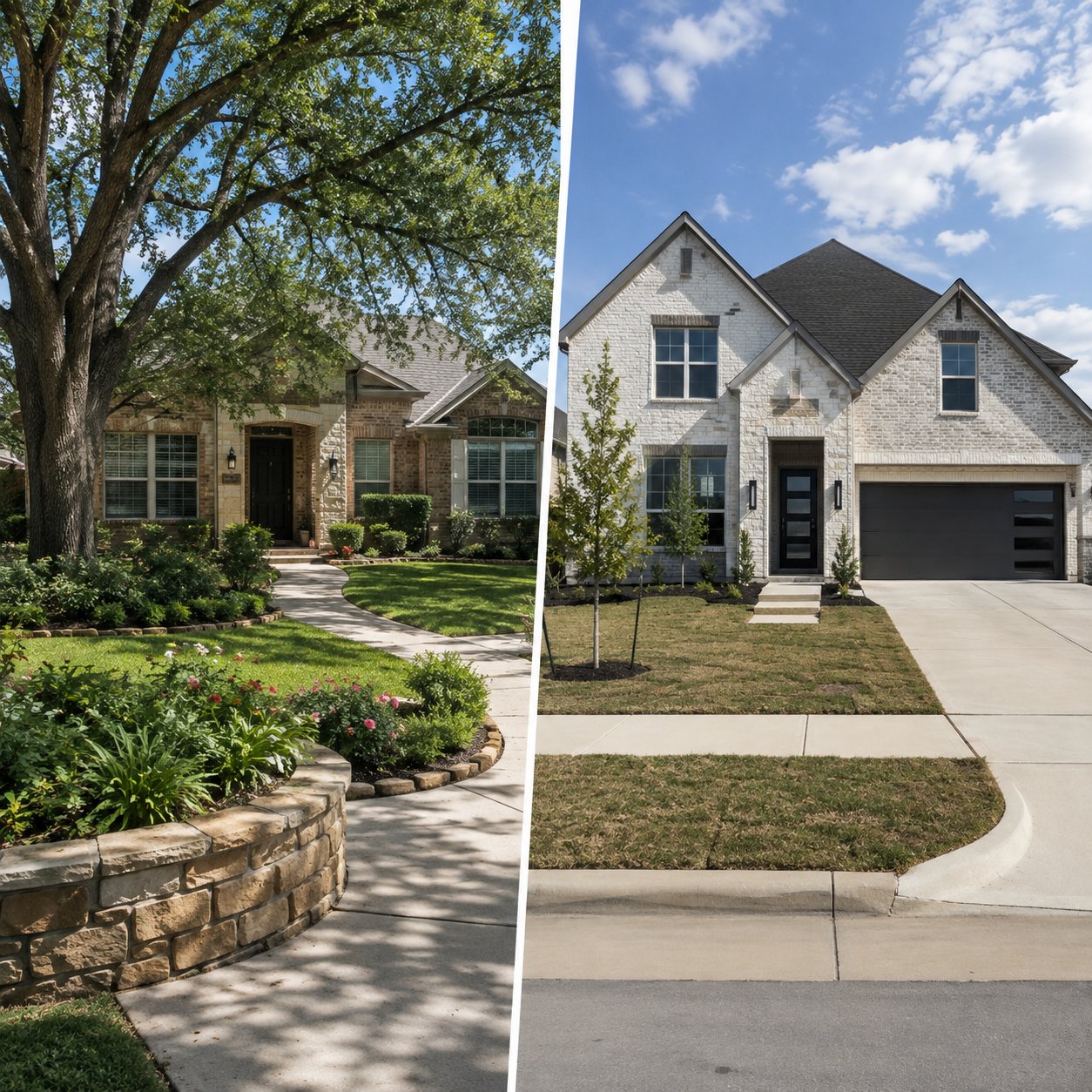
Plano remains attractive for established neighborhoods, mature trees, and central access, but competes differently than new construction markets
If you’re selling in a transitioning area, your pricing and marketing need to reflect that shift.
A home in a “next up” area can benefit from momentum, but only if it’s positioned correctly.
How Smart Sellers Use Location to Their Advantage
The sellers who win in this market do something different.
They don’t just ask, “What did my neighbor’s house sell for?”
They ask:
-
What type of buyer is most likely to choose my home?
-
What other areas are they considering?
-
How does my location compare in terms of lifestyle and convenience?
-
What advantages does my specific lot or position offer?
-
Where might buyers see friction or hesitation?
Once you answer those questions, pricing becomes clearer.
Marketing becomes sharper.
And your home stands out instead of blending in.
The Fit Factor, Why Location Alone Isn’t Enough
This is where everything connects.
Location is one piece of a larger picture.
A home only works when it fits the buyer across:
-
Location, where it sits and how it connects to their daily life
-
Lifestyle, how the community supports how they want to live
-
Livability, how the home itself functions day to day
As a seller, your job is to understand how your home fits into that equation, then present it clearly to the right buyer.
When that alignment is right, homes sell faster and with stronger offers.
When it’s off, even great homes can sit.
What This Means If You’re Thinking About Selling
If you’re planning to sell in Prosper, Frisco, Plano, McKinney, or Celina, the biggest opportunity isn’t just timing the market.
It’s positioning your home correctly within it.
That starts with understanding how buyers are viewing your location today, not how it was viewed five years ago, or even last year.
If you’re curious how your home compares across competing areas, or what buyers are likely stacking it up against, I’m always open to walking through that with you.
No pressure, just clarity so you can make the right decision for your next move.