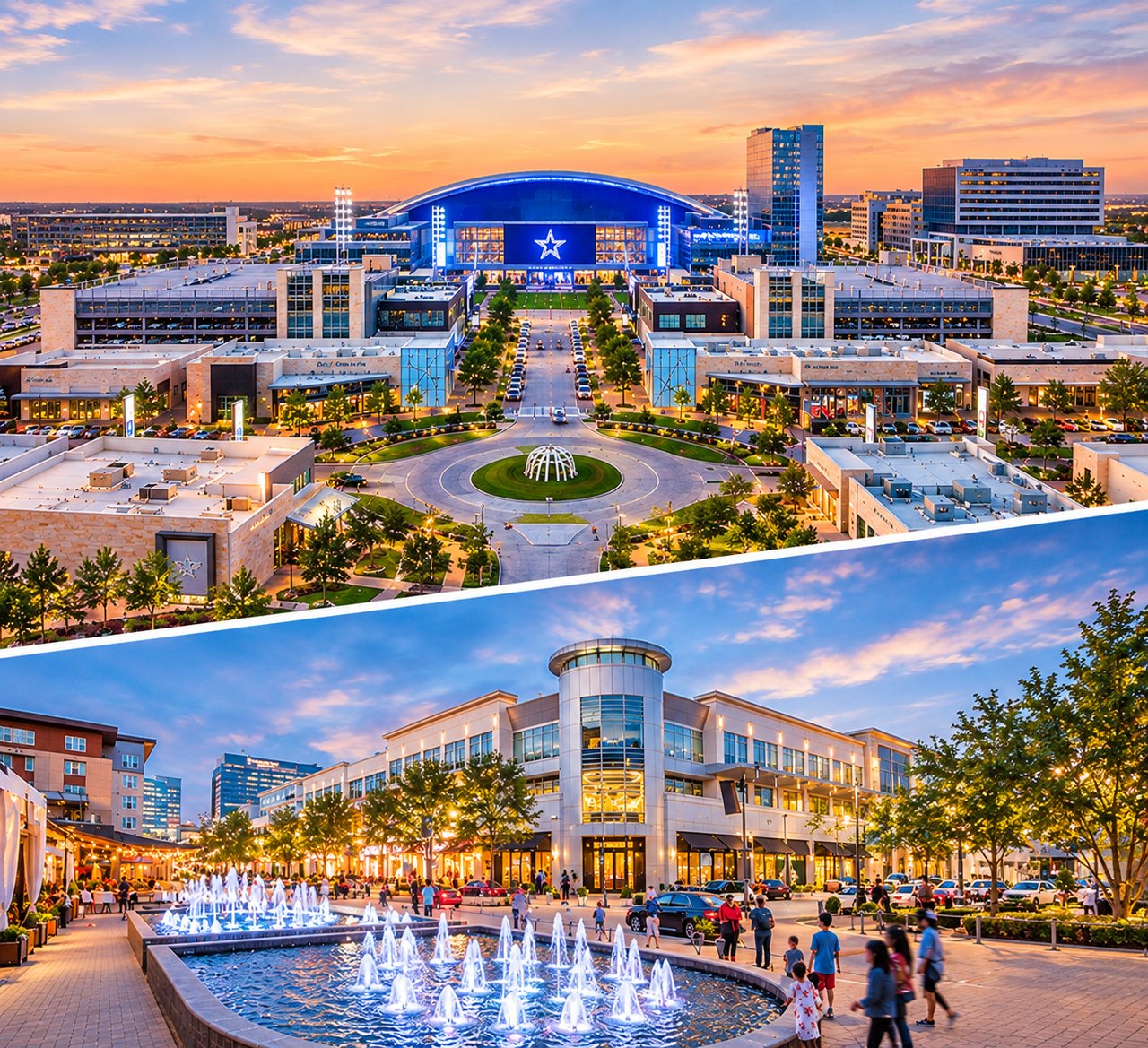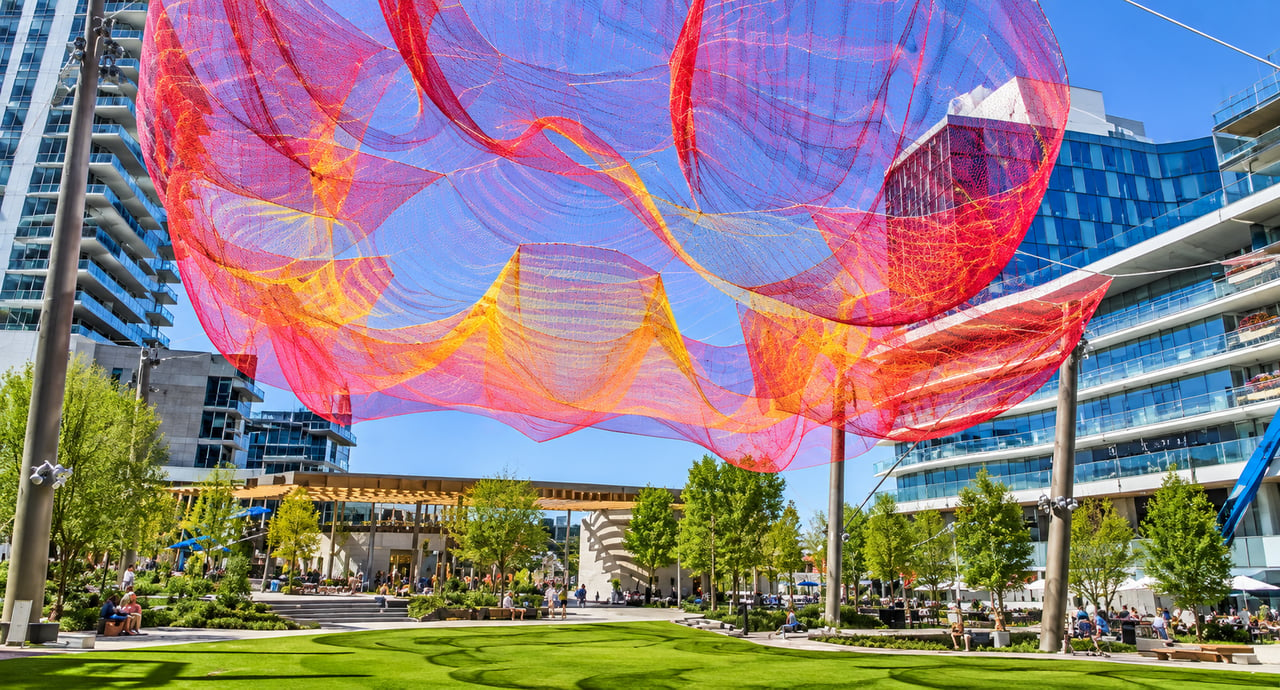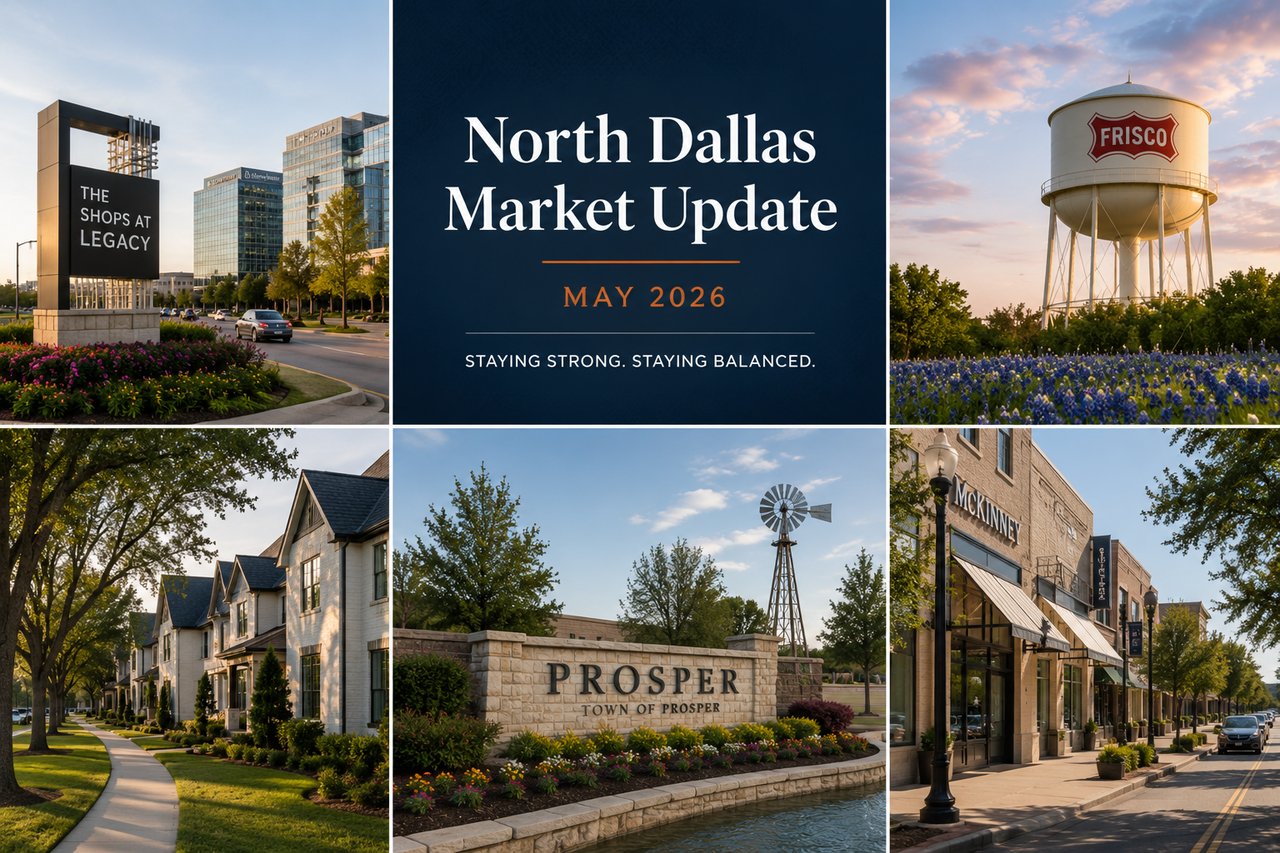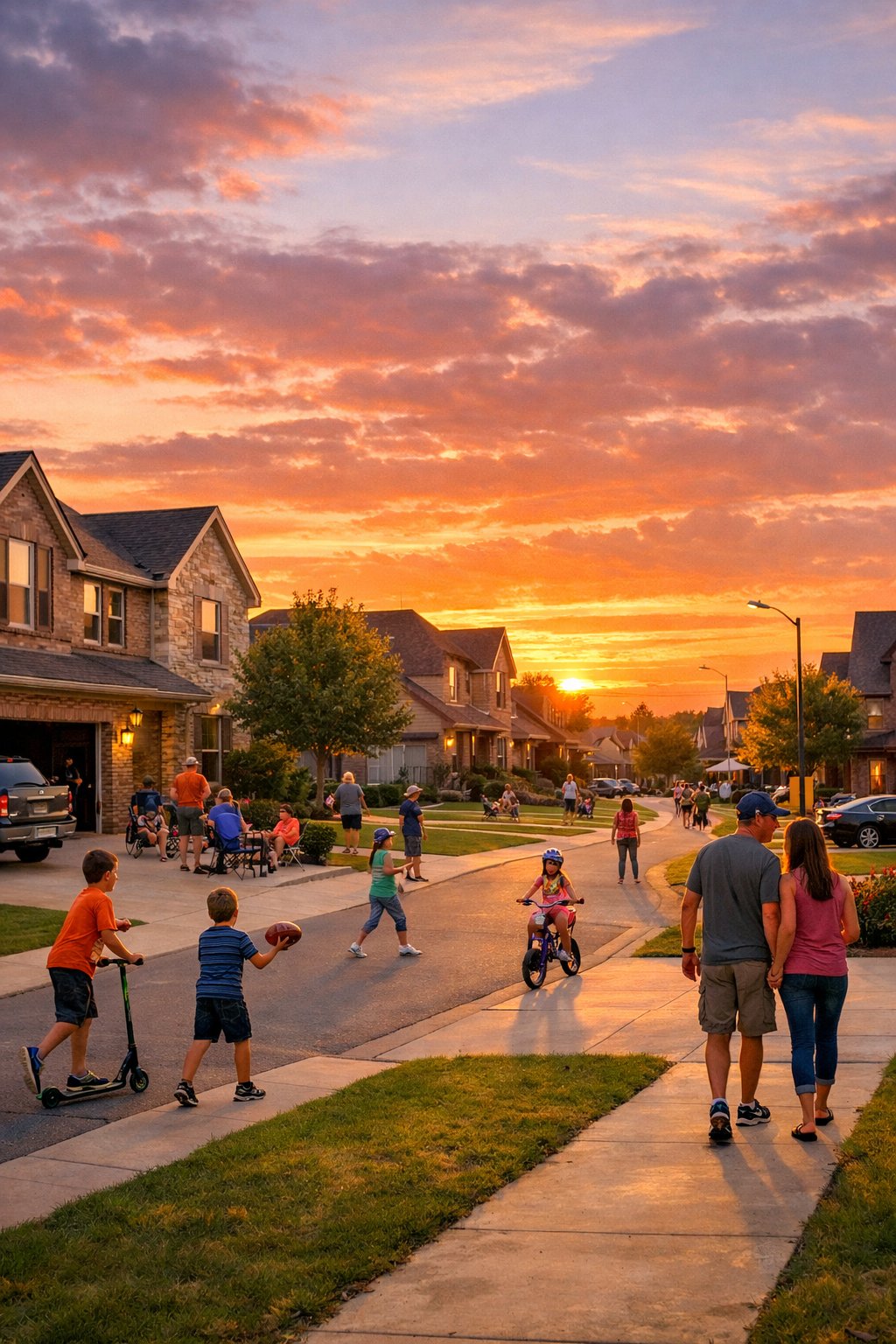

One of the things I've learned showing homes throughout North Dallas is that buyers often arrive with a pretty clear picture of what they think each city is going to be.
Prosper means newer master-planned communities.
Frisco means restaurants, sports and newer development.
Plano means established neighborhoods and convenience.
Then we get to McKinney.
And McKinney is a little harder to put in a box.
You can spend Saturday morning walking around a historic downtown that actually feels historic, then drive a few miles and tour brand-new homes in a large master-planned community. Keep driving and you'll find mature neighborhoods with big trees, golf communities, luxury homes, townhomes and areas that still feel surprisingly open.
That's one of the things I like about McKinney.
It doesn't give you just one version of suburban North Texas.
And with the city's population now estimated at more than 237,000, McKinney isn't a small town anymore. The city estimates its population has grown more than 21 percent since 2020.
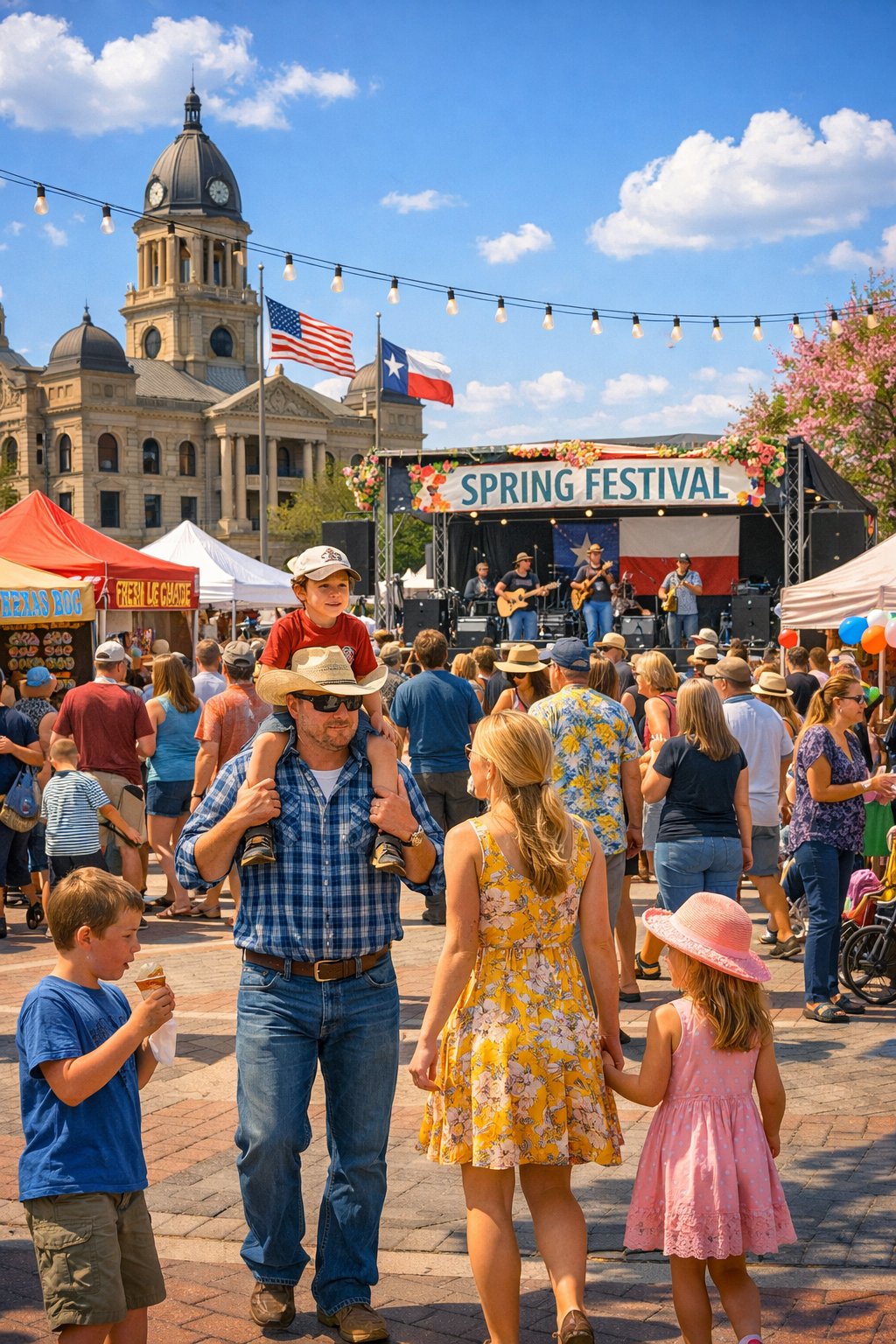
Yet there are parts of McKinney where you can still walk into a locally owned restaurant, wander through independent shops around the square and temporarily forget you're living in one of the fastest-changing parts of North Texas.
So if you're considering moving to McKinney, I wouldn't start by asking:
“Is McKinney a good place to live?”
I'd ask something much more useful:
“Which version of McKinney fits the way I want to live?”
That's where my Three L's come in.
Location. Livability. Lifestyle.
And McKinney gives you quite a few ways to combine them.
First, Understand How Big McKinney Really Is
This is one of the first things I explain to relocation buyers.
Don't think of McKinney as one neighborhood.
It isn't.
Where you live within McKinney can substantially change your experience.
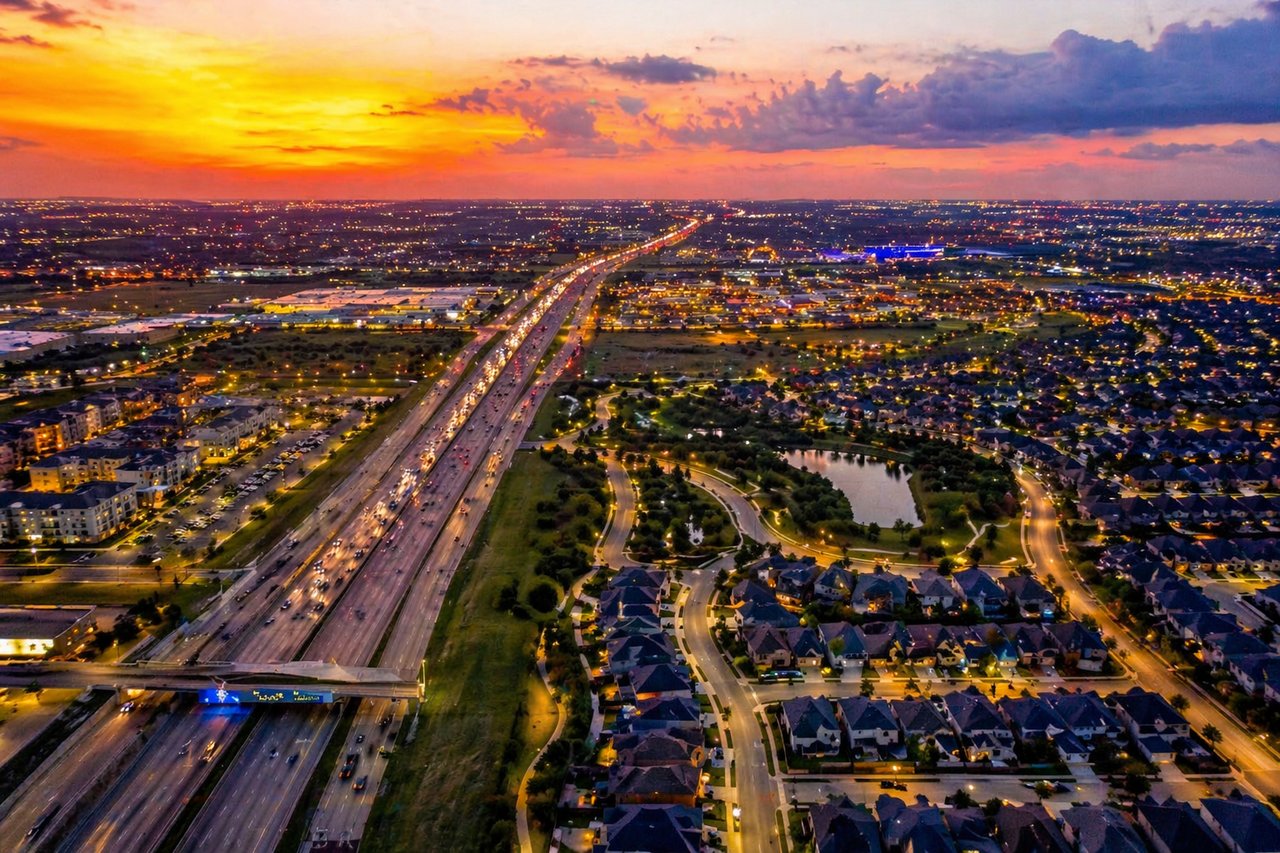
Some areas put you closer to Frisco, Allen and the Sam Rayburn Tollway.
Others give you easier access to Highway 75.
Northern McKinney gets you closer to communities such as Trinity Falls and some of the area's newer development.
Near Downtown McKinney, the environment changes again.
And western McKinney can feel much more connected to Frisco than someone looking at a map might initially expect.
That's why I don't love relocation searches that simply say:
“Show me every house in McKinney between $600,000 and $800,000.”
We can certainly do that.
But first, I want to know where you work, what you like to do, how much driving you're comfortable with, whether you prefer new or established neighborhoods, and what you want around you.
The address says McKinney.
Your everyday life depends on exactly where that address is.
Location: Your Commute Matters
The first of my Three L's is Location, and McKinney is a perfect example of why it matters.
Highway 75 provides the major north-south connection through the eastern side of the city.
The Sam Rayburn Tollway, State Highway 121, serves the southern part of McKinney and connects toward Frisco, Plano and other major employment areas.
US 380 runs east-west through northern McKinney and is an important corridor, but anyone relocating here should understand that it is also undergoing significant change.
TxDOT has selected a future US 380 freeway alignment around northern McKinney, and major roadway work is part of the area's long-term transportation picture.
That's important when buying a home.
A route that works one way today may look different several years from now.
Matt's Perspective
If I were relocating to McKinney and commuting several days a week, I would test the commute before choosing the house.
Actually drive it.
And don't do it Sunday afternoon.
Do it Tuesday morning.
If you're deciding between two neighborhoods and one saves you 15 or 20 minutes each way, that can become a meaningful part of your quality of life.
A beautiful kitchen is great.
But you aren't going to appreciate it nearly as much if you're spending an extra five hours every week sitting in traffic.
McKinney's Housing Is One of Its Biggest Strengths
From a real estate standpoint, this is where McKinney becomes especially interesting.
There isn't one dominant housing type.
Depending on where we look, I can show you:
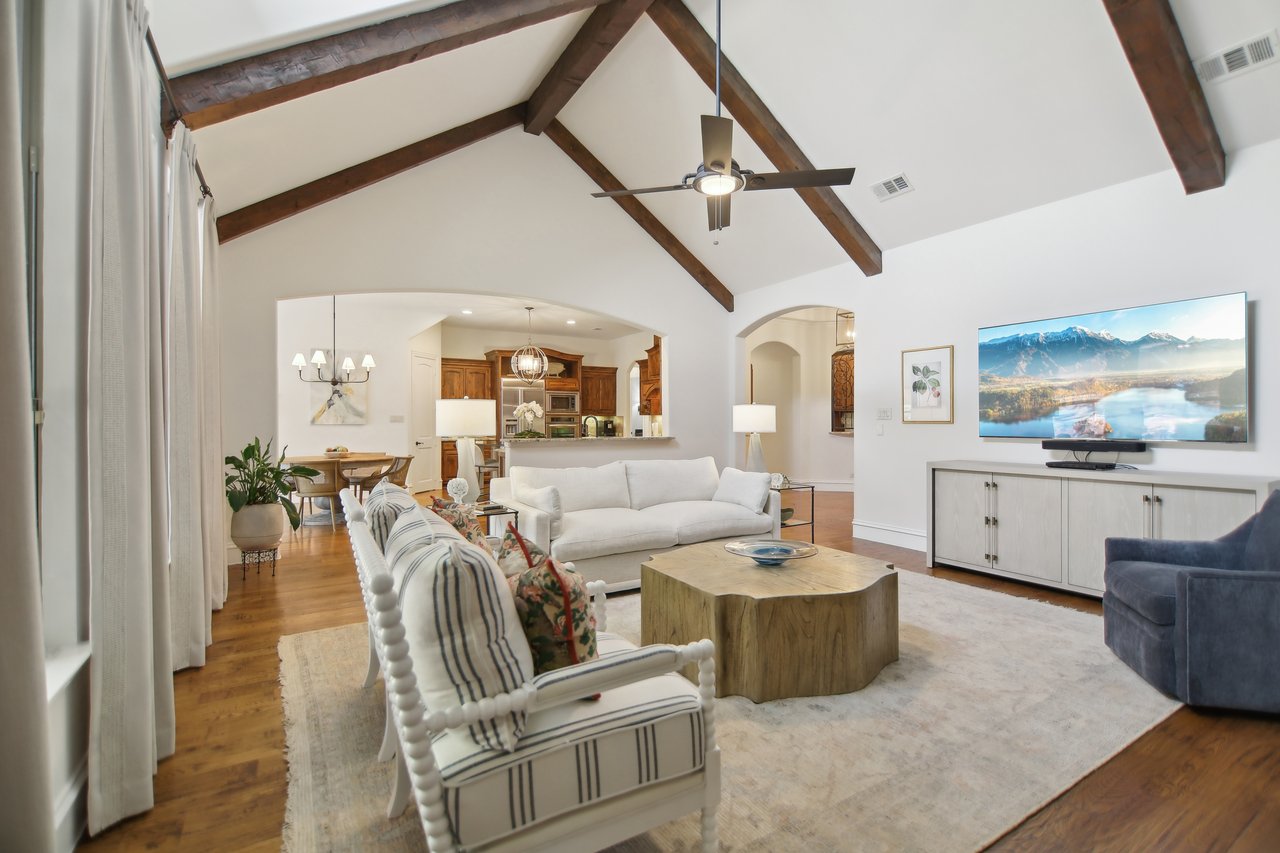
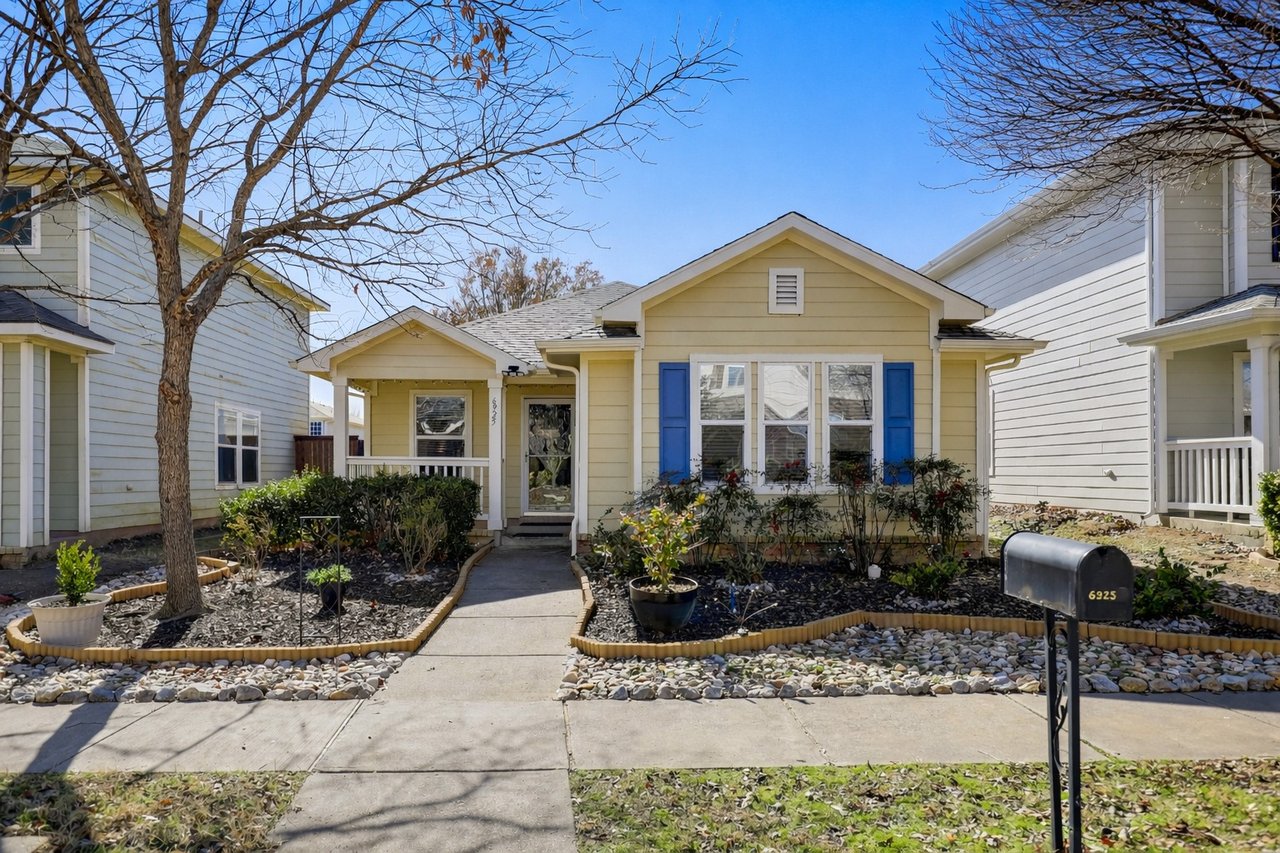
Older established homes.
Updated resale properties.
Golf course communities.
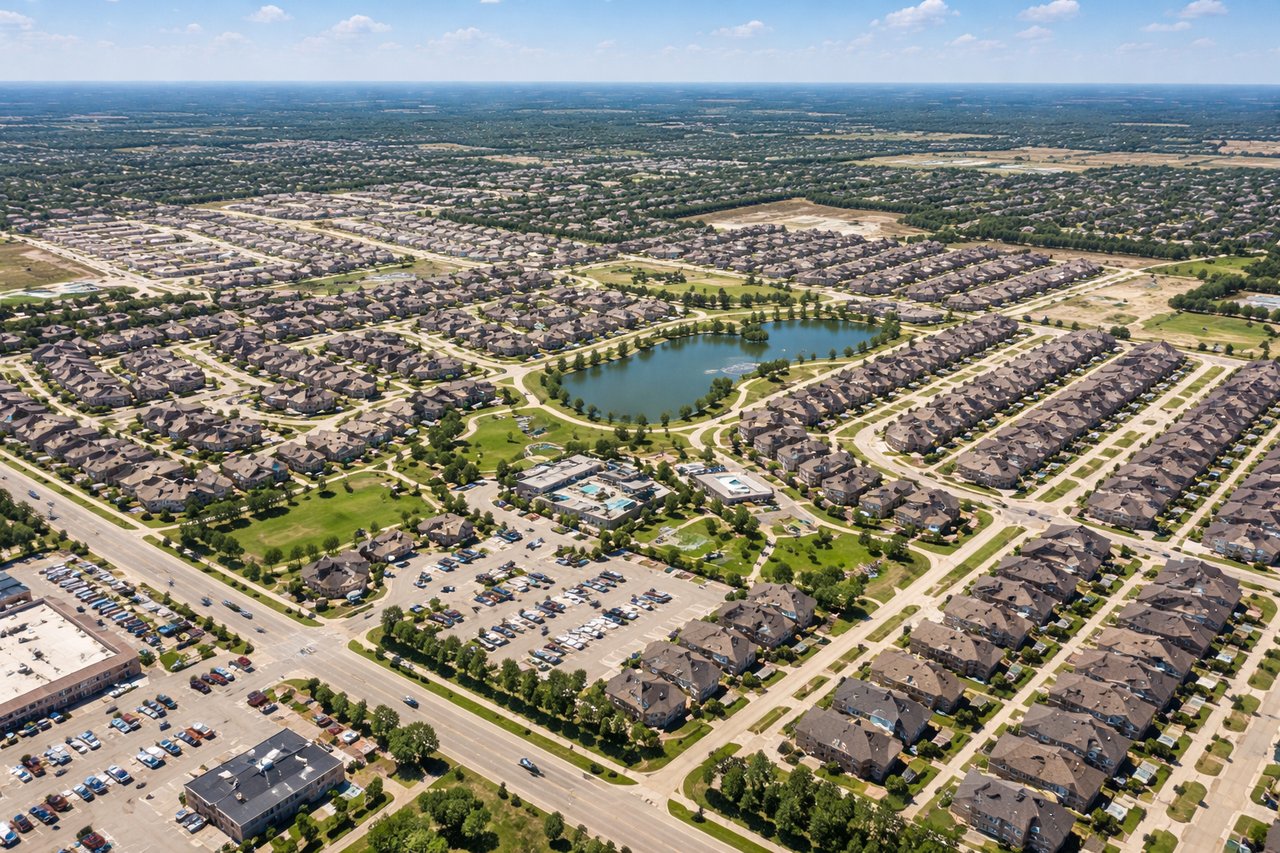
Master-planned neighborhoods.
Townhomes.
Luxury properties.
Active adult options.
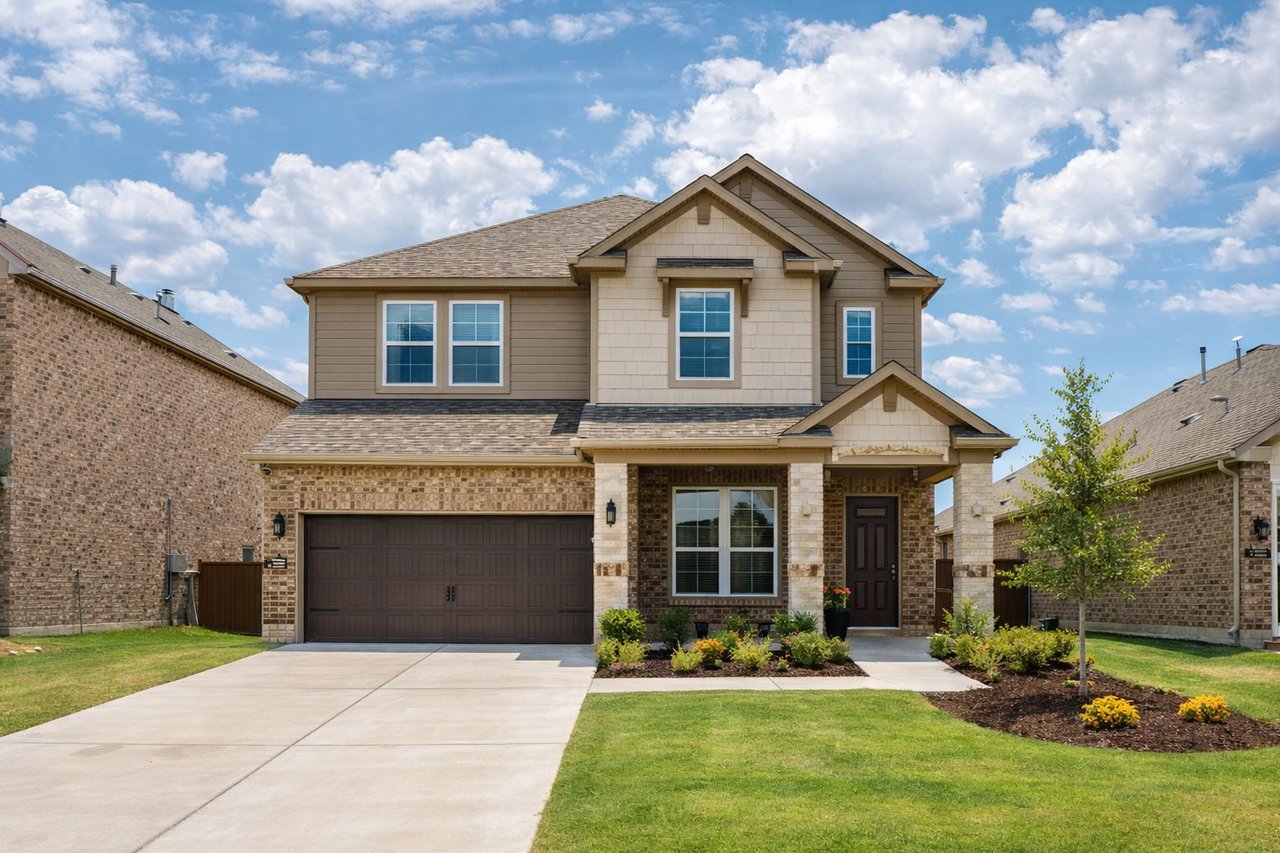
Brand-new construction.
Homes with mature landscaping.
Homes on larger lots.
And everything in between.
That's a different buying experience from communities where most of the housing stock was built within a relatively narrow period.
McKinney gives buyers choices.
The challenge is understanding the tradeoffs between them.
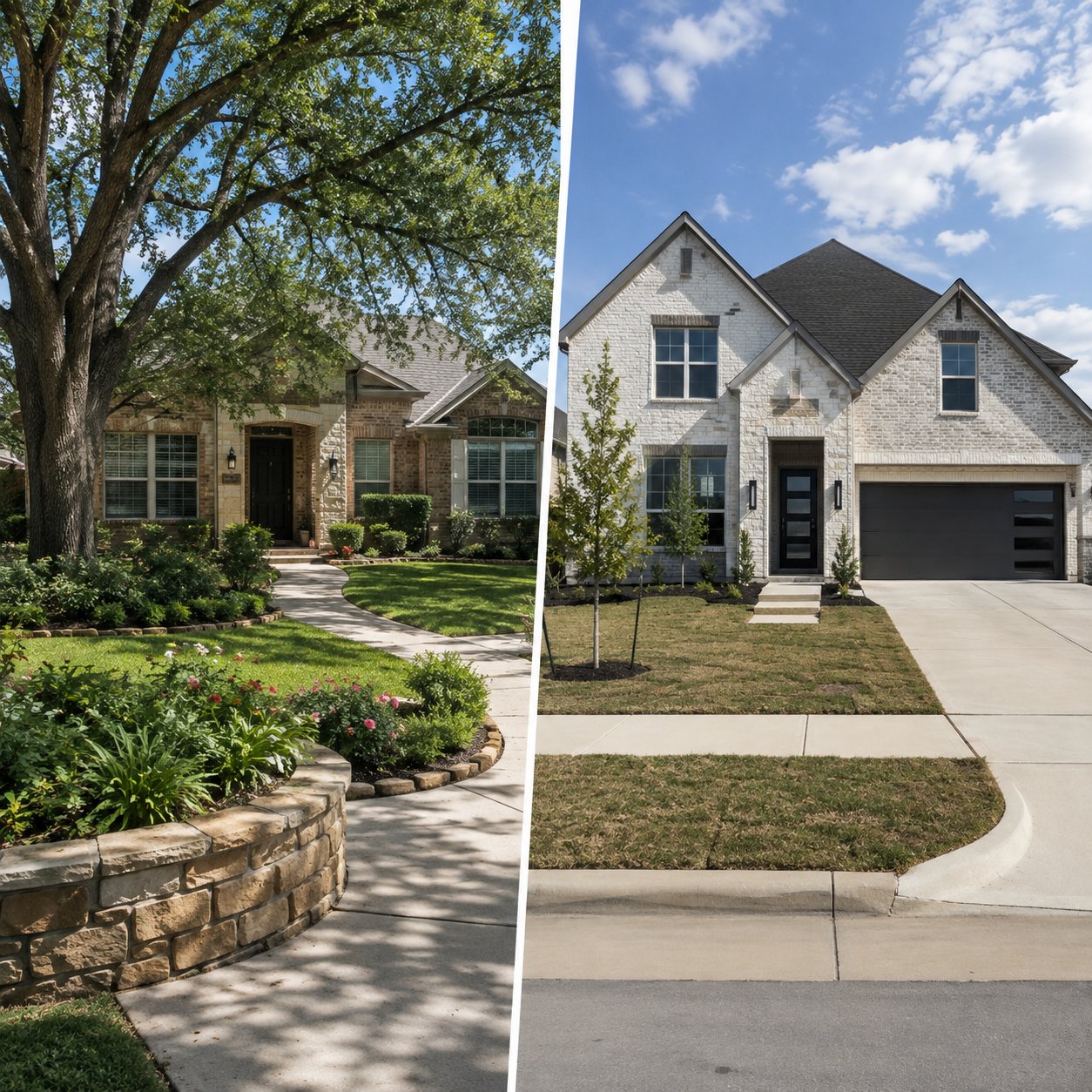
Established McKinney Can Be Hard to Recreate
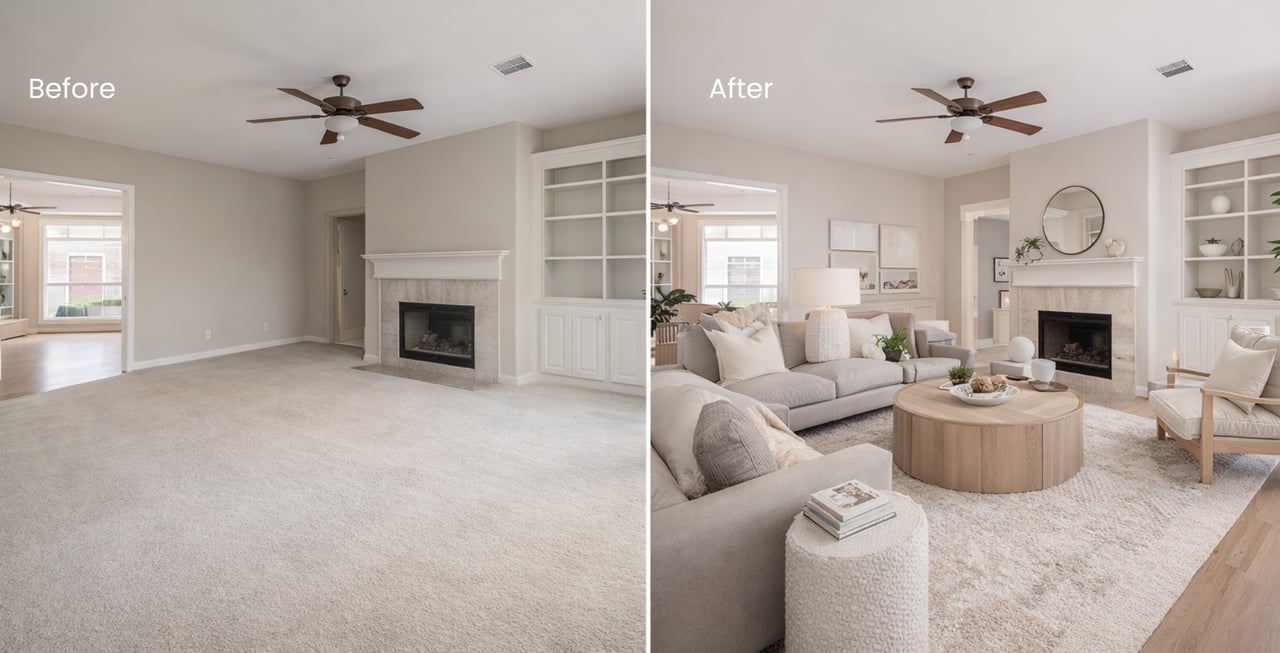
Some buyers arrive in North Texas convinced they want new construction.
Then I take them through an established neighborhood.
The trees are mature.
The landscaping is finished.
The streets have character.
The neighboring houses aren't construction sites.
The backyard may be larger.
And suddenly the buyer starts reconsidering what “new” is worth to them.
Established areas such as Stonebridge Ranch are a good example of the other side of McKinney's housing story.
You aren't buying the promise of what a neighborhood might become.
You're buying something you can already see.
That has value.
Of course, an older home may also mean an older roof, HVAC systems, windows or finishes.
You have to evaluate the whole property.
But don't assume newer automatically means better.
Sometimes an established home gives you things that would take decades to reproduce.
New Construction Is Writing McKinney's Next Chapter
Then there's the other side.
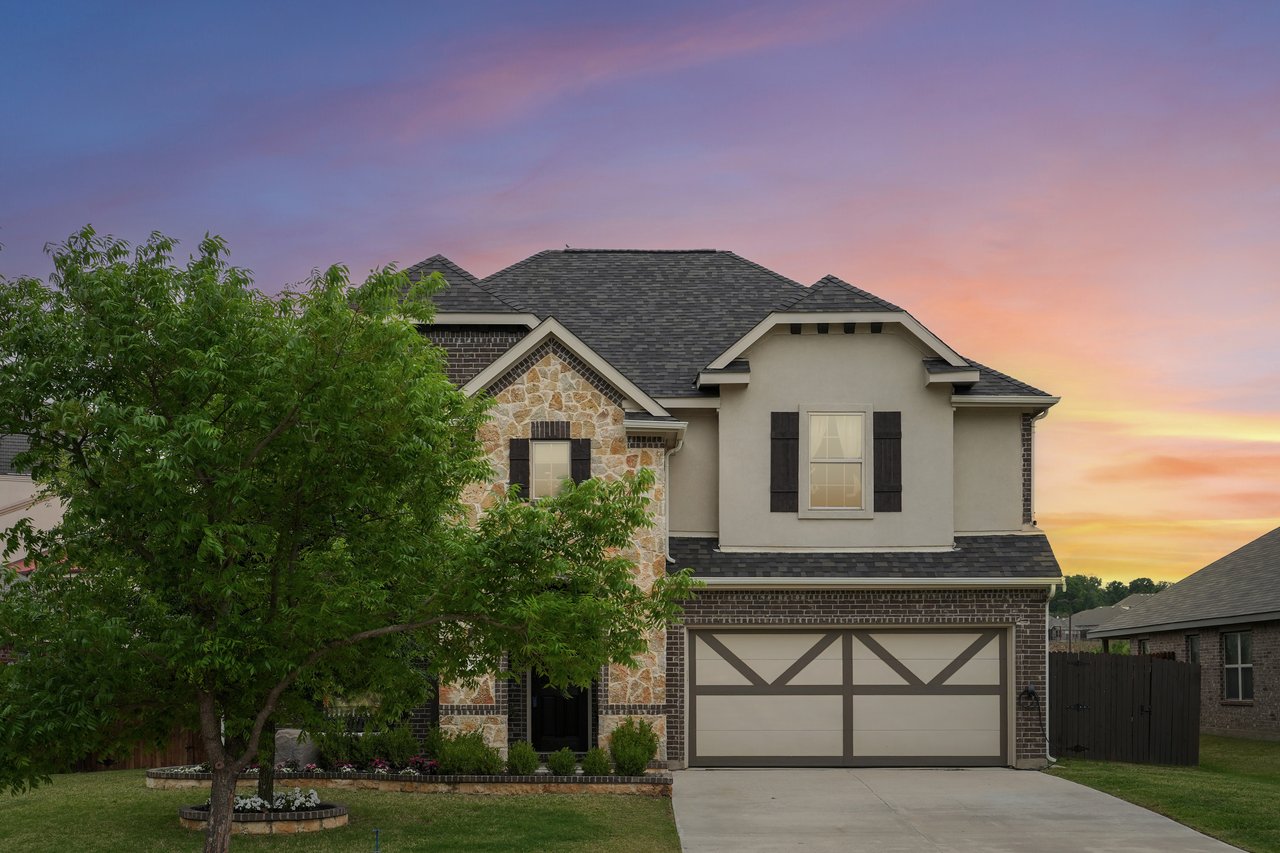
McKinney continues to offer significant new-home opportunities.
Two communities illustrate that especially well.
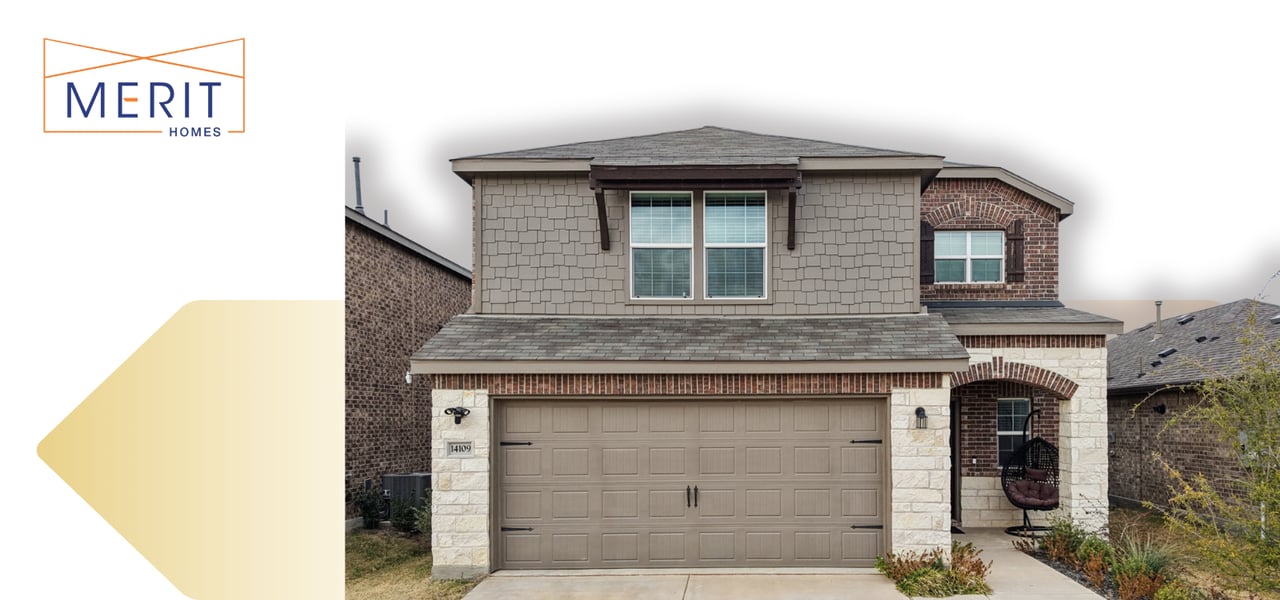
Painted Tree
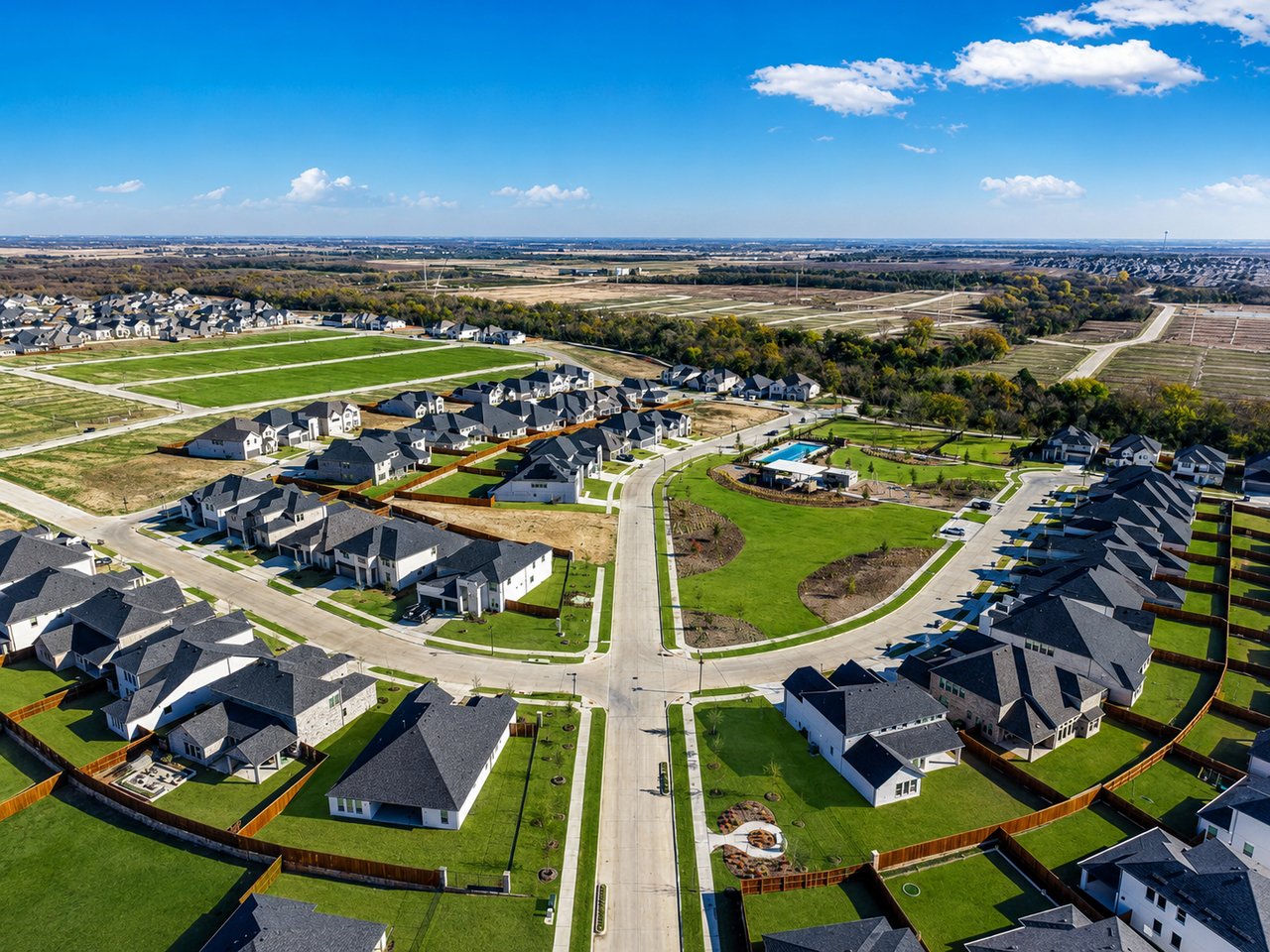
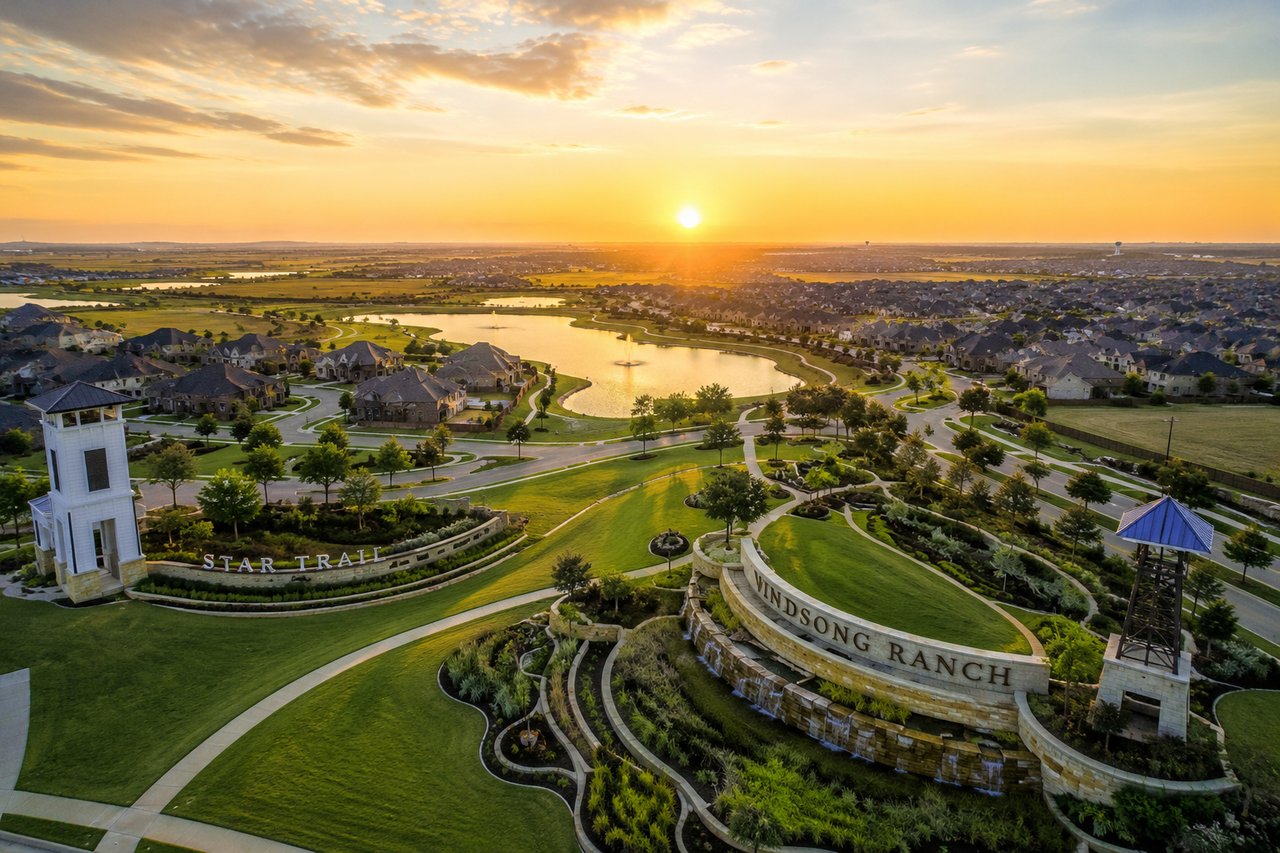
Painted Tree is only about three miles north of Downtown McKinney and has been designed around trails, open space and outdoor living.
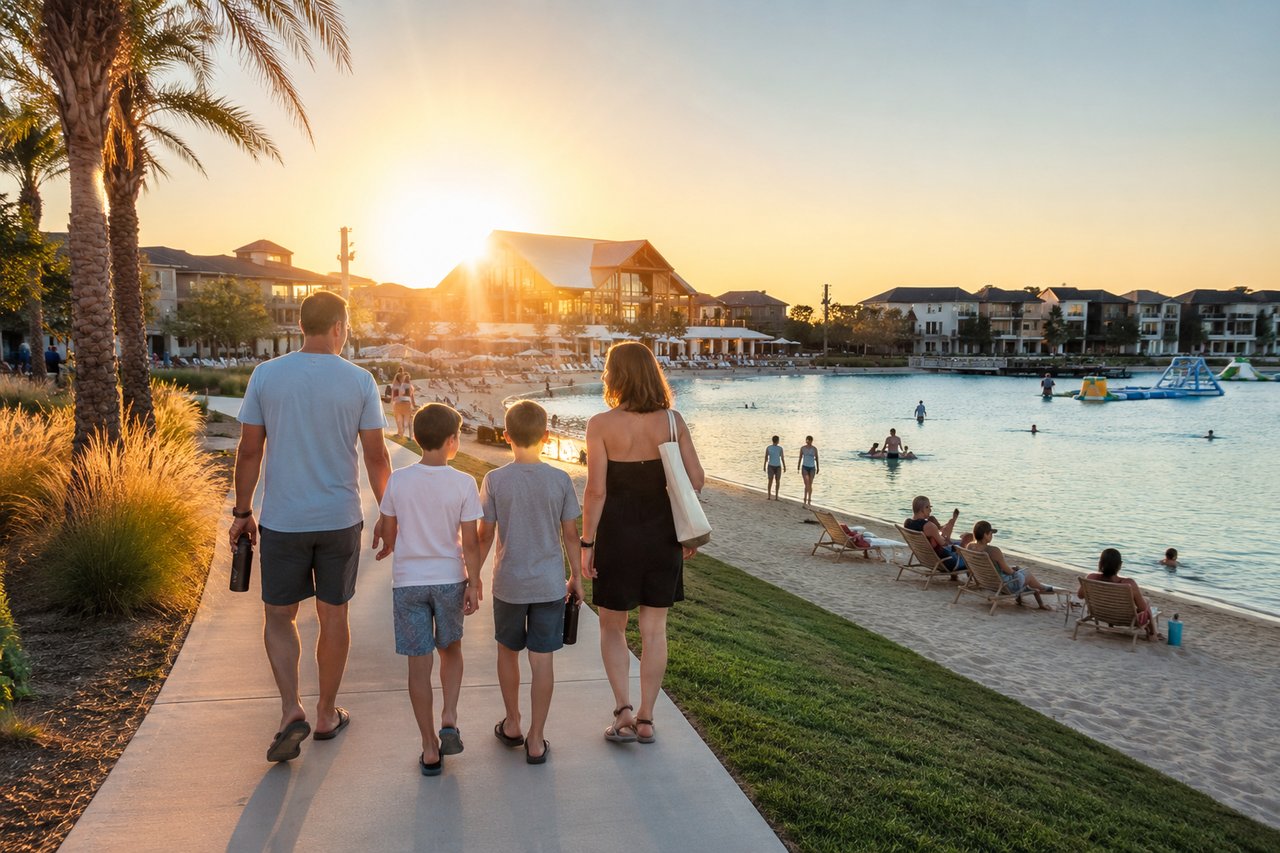
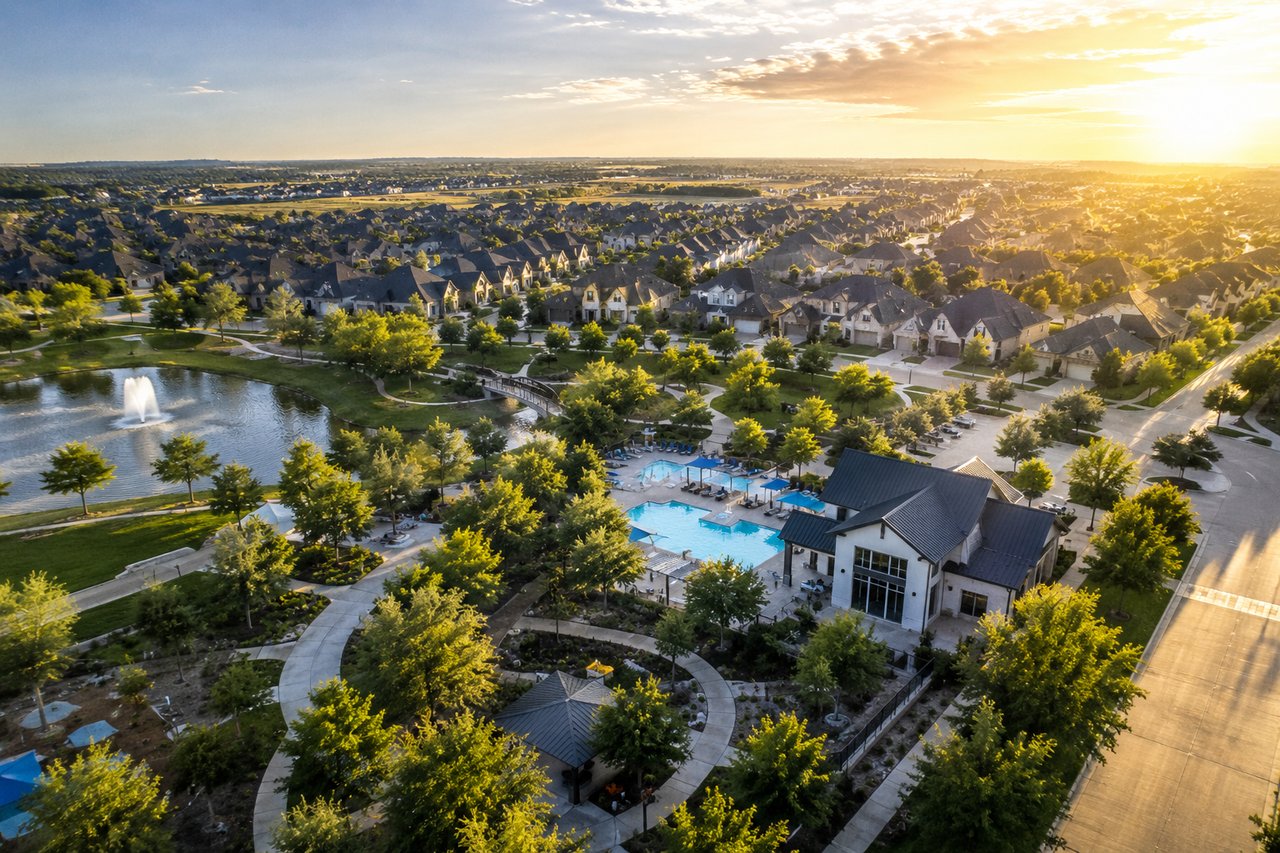
The community includes approximately 200 acres of natural open space, a 20-acre lake, pools and community gathering areas. Housing choices currently range from townhomes into luxury single-family homes, with multiple builders offering homes at a wide variety of price points.
That range is important.
A buyer considering Painted Tree isn't necessarily shopping for the same home as every other buyer in the community.
There are different builders, product types and price points.
Trinity Falls
Farther north, Trinity Falls offers another version of master-planned living.
The approximately 2,000-acre community includes multiple builders, pools, playgrounds, trails, lakes, a dog park, fitness and gathering spaces, along with a 350-acre natural park. It also includes a Del Webb 55+ neighborhood.
These aren't simply subdivisions with new houses.
They're selling a lifestyle along with the home.
And that distinction matters.
Livability: Don't Buy Amenities You Won't Use
That brings us to the second L.
Livability.
Master-planned communities can have impressive amenity lists.
Pools.
Trails.
Fitness centers.
Pickleball.
Community events.
Dog parks.
Playgrounds.
Lakes.
Clubhouses.
All of that sounds fantastic on a brochure.
But here's the question I would ask:
Will you actually use it?
If you walk every morning, trails may genuinely improve your daily life.
If you work remotely, a community with coworking spaces might matter.
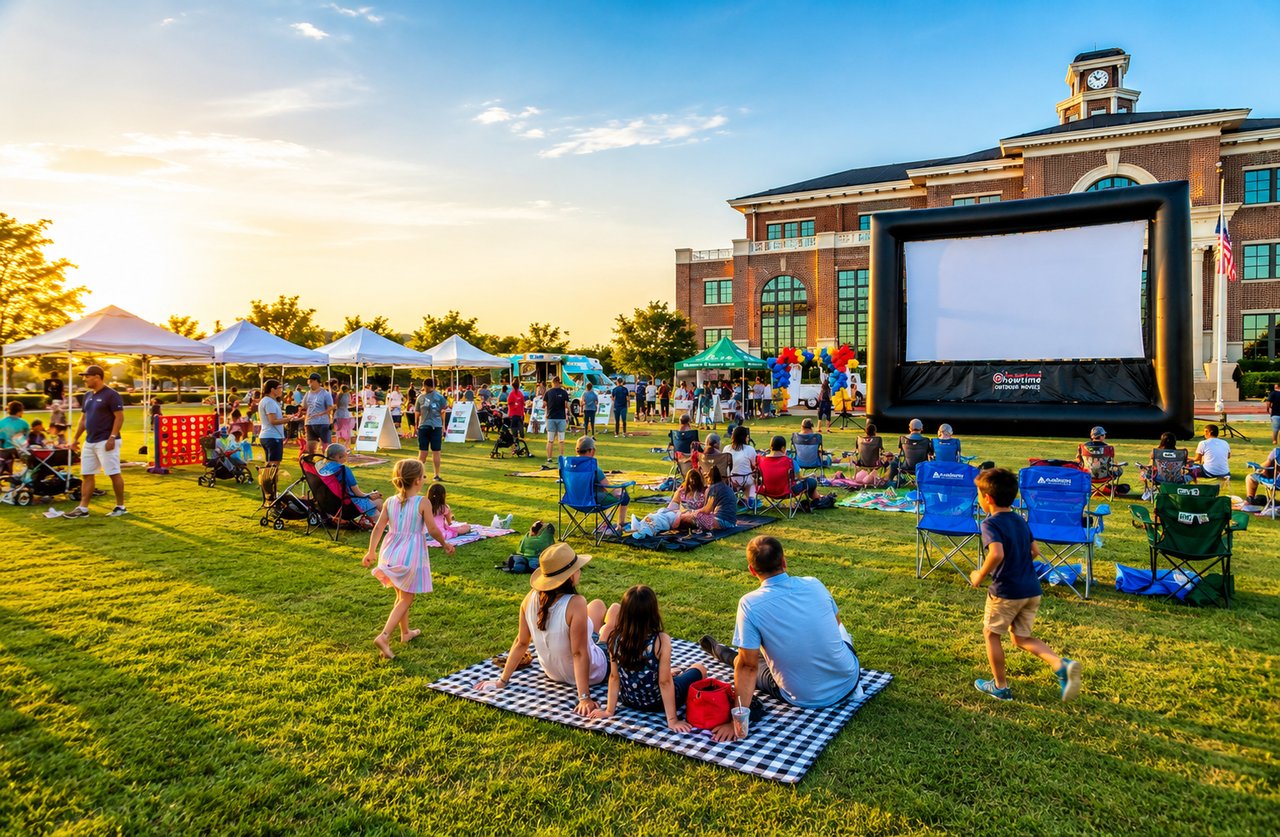
If you enjoy neighborhood events, an active community calendar could be a real benefit.
If you rarely use any of those things, don't let the amenity list make the decision for you.
Remember, you're typically paying for those amenities through your HOA and, in some newer developments, potentially other assessments or special taxing districts.
Buy the lifestyle you'll actually use.
Not the brochure.
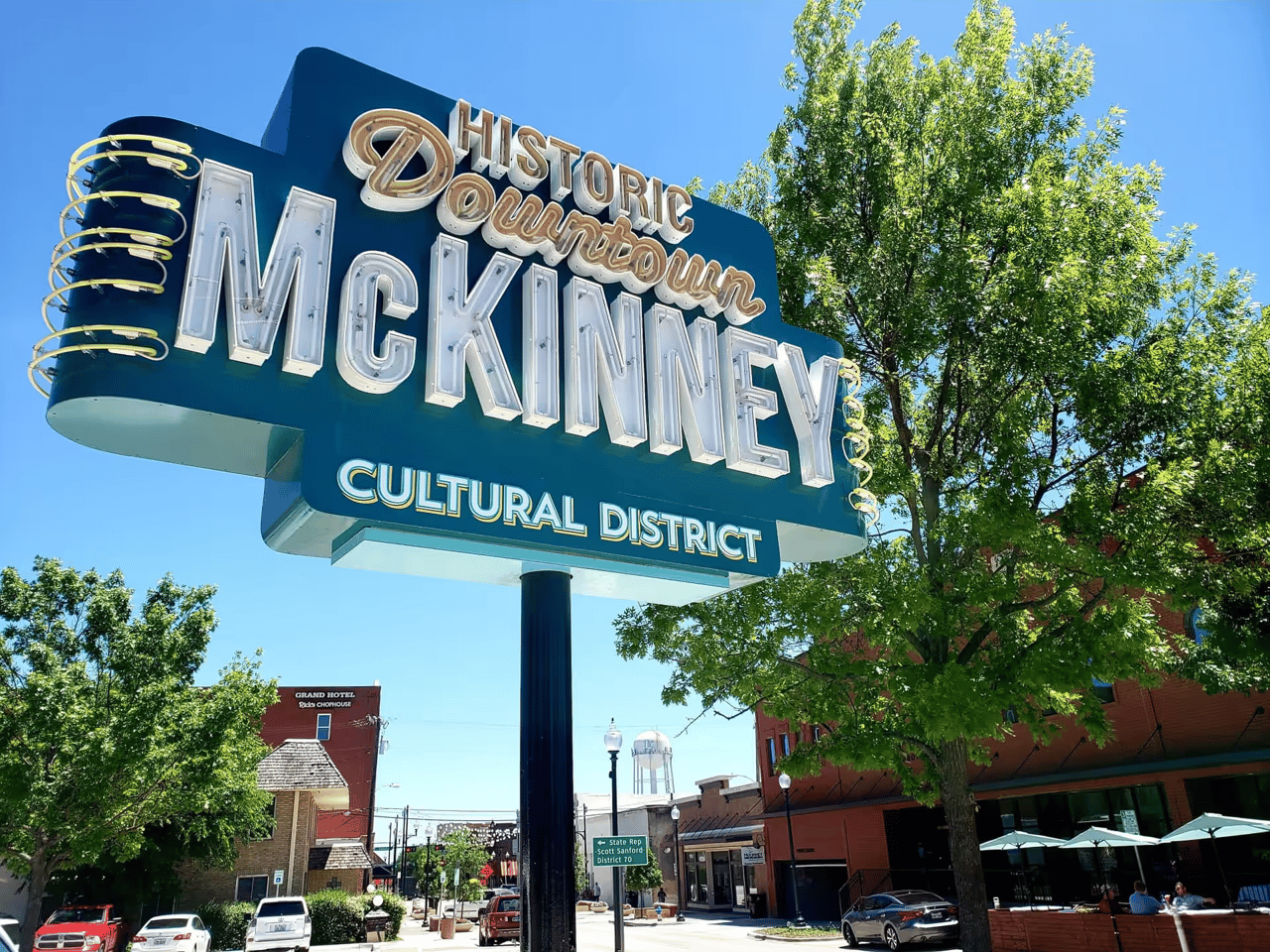
Historic Downtown Is McKinney's Secret Weapon
If there is one thing that distinguishes McKinney from many other North Dallas suburbs, I think it's Downtown McKinney.
And I don't mean a shopping center designed to look old.
It's an actual historic downtown.
The city describes it as one of the oldest thriving historic downtowns in Texas, with more than 120 unique shops and over two dozen restaurants.
You can grab coffee.
Have dinner.
Shop locally.
Listen to live music.
Attend festivals.
Walk around the square.
And experience something that feels genuinely connected to the city's history.
That gives McKinney an identity that is difficult to manufacture.
Local Insight
This is something I would encourage relocation buyers to experience before making a decision.
Don't just drive through Downtown McKinney.
Park the car.
Walk around.
Have lunch.
Go into a couple of shops.
Then drive from downtown to the neighborhoods you're considering.
That tells you far more about living in McKinney than another hour scrolling through listings online.
Lifestyle: McKinney Isn't Just Downtown
Downtown gets a lot of attention, but McKinney's lifestyle extends well beyond the square.
The city has an extensive park and trail system.
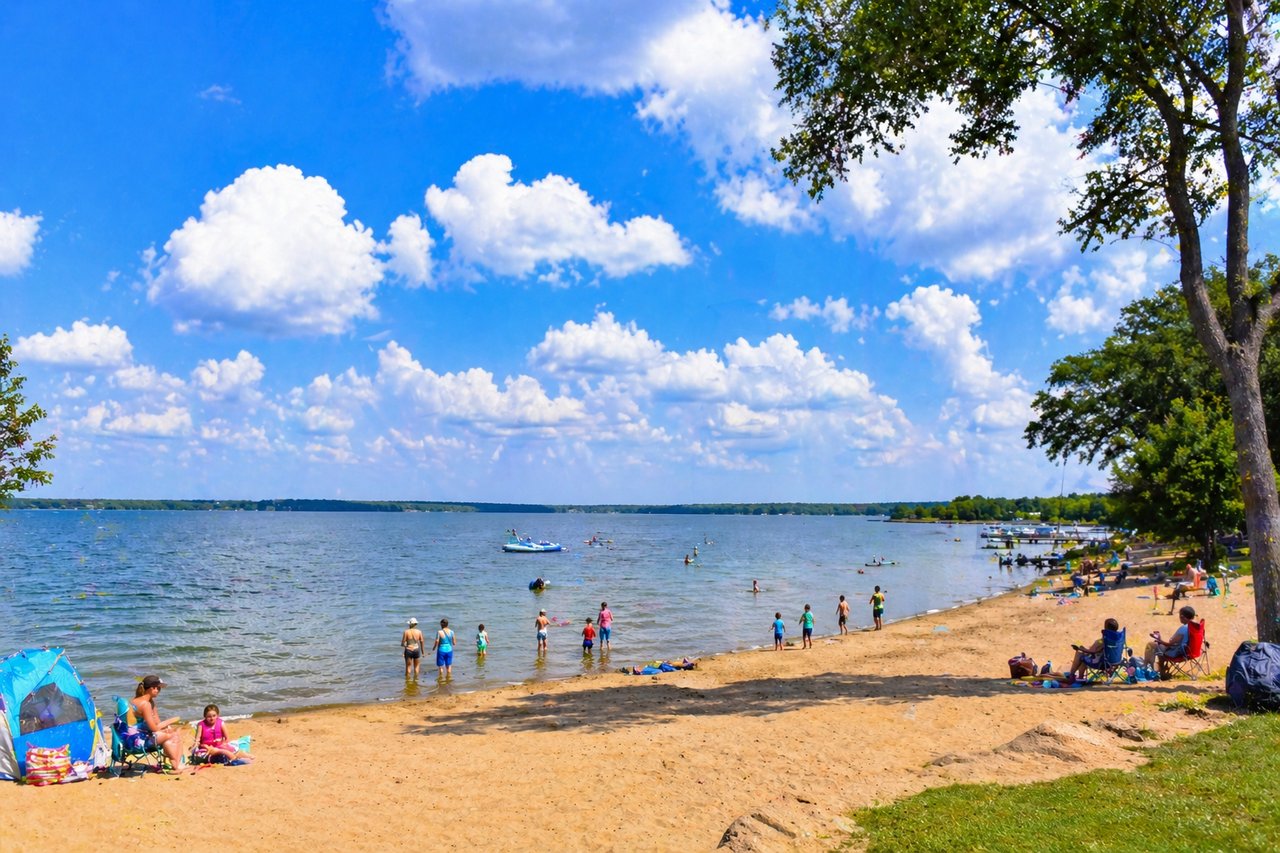
Towne Lake Park covers nearly 230 acres and includes trails, kayaking, fishing, playgrounds, sand volleyball and connections to the Wilson Creek Trail.
Bonnie Wenk Park connects into that trail network and includes outdoor recreation and a dedicated dog park.
Erwin Park has historically been another distinctive outdoor destination with wooded areas, camping and mountain bike trails, although it's currently closed for a major renovation, something worth knowing before relying on older relocation guides that list it as an active amenity.
That's exactly why I like keeping these relocation guides current.
Cities change.
Schools: Verify the House, Not Just the City
This is important.
A McKinney mailing address doesn't necessarily tell you everything you need to know about the school district serving the home.
Depending on the property's location, buyers may encounter different school districts and attendance zones.
So rather than making broad statements about which schools are “best,” I recommend starting with the exact property.
Which district serves it?
Which campuses?
How far away are they?
Are attendance boundaries changing?
Are there particular programs that matter to you?
McKinney ISD itself directs new families to verify their assigned school as part of enrollment.
If schools are an important part of your move, verify the current attendance information directly with the district before making a buying decision.
The Cost of the House Isn't the Whole Cost
This is another area where relocation buyers sometimes get surprised.
Don't compare homes using purchase price alone.
Look at:
Property taxes.
HOA dues.
Homeowners insurance.
Potential MUD or PID assessments.
Maintenance.
Utilities.
Commute costs.
And, with new construction, what is actually included in the price.
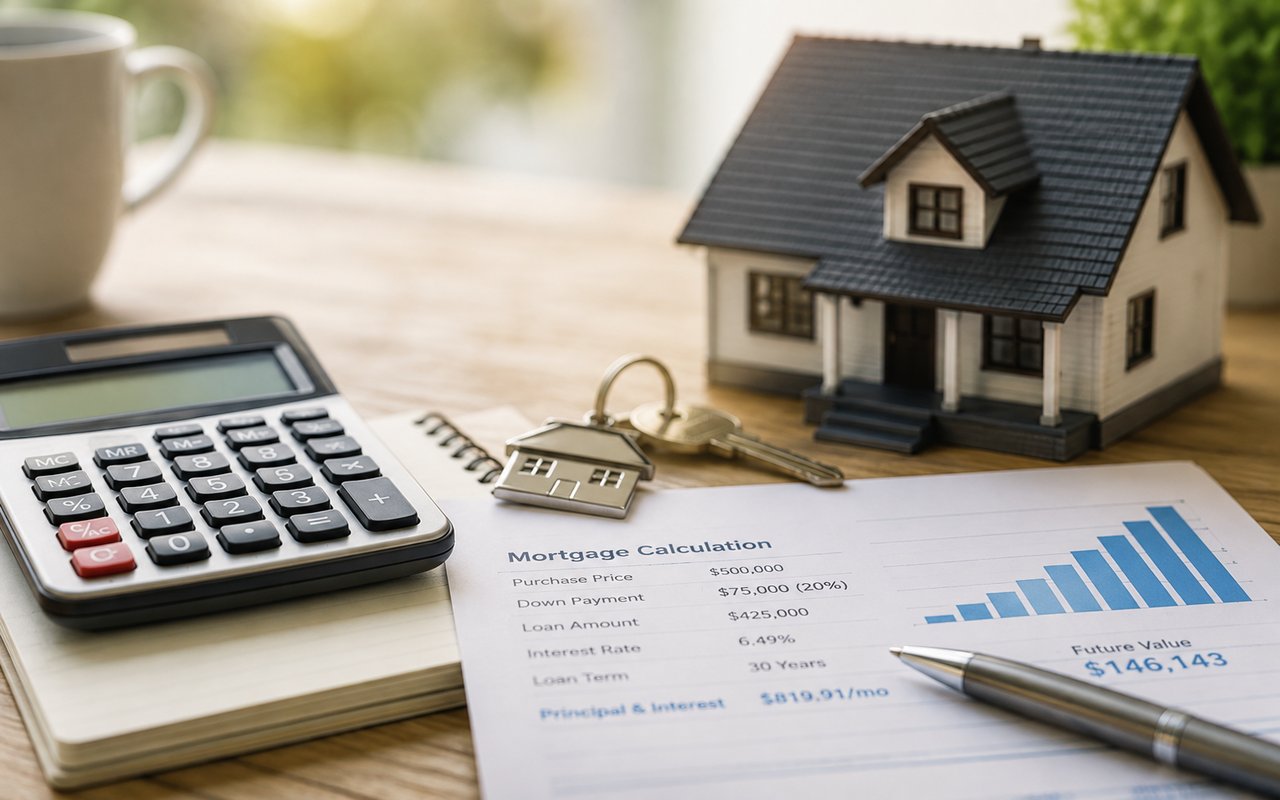
Two $650,000 homes can have meaningfully different monthly carrying costs.
That doesn't automatically make one a bad purchase.
It simply means you need to understand what you're buying.
I would rather have that conversation before we write an offer than after you receive your first tax bill.
McKinney Is Still Growing, and That's a Tradeoff
McKinney's January 2026 population estimate of 237,130 represents growth of more than 21 percent since 2020.
Growth brings things people want.
New restaurants.
Shopping.
Employment.
Housing.
Road improvements.
Amenities.
Investment.
It also brings construction, traffic and change.
That's particularly relevant around US 380 and northern McKinney.
If you're buying in the path of future development, don't only look at what's across the street today.
Ask what could be there five or ten years from now.
Future roads and commercial development can improve convenience.
They can also change traffic, views and the character of an area.
Growth isn't automatically positive or negative.
It needs to be understood.
Something New Is Coming to McKinney in November
One of the most interesting changes happening in McKinney this year is at McKinney National Airport.
The city's new commercial passenger terminal is scheduled to open November 11, 2026, with Avelo Airlines as its launch carrier. The city announced in September that additional nonstop destinations will begin in December.
I wouldn't choose a house solely because there's a new airport nearby.
But for frequent travelers, it's worth watching.
For years, North Dallas residents have largely relied on DFW International and Dallas Love Field for commercial flights.
Having scheduled passenger service originating in McKinney introduces another transportation option, and it is another sign of how much this part of North Texas is changing.
New Construction Versus Resale Deserves Its Own Conversation
If you're moving to McKinney, there's a good chance you'll end up comparing the two.
And I don't think you should decide in advance that one is better.
New construction can offer:
Current floor plans.
Energy efficiency.
Builder warranties.
Design choices.
Community amenities.
Potential builder incentives.
Resale can offer:
Established neighborhoods.
Mature landscaping.
Finished outdoor spaces.
Pools already installed.
Window treatments and other improvements already paid for.
Potentially larger lots.
And certainty about what surrounds the property.
When comparing them, I want to know the total cost to get each home where you want it.
A new house may need $50,000 or more in backyard improvements, window coverings, lighting, appliances or other upgrades.
A resale may need paint and an updated kitchen.
Compare the complete purchase.
Not just the contract price.
Matt's Perspective: Choose the Community Before the House
This is advice I've given before with new construction, and I think it applies particularly well to McKinney.
Choose the community before you choose the house.
It's easy to fall in love with a model home.
That's what model homes are designed to do.
Instead, step outside.
Drive the neighborhood.
Look at the surrounding roads.
Understand future development.
Drive to the grocery store.
Test your commute.
Visit Downtown McKinney.
Look at parks.
Understand the HOA.
Check the taxes.
Then go back and look at the house.
You can change a surprising amount about a home.
Changing its location is considerably more difficult.
The Three L's of McKinney
If I were narrowing down where to live in McKinney, this is how I'd organize the decision.
Location
How does this part of McKinney connect to work, schools, shopping, highways and the other places I regularly go?
What development is planned nearby?
Livability
Does the house actually work for my everyday life?
Do I need an office?
One story?
Guest space?
A larger backyard?
Low maintenance?
New construction?
An established home?
Lifestyle
What do I want to do when I'm not inside the house?
Walk to restaurants?
Use trails?
Spend time outdoors?
Participate in community events?
Have neighborhood amenities?
Live near Downtown?
Have more privacy?
Those three answers will usually narrow the search much faster than simply sorting listings by price.
What I'd Do If I Were Moving to McKinney
I'd give myself a full day before seriously looking at houses.
I'd start around Historic Downtown McKinney.
I'd walk the square and get a feel for it.
Then I'd drive through several established neighborhoods.
After that, I'd tour one or two of the major new-home communities, probably Painted Tree and Trinity Falls, just to understand how different the choices can be.
I'd drive US 380.
I'd drive Highway 75.
I'd test the route to wherever I expect to work.
I'd look at where I grocery shop, where I'd have dinner on Friday night and where I'd walk the dog on Saturday morning.
Only then would I start seriously comparing houses.
Because after spending that day in McKinney, you may discover that the house you thought you wanted isn't actually the lifestyle you want.
And that's useful information.
Is McKinney Right for You?
It could be.
McKinney offers something that's becoming harder to find in rapidly growing North Dallas.
Variety.
Historic character and new development.
Established neighborhoods and brand-new communities.
Parks and trails.
Highway access.
A genuine downtown.
Housing across a broad range of styles and ages.
And a city that is still changing significantly.
The tradeoff is that you need to understand those changes.
Traffic matters.
Future development matters.
The exact neighborhood matters.
The exact school zoning matters.
And your definition of a good location may be completely different from someone else's.
That's why I wouldn't tell someone relocating here simply:
“You should live in McKinney.”
I'd want to know more.
Where are you going every day?
How do you want your home to live?
What do you want around you?
What are you willing to compromise on?
Once we answer those questions, we can come back to the Three L's:
Location. Livability. Lifestyle.
Then we can figure out which version of McKinney actually feels like home.