
I occasionally have a conversation with a seller that goes something like this:
“But our house is nicer than that one.”
And they may be absolutely right.
Their kitchen may be better.
The backyard may be better.
They may have spent $40,000 updating the house.
The problem is that buyers don't evaluate homes the same way homeowners do.
A seller remembers replacing the HVAC system, installing new flooring, remodeling the primary bathroom and spending three weekends getting the landscaping exactly right.
A buyer opens their phone and sees 14 houses.
Then they start comparing.
Price.
Pictures.
Location.
Floor plan.
Condition.
Backyard.
Schools.
Updates.
Monthly payment.
And if none of those 14 houses feel compelling enough, they may simply wait for number 15.
That's the reality of selling a home in Frisco in 2026.
Homes are absolutely still selling.
But buyers have become more selective.
And that means simply putting a nice house on the market and waiting for someone to appreciate it isn't much of a strategy anymore.
The Frisco Market Has Changed
You don't have to go very far back to remember a completely different housing market.
Homes hit the market.
Buyers rushed through them.
Multiple offers arrived.
Sellers had enormous leverage.
Today's Frisco market requires more precision.
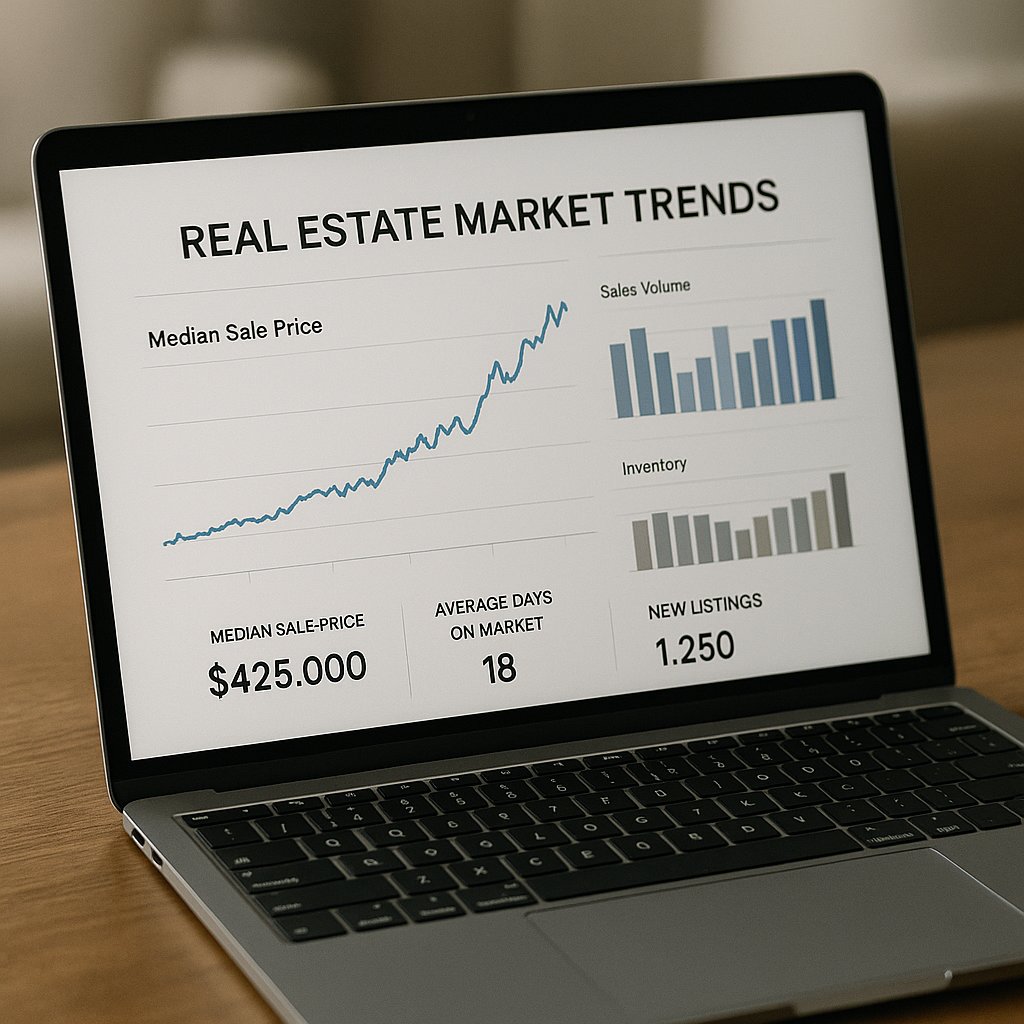
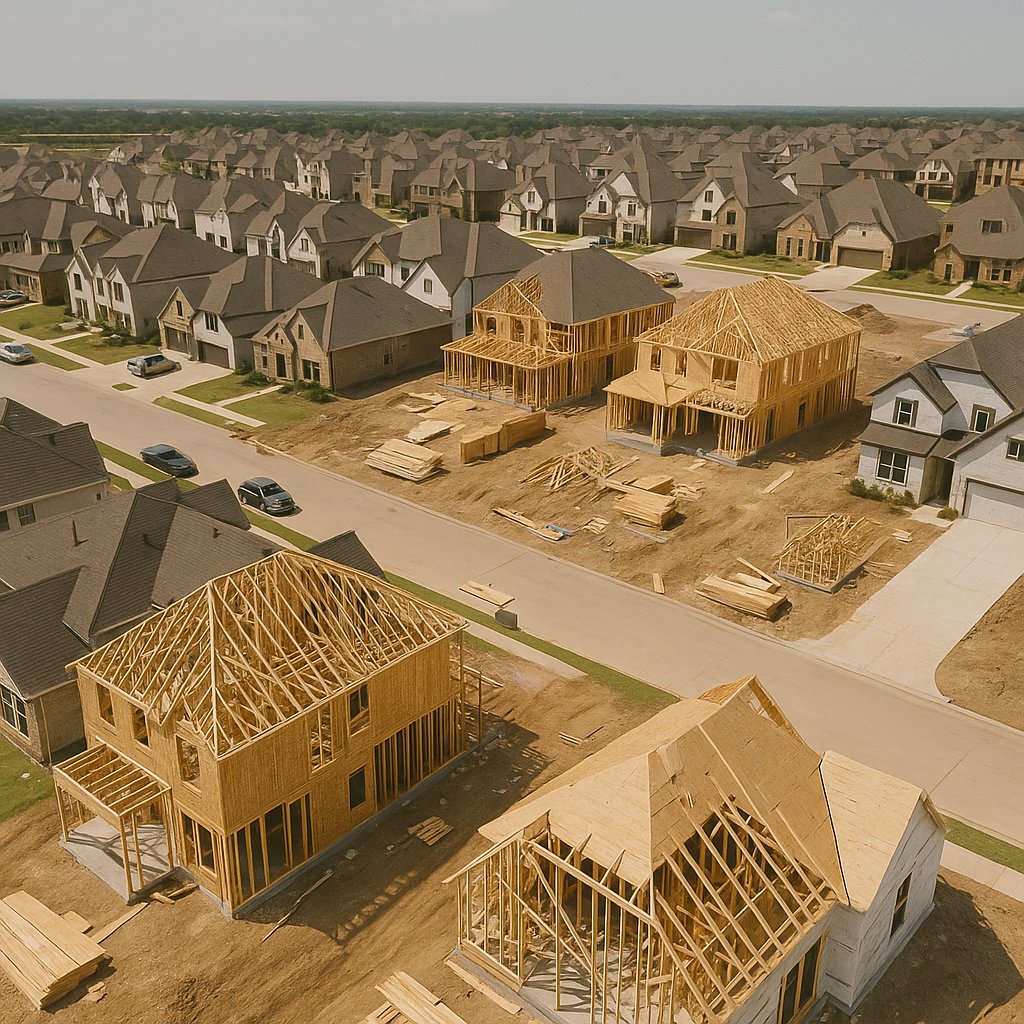
Recent market data illustrates the shift. Frisco entered September with more than 1,100 homes on the market. Homes are taking longer to sell than they did during the most competitive periods of the last several years, and a substantial percentage of listings are reducing their price.
That doesn't mean Frisco suddenly became a bad market.
Far from it.
It means buyers have choices again.
That's the distinction sellers need to understand.
A buyer who has six reasonable options behaves differently from a buyer who has one.
And a buyer who believes another good house will come on the market next week feels very little pressure to compromise today.
Your First Showing Happens on a Phone
This may be the single biggest change in how sellers need to think about marketing.
Your first showing probably isn't happening when someone walks through your front door.
It's happening at 9:30 at night while they're sitting on the couch.
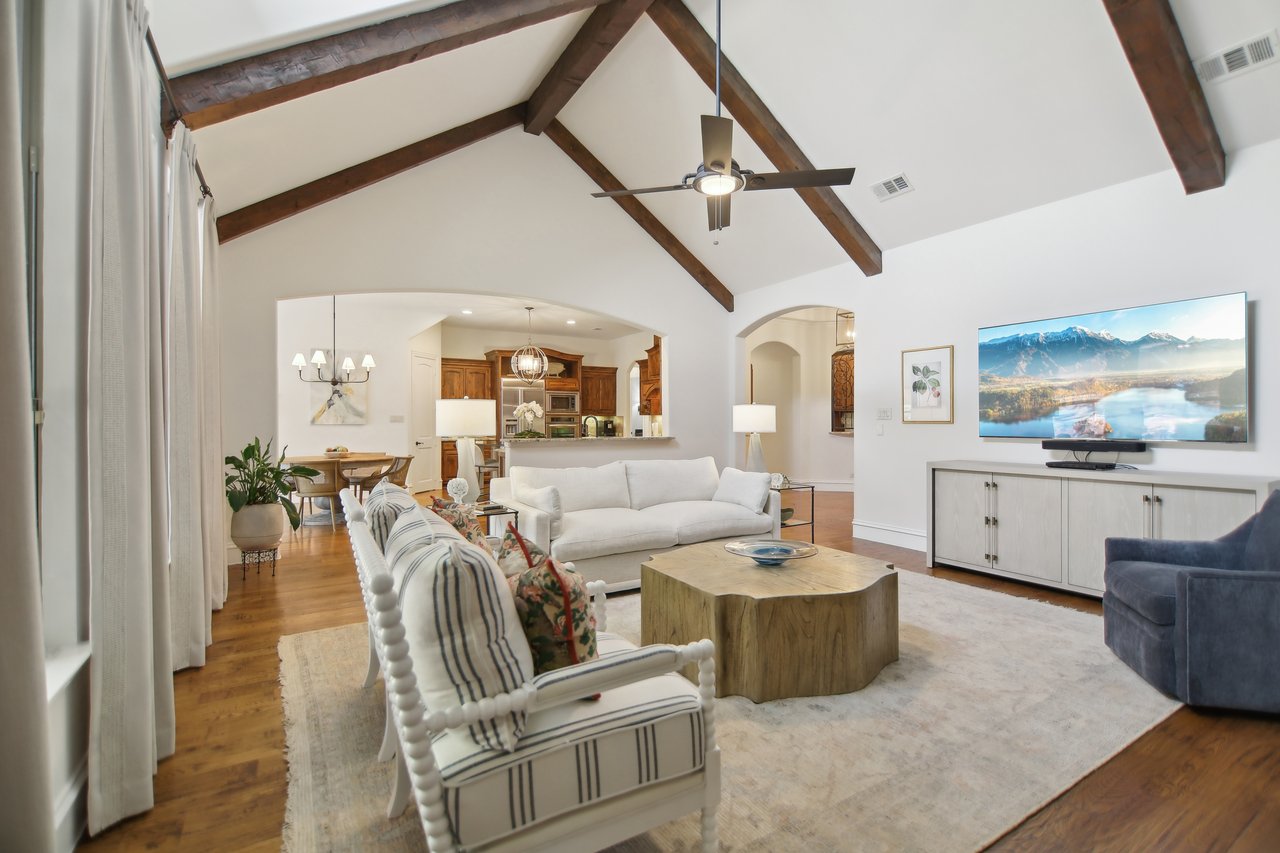
They swipe through the photos.
Kitchen.
Primary bedroom.
Backyard.
Next house.
Next house.
Next house.
Within seconds, they've made a decision.
Save it or skip it.
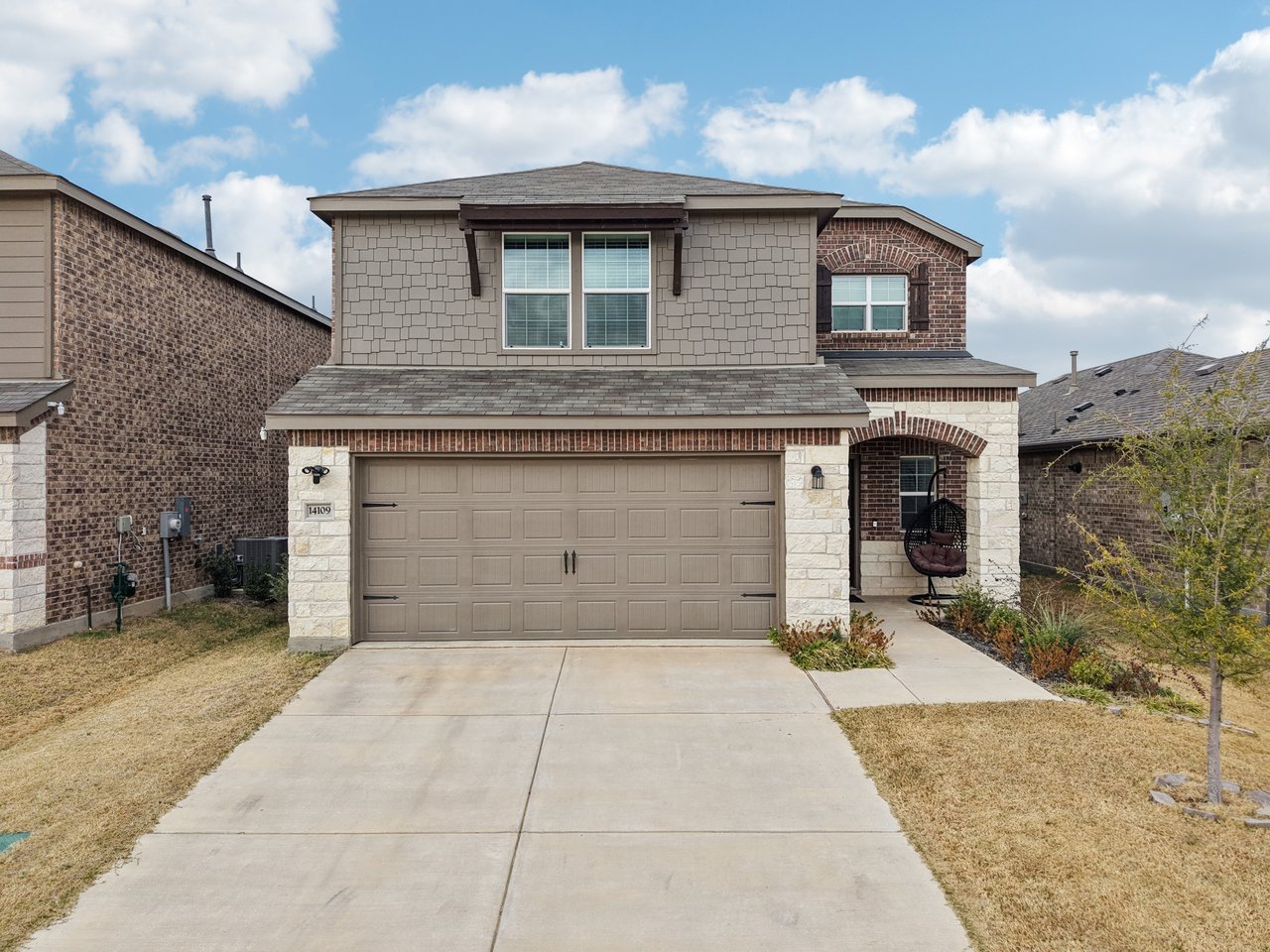
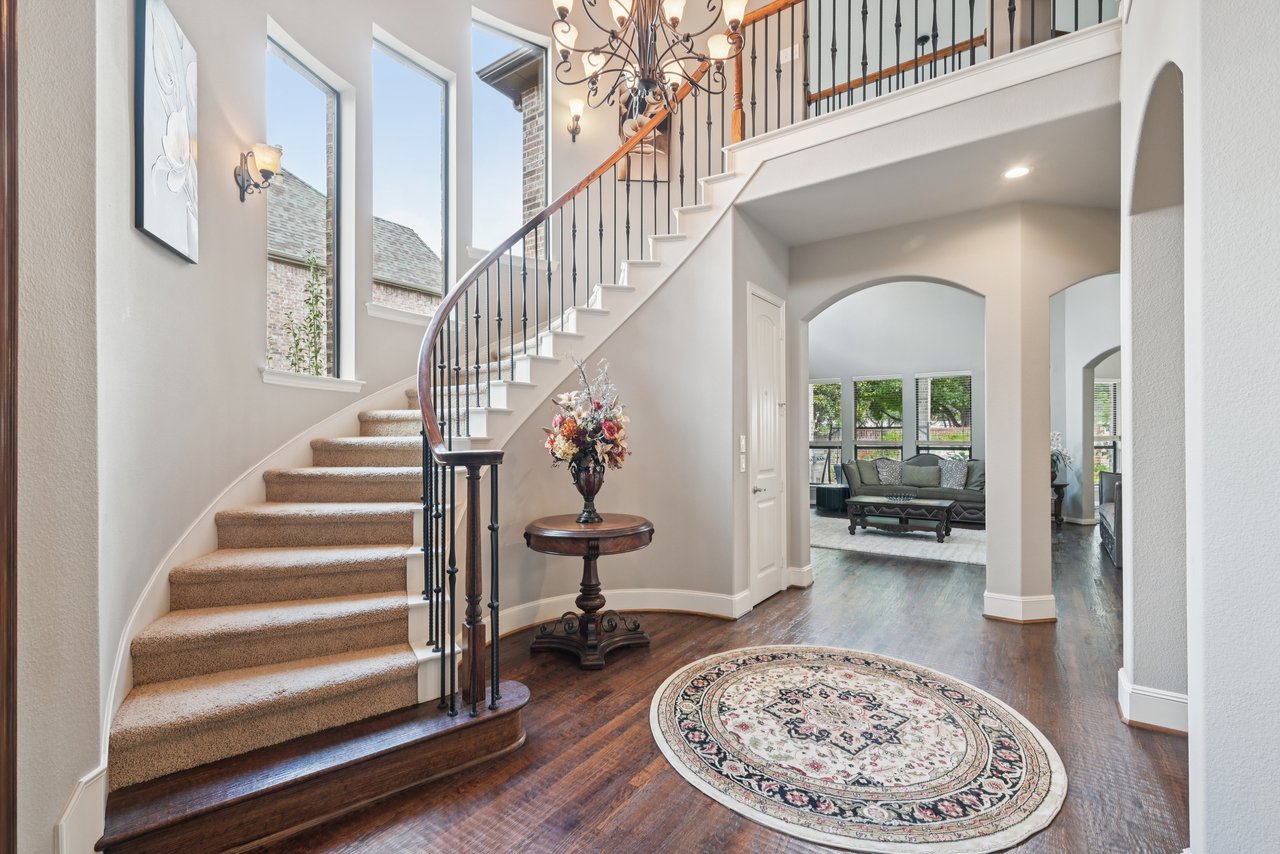
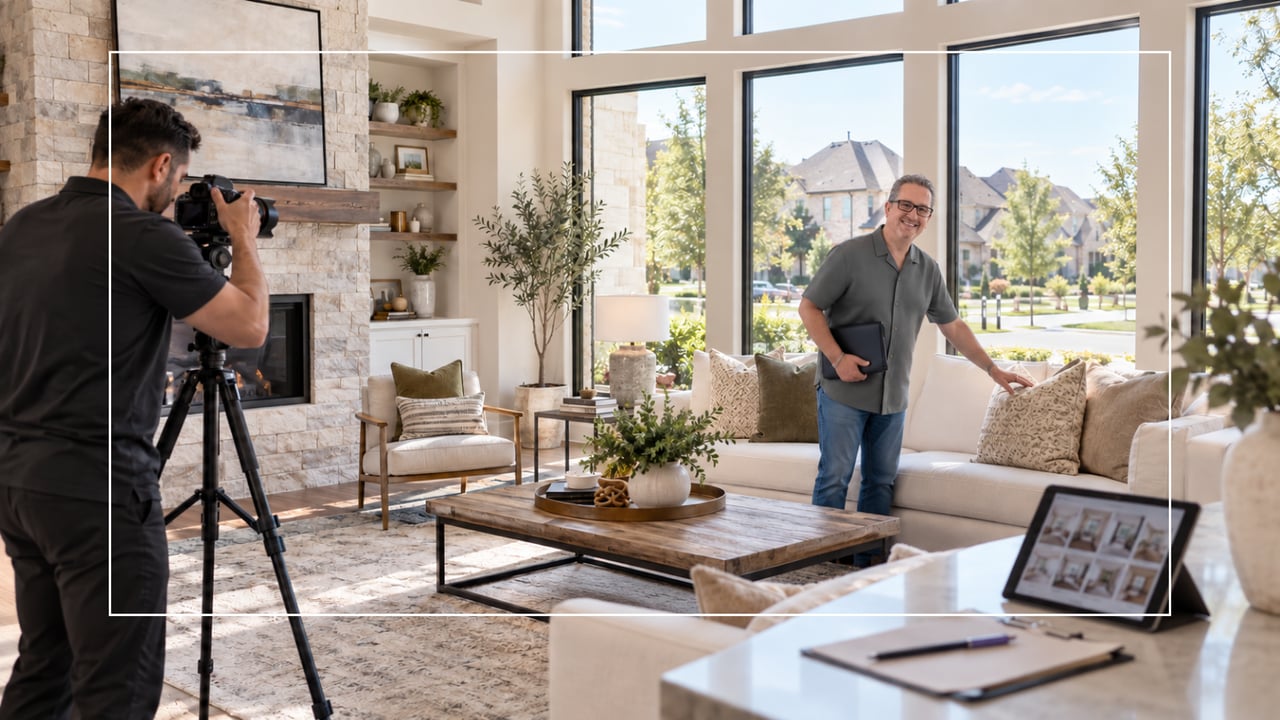
That means photography isn't simply a marketing accessory.
It's part of the showing.
The same goes for how the home is prepared before those photographs are taken.
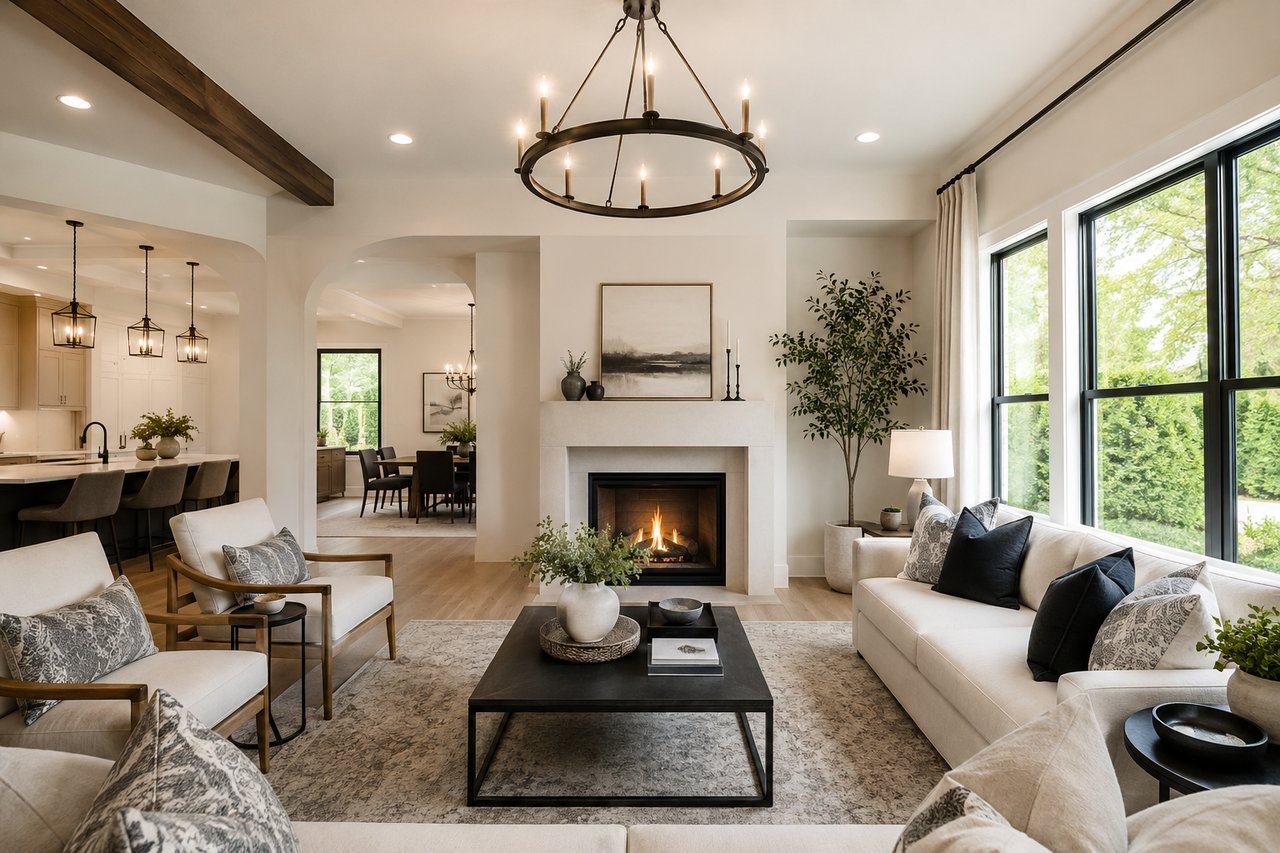
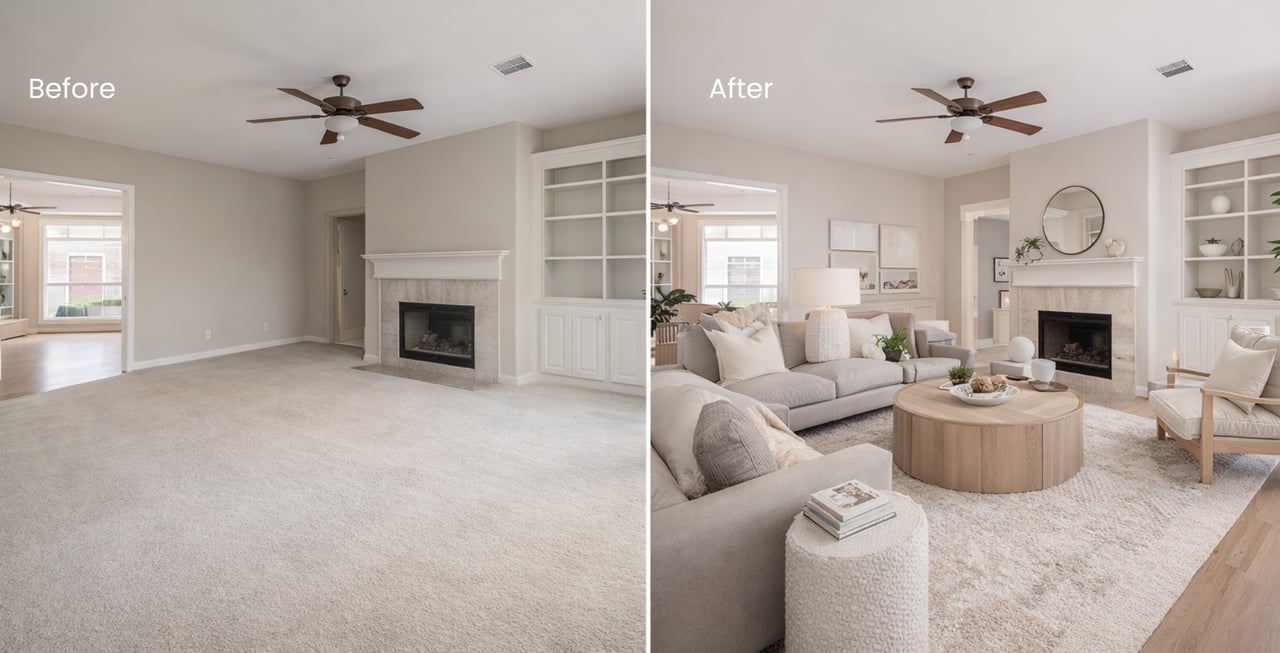
Too much furniture makes rooms look smaller.
Dark rooms photograph poorly.
Countertops covered with appliances create visual clutter.
A beautiful backyard can disappear behind bad photography.
And sometimes sellers unknowingly spend thousands improving a home, then save a few hundred dollars on the part that introduces it to the buyer.
I've never understood that.
If we're going to sell the house, let's make the first impression count.
Price Doesn't Just Determine What You Get
It determines who sees you.
This is where pricing strategy becomes much more important in a selective market.
Sellers sometimes think:
"We'll start a little high. We can always come down."
Technically, that's true.
But the market doesn't necessarily give you a reset button.
The first week is usually when your listing receives the most attention.
Buyers who have been waiting for something new see it.
Agents see it.
Automatic searches send it out.
If the market looks at the home and concludes that the price doesn't make sense, that initial attention disappears.
Then you reduce.
Now buyers see:
Price Reduced.
Those are very different introductions.
I'd rather enter the market positioned correctly than spend the next six weeks chasing it.
Matt's Perspective
I don't believe the goal should be to price a house low.
The goal should be to price it correctly.
There's a big difference.
My job isn't to convince you your home is worth less.
My job is to understand where buyers will perceive the value.
Sometimes that means pushing the market.
Sometimes it means being aggressive enough to generate immediate attention.
But the number should come from the competition and current buyer behavior, not from what the neighbor sold for two years ago or what we hope someone will pay.
Buyers Don't Care What You Paid for the Upgrade
This can be a difficult conversation.
You may have spent $80,000 on improvements.
That doesn't automatically add $80,000 to the sale price.
Some improvements absolutely increase value.
Others increase marketability.
Those aren't always the same thing.
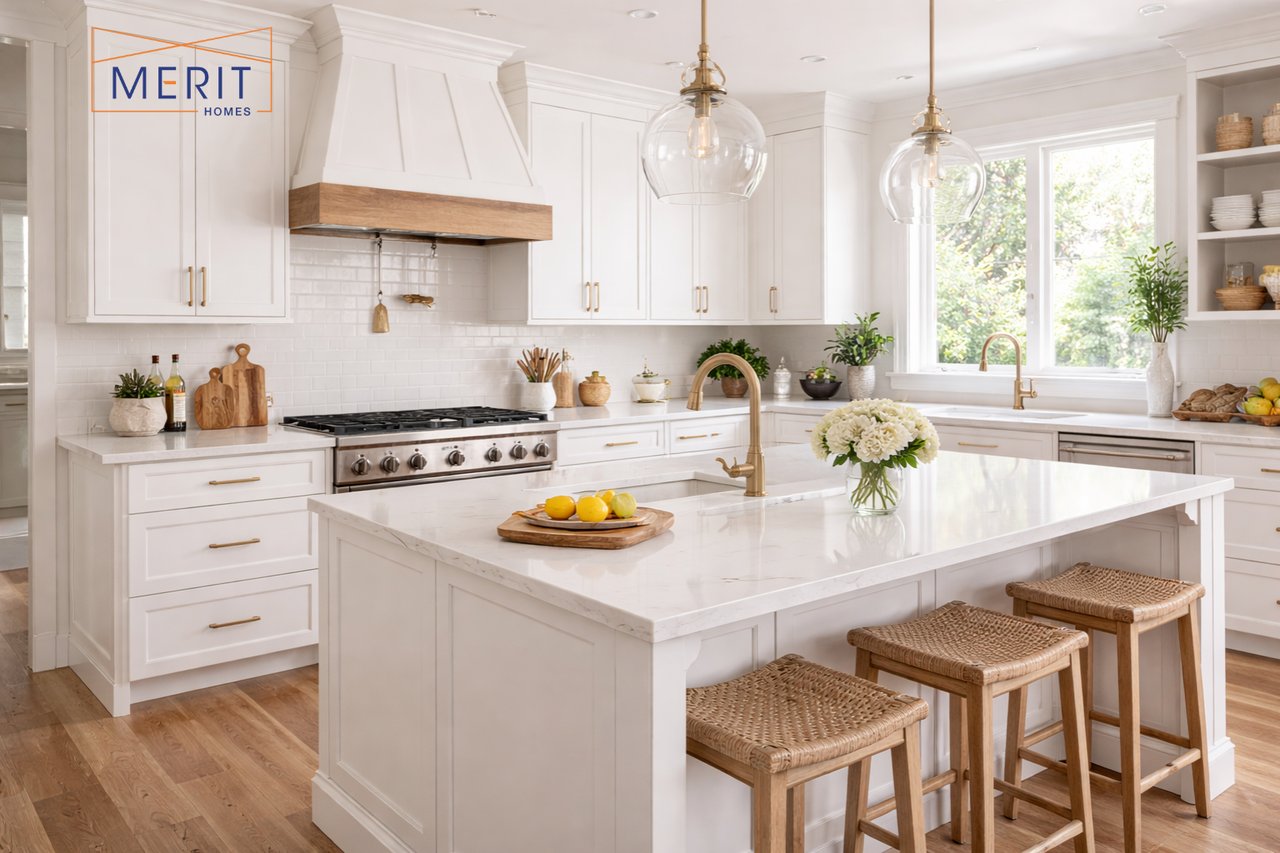
A beautifully updated kitchen may cause a buyer to choose your home over another one.
A new roof may eliminate an objection.
A pool may be enormously valuable to one buyer and nearly irrelevant to another.
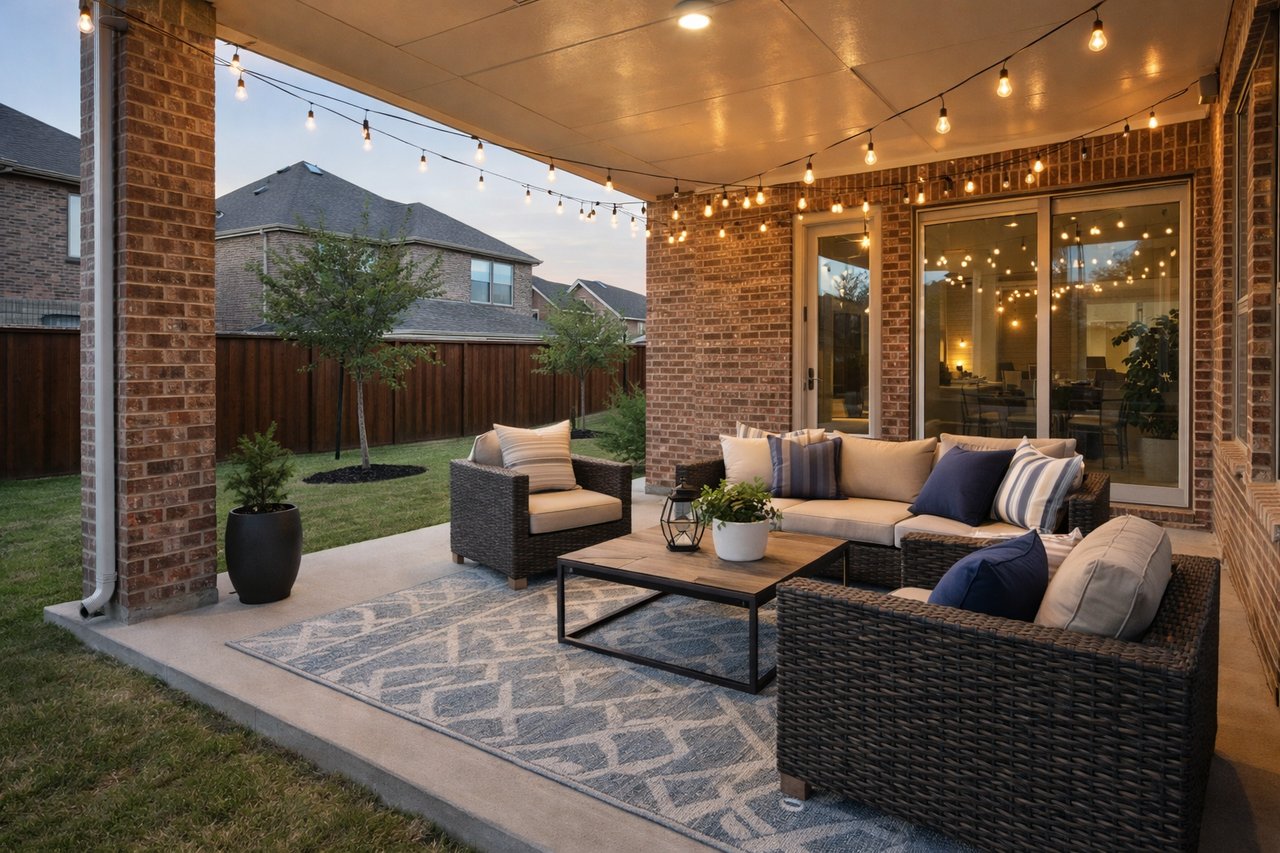
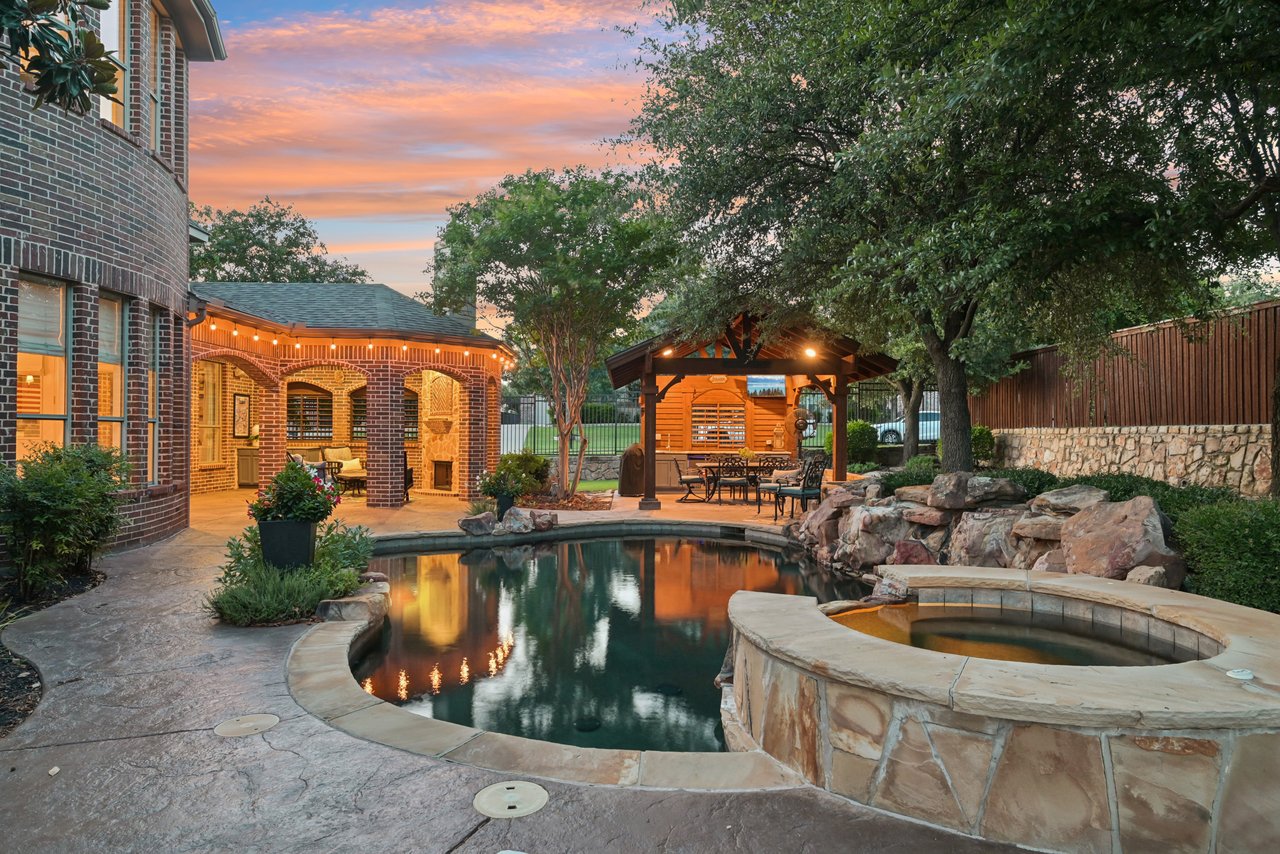
A sophisticated outdoor living area may separate your home from everything else in the neighborhood.
But buyers ultimately decide what those features are worth.
That's why I don't want sellers thinking only in terms of:
“How much did we spend?”
I'd rather ask:
“How much more desirable does this make the house?”
That's a much better question.
Your Competition Isn't Just Your Neighborhood
This is particularly important in Frisco.
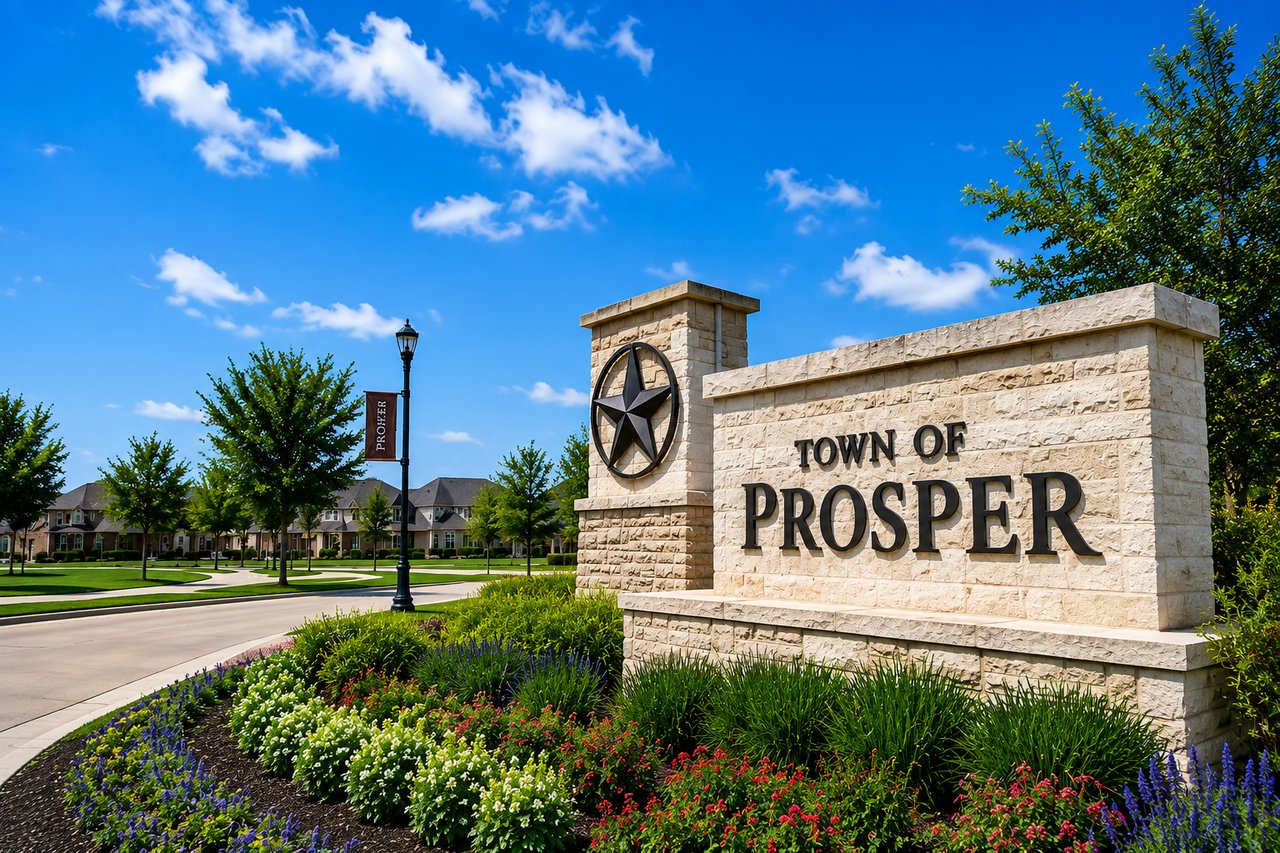
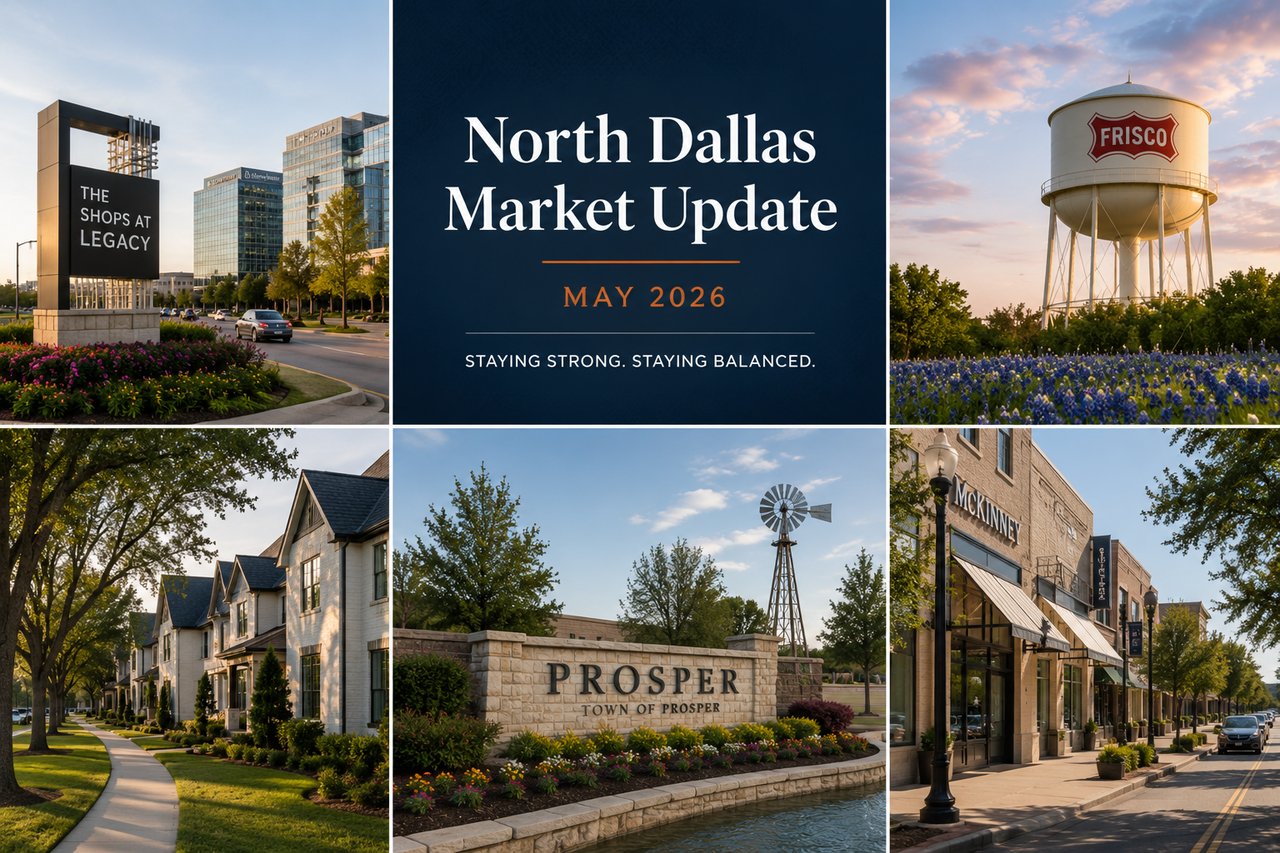
If you're selling a $700,000 home, the buyer considering your property may also be looking in Prosper.
Or McKinney.
Or Plano.
Maybe even Celina.
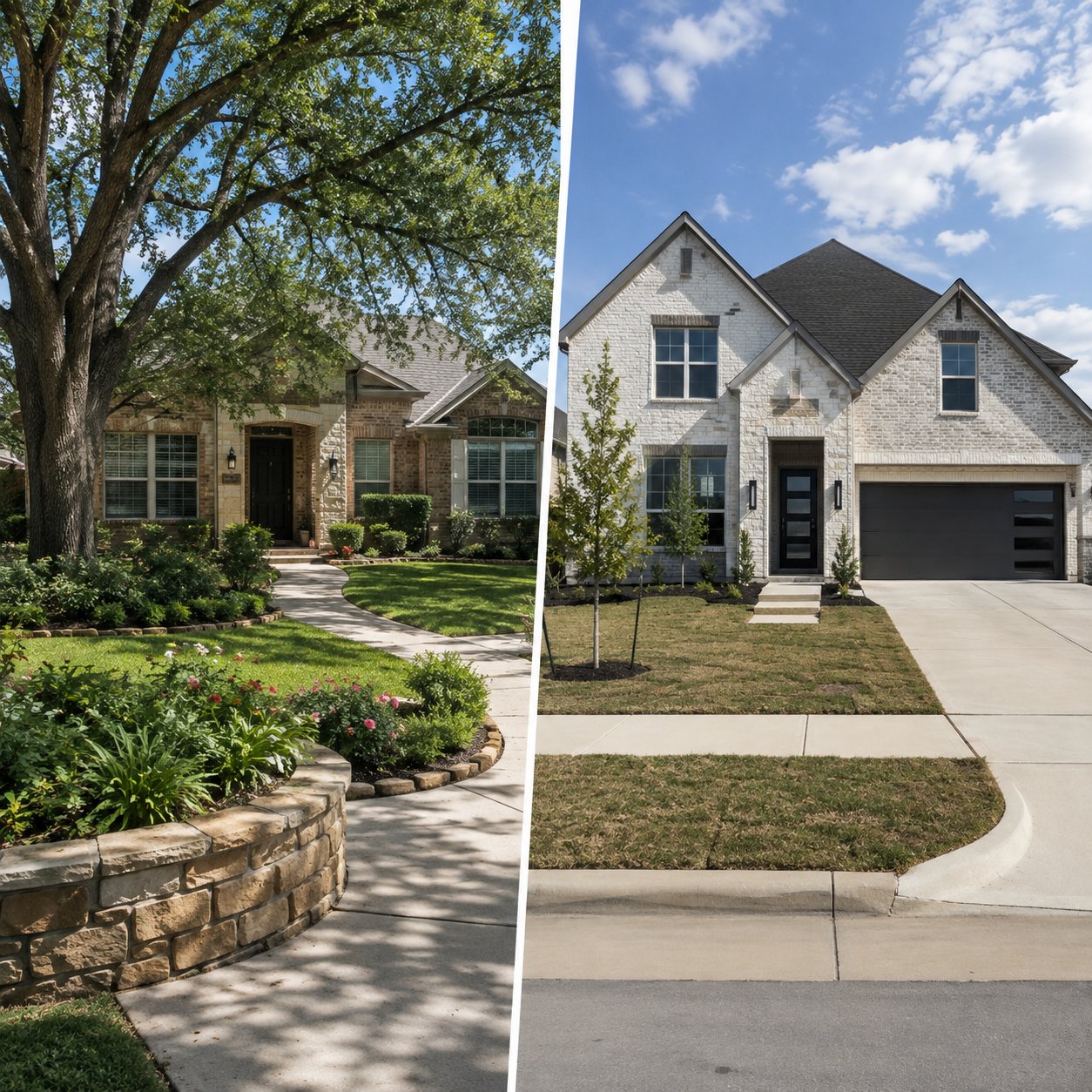
They may compare your established Frisco home against something newer farther north.
The Celina house might be larger.
The Prosper house might have a newer floor plan.
The McKinney house may have a bigger backyard.
So why would they buy yours?
Maybe because your location saves them 20 minutes on their commute.
Maybe because your neighborhood is already established.
Maybe because restaurants, shopping and entertainment are closer.
Maybe because your lot is better.
Maybe because you've already added the pool.
That's what your marketing needs to communicate.
We're not simply selling four bedrooms and 3,400 square feet.
We're selling the reasons someone should choose this four-bedroom, 3,400-square-foot home instead of the other twelve.
Condition Matters More When Buyers Have Options
There's an interesting thing that happens when inventory increases.
Small problems start feeling bigger.
One stained section of carpet.
Scuffed walls.
Dead landscaping.
An outdated light fixture.
A loose cabinet door.
None of those things necessarily matter much by themselves.
But they create a feeling.
Buyers begin wondering:
"What else hasn't been taken care of?"
Now compare that with walking into a house that feels clean, bright and well maintained.
The buyer relaxes.
That's why preparation isn't about making the house perfect.
It's about removing distractions.
I want the buyer thinking about where the sofa will go.
Not whether they need to repaint the dining room.
Don't Renovate the Whole House Before Selling It
The opposite mistake happens too.
Sellers hear that condition matters and suddenly want to remodel everything.
Usually, I don't recommend that.
Before spending $40,000 preparing a house for sale, let's figure out whether the market will actually reward the investment.
Sometimes paint is enough.
Sometimes lighting changes the entire feel.
Sometimes removing furniture is more valuable than replacing flooring.
Sometimes the house genuinely needs work.
And sometimes the right strategy is simply to price it accordingly.
Preparation should be strategic, not emotional.
The Three L's Still Determine Value
This is where I come back to my Three L's.
Location
Where is the home within Frisco?
How close is it to the Tollway?
Schools?
Employment?
Shopping?
Parks?
PGA Frisco?
The Star?
A buyer can't change location after closing.
Livability
How does the home function?
Does the floor plan work?
Is there an office?
Primary bedroom downstairs?
Useful storage?
Game room?
Outdoor living?
These things increasingly influence how buyers compare homes.
Lifestyle
What does owning this house allow someone to do?
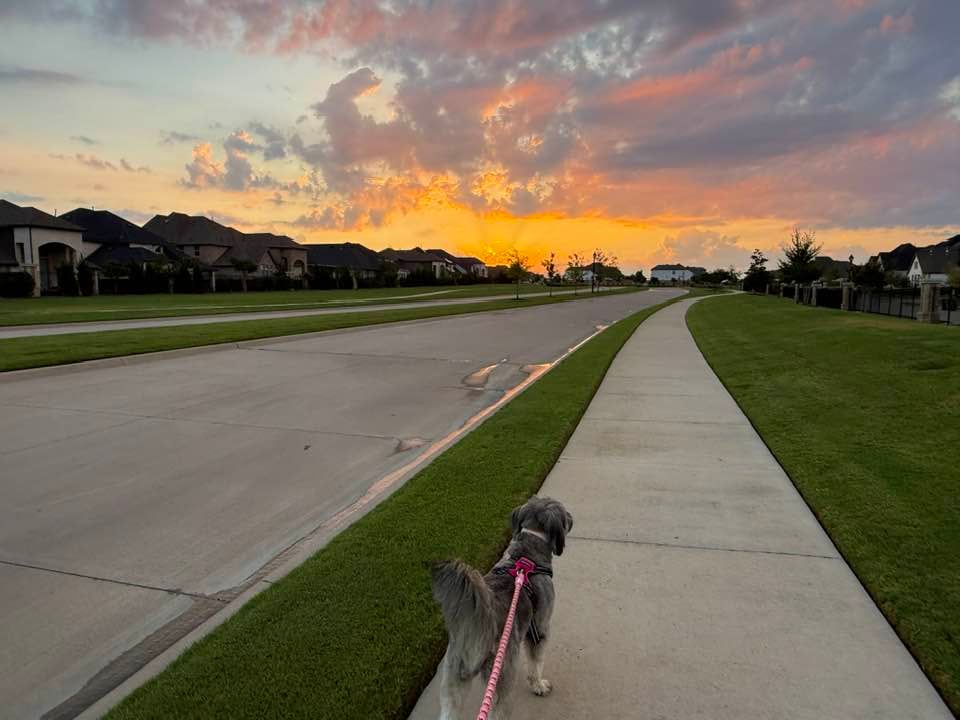
Walk the neighborhood?
Use community amenities?
Spend evenings outside?
Get to restaurants quickly?
Have friends over around the pool?
The strongest listings communicate all three.
Marketing Should Answer the Buyer's Unspoken Question
Every buyer is essentially asking:
“Why should I buy this one?”
Our marketing should answer that before they have to ask.
Maybe it's the backyard.
Then let's show the backyard properly.
Maybe it's the location.
Then let's explain what the location means.
Maybe it's the floor plan.
Let's make sure buyers understand it.
Maybe the house has one of the better lots in the neighborhood.
Say so.
Maybe it's ten minutes from something buyers care about.
Tell them.
A listing description shouldn't just inventory features.
Four bedrooms.
Three bathrooms.
Three-car garage.
Granite countertops.
Buyers can read that information in the MLS.
Marketing should explain why those features matter.
Sellers Need to Pay Attention After Going Live
Listing the house isn't the end of the strategy.
It's the beginning of the feedback.
How many people viewed it online?
How many saved it?
How many showings are we getting?
What are agents saying?
Are buyers coming back for second showings?
Are we getting interest but no offers?
Or no interest at all?
Those scenarios mean different things.
If buyers aren't clicking, we may have a presentation or pricing problem.
If they're clicking but not visiting, something isn't translating.
If they're touring but not offering, they're seeing something in person that isn't working.
The market gives us information.
The mistake is ignoring it.
What I'd Do If This Were My Own Frisco Home
I'd start preparing before the photographer was scheduled.
I'd walk through the house as though I'd never seen it before.
I'd remove things.
I'd touch up paint.
I'd fix the little maintenance items I've learned to ignore.
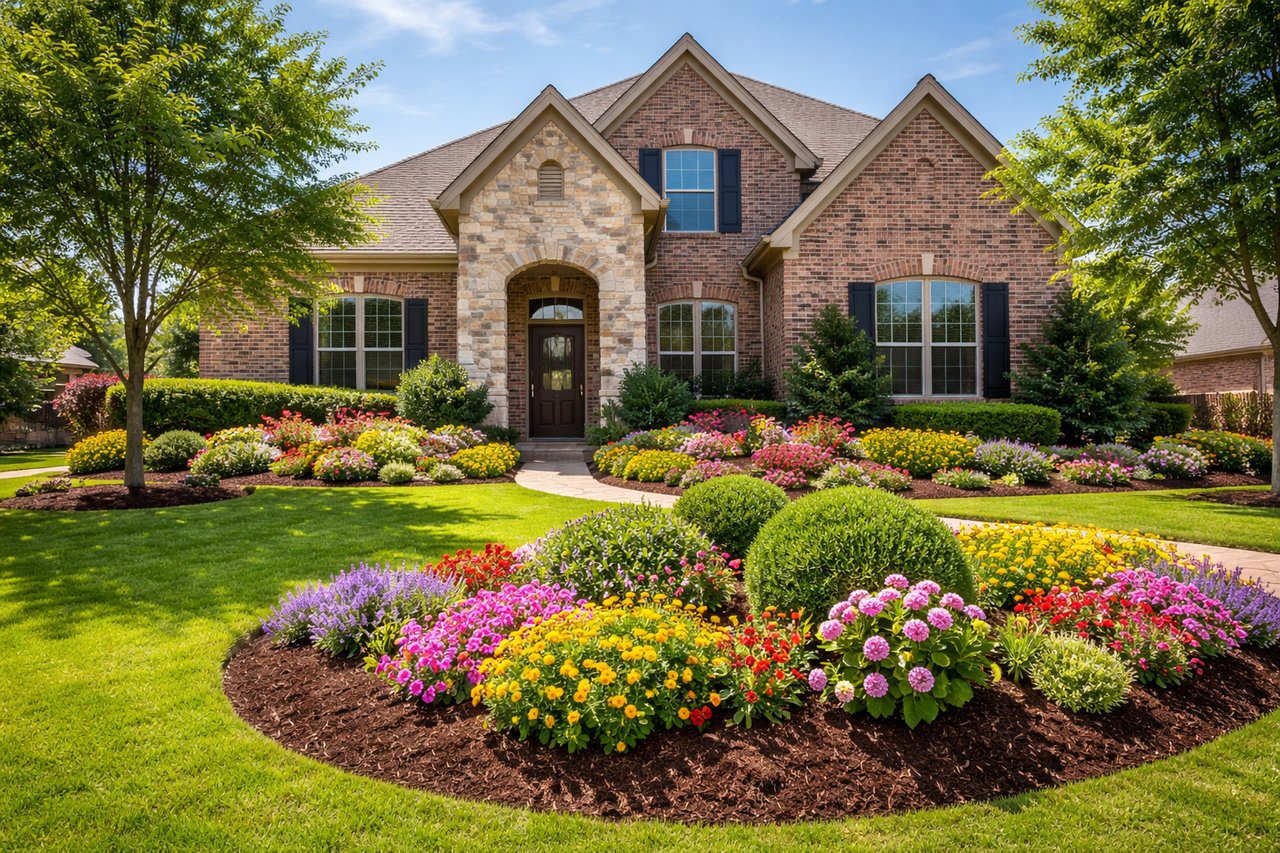
I'd look carefully at curb appeal.
Then I'd study every competing home a buyer might reasonably consider.
Not just the houses that sold.
The ones for sale right now.
I'd look at their photos.
Their condition.
Their lot.
Their updates.
Their price.
Then I'd ask:
Where does my house win?
That's what I'd build the strategy around.
I'd launch with strong photography and a price I could defend.
And then I'd watch the market closely.
If buyers were responding, great.
If they weren't, I wouldn't spend six weeks explaining why they're wrong.
I'd adjust.
Because buyers ultimately determine market value.
A Selective Market Isn't Necessarily a Bad Market
This is worth emphasizing.
Sellers hear words like "inventory," "price reductions" and "longer days on market" and assume the market is terrible.
It isn't.
Frisco remains one of North Texas's most recognizable residential markets.
People continue moving here.
Homes continue selling.
The difference is that buyers have regained something they didn't have during the frenzy:
choice.
And choice rewards sellers who prepare well.
Price well.
Market well.
And respond to what the market is telling them.
That's not bad news.
It's simply a market that requires more strategy.
Thinking About Selling Your Frisco Home?
Before you decide what your home is worth, let's look at what your buyer will be comparing it against.
We'll look at recent sales, current competition, condition, improvements, location, new construction and the other North Dallas choices buyers are considering.
Then we'll build the strategy around the things your home does best.
Because in today's Frisco market, being a nice home isn't enough.
The buyer needs a reason to choose yours.