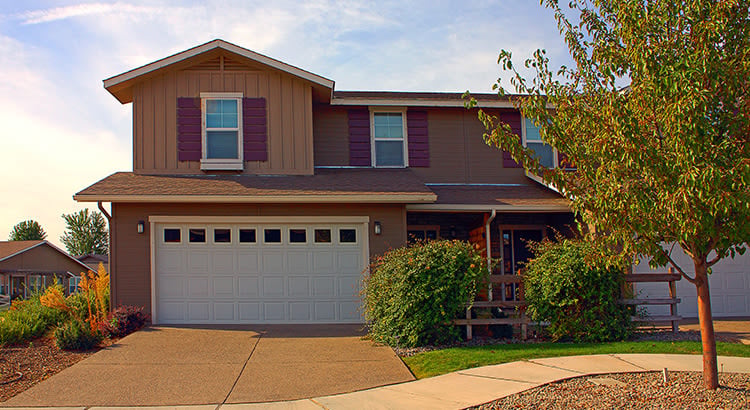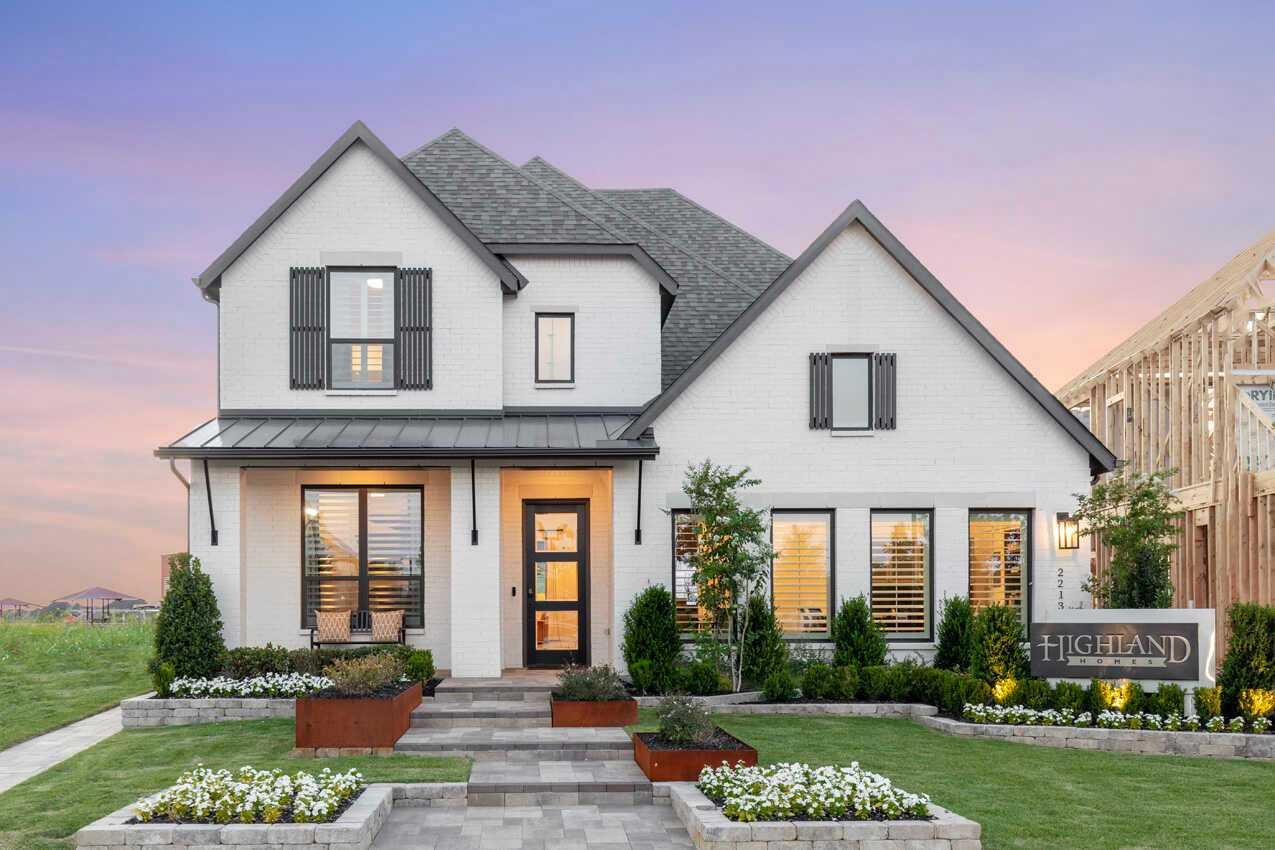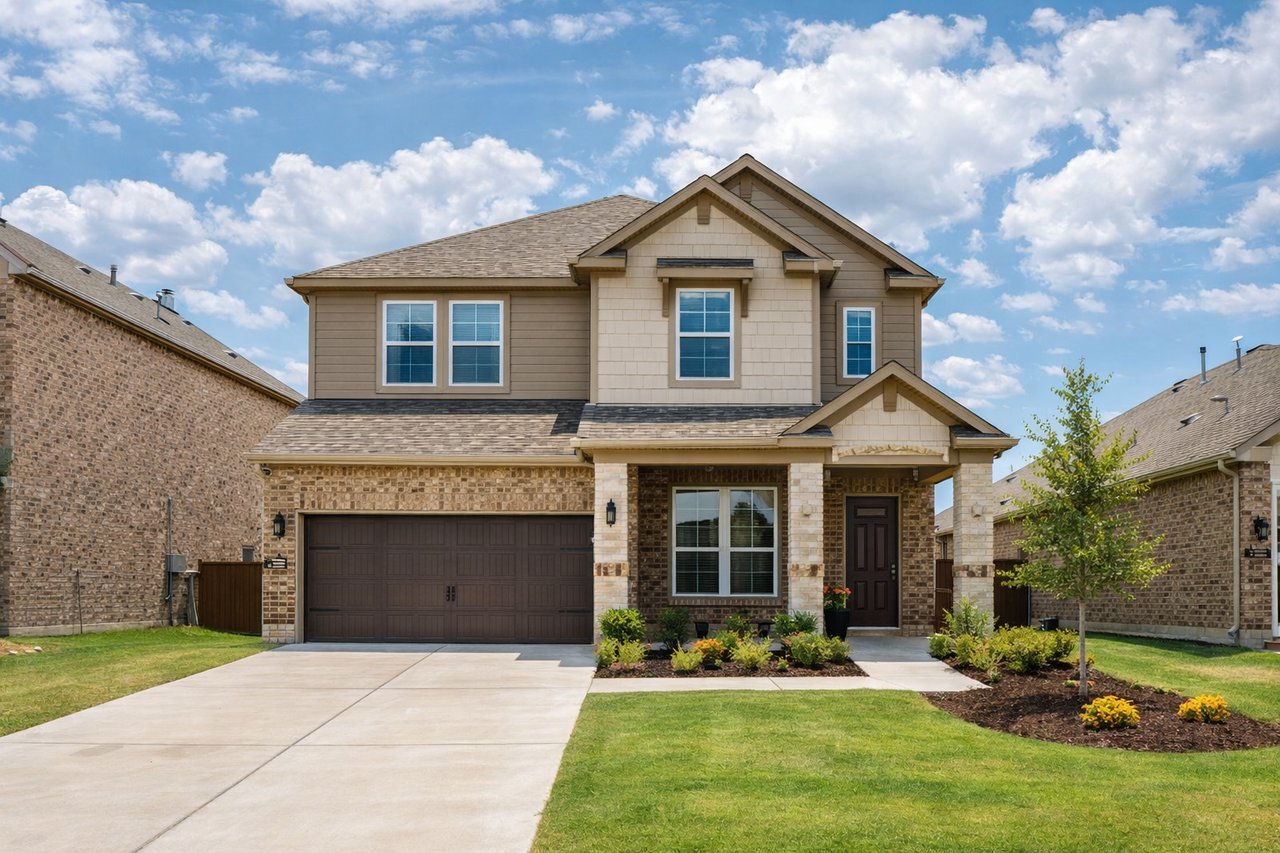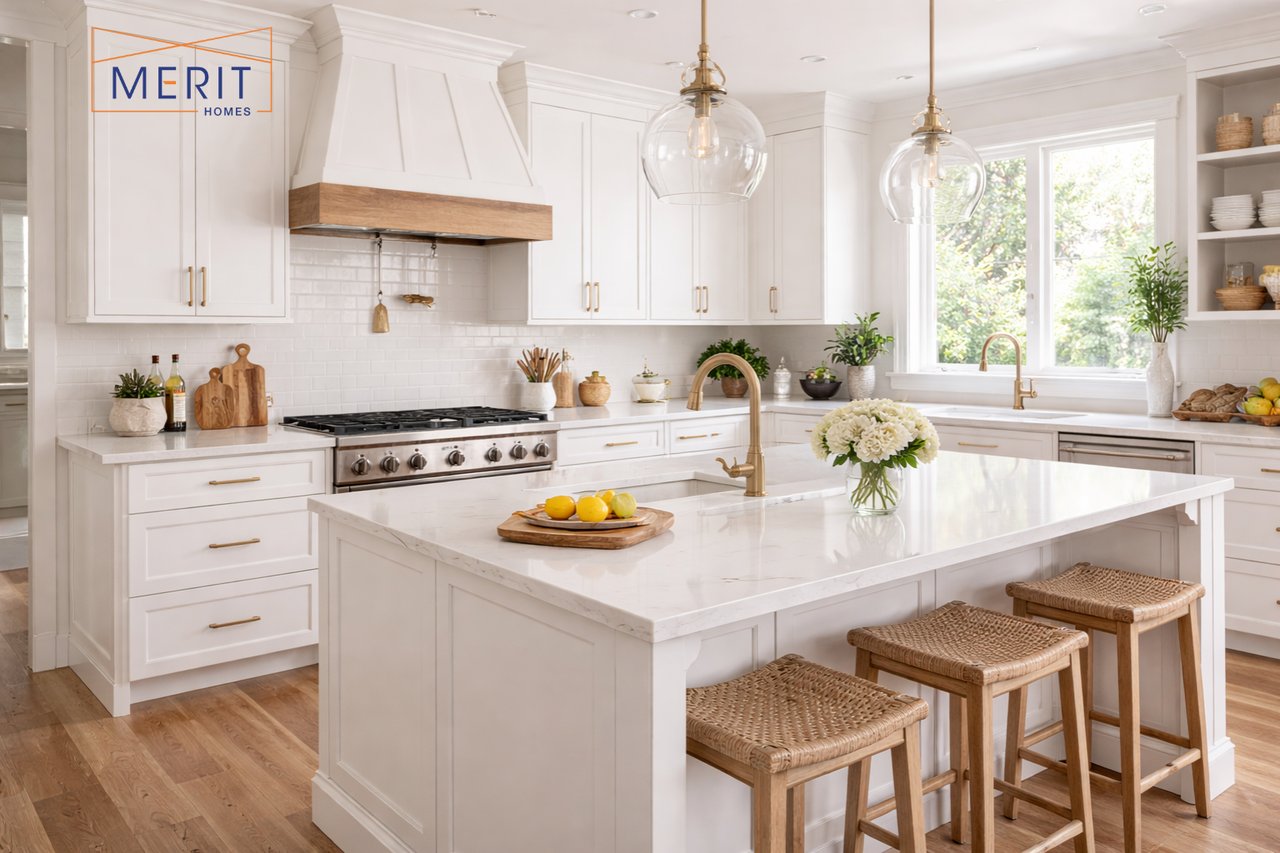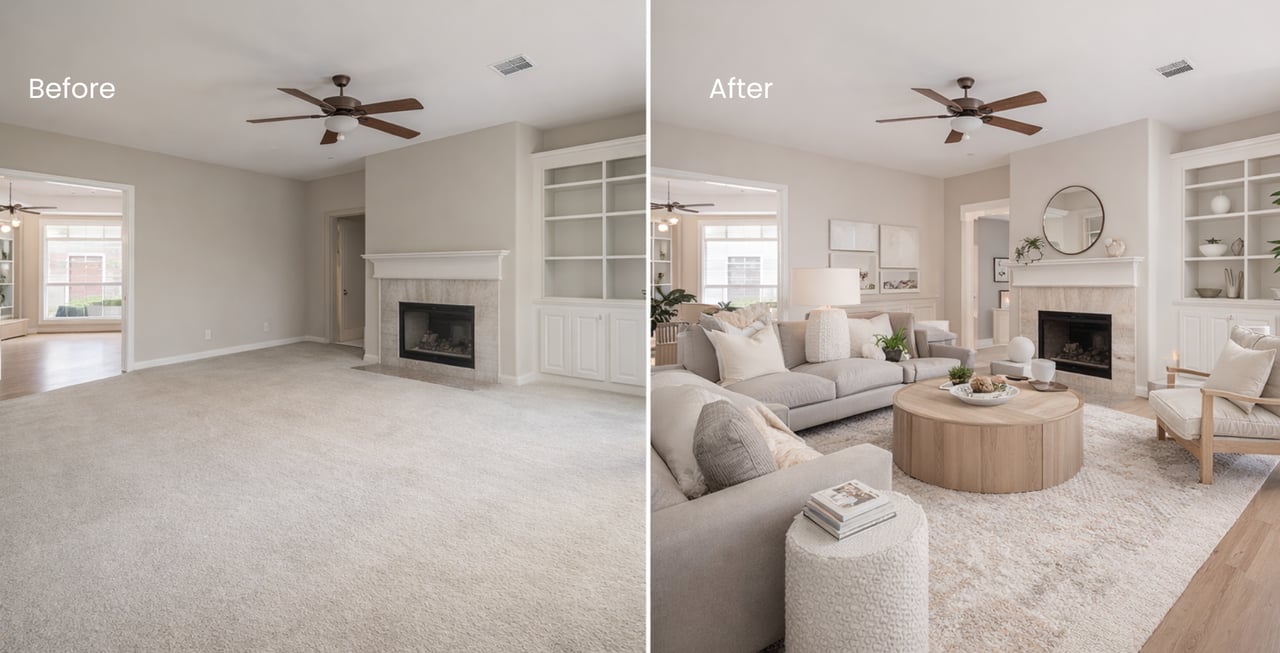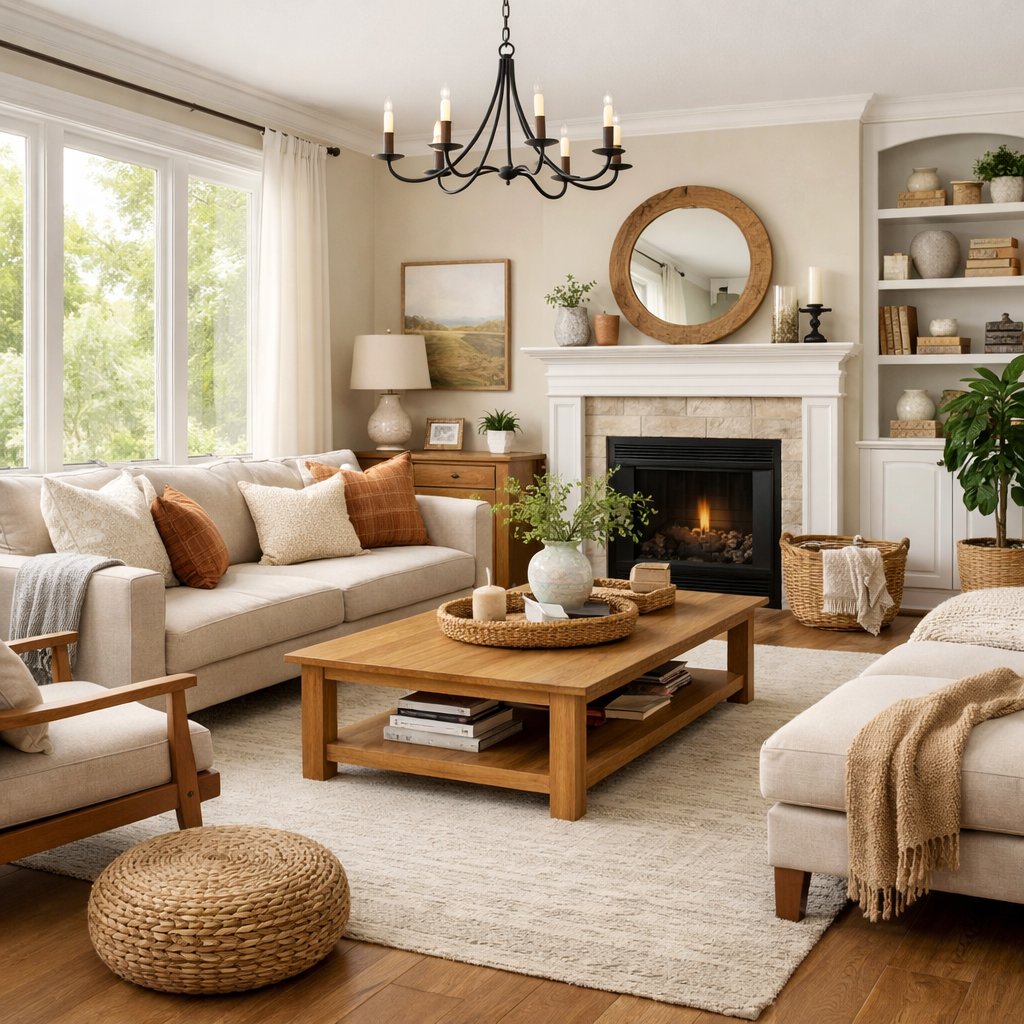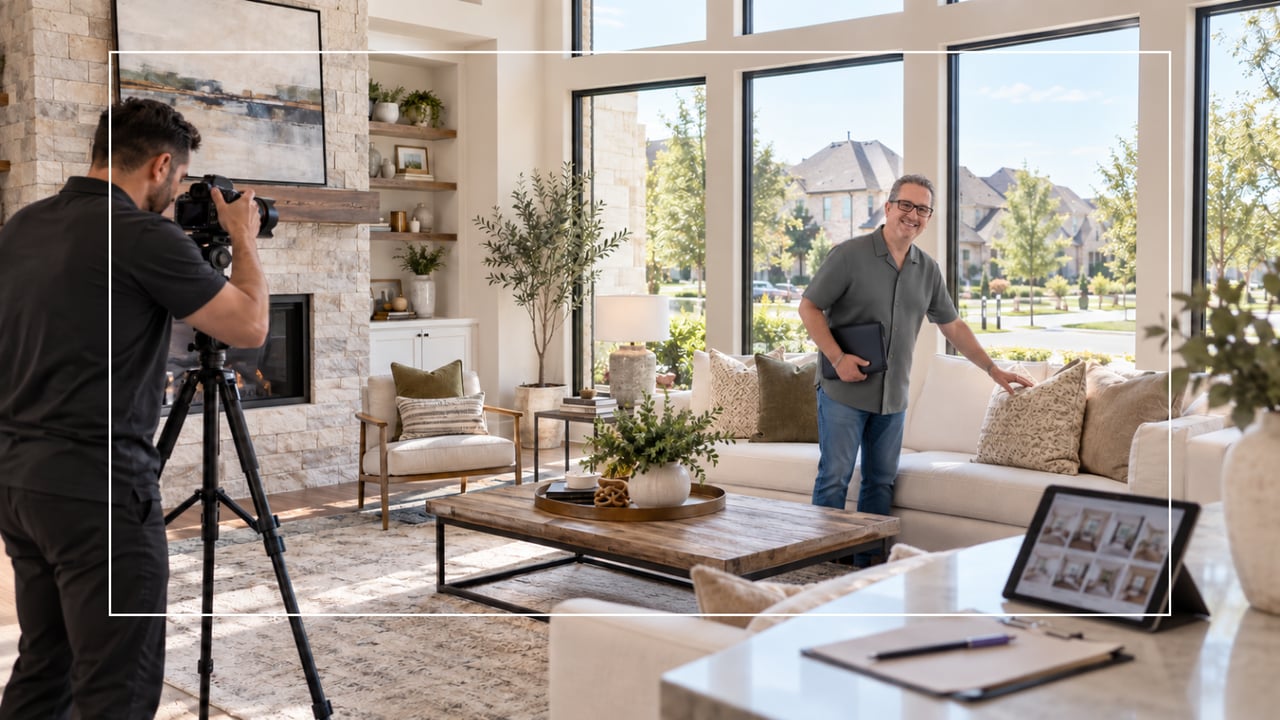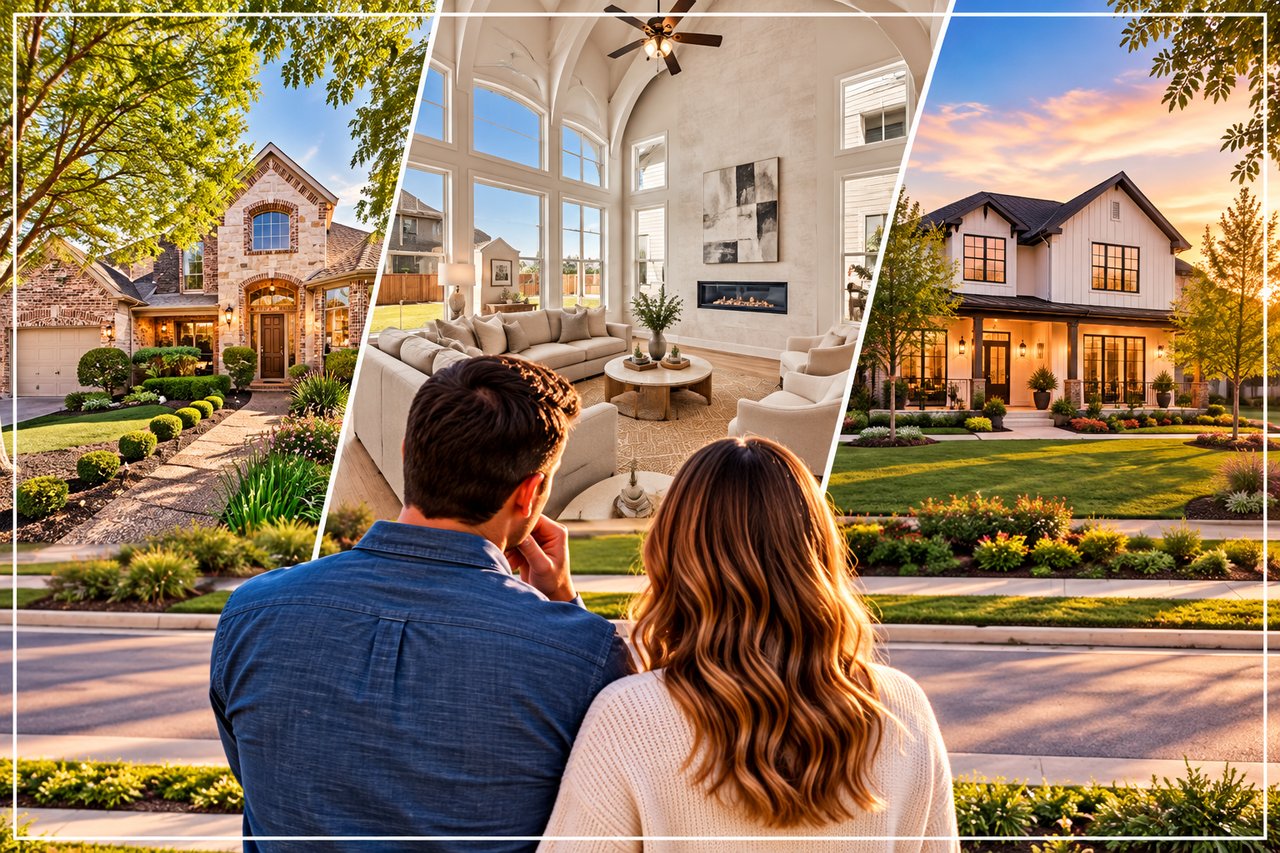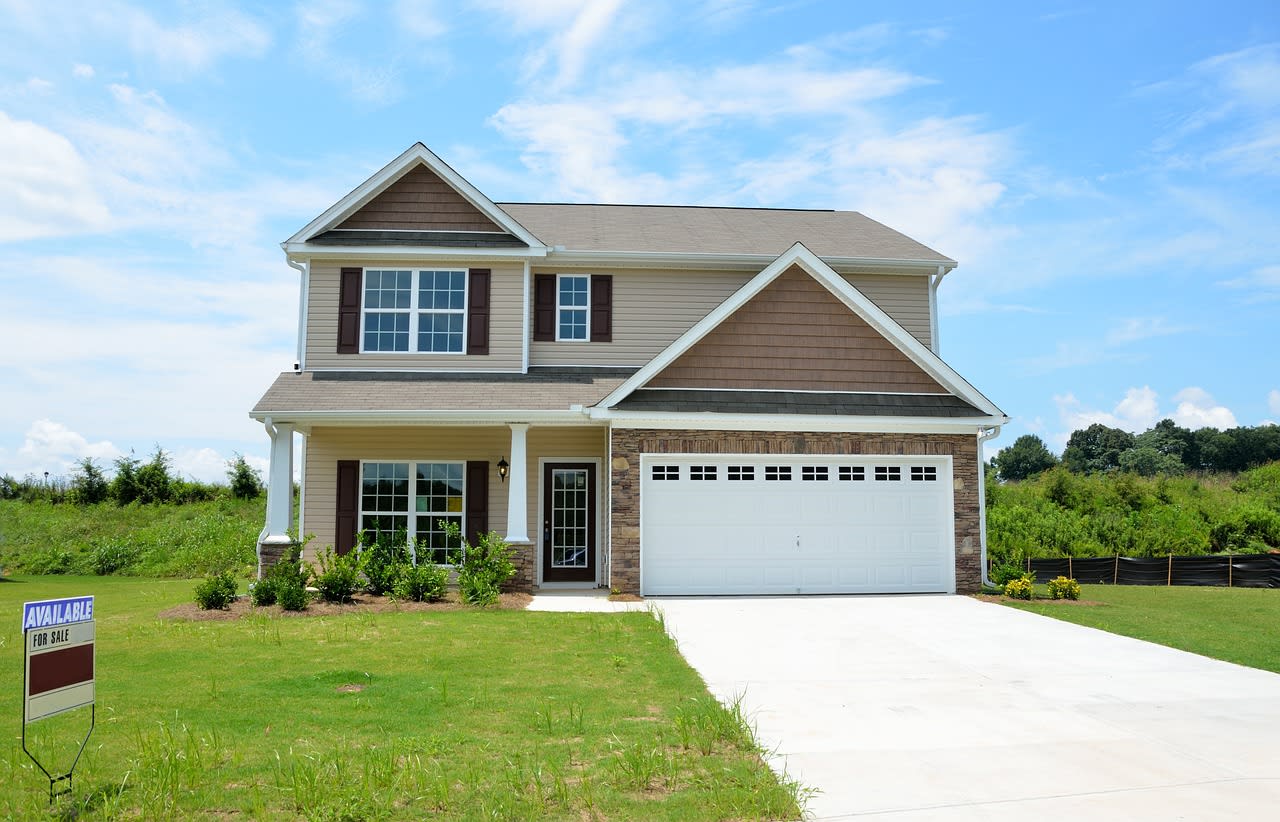

There's something pretty exciting about walking into a brand-new model home.
The floors are spotless. The kitchen looks like something out of a magazine. The furniture is perfectly arranged, the lighting is just right, and there's not a single scuff mark on the walls.
Everything feels fresh.
And, of course, there's that new-home smell.
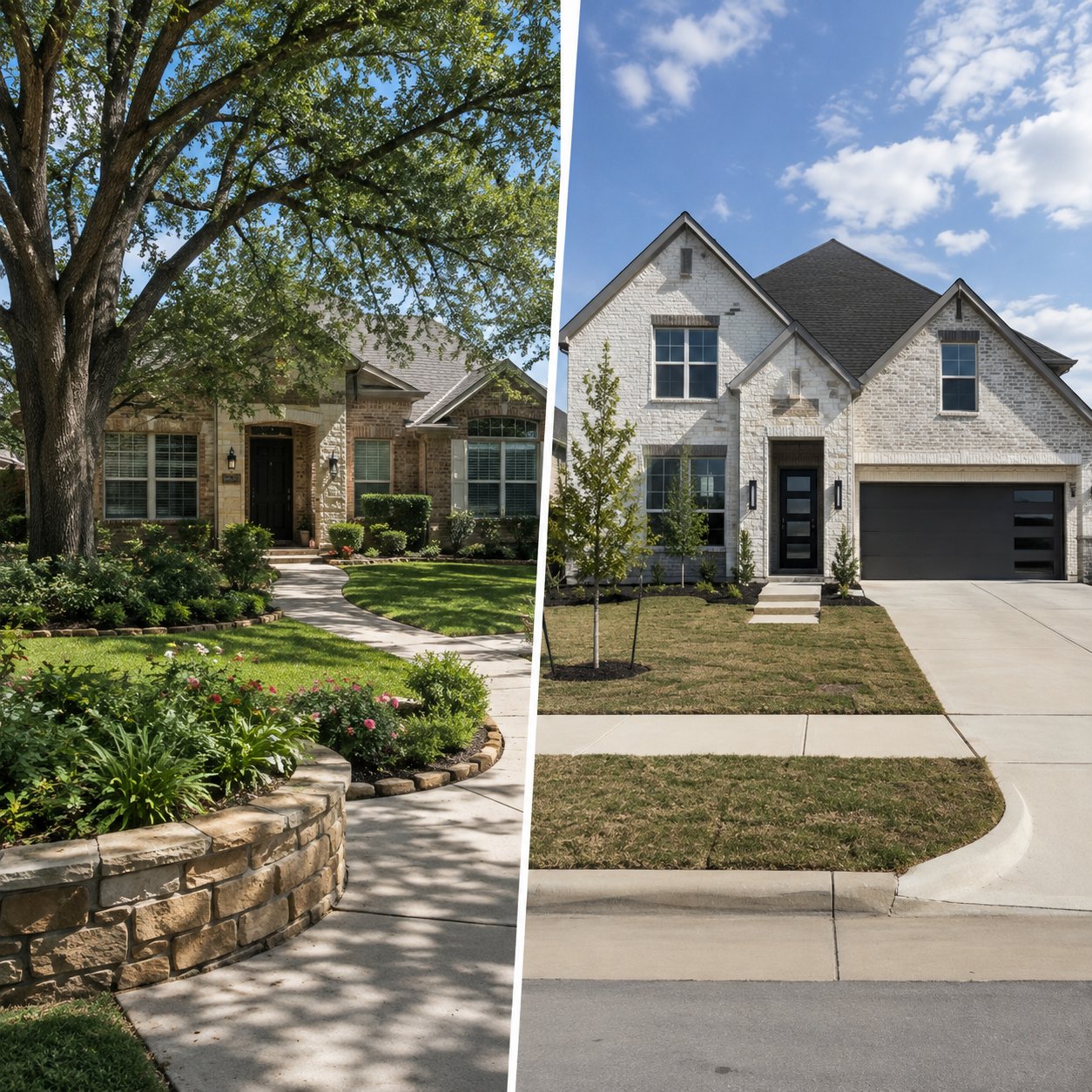
Then, a few hours later, you walk into a resale home in an established McKinney neighborhood.
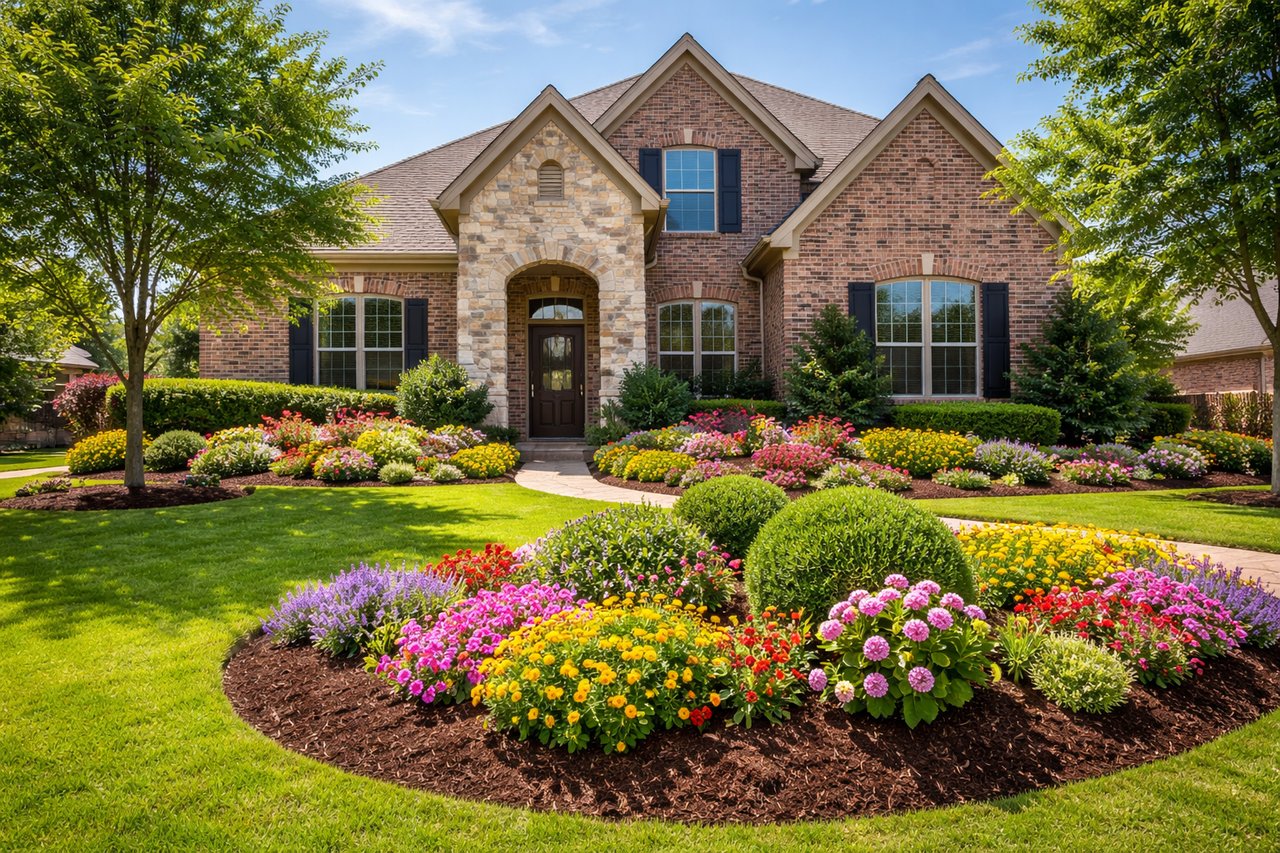
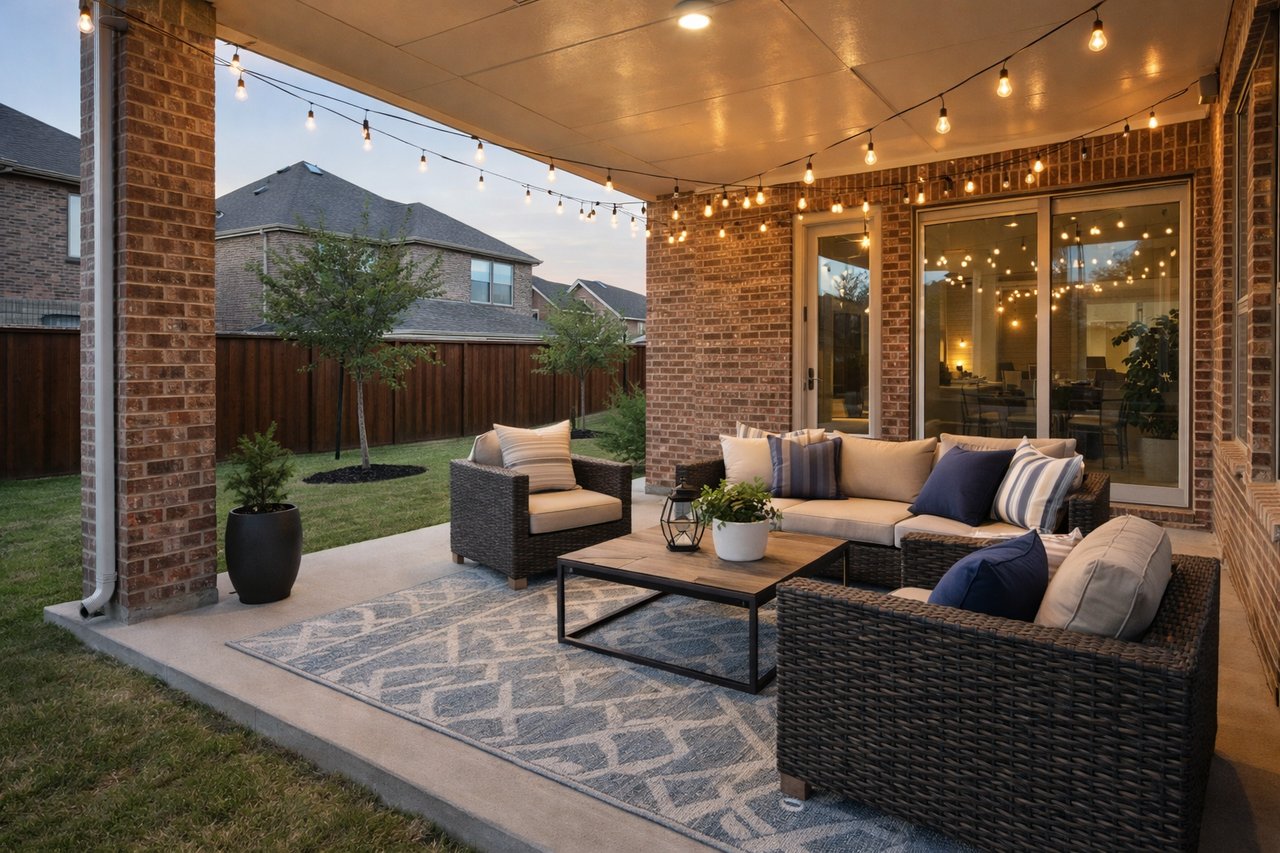
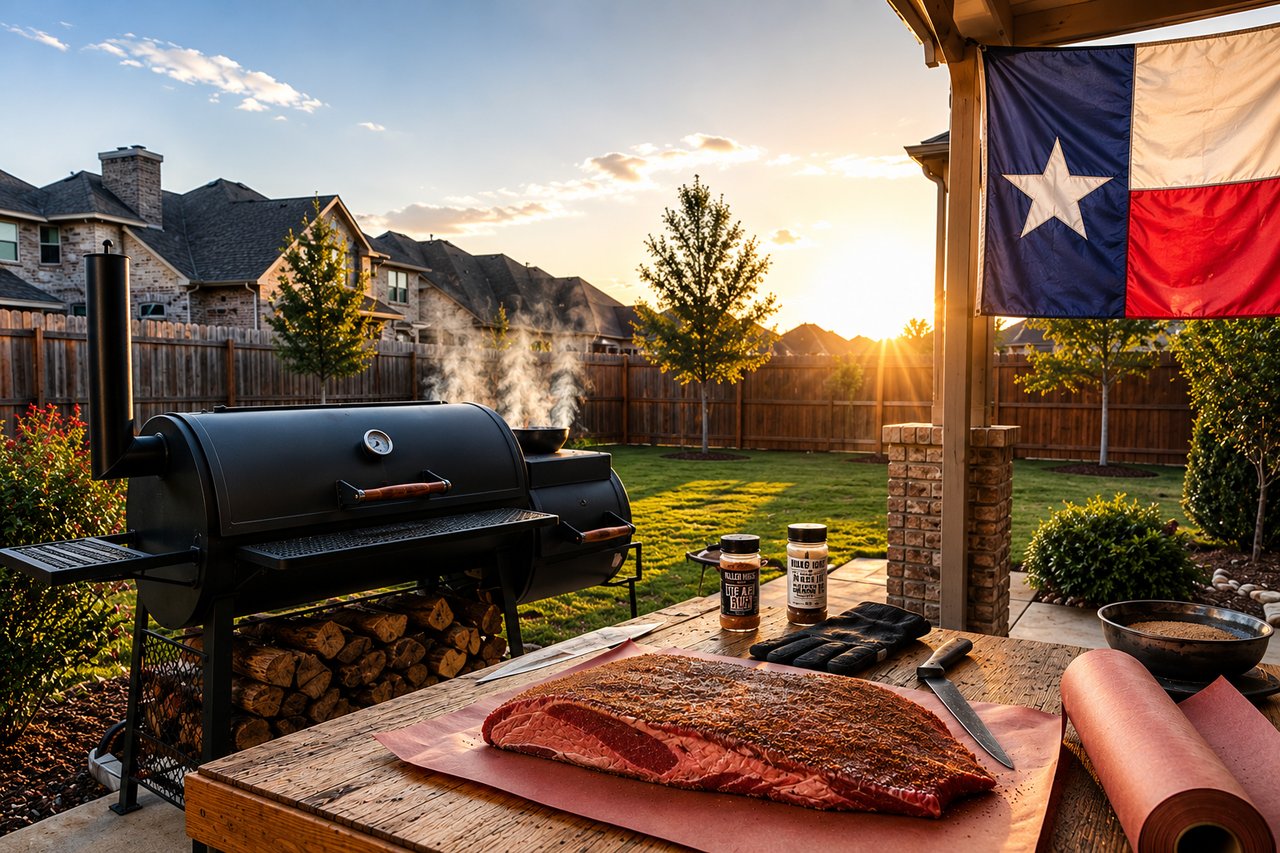
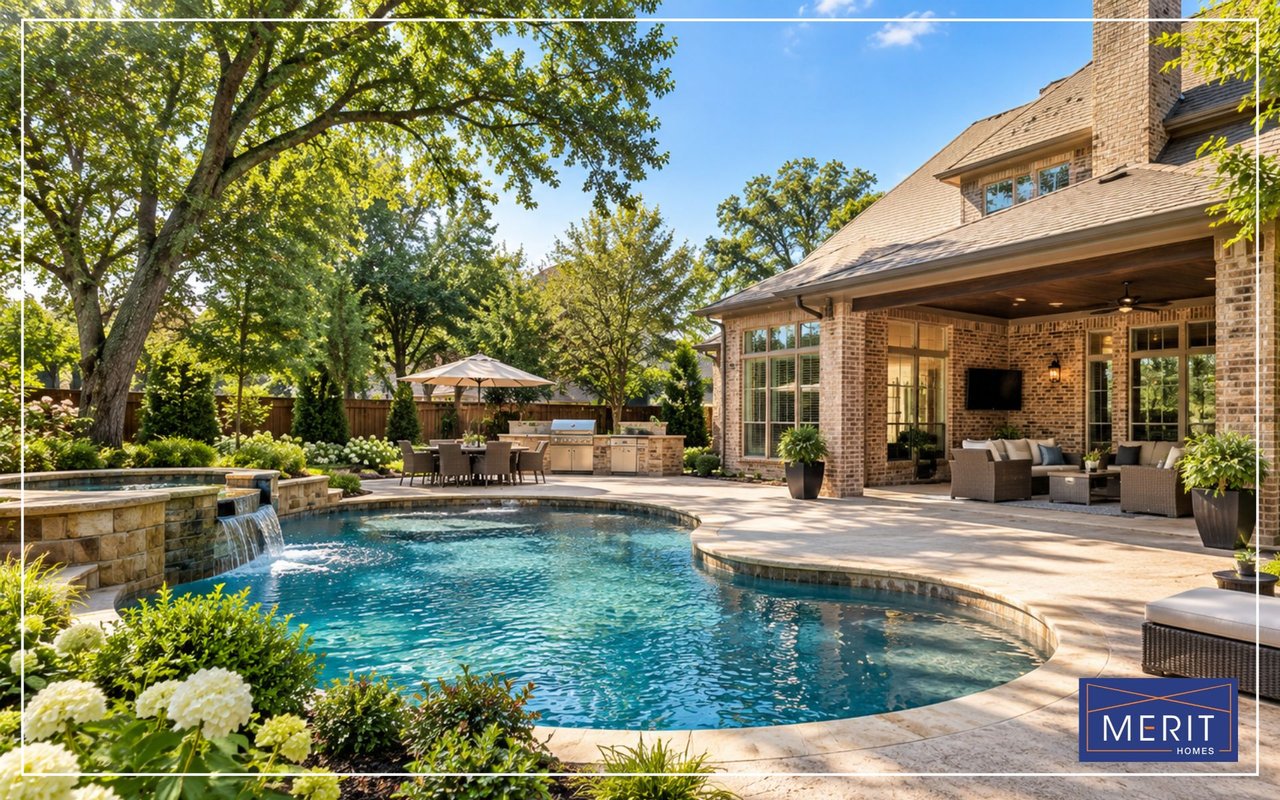
The trees are taller. The backyard has a beautiful pool. There's a covered patio, maybe an outdoor kitchen, and the landscaping looks like it's been there forever.
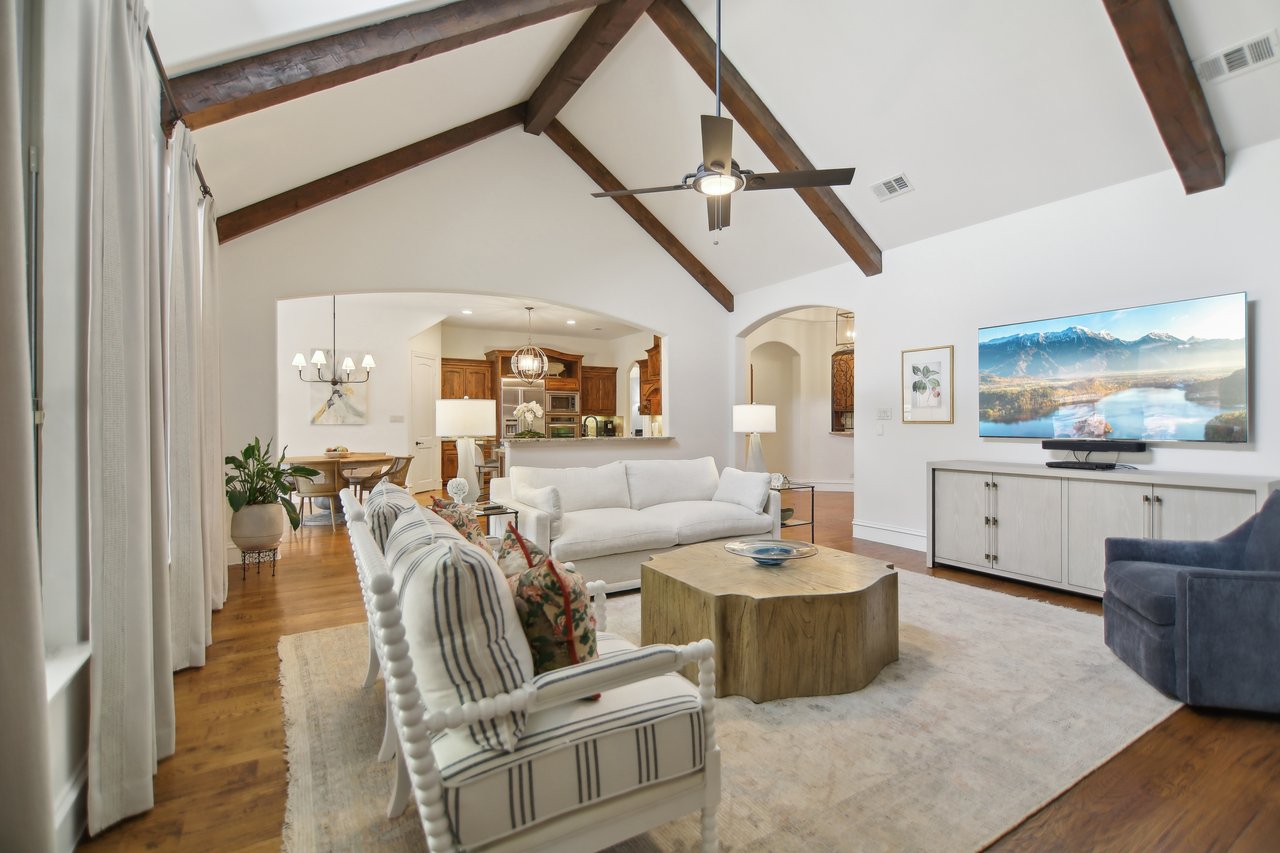
Inside, the kitchen may not have the latest cabinet colors, but the rooms are spacious, the neighborhood feels settled, and you can picture yourself sitting outside on a Saturday afternoon.
Now comes the question.
Which one is the better purchase?
I've worked with buyers on both sides of this decision, and here's what I've learned: The better home isn't necessarily the newer home, and it isn't necessarily the one with the lowest price. It's the one that makes the most sense for how you want to live and what you're comfortable spending.
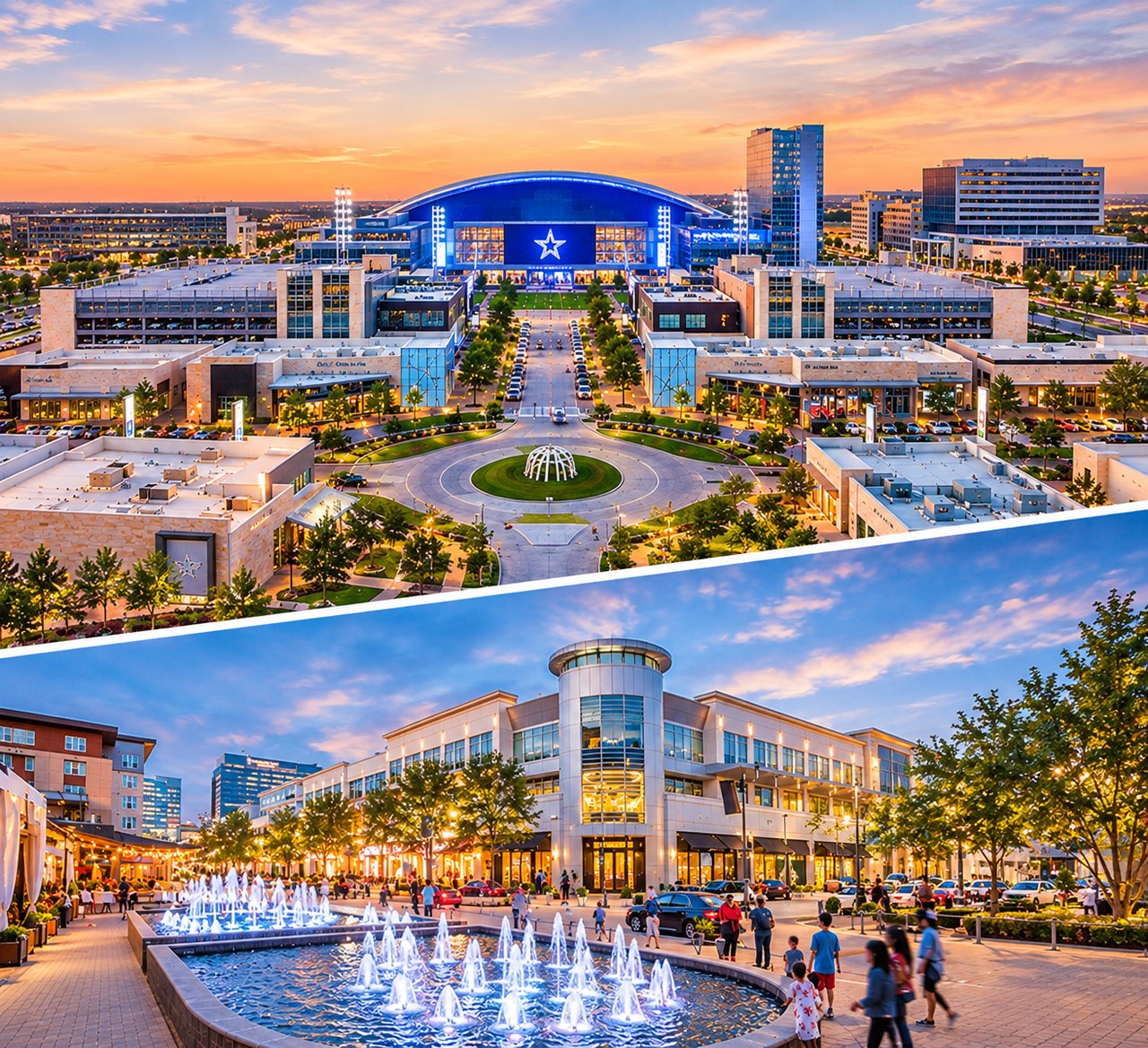
McKinney is a particularly interesting place to have this conversation because buyers have access to both ends of the spectrum.
You can explore newer master-planned communities like Painted Tree and Trinity Falls, or you can consider established neighborhoods throughout Stonebridge Ranch and other parts of the city.
Both offer compelling advantages.
But they're not interchangeable.
And understanding those differences before you start touring homes can save you a lot of time, money and second-guessing.
Why McKinney Gives Buyers So Many Choices
One of the things I appreciate about McKinney is that it doesn't feel like one enormous subdivision.
The city has grown over decades, and different areas reflect different periods of that growth.
There are historic homes closer to Downtown McKinney, established neighborhoods with mature trees and larger lots, newer subdivisions with modern floor plans, and master-planned communities designed around amenities and outdoor recreation.
That variety gives buyers options.
But it also makes the decision more complicated.
A home built in the early 2000s may offer a completely different lot size, floor plan and neighborhood experience than a home completed in 2026.
And two homes with similar asking prices may have very different ownership costs.
That's why I encourage buyers to look beyond the listing price and consider the complete picture.
The Appeal of New Construction in McKinney
Let's start with the obvious.
Buying a brand-new home can be a lot of fun.
Depending on the builder and stage of construction, you may be able to select finishes, choose certain structural options and create a home that reflects your preferences.
You also have the appeal of being the first person to live there.
But there are several practical advantages worth considering.
Modern Floor Plans
Today's builders generally design homes around how people live now.
Open kitchens.
Large islands.
Flexible spaces that can serve as home offices.
Walk-in pantries.
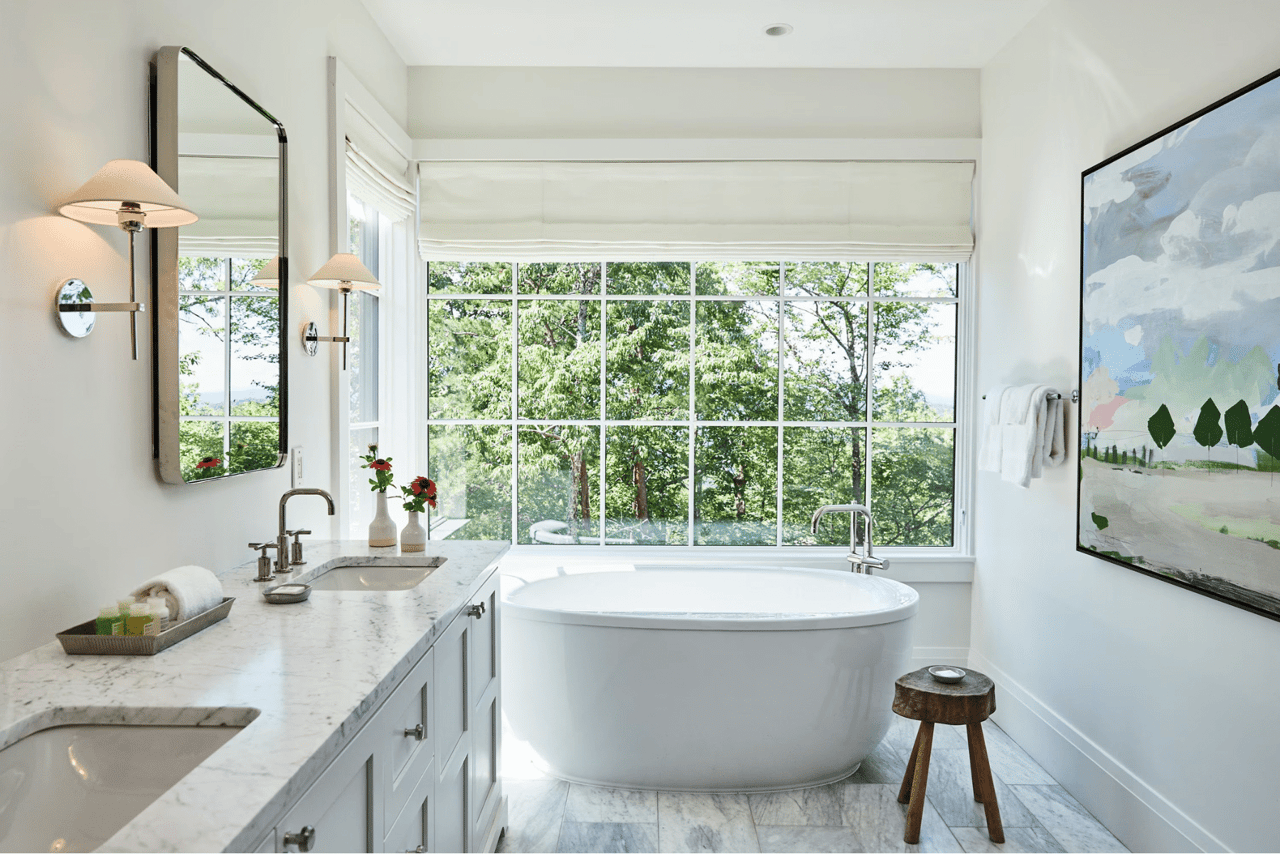
Primary suites with spacious bathrooms.
And, in some cases, multigenerational layouts or bedrooms with private bathrooms.
Of course, not every new floor plan is better than an older one.
I've seen plenty of resale homes with excellent layouts.
But new construction can make it easier to find certain features without having to remodel.
Newer Systems and Materials
A new home generally comes with recently installed heating and cooling equipment, plumbing, electrical systems, roofing and appliances.
That doesn't mean everything will be maintenance-free.
New homes can have defects, and some issues don't become apparent until after move-in.
Still, starting with newer major systems can be attractive to buyers who want to reduce the likelihood of significant replacement expenses in the first several years.
Many builders also provide warranties, although coverage varies, so it's important to understand exactly what's included.
Energy Efficiency
Newer construction often incorporates updated insulation, windows, HVAC equipment and other energy-related features.
That can contribute to lower energy consumption compared with some older homes.
But I wouldn't assume a new home automatically has lower utility bills.
Home size, orientation, thermostat settings, insulation quality and personal habits all matter.
If energy efficiency is important to you, ask the builder for documentation rather than relying on a sales presentation.
Builder Incentives
This is one of the biggest reasons buyers should pay attention to new construction in today's market.
Builders sometimes offer incentives that aren't readily available with resale homes.
Depending on the community, inventory and financing arrangement, those may include closing cost assistance, mortgage rate buydowns, design center allowances or price reductions on completed inventory homes.
The key word is sometimes.
Incentives can change quickly, and the most attractive offers may require using the builder's preferred lender.
I'd compare the entire financing package, including the interest rate, APR, closing costs, lender fees and any conditions attached to the incentive.
A generous-sounding incentive isn't necessarily the best deal if the underlying financing is less competitive.
Where New Construction Is Happening in McKinney
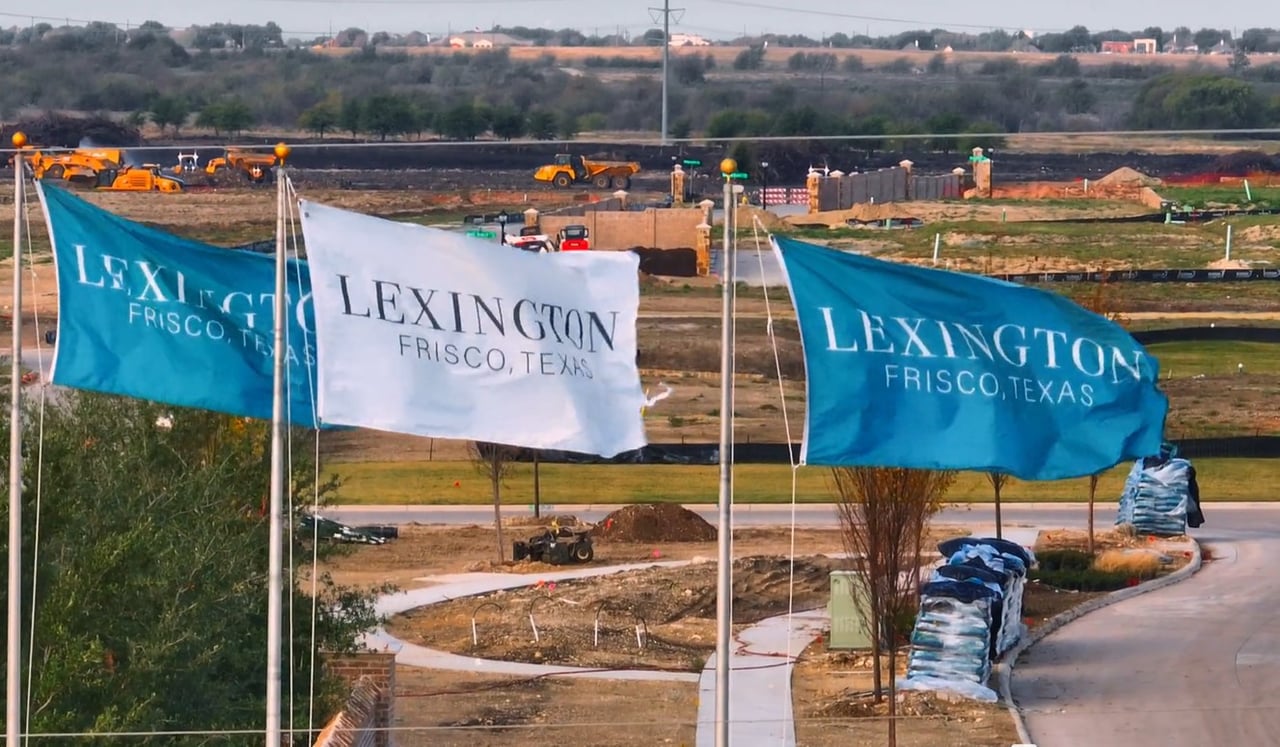
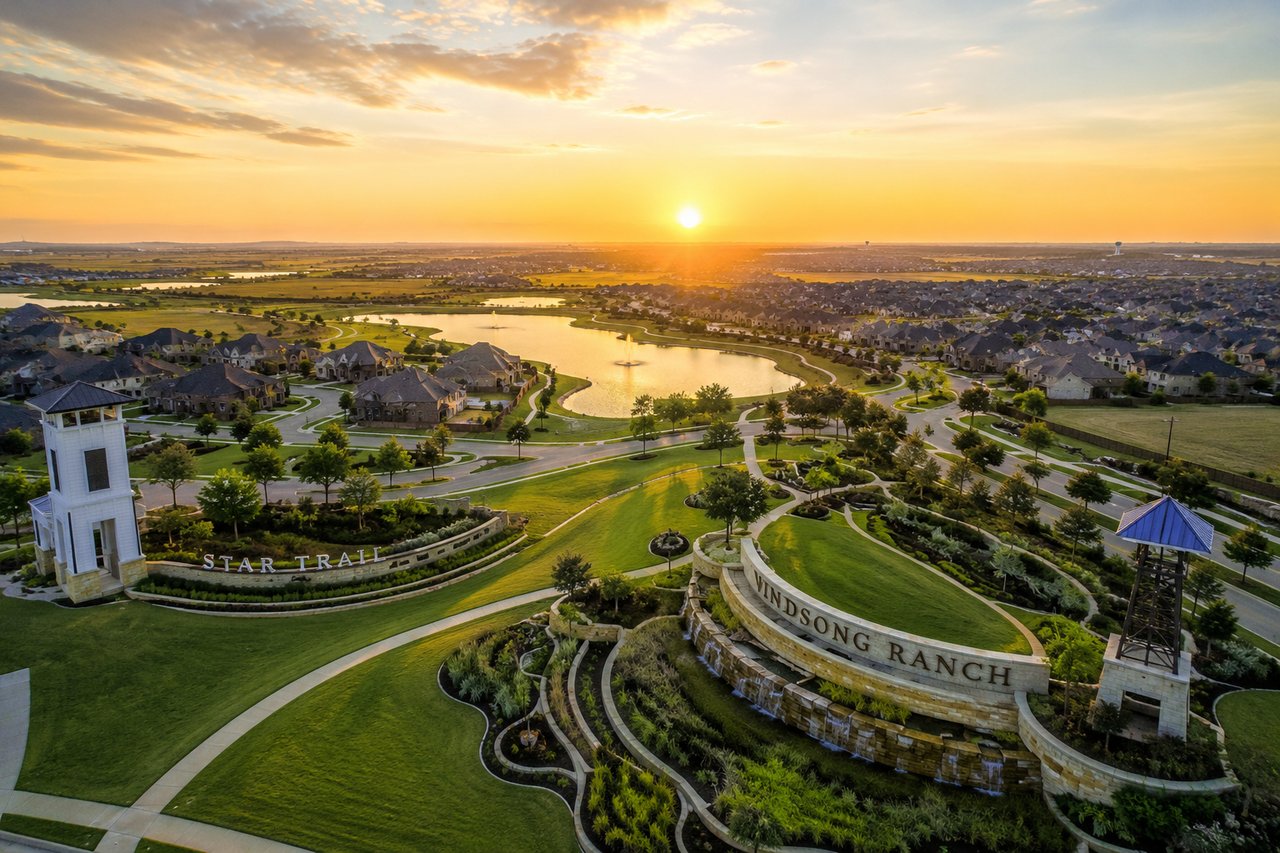
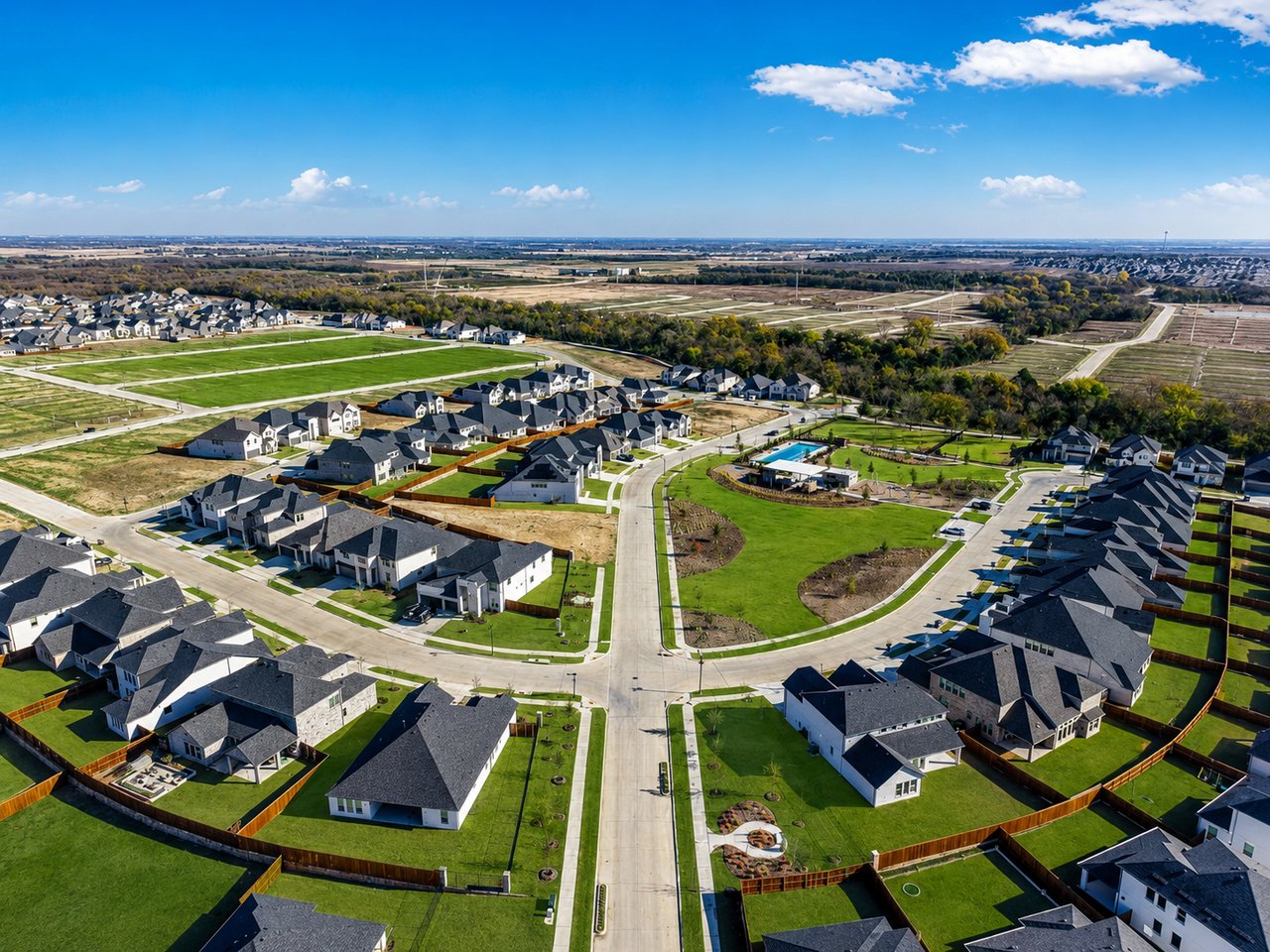
Two communities worth knowing are Painted Tree and Trinity Falls.
They're both newer master-planned developments, but they offer different locations and experiences.
Painted Tree: Trails, Nature and Proximity to Downtown
Painted Tree is located just north of Historic Downtown McKinney, west of US Highway 75.
The community has been designed around outdoor spaces, walking trails and neighborhood gathering areas.
Its plan includes approximately 200 acres of natural open space, a 20-acre lake, trails and community amenities.
Multiple builders offer different home styles, including single-family homes and townhomes.
One of Painted Tree's interesting advantages is its proximity to Downtown McKinney.
For buyers who enjoy restaurants, shopping and the historic square, that may be an important consideration.
It's a good example of how new construction can combine contemporary homes with access to an established part of the city.
Trinity Falls: A Community Built Around Outdoor Living
Trinity Falls is located in northern McKinney and offers a different master-planned community experience.
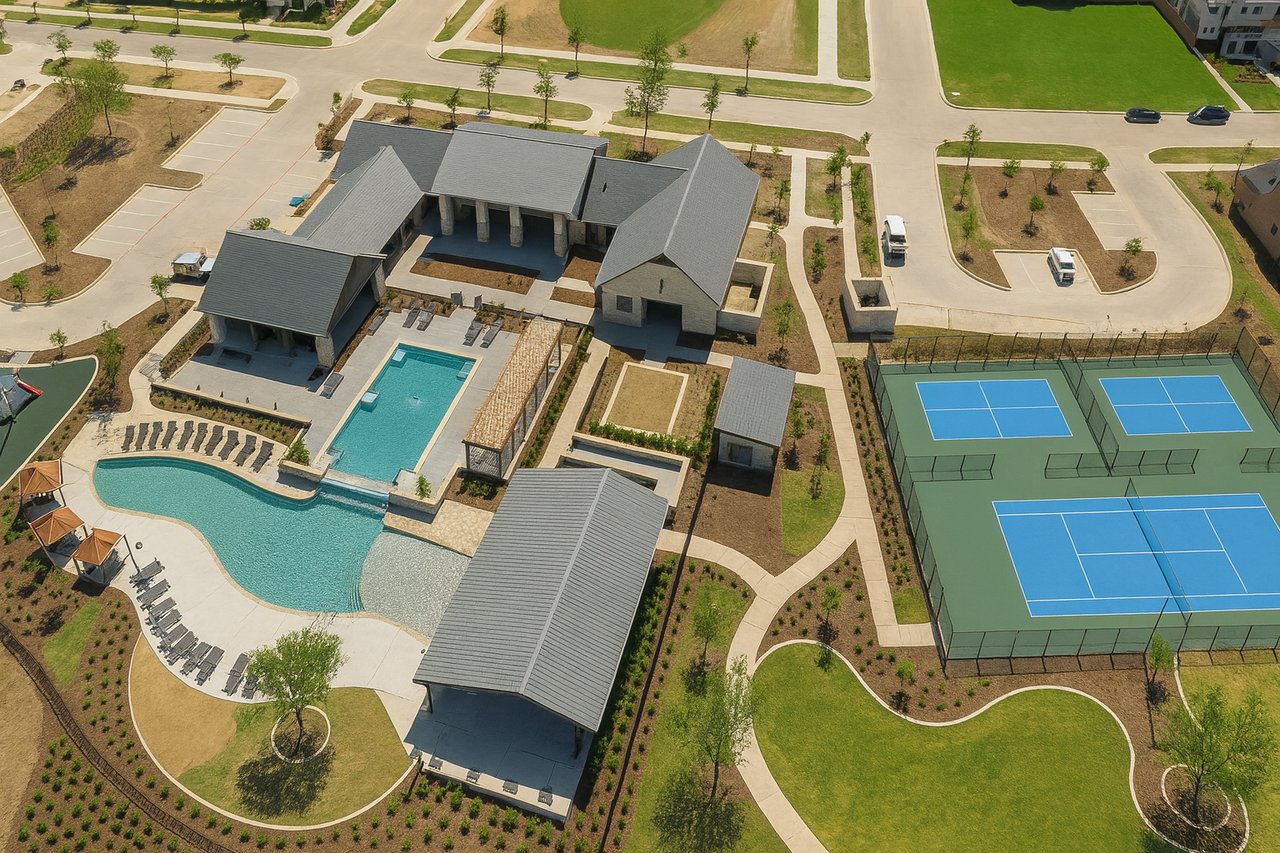
The development features trails, parks, pools, playgrounds and community gathering spaces.
Its amenities include The Club and The Lodge, along with access to B.B. Owen Park, a substantial natural area with recreational opportunities.
Trinity Falls also includes a Del Webb 55-plus neighborhood, providing another housing option within the larger community.
For someone who wants neighborhood amenities and enjoys outdoor recreation, Trinity Falls deserves consideration.
But there's something I always tell buyers when they're exploring communities like these.
Don't just tour the model homes.
Drive the surrounding roads.
Look at the access points.
Consider where you'll shop, where you'll work and how often you'll travel to other parts of North Dallas.
A community can be beautiful, but the location still has to work for your everyday life.
What Established McKinney Neighborhoods Offer That Builders Can't Easily Reproduce
Now let's look at the other side.
There are some advantages to buying a resale home that can be difficult, expensive or simply impossible to recreate with new construction.
And many of them have nothing to do with the age of the house.
Mature Trees and Landscaping
This is a big one for me.
A beautiful mature tree can change the entire feel of a property.
So can established landscaping, shaded patios and a backyard that has had years to develop.
You can plant new trees, of course.
But you can't buy twenty years of growth.
When buyers compare new construction with an established neighborhood, this is often one of the first differences they notice.
Finished Backyards
Imagine comparing two homes at a similar price.
The new home has a beautiful kitchen, contemporary finishes and a backyard that's mostly grass.
The resale home has a pool, covered patio, outdoor kitchen, mature landscaping and privacy.
Which one offers better value?
That depends on the buyer.
But the cost of adding those outdoor features after closing can be substantial.
A resale home may include improvements that would require a significant additional investment in a new home.
That doesn't mean you'll recover the full original cost of every improvement when you eventually sell.
It does mean that a buyer who actually wants those features may find considerable value in purchasing them as part of an existing property.
Established Neighborhood Character
I think there's something reassuring about driving through a neighborhood where the landscaping is mature and most of the surrounding homes are already complete.
You can see what the streets look like.
You can observe traffic patterns.
You can get a feel for the surrounding properties.
In a developing community, some of those things are still taking shape.
There may be construction activity, vacant lots and future phases that haven't been completed.
Neither situation is automatically better.
But they're different experiences, and buyers should understand what they're choosing.
More Variety in Home Design
Established neighborhoods often have architectural styles and floor plans that reflect the period when they were built.
Some buyers prefer that.
You might find a more traditional layout, a separate formal dining room, a dedicated study or a larger backyard.
And in certain neighborhoods, you may find lot sizes or locations that would be difficult to purchase in a comparable new development.
The challenge is deciding which features matter enough to justify accepting an older home.
Stonebridge Ranch: A Good Example of Established McKinney Living
Stonebridge Ranch is one of McKinney's most recognizable established master-planned communities.
It covers more than 5,000 acres and includes over 70 distinct villages.
That variety is important.
When someone tells me they're interested in Stonebridge Ranch, my first question is usually which part.
Different villages can offer very different homes, settings, prices and architectural styles.
The community also has an extensive collection of amenities, including parks, trails, pools and recreational facilities.
One important detail for buyers in October 2026: Stonebridge Ranch's Beach Club is undergoing redevelopment, with reopening currently projected for 2027. Buyers should verify the current status of individual amenities rather than assuming everything is available immediately.
What makes Stonebridge Ranch interesting in this comparison is that it combines established neighborhood character with many of the amenities buyers associate with newer master-planned communities.
That's why I wouldn't automatically assume someone who wants amenities should focus exclusively on new construction.
The Price Tag Is Only the Beginning
Here's where I think buyers can make one of their biggest mistakes.
They compare the advertised price of a new home with the asking price of a resale home and assume they're comparing apples to apples.
They're not always.
Let's say you're considering a new home listed at $650,000 and a resale home listed at $650,000.
At first glance, they're equal.
But let's look a little closer.
The new home may need window coverings, additional landscaping, fencing upgrades, a refrigerator or other items that weren't included in the builder's base price.
Depending on the builder, even features you saw in the model home may cost extra.
The resale home may already include many of those items.
On the other hand, the resale home may need a new roof in several years, an HVAC replacement or cosmetic improvements.
And the builder may be offering financing incentives that meaningfully reduce the new home's monthly payment.
Suddenly, the comparison looks different.
What matters isn't simply what you pay to purchase the home. It's what you'll spend to purchase it, finish it, maintain it and comfortably live in it.
I'd want buyers to compare estimated costs over the first five years, not just the amount needed at closing.
That includes property taxes, insurance, HOA assessments, anticipated maintenance and any improvements they're likely to make.
A Word About Property Taxes
This is particularly important with new construction in Texas.
When you're reviewing a newly built home, the current property tax record may not reflect the value of the completed house.
In some cases, the existing assessment reflects primarily the land or a partially completed property.
If you're estimating your monthly payment based on that number, you could be in for an unpleasant surprise.
I'd want a realistic estimate based on the completed home's anticipated taxable value, applicable tax rates and any exemptions for which the buyer may qualify.
For resale homes, I'd also be careful about relying on the seller's current tax bill.
Their exemptions or assessment limitations may not apply to the next owner.
In both cases, use a forward-looking estimate.
Don't Assume New Construction Means You Don't Need an Inspection
This is something I feel strongly about.
A brand-new home should still be independently inspected.
Builders have quality control processes, municipal inspections and warranty programs.
Those are important.
But they aren't a substitute for having someone working specifically on your behalf.
For buyers building from the ground up, I generally recommend discussing inspections at key construction stages, including before drywall and again before closing.
If you're purchasing a completed inventory home, an independent inspection before closing is still valuable.
And if the builder provides a one-year workmanship warranty, consider another inspection before that coverage expires.
Resale buyers should also conduct appropriate inspections, with additional attention to the home's age, systems and condition.
The goal isn't to find a perfect house.
There isn't one.
It's to understand what you're buying.
Builder Contracts Are Different From Resale Contracts
Another important distinction is the paperwork.
When purchasing a resale home in Texas, buyers commonly use contract forms promulgated by the Texas Real Estate Commission.
Builders frequently use their own contracts.
Those agreements can contain different provisions regarding deposits, construction delays, inspections, completion dates, changes and remedies if something goes wrong.
I encourage buyers to understand those differences before signing.
And here's another point that's worth remembering.
The friendly salesperson at the model home represents the builder.
That doesn't mean they aren't helpful or professional.
It simply means their responsibility is to the builder.
Having your own real estate representation from the beginning gives you someone focused on your interests throughout the process.
Many builders have specific registration requirements for agents, so it's best to involve your agent before your first visit.
The Three L's: A Better Way to Compare Homes
When I'm helping someone decide between new construction and resale, I like to bring the conversation back to my Three L's framework.
Location, Livability and Lifestyle.
Because those three things often tell us more about whether someone will enjoy a home than the year it was built.
Location: Where Does Your Daily Life Happen?
This is about more than a McKinney mailing address.
Think about where you work.
How often do you travel on Highway 75 or the Sam Rayburn Tollway?
Where do you shop?
How close do you want to be to Historic Downtown McKinney?
Are you comfortable living farther north if it means getting the home or community amenities you prefer?
I'd encourage buyers to test their actual commute during the times they'll be traveling.
And if schools are part of the decision, verify the current school assignment for the specific property directly with the applicable district.
Don't assume every home in McKinney has the same school district or attendance boundaries.
Livability: How Does the Home Work for You?
A home can look incredible in photographs and still be the wrong fit.
Does the floor plan make sense?
Is there enough storage?
Are the bedrooms where you want them?
Can you comfortably work from home?
Is the backyard large enough for how you'll use it?
Would you rather have a beautiful new kitchen or a slightly older kitchen with a larger living area?
Those are personal decisions.
And they're often more important than the difference between a five-year-old home and a twenty-year-old home.
Lifestyle: What Kind of Community Experience Do You Want?
Some buyers love the energy of a developing community.
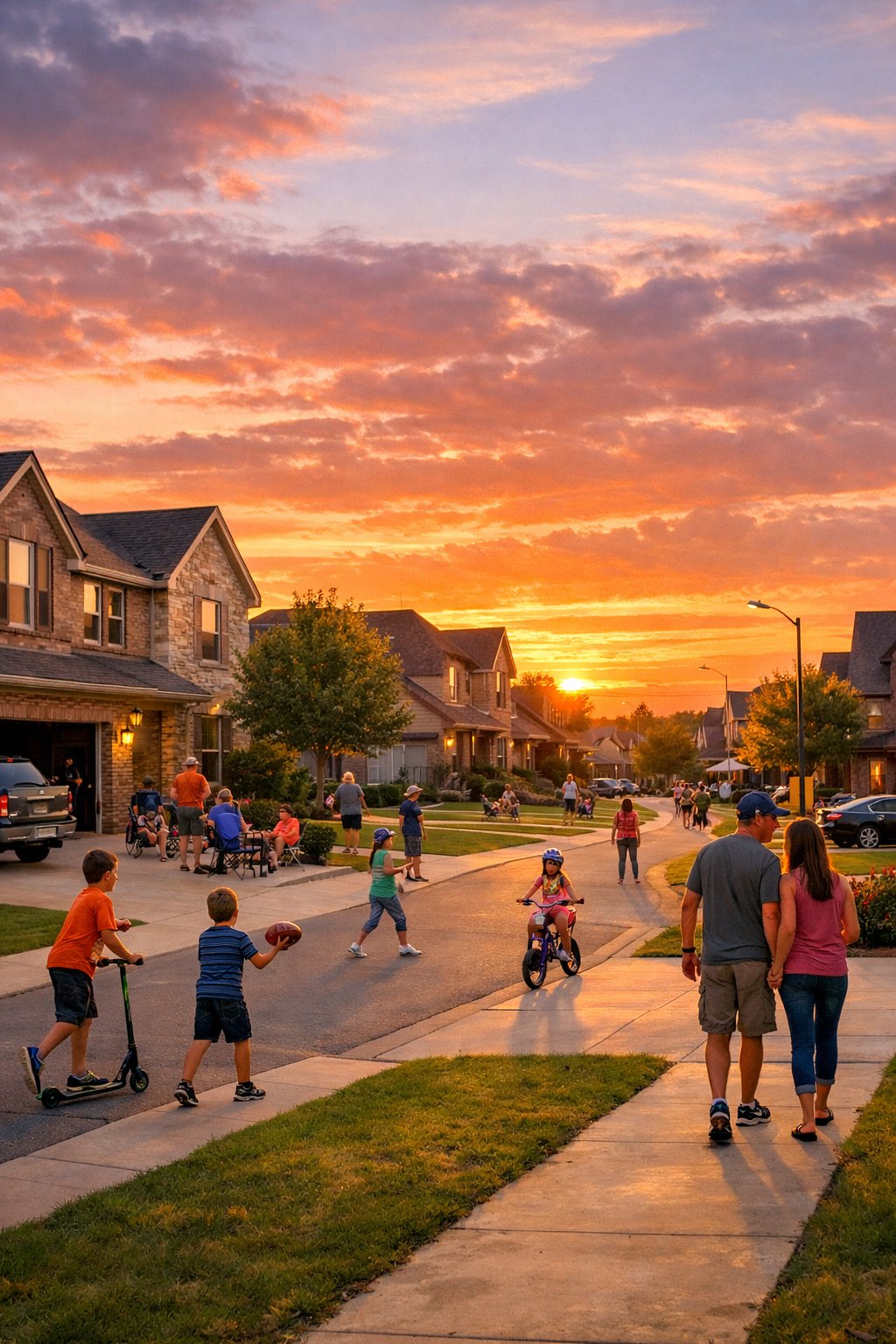
New neighbors moving in.
Community events.
New amenities.
Homes with contemporary designs.
Others prefer established streets, mature trees, completed surroundings and neighborhoods that have developed their character over time.
And some want a combination of both.
McKinney offers all three possibilities.
The question isn't which lifestyle is objectively better.
It's which one feels right to you.
What About Resale Value?
This is where people often want a simple answer.
Will a new home appreciate more than an older home?
Not necessarily.
Appreciation depends on several factors, including location, purchase price, market conditions, competing inventory, property condition and buyer demand.
A well-located resale home with a desirable lot may perform very differently from another resale home that needs substantial work.
Likewise, two new homes in different communities may have different resale prospects.
One consideration with new construction is future builder competition.
If you decide to sell while the builder is still offering brand-new homes nearby, your resale property may compete with the builder's incentives, warranties and inventory.
That doesn't mean you shouldn't buy there.
It means you should understand the potential competition.
For resale homes, I'd pay particular attention to condition, functional layout and whether the property offers something that buyers would have difficulty finding elsewhere.
Mature landscaping, a finished backyard, privacy or a particularly desirable location can all contribute to a home's appeal.
But none of those features guarantees a particular future resale price.
My Advice: Tour Both Before Making a Decision
Even if you think you already know which direction you prefer, I'd encourage you to spend a day looking at both new construction and resale.
Visit a few model homes.
Then tour some established neighborhoods in a similar price range.
Don't simply compare the kitchens.
Look at the lots.
The streets.
The surrounding development.
The drive to the grocery store.
The backyard.
The amount of natural light.
And how much additional money you might need to spend after moving in.
Ask yourself which compromises you're comfortable making.
Because every home involves trade-offs.
Even the beautiful model home.
Especially the beautiful model home.
What I'd Do If I Were Buying in McKinney Today
If I were purchasing a home in McKinney, I wouldn't begin by deciding whether I wanted new construction or resale.
I'd start with my budget and the lifestyle I wanted.
Then I'd identify the areas that made sense for my daily routine.
From there, I'd tour both types of homes.
For new construction, I'd want to know the complete purchase price, available incentives, estimated taxes, HOA costs, included features, construction timeline and warranty coverage.
For resale, I'd want to understand the home's condition, age of major systems, recent improvements, likely maintenance expenses and how the asking price compares with other available properties.
I'd also look at the things that can't easily be changed.
The lot.
The location.
The surrounding neighborhood.
The home's basic layout.
You can update countertops.
You can replace flooring.
You can repaint just about anything.
But you can't move a house to a better lot or make a busy road disappear.
And you can't instantly recreate the character of a neighborhood that's been developing for thirty years.
That's why I'd put those harder-to-change features near the top of my list.
So, Which Is the Better Fit?
For some buyers, new construction will absolutely be the right answer.
They'll appreciate the modern floor plans, newer systems, builder incentives and opportunity to purchase a home that hasn't been lived in before.
For others, an established resale home will offer more of what they're looking for.
Mature landscaping.
A completed backyard.
A neighborhood with history.
Perhaps more house or a different location for the money.
And plenty of buyers will discover that the answer isn't quite what they expected.
That's part of what makes McKinney such an interesting place to buy.
You don't have to choose between a growing North Dallas community and one with established character.
McKinney offers both.
My job is to help buyers understand the differences, recognize the trade-offs and make a decision they'll feel good about long after the excitement of moving day has worn off.
Because ultimately, the best home isn't the newest one or the oldest one. It's the one that fits your life.
And that's where Location, Livability and Lifestyle come together.