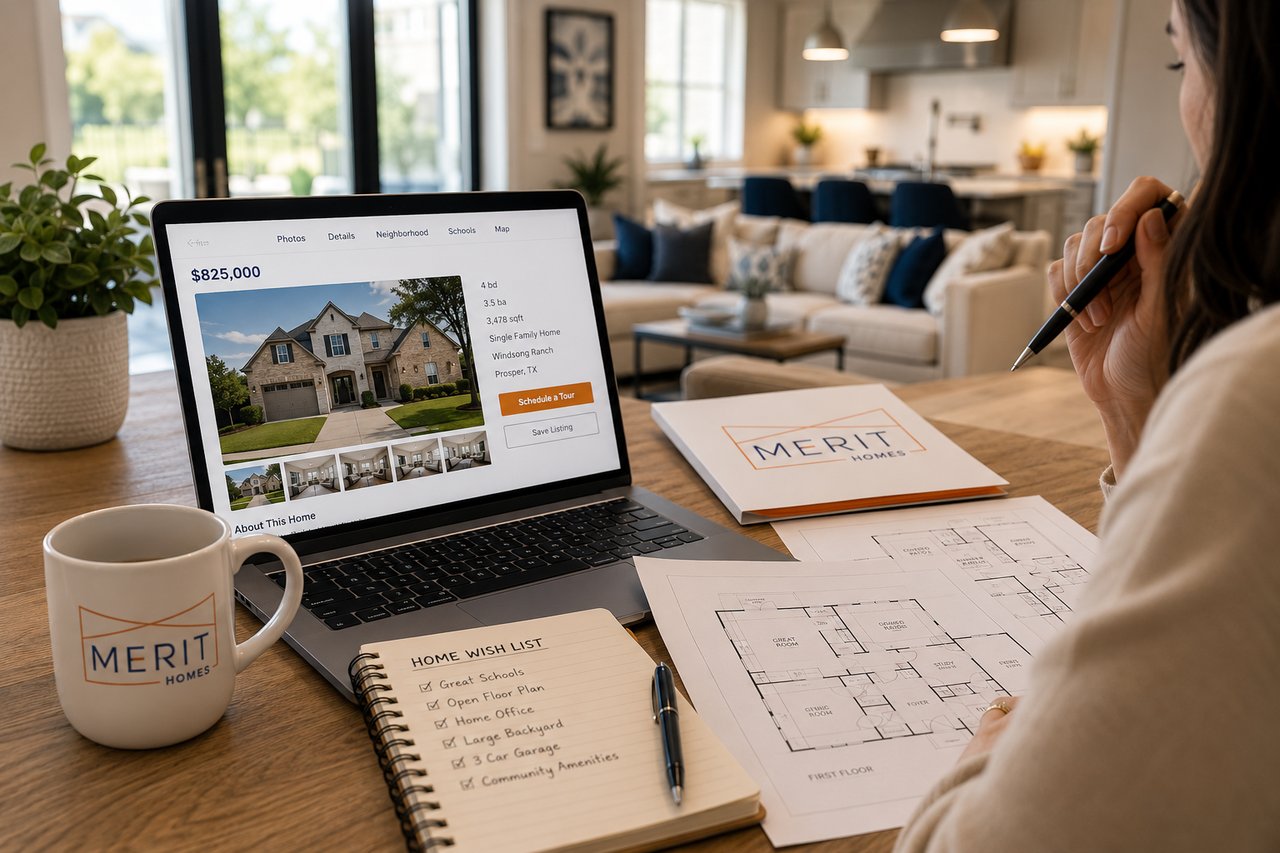
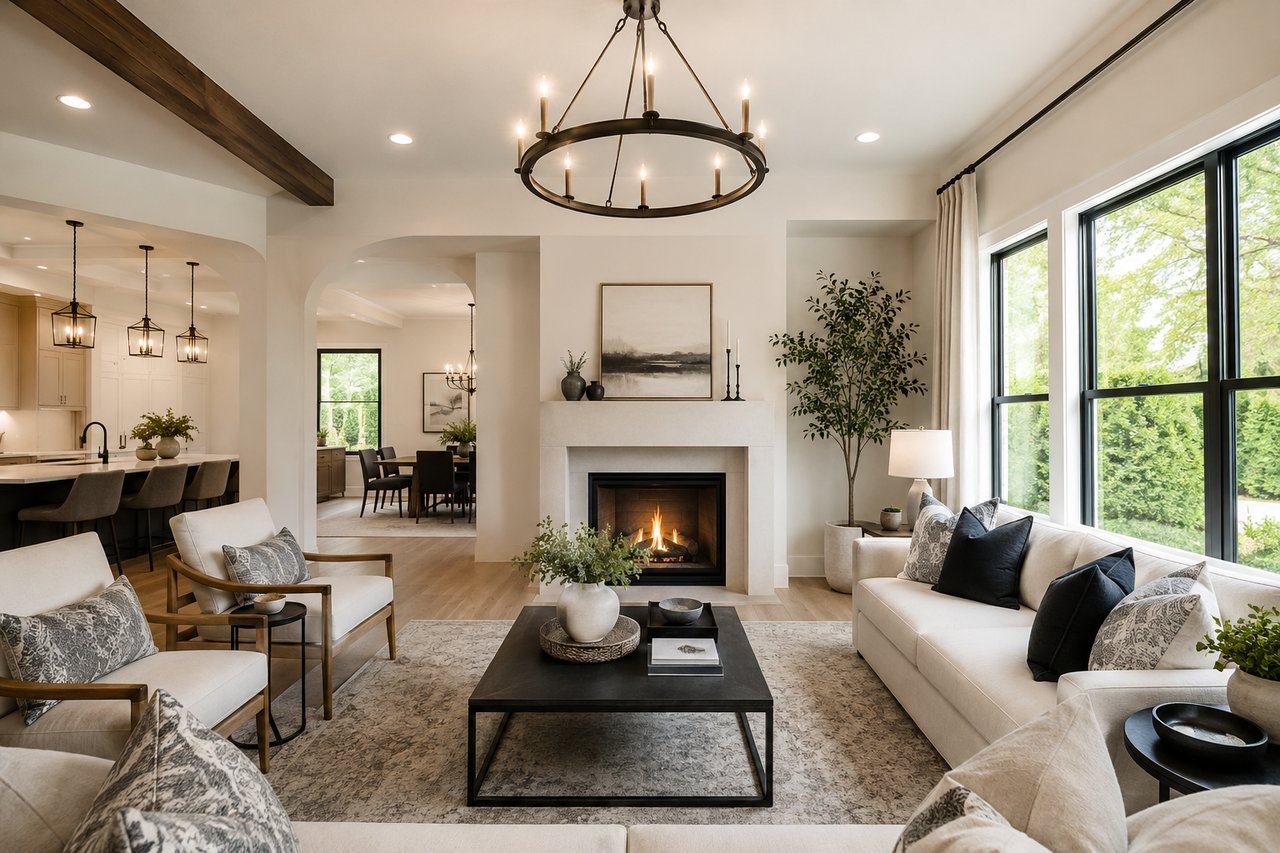
When most buyers start the home search, they focus on two things first, price and location.
Both matter. A lot.
But there’s a third factor that tends to get overlooked early on, and it’s the one that usually determines whether a home still feels right six months after move-in.
That factor is livability.
In simple terms, livability answers one question:
Does this home actually fit the way you live day to day?
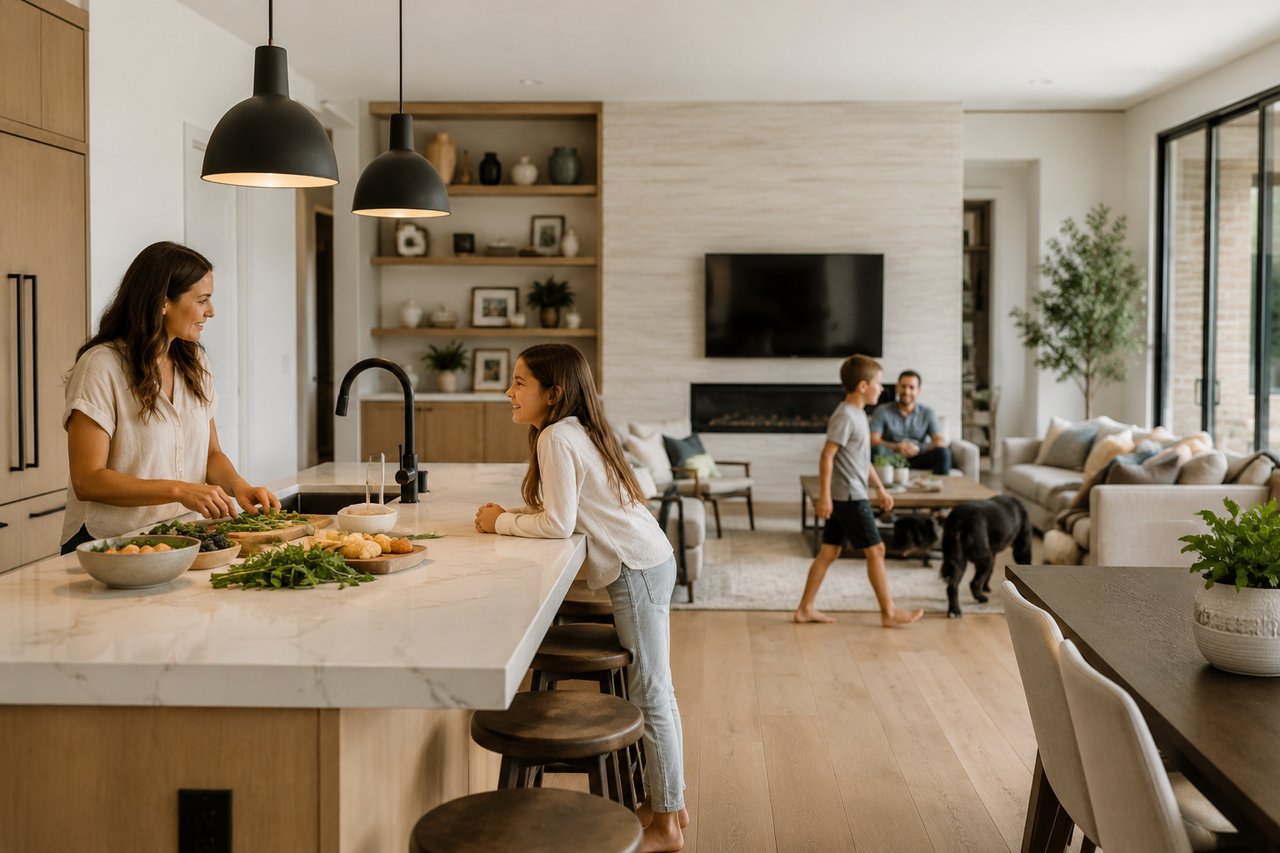
Not just how it looks in photos, not just where it sits on the map, but how it works on a random Tuesday night when life is busy, messy, and real.
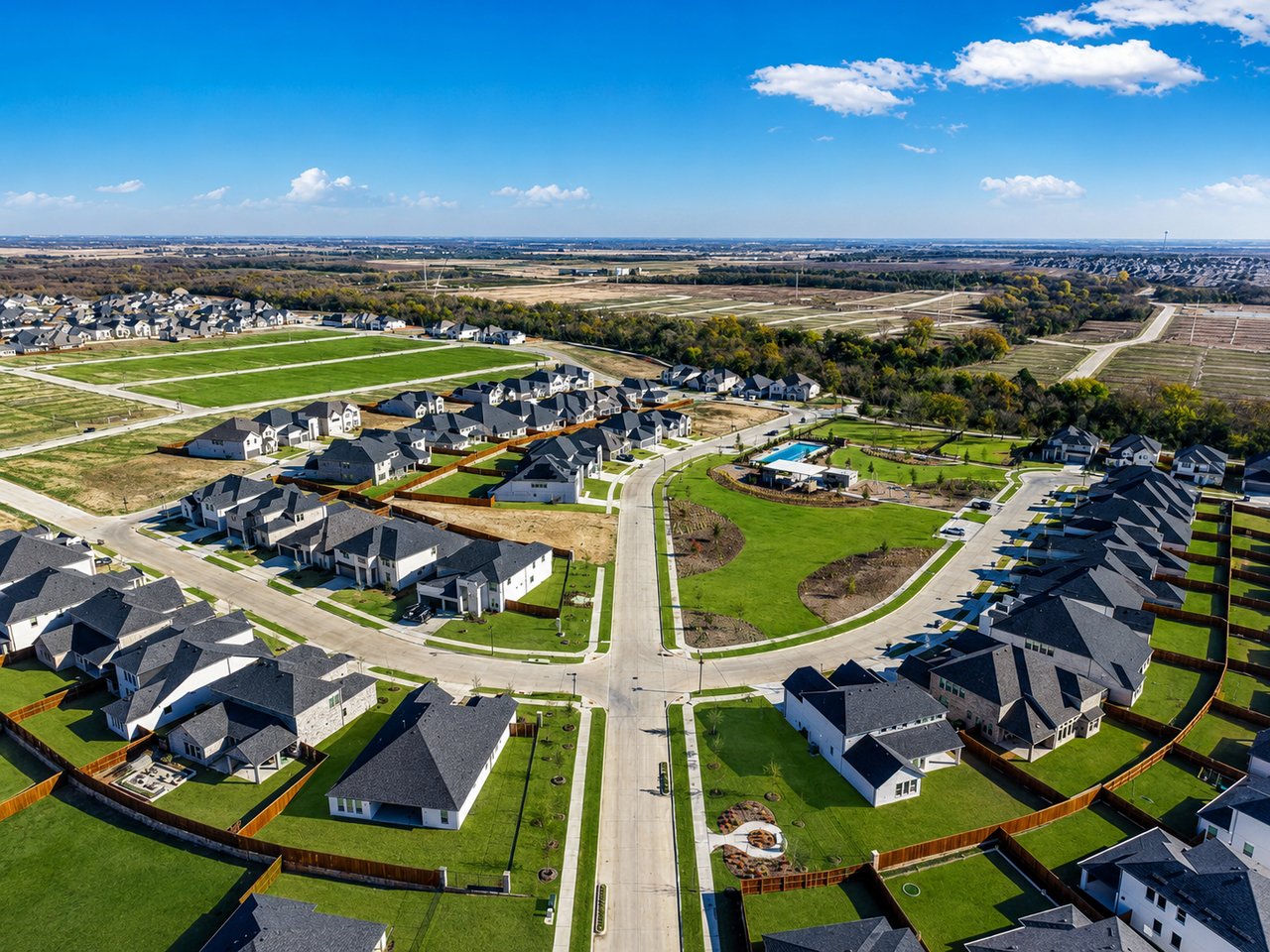
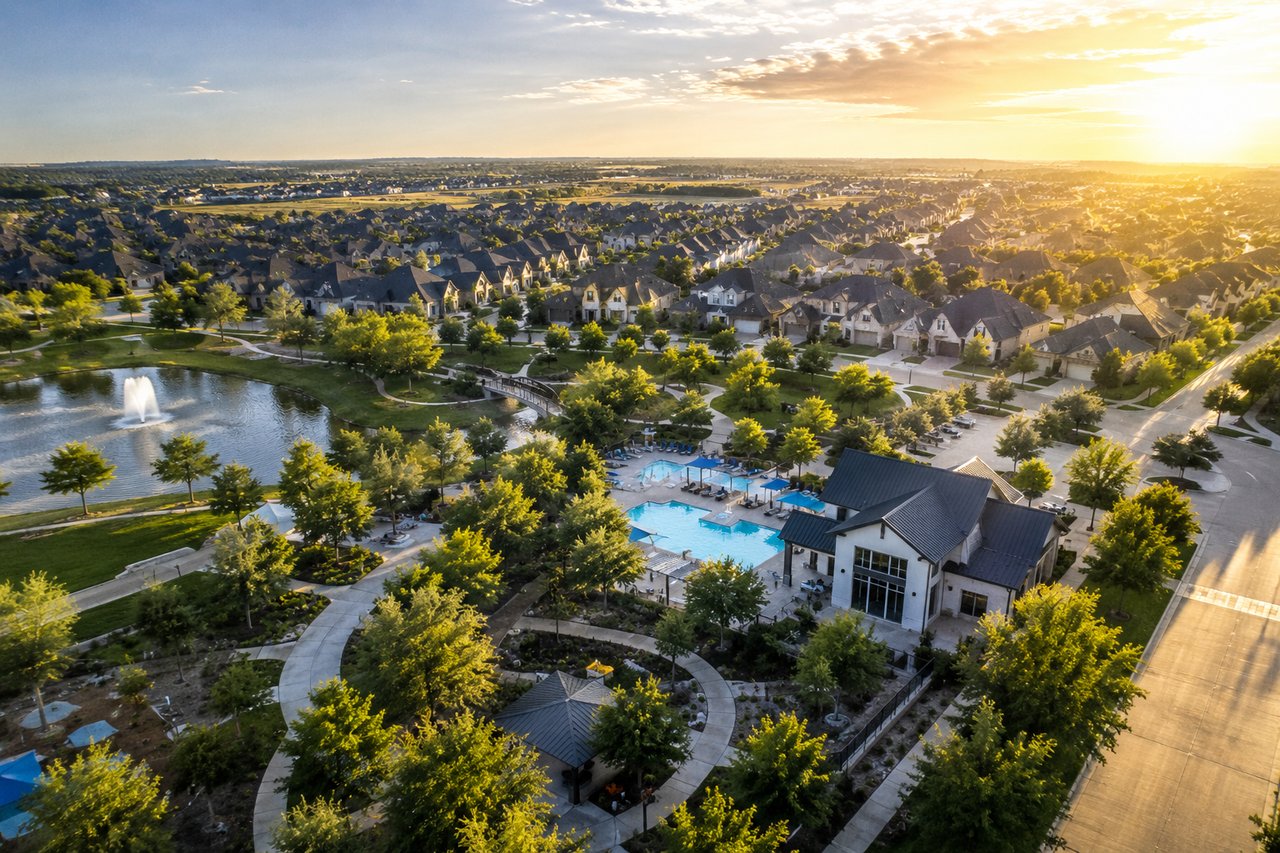
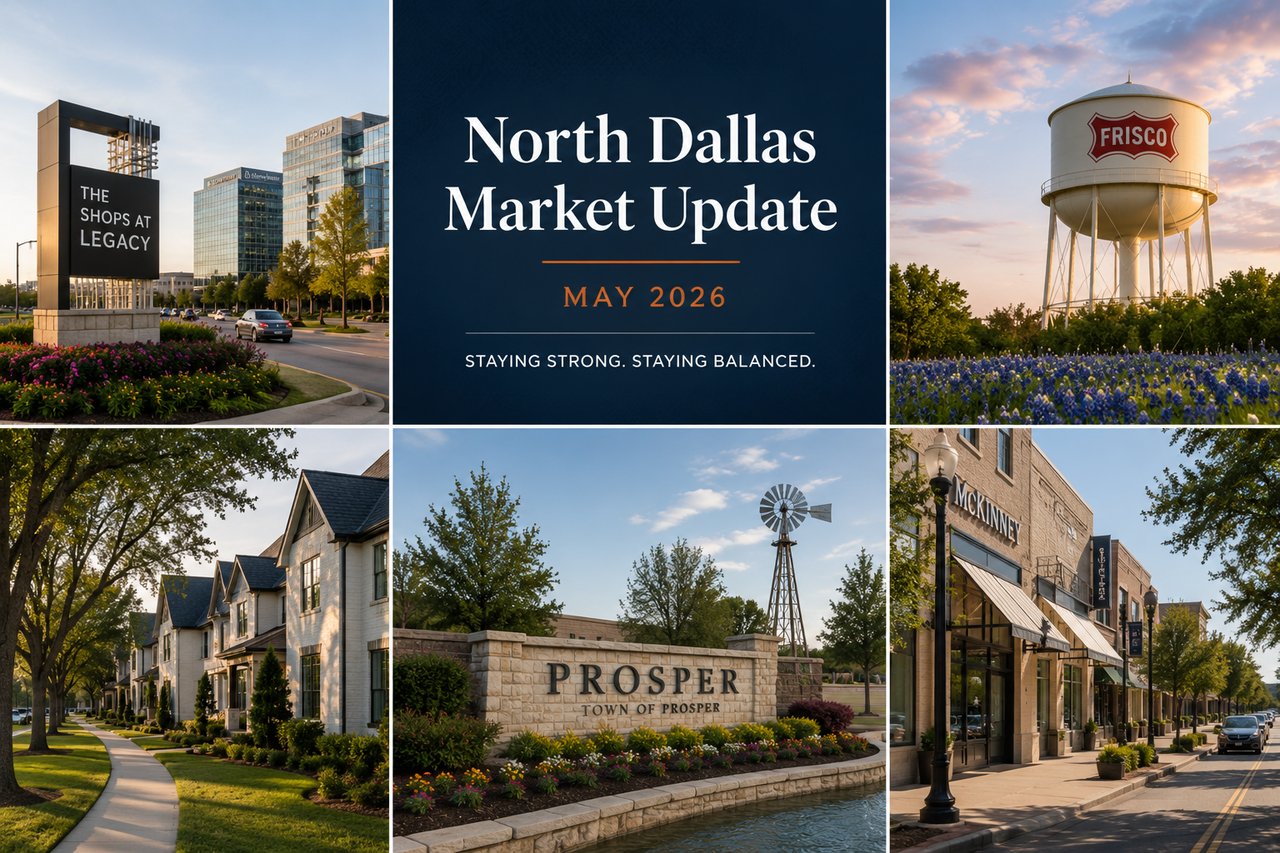
In the North Dallas suburbs, where options range from brand-new construction in Prosper to established neighborhoods in Plano and McKinney, understanding livability can save buyers from a decision they’ll regret later.
The “Fit” Framework, Location, Lifestyle, Livability
Every strong home decision comes down to three pieces working together:
-
Location – Where the home is
-
Lifestyle – How you want to live
-
Livability – How the home supports that lifestyle
Most buyers naturally prioritize the first two. Livability tends to get assumed.
That’s where mistakes happen.
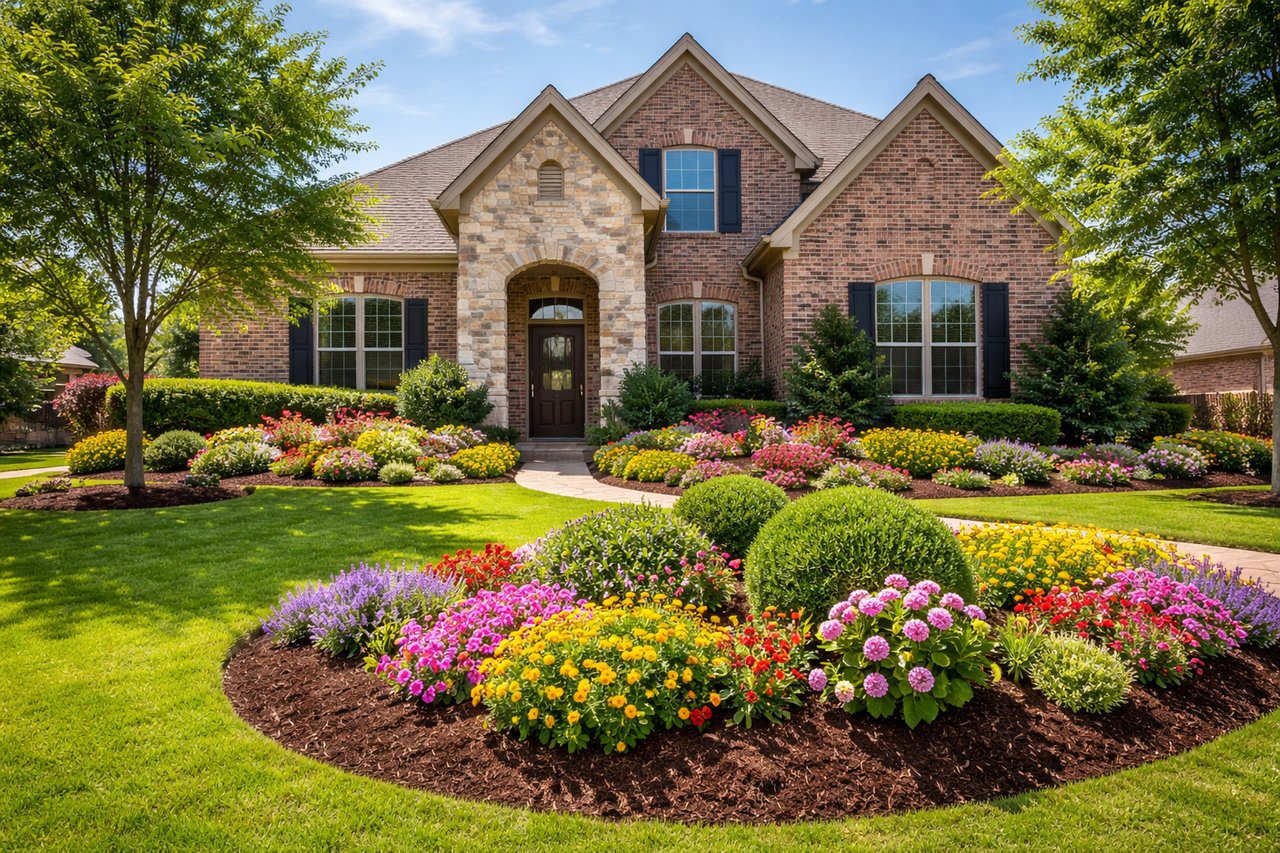
A home can be in a great part of Frisco, close to everything you want, and still feel frustrating once you move in if the layout, flow, or function doesn’t match your daily routine.
Livability is what turns a good purchase into the right one.
Why Livability Gets Missed Early
There’s a pattern that shows up over and over again with buyers.
You walk into a home and notice:
-
Updated kitchen
-
High ceilings
-
Great natural light
-
New finishes
All good things. But those are features, not function.
What often gets missed in the moment:
-
Where backpacks land after school
-
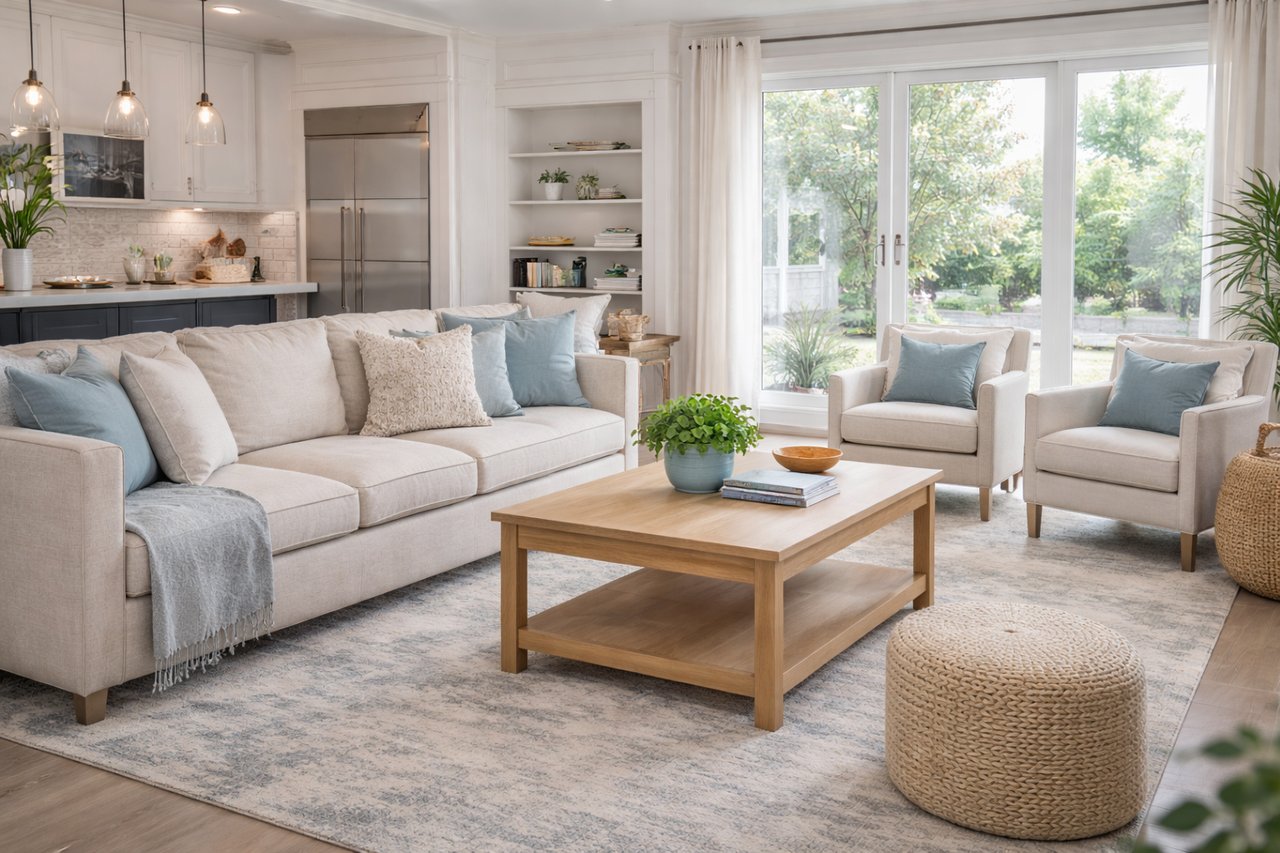
Whether the kitchen actually works when two people are cooking
-
If there’s a quiet space for calls or homework
-
How traffic flows when guests are over
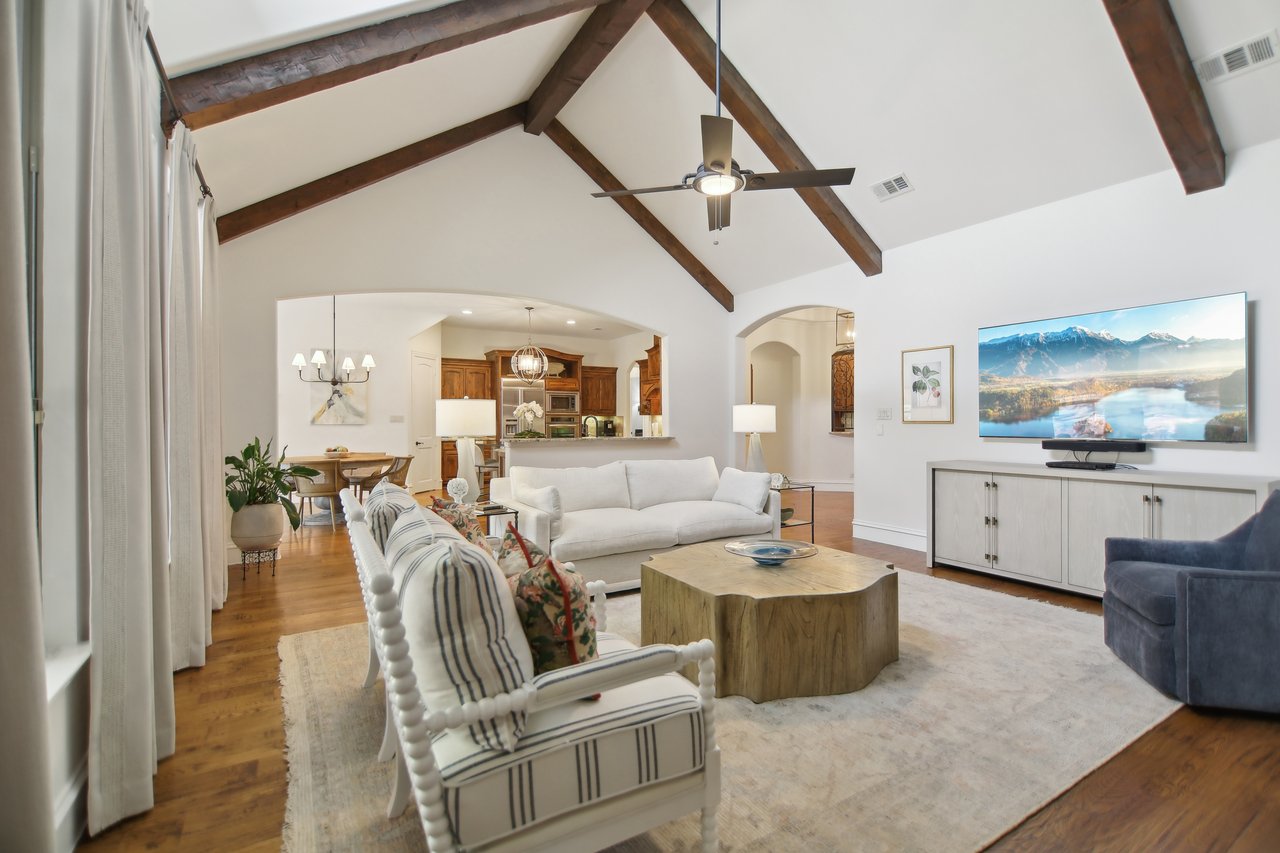
The reality is, livability doesn’t always show well in a 10-minute showing, and it rarely shows up clearly in listing photos.
That’s why it needs to be intentional.
What Livability Looks Like in Real Life
Let’s bring this down to the ground level.
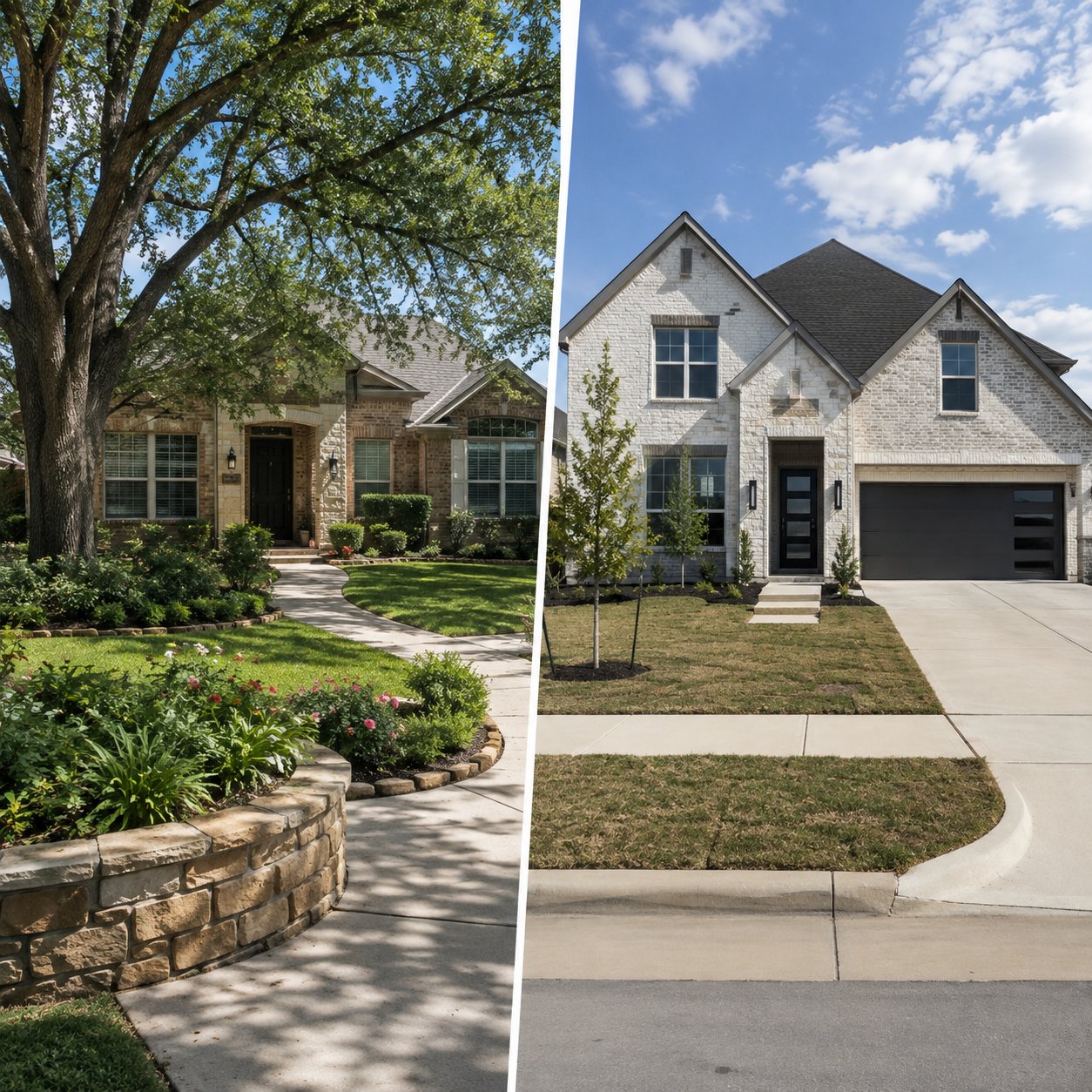
In markets like Prosper, Frisco, Plano, and McKinney, you’ll see a wide mix of floor plans, from open-concept new builds to more traditional layouts in established neighborhoods.
Here’s how livability shows up across different situations.
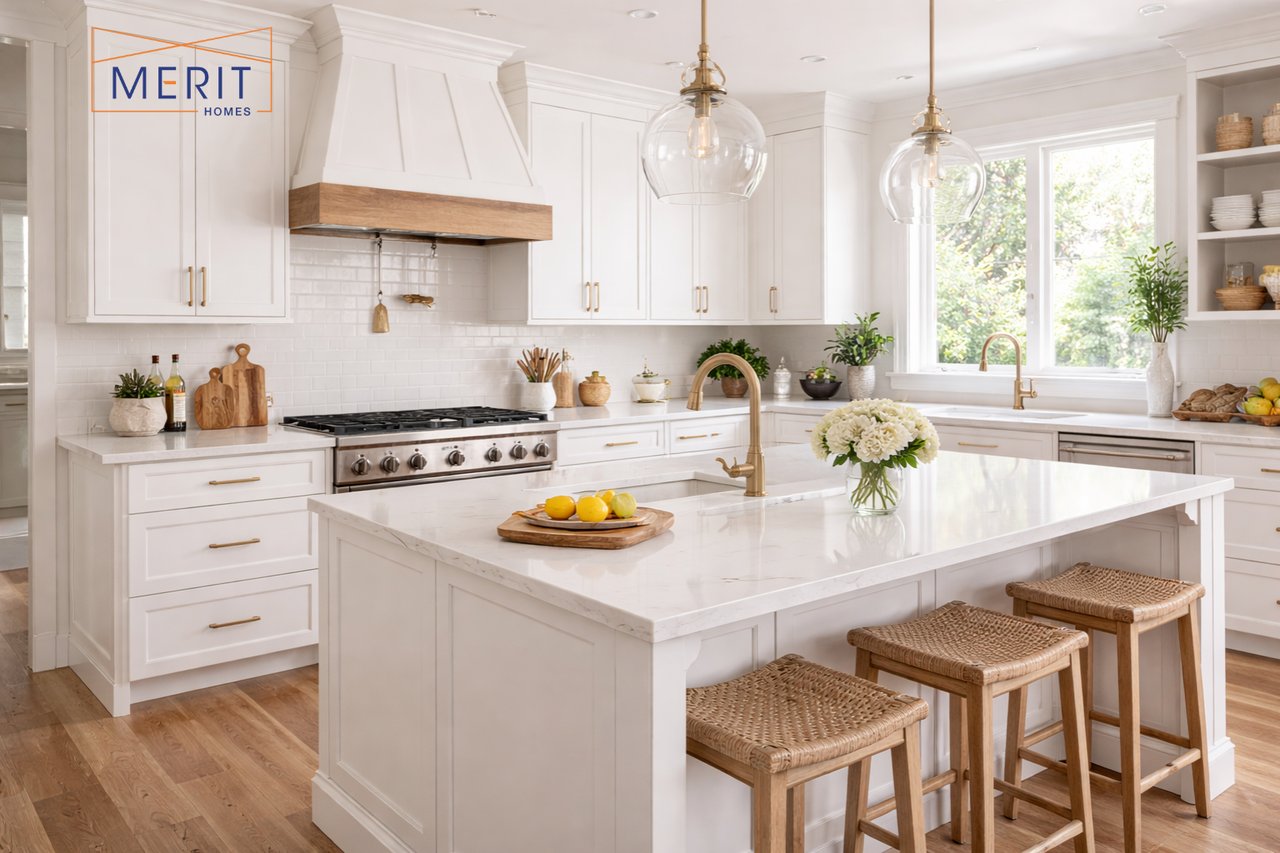
1. The Kitchen That Works Under Pressure
A kitchen can look great and still be frustrating to use.
Things that matter more than finishes:
-
Counter space where you actually prep food
-
Clear walking paths, especially with multiple people
-
Proximity to dining and living areas
-
Storage that fits how you use it, not just how it looks
In many newer homes in Prosper and Frisco, large islands are common, but not all are designed with function in mind. Some look impressive but create congestion during real use.
2. Space That Matches Your Routine
Open concept is popular, but it’s not one-size-fits-all.
Questions that help:
-
Do you need separation between work and home life?
-
Is noise going to be an issue with kids, calls, or guests?
-
Is there flexible space that can change as your needs change?
In Plano and McKinney, you’ll often find homes with defined rooms that can actually provide better long-term flexibility, even if they don’t feel as modern at first glance.
3. Storage, The Quiet Deal Breaker
Storage is one of the biggest drivers of livability, and one of the easiest to overlook.
Think beyond closets:
-
Garage space that actually fits vehicles and storage
-
Pantry size and usability
-
Linen storage where you need it
-
Drop zones near entries
A home without enough storage doesn’t just feel tight, it creates daily friction.
4. Traffic Flow and Movement
This is one of the least discussed but most important parts of livability.
Pay attention to:
-
How you move from garage to kitchen
-
Whether guests walk through private areas
-
Bottlenecks in hallways or stairways
-
How spaces connect during gatherings
In some newer builds, especially in fast-growing areas like Prosper, maximizing square footage can come at the expense of flow.
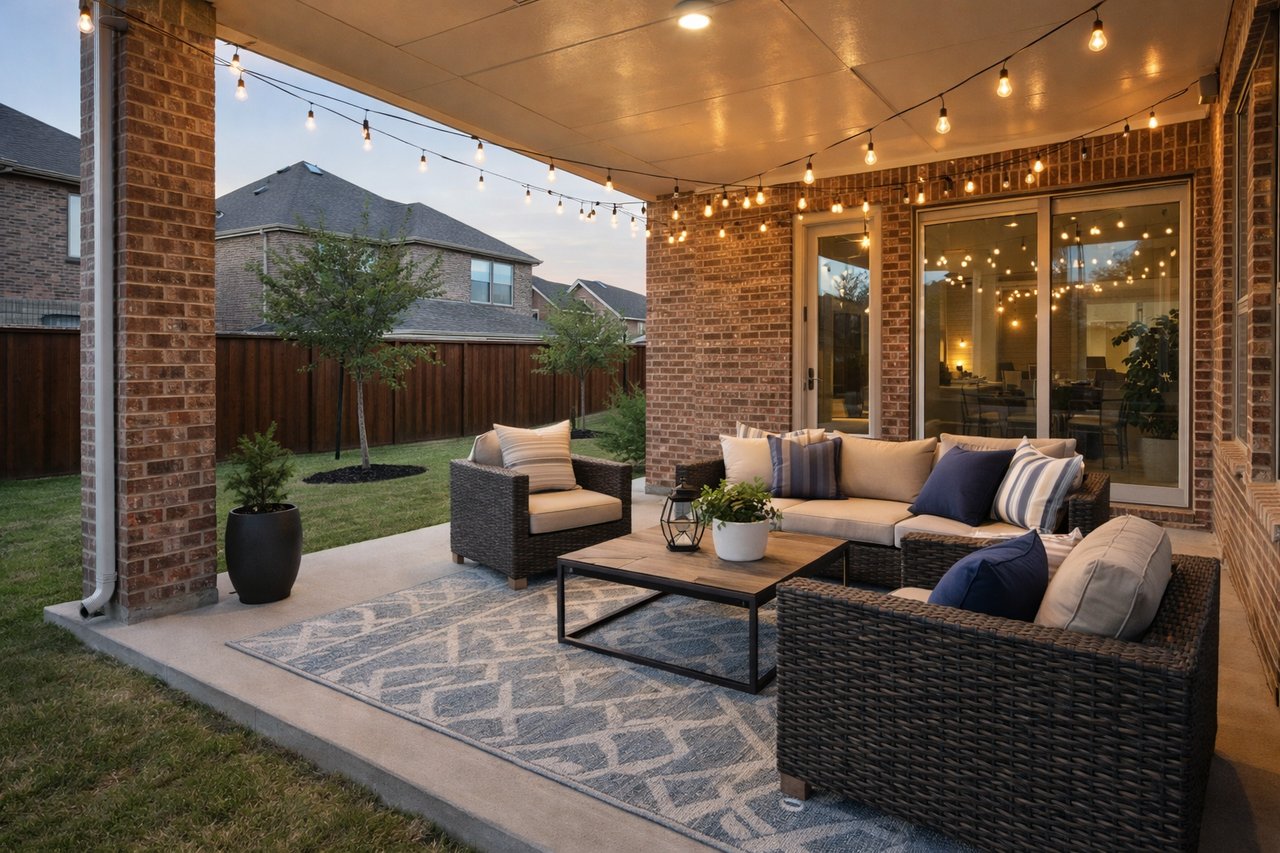
5. Outdoor Space That Gets Used
In North Dallas, outdoor living matters more than people expect.
But only if it’s usable.
Questions to consider:
-
Is there shade during the times you’d actually be outside?
-
Does the yard size match your maintenance tolerance?
-
Is there privacy from neighbors?
-
Can the space handle how you want to use it, kids, pets, entertaining?
A large yard sounds great until it becomes something you don’t use.
New Construction vs Established Homes, A Livability Trade-Off
One of the most common decisions buyers face in this area is whether to go new or resale.
From a livability standpoint, both have strengths.
New Construction (Prosper, Frisco):
-
Modern layouts
-
Energy efficiency
-
Open spaces
-
Clean, move-in ready
Watch for:
-
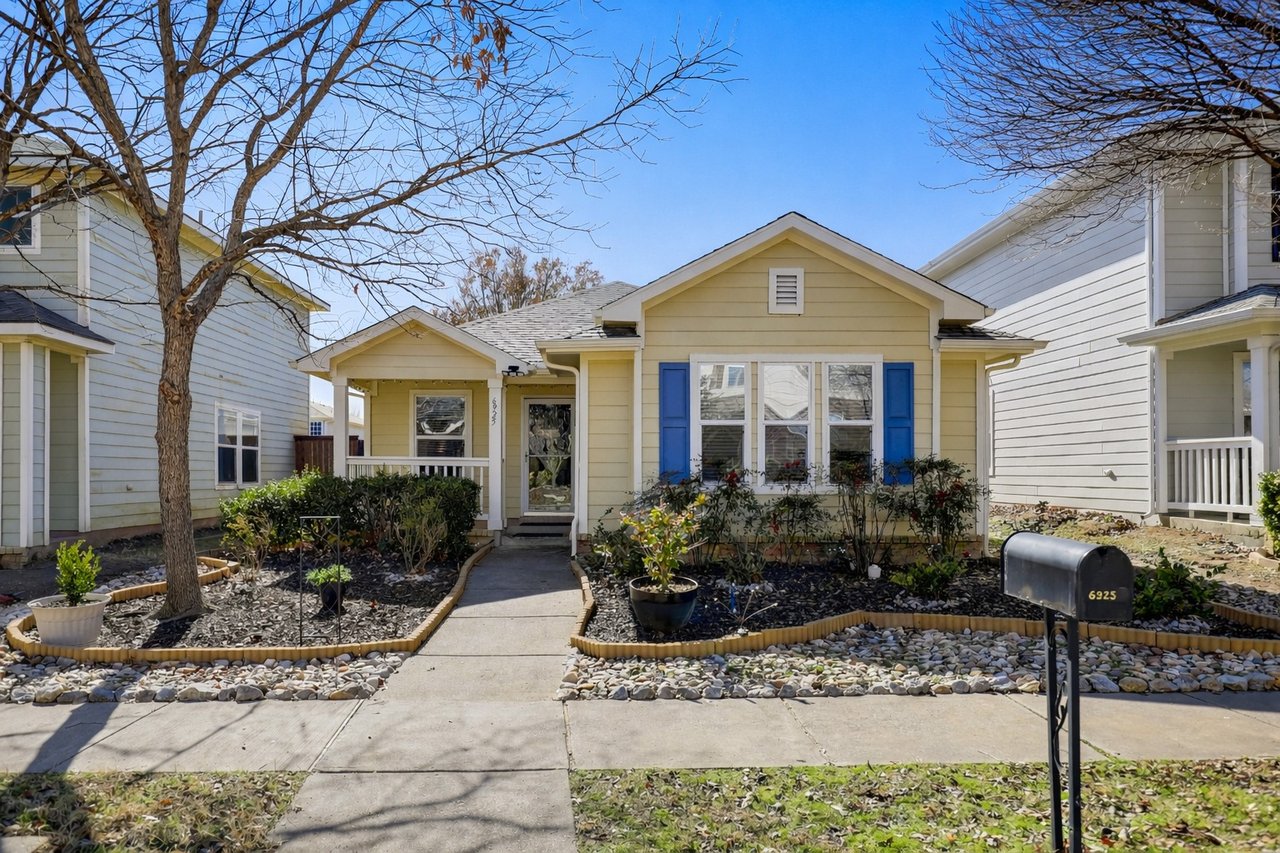
Smaller lots
-
Limited storage in some designs
-
Less mature landscaping
Established Homes (Plano, McKinney):
-
Larger lots
-
Mature trees and neighborhoods
-
More variation in layout
Watch for:
-
Older floor plans that may need updates
-
Spaces that don’t match current lifestyle needs
Neither is better across the board. It comes down to which one fits how you actually live.
How to Evaluate Livability When You Walk a Home
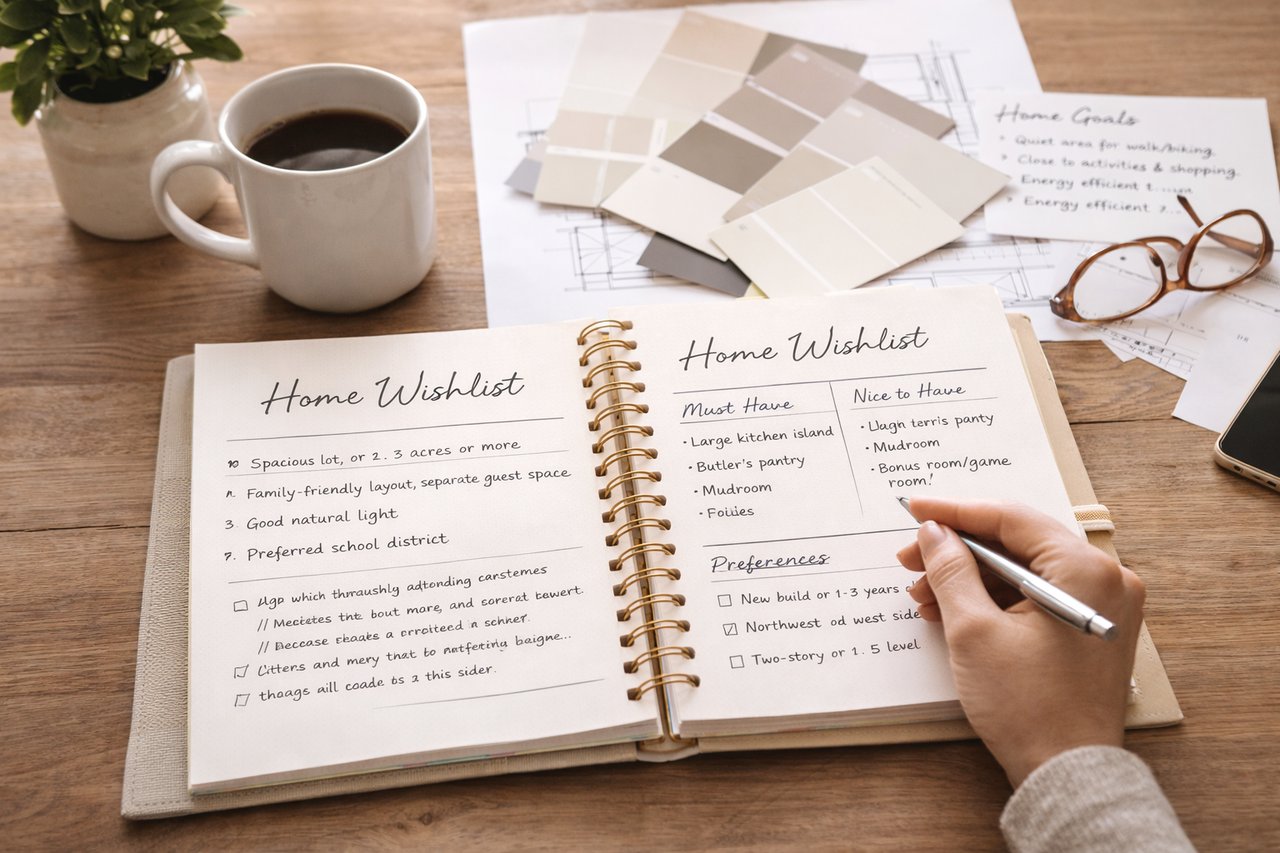
Here’s a simple way to shift from “this looks good” to “this works for me.”
As you walk through a home, mentally run through a normal day:
-
Where do you enter and drop your things?
-
Where does your morning routine happen?
-
Where do you work, relax, and eat?
-
What happens when you have guests over?
-
Where does clutter build up?
If you can’t clearly see how your day fits into the home, that’s worth slowing down on.
The Long-Term View Most Buyers Miss
Livability isn’t just about today, it’s about how the home works over time.
In a market like North Dallas, where people often stay in homes longer than they originally planned, this matters.
Think about:
-
Changes in family size
-
Work-from-home needs
-
Aging in place considerations
-
Resale appeal tied to functionality
The homes that hold up best over time are the ones that work well for everyday life, not just the ones that looked the best on day one.
A Simple Truth That Guides Good Decisions
A home can check every box on paper and still feel off once you live in it.
That usually comes back to livability.
When location, lifestyle, and livability all line up, the decision tends to feel a lot more certain, both at closing and well after.
If You’re Starting Your Search
If you’re looking in areas like Prosper, Frisco, Plano, or McKinney, it’s worth slowing down just enough to think through how a home actually fits your life, not just your list.
Every buyer’s version of “fit” is a little different, and that’s where having a clear lens around livability makes a big difference.
If you want a second set of eyes on how a home might work for your day-to-day, I’m always happy to walk through that with you.