There's a conversation I have with homeowners that usually begins with a pretty reasonable question.
"Why is that house selling for more than ours? Ours is bigger."
Sometimes they're comparing their home with one down the street. Other times, they're looking at a property in Frisco, Prosper or Celina.
And on paper, their argument makes sense.
More square footage. A larger backyard. Maybe even a swimming pool.
But here's where real estate gets interesting.
Buyers don't purchase homes based on a spreadsheet alone.
They're comparing neighborhoods, condition, location, floor plans, maintenance expectations and how they imagine living in a particular home.
And those comparisons can change considerably depending on where you're selling.
A homeowner in Plano is competing in a different environment from someone selling in Prosper or Celina.
Not necessarily a better or worse market.
Just a different one.
The strategy that helps sell a five-year-old home in Prosper may not be the strategy that gets the best result for a thirty-year-old home in Plano.
Understanding that distinction is where a successful selling strategy begins.
Three Cities, Three Different Housing Stories
One of the biggest mistakes I see homeowners make is assuming the entire North Dallas real estate market behaves the same way.
It doesn't.
Plano, Prosper and Celina may be relatively close geographically, but their housing markets have developed under very different circumstances.
Plano: An Established City With Established Expectations
Plano experienced much of its major residential growth decades ago.
Today, buyers can find homes built in the 1970s, 1980s, 1990s and early 2000s, along with newer properties and redevelopment opportunities.
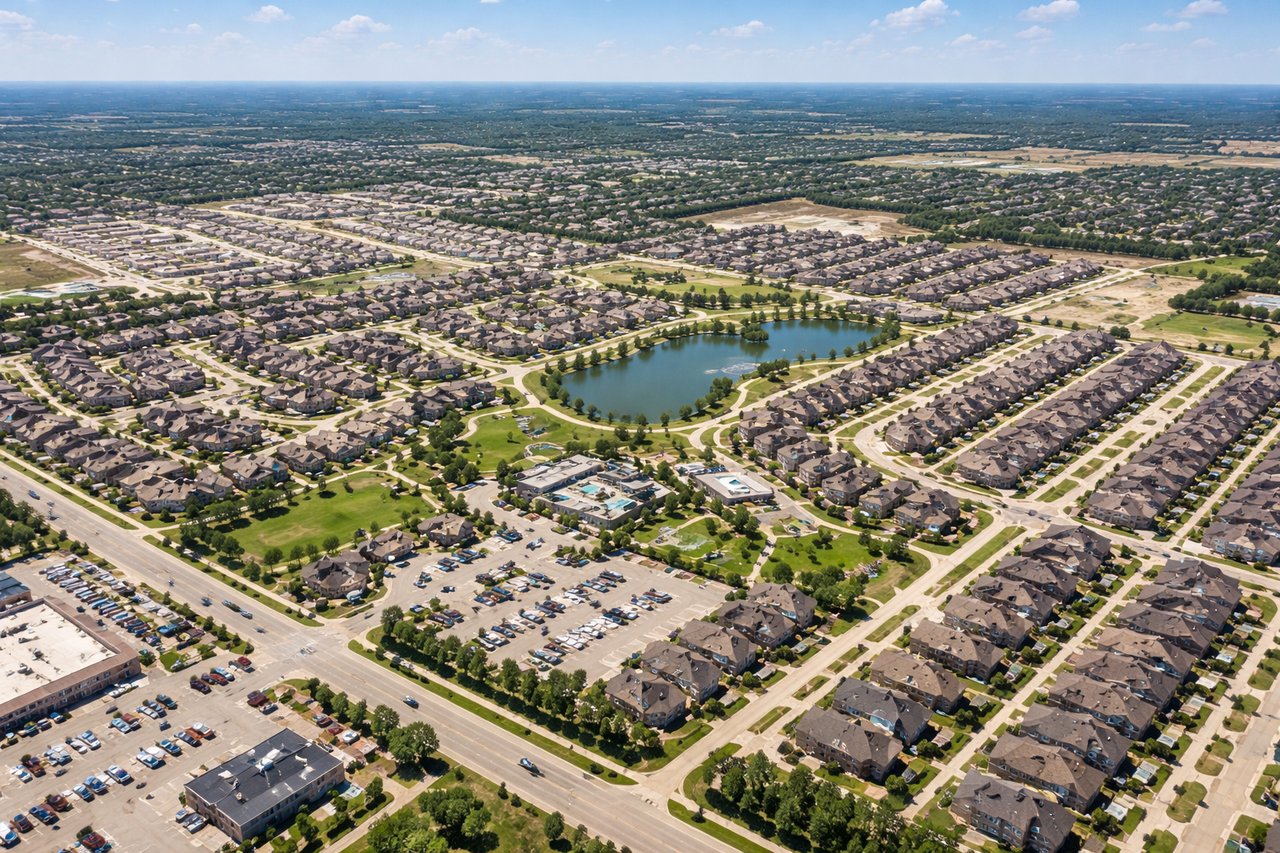
Many neighborhoods have mature trees, completed landscaping, established parks and convenient access to major employment centers.
But the age of the housing stock also means buyers frequently evaluate maintenance, renovations and the condition of major systems.
A beautiful kitchen may attract attention.
A twenty-year-old roof may create hesitation.
In Plano, sellers often need to demonstrate that their home has been cared for, not simply that it has attractive finishes.
Prosper: Established Luxury Meets Newer Development
Prosper offers a different competitive landscape.
Communities such as Star Trail, Windsong Ranch and Gentle Creek represent different periods of the town's development.
Some buyers are comparing relatively recent construction, while others are looking for established landscaping, larger lots or distinctive properties.
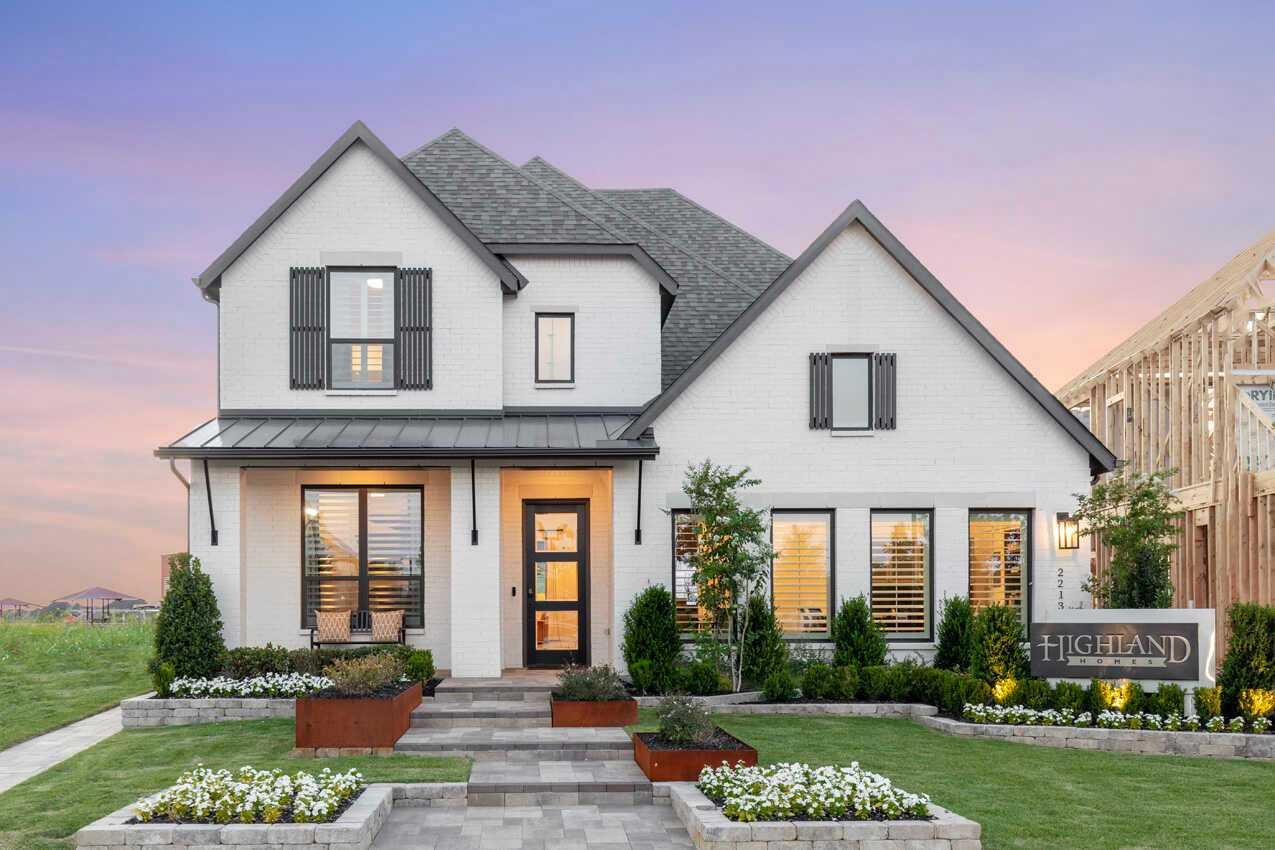
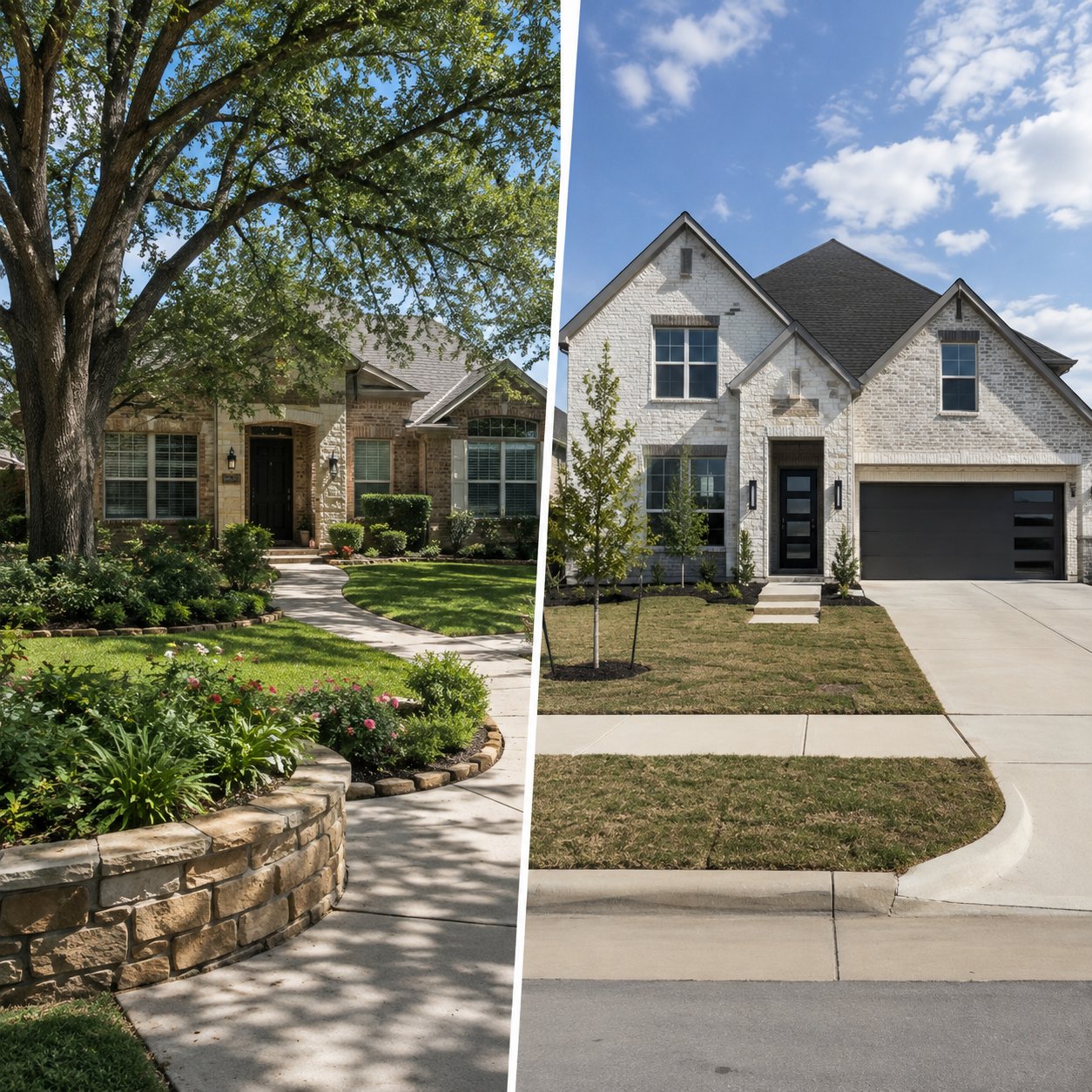
Prosper sellers may compete with nearby builders offering new homes, financing incentives or contemporary floor plans.
That means a resale home needs to communicate why someone should choose it over a brand-new alternative.
Perhaps it's the finished backyard.
The pool.
The lot.
The location within the community.
Or improvements that would cost a substantial amount to reproduce.
Celina: New Construction Is a Major Part of the Conversation
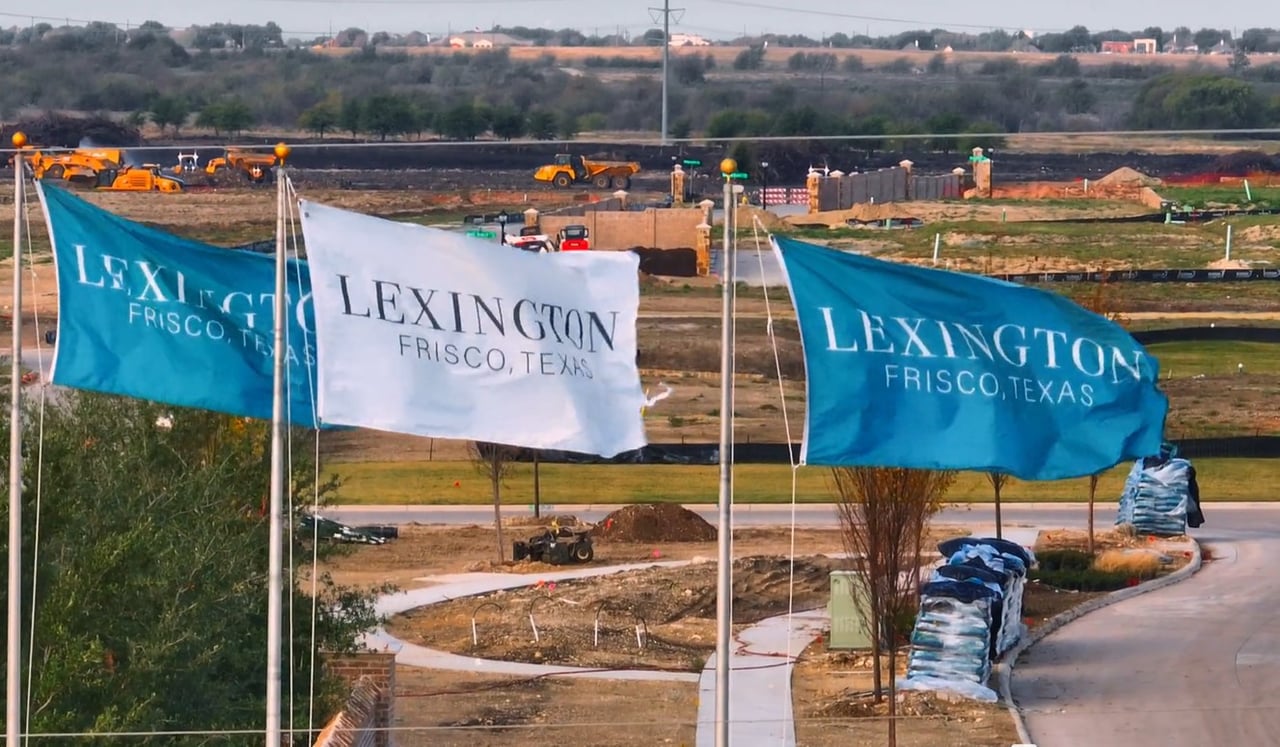
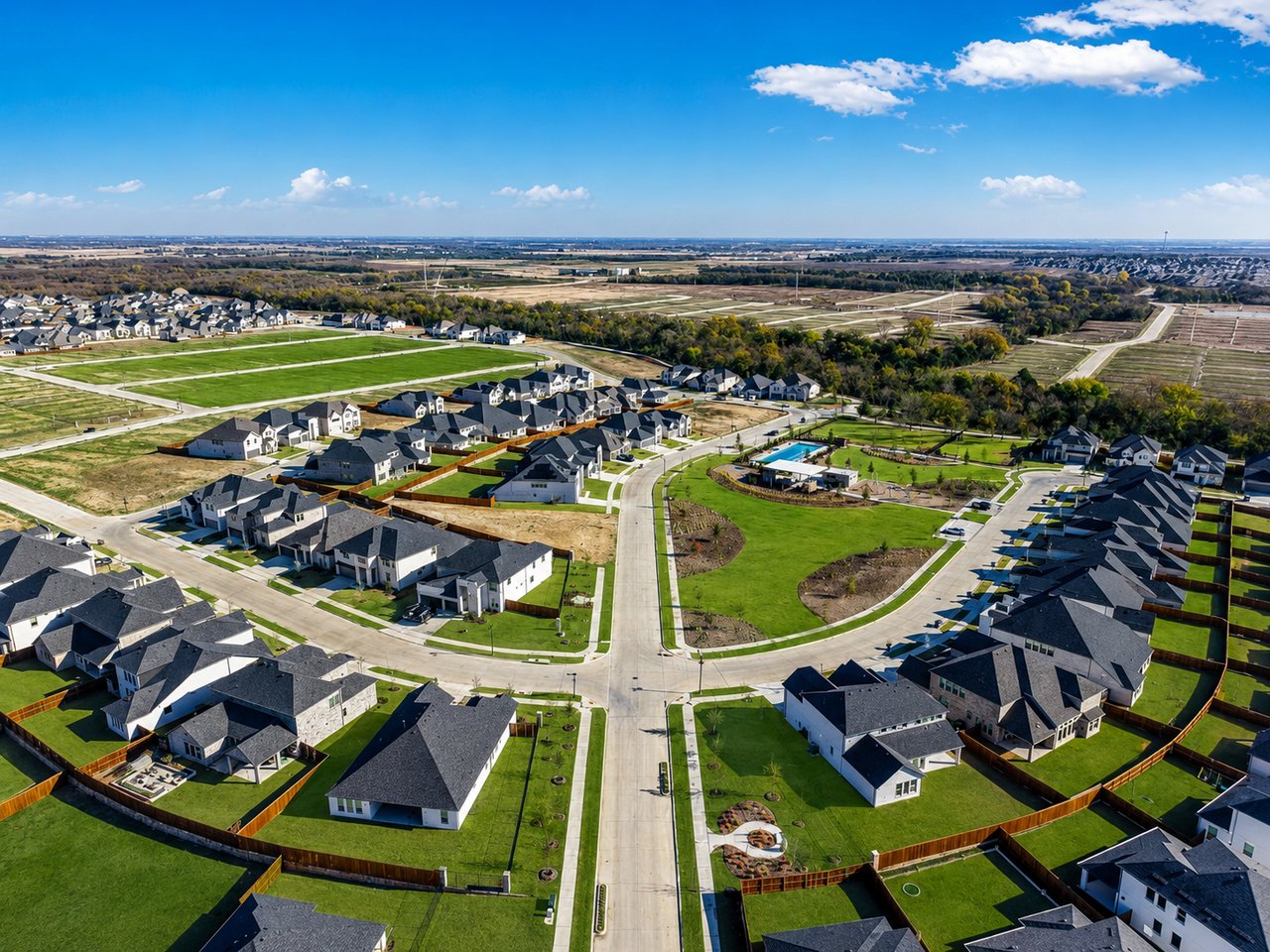
Celina's growth has brought extensive new residential development.
For sellers, that creates a particular challenge.
A buyer considering a resale home may also be touring several builders within a relatively short distance.
Those builders may have completed inventory, design options or financing incentives.
A resale home can't compete by pretending to be new construction.
It needs to show what makes it a compelling alternative.
And in a market with substantial available inventory, the pricing strategy becomes especially important.
The point isn't that every Plano seller has an advantage over every Celina seller.
It's that the competition is different.
And your marketing should reflect that.
What the 2026 Market Is Telling Us
Recent housing data helps illustrate why a city-specific strategy matters.
During September 2026, Plano recorded a median sale price of approximately $500,000, with roughly 3.2 months of housing inventory, according to an NTREIS-based market report.
That same report showed a median of 45 days to go under contract.
By comparison, October market reporting for Prosper and Celina showed substantially more inventory relative to closed sales.
The figures aren't perfectly interchangeable because they reflect different reporting periods and property mixes, but they reveal something important.
You cannot assume the same level of buyer competition, pricing pressure or marketing timeline across all three cities.
Even within Plano, the differences can be significant.
A home near Legacy West may attract a different group of buyers from a property near Downtown Plano.
A renovated home in an established neighborhood may compete differently from a similar-sized home that hasn't been updated in twenty years.
And a property priced at $450,000 may behave differently from one priced above $900,000.
That's why I don't believe in pricing a home based solely on the citywide median.
It's a useful reference point.
But it isn't a pricing strategy.
Plano Buyers Often Pay Close Attention to Condition
Let's talk about something that can make or break a sale in an established neighborhood.
Deferred maintenance.
Imagine you're touring two Plano homes.
Both have four bedrooms.
Both are approximately 2,800 square feet.
Both are listed around the same price.
The first has an updated kitchen, fresh paint and attractive staging.
But the air-conditioning system is approaching the end of its expected service life. The roof is older, and there are signs of previous foundation movement that haven't been adequately documented.
The second home has a kitchen that isn't quite as fashionable.
But the roof was recently replaced, the HVAC systems have been maintained, and the seller has documentation for significant repairs.
Which one feels like the safer purchase?
Different buyers may answer differently.
But the second home may offer something that doesn't always photograph well.
Confidence.
And confidence matters.
A buyer who believes they're purchasing a well-maintained home may be more comfortable moving forward than someone who sees a beautiful property but worries about what could be hiding behind the walls.
That doesn't mean sellers should replace every aging system before listing.
It means they should understand their home's condition and address the issues most likely to create concern.
The Renovation Trap: Spending Money Buyers Won't Repay
Here's another common mistake.
A homeowner decides to sell and immediately starts thinking about renovations.
New countertops.
New flooring.
Updated bathrooms.
Maybe even a complete kitchen remodel.
And sometimes those improvements make sense.
But not always.
One of the first things I'd want to know is what comparable homes are actually selling for.
If renovated properties in your neighborhood are selling at a meaningful premium, certain updates may be worth considering.
But if buyers are primarily focused on location, layout and overall condition, a major renovation may not produce the return you expect.
Let's say you're considering spending $60,000 on a kitchen remodel.
Will the market support a $60,000 increase in your home's selling price?
Maybe.
But I wouldn't assume it.
I'd compare recently sold properties, active competition and the expectations of buyers in that price range before making the investment.
And I'd distinguish between improvements that help a home sell and improvements that actually increase its market value.
Those aren't always the same thing.
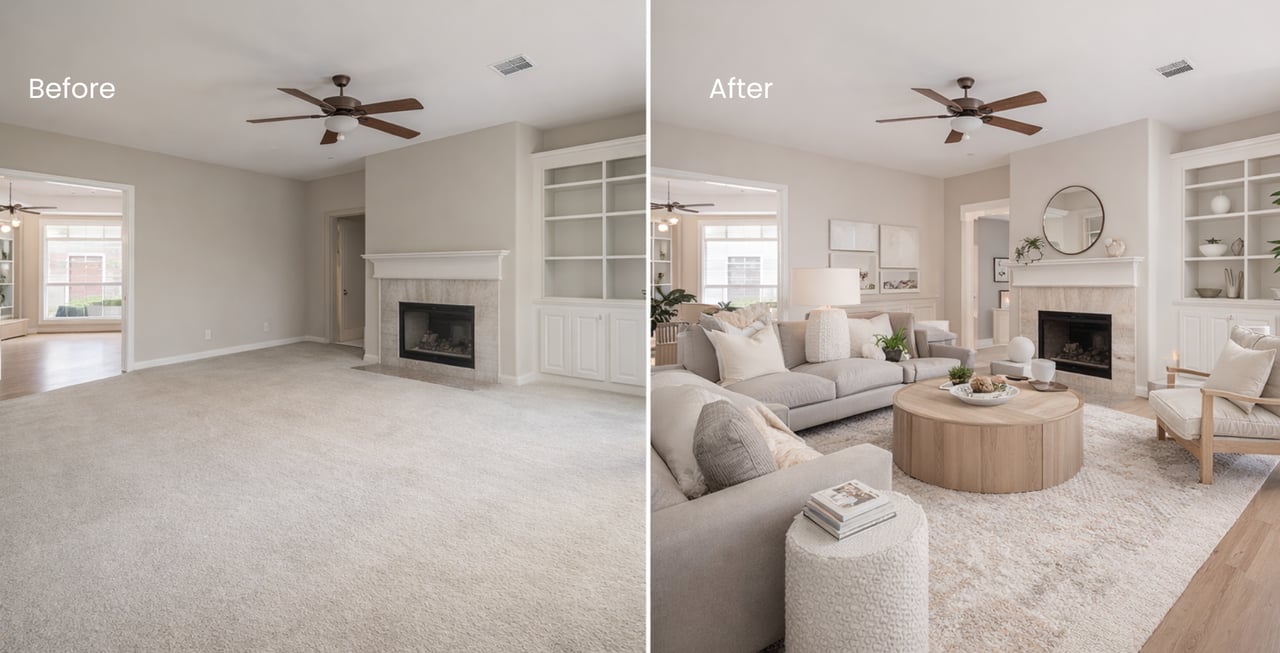
A freshly painted interior might help buyers see the home more favorably without requiring a major investment.
Replacing worn carpeting may eliminate an objection.
Updating dated lighting can improve the presentation.
But removing a wall or completely rebuilding a kitchen is a much bigger decision.
The goal isn't to make your home look like a brand-new model home. It's to make it the most compelling version of the home you already have.
Plano's Mature Neighborhoods Are an Advantage, If You Know How to Market Them
One of the things I appreciate about established neighborhoods is that they offer features that take time to develop.
Mature trees.
Landscaped yards.
Finished outdoor living areas.
Established streets.
And, in some locations, convenient access to shopping, restaurants and employment centers.
These can be meaningful advantages.
But sellers sometimes overlook them because they've lived with those features for years.
They no longer notice the shade from a large tree.
They take the nearby park for granted.
They forget that being ten minutes closer to an office can make a substantial difference in someone's daily routine.
That's where good marketing becomes more than listing the number of bedrooms and bathrooms.
It needs to explain why the property is worth considering.
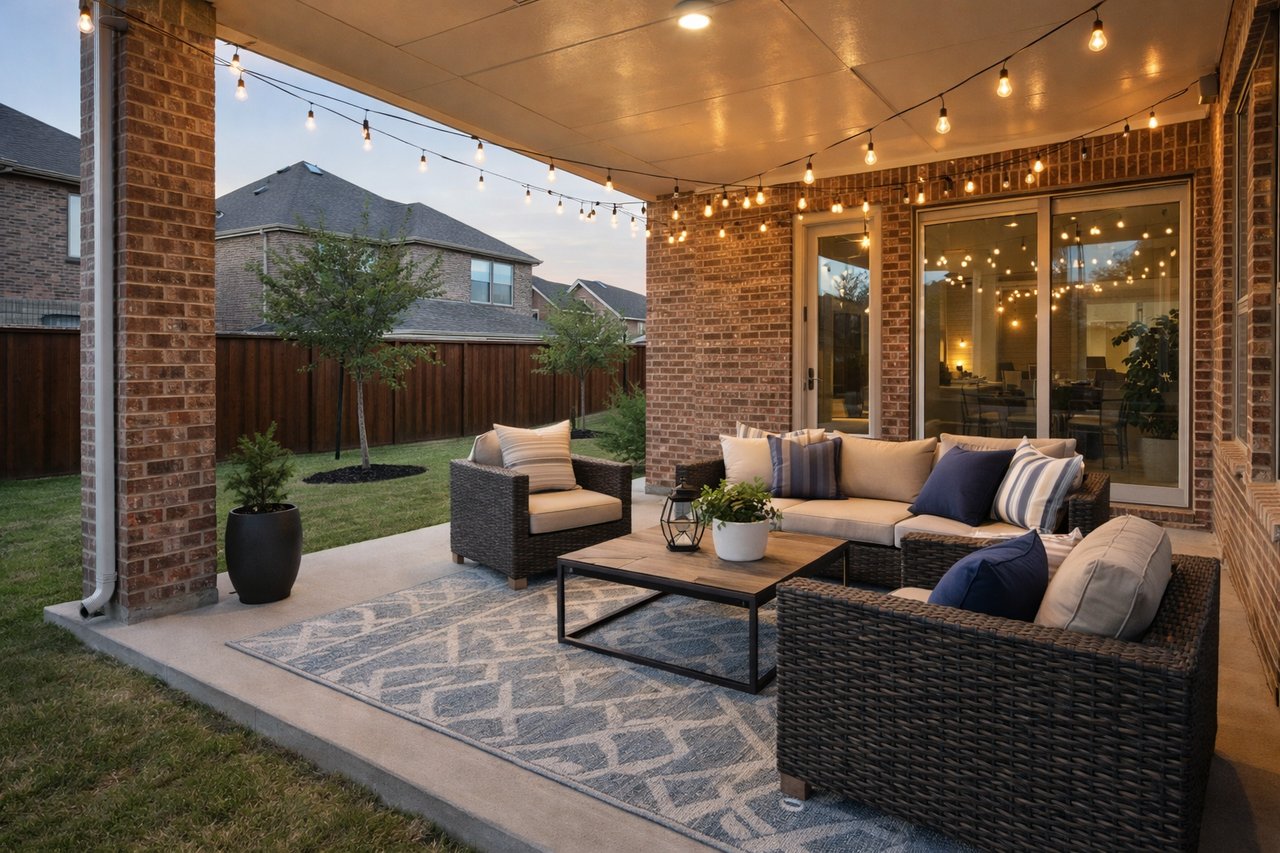
For example, instead of simply saying a home has a covered patio and mature landscaping, I'd want the photography and description to help buyers understand how those features contribute to the outdoor living experience.
Instead of describing a location as "convenient," I'd identify nearby destinations and transportation corridors accurately.
And if the home has been thoughtfully updated, I'd explain what was done and when.
Specific information is more useful than generic adjectives.
The Three L's: How I'd Position a Plano Home
This is where my Three L's framework becomes particularly useful for sellers.
Location, Livability and Lifestyle.
I've written about these concepts from the buyer's perspective, but they're just as important when preparing a home for sale.
Location: Sell the Convenience, Not Just the Address
Plano's location is one of its defining characteristics.
Depending on the neighborhood, homeowners may have convenient access to US Highway 75, the Dallas North Tollway, President George Bush Turnpike or major employment districts.
But not every Plano address offers the same convenience.
A home near Legacy may appeal to someone who regularly travels to that employment area.
A home closer to US 75 may offer a more practical location for someone whose routine takes them toward Richardson or Dallas.
The marketing should communicate the property's actual location advantages.
Not exaggerated commute times.
Not vague claims about being close to everything.
Just useful information that helps buyers understand how the location might fit their lives.
Livability: Help Buyers See How the Home Works
This is particularly important with older homes.
Some have traditional floor plans with formal living and dining rooms.
Others have been opened up through renovations.
Some offer large bedrooms, dedicated studies or spacious outdoor areas.
Instead of assuming buyers want the same layout, I'd focus on making each room's purpose clear.
Professional photography.
Accurate floor plans.
Thoughtful furniture placement.
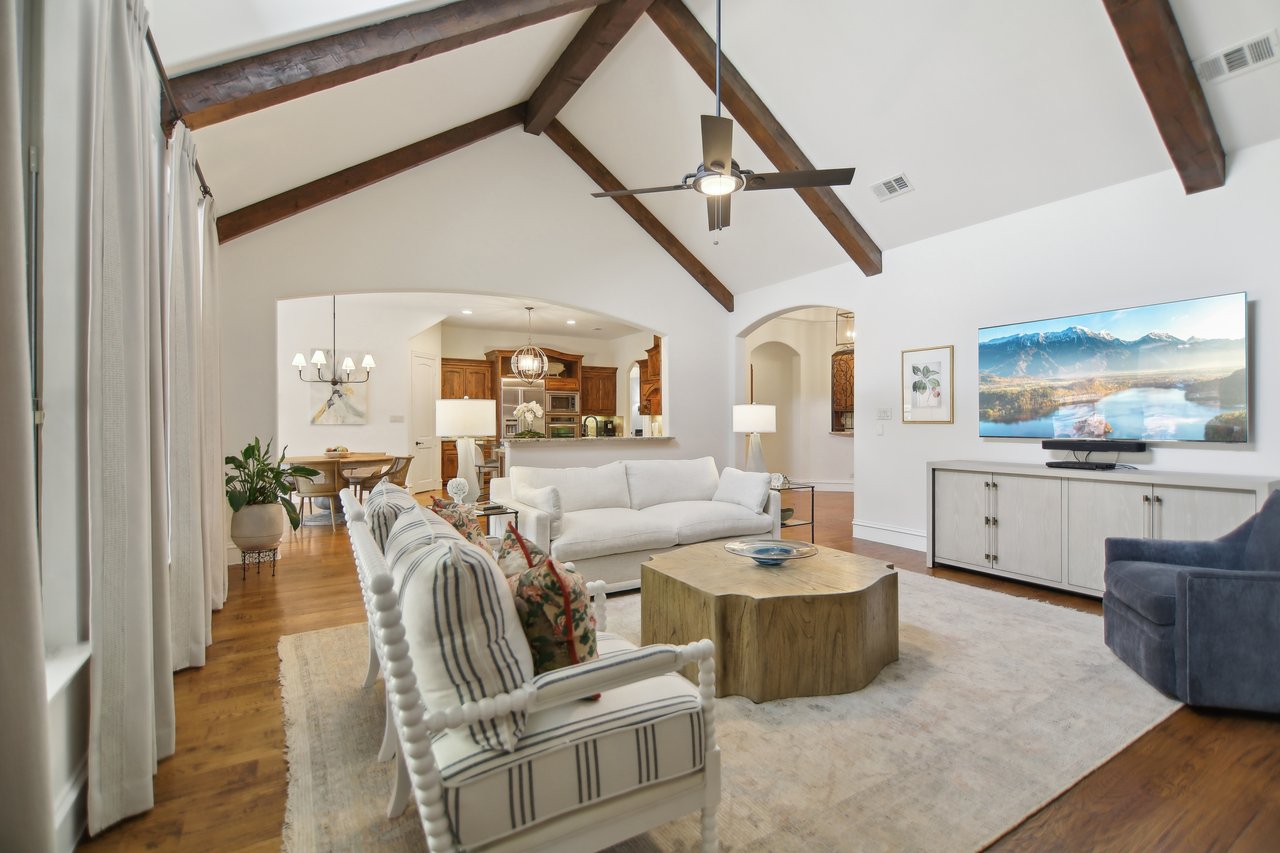
And, when appropriate, staging that helps buyers understand the scale and function of the space.
A room that feels awkward when empty may make perfect sense once buyers see how it can be used.
Lifestyle: Show What Makes the Neighborhood Worth Choosing
Plano offers a variety of lifestyle experiences.
Some buyers enjoy the restaurants and shopping around Legacy West.
Others appreciate the character of Downtown Plano.
Outdoor enthusiasts may value access to Arbor Hills Nature Preserve, Oak Point Park or the city's trail system.
And some simply want an established neighborhood with mature trees and nearby everyday conveniences.
The important thing is to connect the home with the experiences that genuinely exist around it.
A house is the product.
But the lifestyle surrounding it is part of the decision.
Pricing a Plano Home Requires More Than Looking at Square Footage
Let's return to the question from the beginning.
"Why is that smaller house selling for more than ours?"
There may be several explanations.
It might have a better location.
A more functional floor plan.
A recently replaced roof.
An updated kitchen.
A more desirable lot.
Or fewer maintenance concerns.
Buyers don't necessarily assign the same value to every square foot.
A 2,500-square-foot home with an excellent layout may be more appealing than a 2,900-square-foot home with rooms that don't function well.
And a property on a quiet interior lot may compete differently from one backing to a busy road.
That's why I prefer to start with comparable properties that share the most important characteristics.
Not simply homes within a certain radius.
I'd examine recent sales, current listings, pending properties where reliable information is available, condition, renovations, lot characteristics and the competitive price range.
Then I'd ask a question that sellers don't always enjoy hearing.
If a buyer toured your home and three competing properties this weekend, why would they choose yours?
If we can't answer that clearly, we need to revisit the presentation, the price or both.
The First Two Weeks Tell Us a Lot
When a home first enters the market, we have an opportunity to learn how buyers are responding.
But I don't like making decisions based on one isolated metric.
Online views are useful.
Showings matter.
Feedback matters.
Second visits and offers matter even more.
The challenge is interpreting those signals correctly.
If a home receives very few showings, I'd look at pricing, online presentation, visibility and how it compares with competing listings.
If the home receives plenty of showings but no serious interest, I'd examine buyer feedback and the experience of touring the property.
Is there a condition issue?
Does the floor plan create hesitation?
Are buyers seeing better value elsewhere?
Or is the asking price creating expectations the property isn't meeting?
The response shouldn't automatically be a price reduction.
But neither should sellers ignore consistent market feedback.
The first couple of weeks are an important opportunity to evaluate the strategy while the listing is still relatively fresh.
Why the Marketing Plan Should Be Different
I don't believe a successful listing strategy is simply putting a home in MLS, scheduling an open house and waiting for buyers.
That's the starting point.
Not the complete plan.
For an established Plano home, I'd want the marketing to communicate both the property's condition and the advantages of its location.
That may include professional photography, a floor plan, targeted social media promotion, agent outreach, neighborhood-specific messaging and carefully written property descriptions.
For a home with significant renovations, I'd want buyers to understand those improvements.
For a property with a beautiful backyard, I'd make sure the outdoor spaces receive the attention they deserve.
For a home in a particularly convenient location, I'd communicate nearby amenities without making promises about travel times or neighborhood characteristics.
And I'd continue monitoring the response after launch.
A listing campaign shouldn't remain unchanged for weeks if the market is telling us something important.
The marketing needs to evolve based on actual buyer behavior.
What Plano Sellers Can Learn From Prosper and Celina
Although these markets require different strategies, there are lessons worth sharing.
In Prosper and Celina, sellers frequently have to explain why a buyer should choose their resale home instead of new construction.
That encourages a useful discipline.
Identify the features that are difficult to reproduce.
A finished pool.
Mature landscaping.
A premium lot.
Custom improvements.
Or a particularly desirable location.
Plano sellers should do the same thing.
But instead of focusing primarily on builder competition, they may need to demonstrate why their established home offers better value than another resale property nearby.
That could mean emphasizing maintenance.
Renovations.
Layout.
Convenience.
Or the character of the neighborhood.
The common principle is that buyers need a reason to choose your home.
And that reason should be visible in the marketing.
What I'd Do If I Were Selling My Own Plano Home
If I were preparing to sell a home in Plano, I wouldn't start by ordering new countertops or choosing a listing price.
I'd start by looking at the competition.
I'd tour several active listings in the same general price range.
I'd pay attention to their condition, presentation, floor plans and locations.
Then I'd walk through my own home as if I were seeing it for the first time.
What would concern me?
What feels dated?
What needs repair?
Which features are genuinely valuable?
And which improvements have I become emotionally attached to but may not matter as much to a buyer?
Next, I'd create a prioritized preparation plan.
I'd address obvious maintenance issues, improve presentation where it makes financial sense and avoid major renovations unless the comparable sales supported them.
I'd also gather documentation.
Roof replacement records.
HVAC service history.
Foundation repair information, if applicable.
Permits and warranties for significant improvements.
That information can help buyers understand the property's condition and may reduce uncertainty during the transaction.
Then I'd establish a pricing strategy based on the homes buyers are actually considering.
Not what I paid.
Not what I spent on improvements.
And not what a neighbor's home sold for during a different market.
Finally, I'd launch with a marketing plan that tells a clear story about the property.
Because a successful sale begins with understanding what buyers are likely to value.
The Biggest Mistake Plano Sellers Can Make
I think the biggest mistake is assuming that because Plano is an established and desirable place to live, a home will sell itself.
It won't.
Buyers still compare.
They still evaluate condition.
They still consider price.
And they still have alternatives.
The advantage of selling in Plano isn't that you can ignore those things.
It's that many homes offer qualities buyers may find difficult to reproduce elsewhere.
Established landscaping.
Convenient locations.
Finished outdoor spaces.
Distinctive floor plans.
And neighborhoods that have developed their character over decades.
But those advantages need to be communicated clearly.
That's where the strategy matters.
A Different Market Deserves a Different Approach
Plano, Prosper and Celina are all important parts of the North Dallas housing market.
But they're not the same market.
And sellers shouldn't approach them as though they are.
In Prosper or Celina, a resale home may need to compete directly with new construction and builder incentives.
In Plano, the bigger challenge may be demonstrating the value of an established home while addressing buyer expectations about condition, updates and long-term maintenance.
Neither approach is necessarily easier.
Both require an understanding of the competition.
And both benefit from looking at the home through the buyer's eyes.
For Plano sellers, my advice is to focus on the things that make your property worth choosing.
Prepare it thoughtfully.
Price it based on current competition.
Communicate its Location, Livability and Lifestyle.
And don't assume that a strategy that worked somewhere else in North Dallas will automatically work for your home.
Because in real estate, knowing the market is important.
Knowing how your particular home fits into that market is what makes the difference.